

A vibrating toothbrush can make daily brushing feel more consistent, especially when you tend to rush through hard-to-reach areas or press too hard. The right model depends on the features you actually use: pressure alerts, multiple modes, guided coaching, replacement-head availability, and a charger that suits your bathroom or travel routine. These eight options cover everything from simple rechargeable brushes to feature-rich models with app support.
Your Options, Compared

Philips Sonicare 7300 Electric Toothbrush, 3 Heads, Black

Philips Sonicare 5950 Electric Toothbrush, 2 Heads, Black

Oral-B Pro 1000 Electric Toothbrush, Black
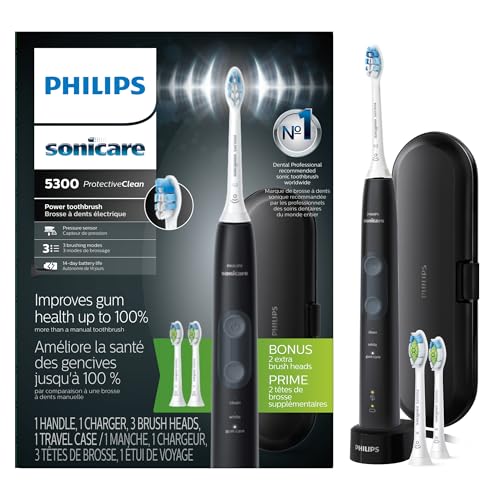
Philips Sonicare 5300 Electric Toothbrush, 3 Heads, Black

Aquasonic Vibe Series Electric Toothbrush, Rose Gold
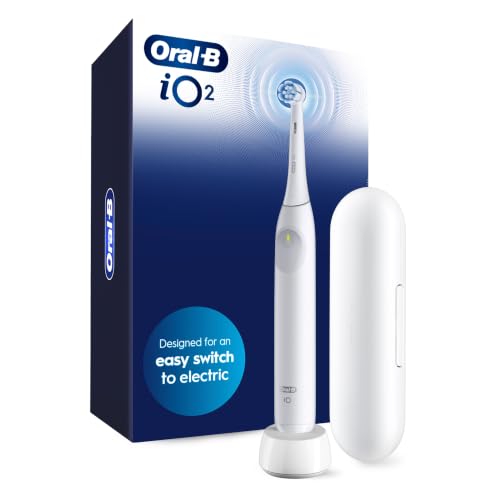
Oral-B iO Limited Electric Toothbrush, White

Oral-B iO Series 3 Electric Toothbrush, Black

Philips Sonicare DiamondClean 9500 Electric Toothbrush, White
The Philips Sonicare 7300 brings app-based guidance to a brush that still works independently. Four modes, three intensity levels, a pressure-sensing light, and timed area prompts give you several ways to structure a two-minute session without making the handle difficult to understand.
You may find the app most useful while establishing a new routine, then rely on the brush itself afterward. The rechargeable handle, three replacement heads, and charging travel case make it a practical fit for daily use, business trips, and homes that want some head flexibility.
Noteworthy Benefits
- The A3 brush head uses longer, angled bristles with triangular tips for reaching around teeth and along the gumline.
- A visible pressure ring lets you reduce force as soon as it lights, which can help you adopt a lighter touch.
- BrushPacer changes the timing prompt every 20 seconds, and SmartTimer ends the session after two minutes.
- App coaching adds guidance, tips, and brush-head replacement reminders to the basic routine.
- The stated battery life reaches up to 21 days per charge, and the travel case doubles as a charger.
Practical Considerations
- The power adapter is not included, so check whether you already have a compatible one.
- App-based guidance is optional, but phone compatibility and setup deserve attention before purchase.
Key Specs
Built With In Mind
This model suits people who enjoy guided routines and want visible pressure feedback without giving up independent two-minute brushing.
Where Another Pick Suits Better
You may prefer the Oral-B Pro 1000 for a simpler layout with fewer settings and no app-centered routine.
The Philips Sonicare 5950 keeps the focus on cleaning motion and pressure awareness rather than app coaching. Sonicare Fluid Action moves fluid between the teeth and along the gumline, while the pressure sensor provides a gentle tactile signal when your force becomes excessive.
Compared with the feature-heavy Philips Sonicare 7300, this setup appears easier to settle into for people who want a rechargeable electric brush without several intensity levels competing for attention. The two-head package gives you an initial replacement, though it is leaner than the three-head sets nearby.
Standout Benefits
- Fluid Action adds a water-driven cleaning effect around spaces that the bristles contact directly.
- Haptic pressure feedback is easy to notice without watching a light on the handle.
- Two included brush heads make the starting package more compact than a three-head bundle.
Worth Noting
- You receive two heads rather than the larger replacement-head supply offered by the Aquasonic Vibe Series.
- The product package does not highlight a travel case, so plan storage for the handle and spare head.
Right Fit For
This brush fits people who want pressure feedback and fluid-assisted cleaning without relying on smartphone guidance.
Consider Something Else When
You may favor the Philips Sonicare 7300 when timed prompts, four modes, and app coaching matter to your routine.
For your first rechargeable electric brush, the Oral-B Pro 1000 keeps the controls approachable. A round brush head moves around each tooth individually, while three cleaning modes and a handle-integrated quadrant timer help divide the session into manageable sections.
Unlike the Philips Sonicare models with visible guidance and app support, this one centers on physical controls and pressure response. It makes sense for daily households that want dependable electric brushing without navigating several intensity levels, particularly during the learning stage.
Notable Upsides
- The small round head fits one tooth at a time, making it approachable for people learning an electric-brushing technique.
- Pressure control can stop brush pulsations when excessive force is detected.
- Three modes cover daily cleaning, sensitive brushing, and gum-focused care without creating a crowded control panel.
Points To Note
- The three-mode layout is less adjustable than the four-mode Philips Sonicare 7300.
- No travel case or guided app routine is included in the package described here.
Quick Facts
Who Will Love This
This model suits new electric-brush users, students, and anyone who prefers direct buttons over app-based instructions.
A Better Fit Elsewhere
You may prefer the Philips Sonicare 5300 for replacement-head reminders and a slightly broader set of routine signals.
The Philips Sonicare 5300 offers useful pacing without adding a phone to your bathroom routine. A pressure sensor, two-minute timer, and QuadPacer divide the session into sections, giving you clear checkpoints while the handle remains focused on the physical brushing experience.
Three modes cover cleaning, whitening, and gum care, and BrushSync handles the less glamorous task of reminding you to replace a worn head. Compared with the Oral-B Pro 1000, this model adds a replacement reminder and a broader battery claim of up to two weeks per charge.
What Makes Sense
- QuadPacer helps divide the two-minute session, so a short session still follows a deliberate structure.
- Pressure alerts make it easier to notice when you are pushing too firmly against the brush head.
- Three included heads provide more immediate replacement options than the two-head Philips Sonicare 5950.
- BrushSync turns brush-head replacement into a routine reminder instead of a task you may overlook.
Small Caveats
- The stated battery life reaches up to two weeks, shorter than the 21-day figure associated with the Philips Sonicare 7300.
- No travel case is listed, which matters for frequent business travel.
Feature Snapshot
Best Suited To
This brush suits people who value timed pacing and replacement reminders but prefer not to manage smartphone coaching.
Another Choice May Suit
You may favor the Oral-B iO Series 3 for its combination of spinning movement, micro-vibrations, and automatic pressure response.
The Aquasonic Vibe Series is built around generous accessories and a straightforward set of controls. Its motor produces 40,000 vibrations per minute, while four modes and a smart vibration timer let you choose a pace that feels comfortable rather than relying on a single fixed setting.
Eight DuPont brush heads make this a practical choice for a shared bathroom or a household that prefers keeping several spares close at hand. Compared with the Philips Sonicare 7300, it trades app coaching for more replacement stock, while the included travel case and wireless charging base support trips.
Strong Points
- Eight brush heads reduce the likelihood of running short on replacements, particularly in a shared home.
- The 40,000-vibration motor provides brisk movement with four operating modes to personalize the feel.
- Wireless charging keeps the handle off a cable during recharging and simplifies bathroom placement.
- A lithium-ion battery and included travel case support use at home and while traveling.
Possible Compromises
- Eight heads require enough storage for replacement heads, packaging, and the charging base.
- Four modes may feel excessive if you only plan to use one setting every day.
The Right Fit
This model suits shared households, families, and frequent travelers who value a large supply of replacement heads.
Swap It Out When
You may prefer the Philips Sonicare 5950 for a simpler two-head package and tactile pressure feedback.
The Oral-B iO Limited brings automatic pressure adjustment to a relatively easy setup. Its one-touch control, quiet operation, and sensitive starting position make the transition from a manual brush less imposing, while three modes provide room to adjust your routine.
The iO brush head uses a round design, and the pressure sensor can slow the brush when excessive force is detected. Unlike the Oral-B Pro 1000, which stops pulsations under heavy pressure, this model adjusts the speed itself, so you may notice a gentler change during use.
What Pays Off
- Automatic speed adjustment responds to pressure without requiring you to hunt for a separate control.
- The brush begins on its sensitive setting, giving first-time electric users a gentler starting point.
- Three cleaning modes and a one-touch button keep the controls approachable.
- The included travel case makes the handle easier to pack for a trip or overnight stay.
Things To Consider
- The long-lasting battery is described without a precise runtime, so check that detail before relying on it for extended travel.
- Three modes provide less adjustment than the four-mode Philips Sonicare 7300.
Technical Highlights
Whose Shelf It Belongs On
This brush suits sensitive brushers and first-time electric users who want pressure-related speed changes handled automatically.
Where A Sibling Pick Shines
You may prefer the Oral-B Pro 1000 when a lower-feature handle, straightforward modes, and a smaller control layout matter more.
The Oral-B iO Series 3 combines a smoothly spinning brush head with small vibrations that help work along tooth edges. Three modes, a smart pressure sensor, two replacement heads, and a travel case give you a focused setup for adults who want responsive cleaning without a large collection of settings.
Compared with the Oral-B iO Limited, this model places more emphasis on deep-cleaning performance and includes a second replacement head in the package. The manufacturer reports up to 400% more plaque removal along the gumline than a manual brush, making the round-head motion worth considering for detailed daily cleaning.
Where It Excels
- Spinning movement and micro-vibrations create a distinct cleaning action around individual teeth.
- The smart pressure sensor alerts you when your brushing force becomes excessive.
- Three modes cover daily, deep-cleaning, and gum-care priorities without an overly complicated handle.
- Two replacement heads and a travel case provide a useful starting supply for home and trips.
Less-Strong Areas
- The two-head package is smaller than the three-head sets offered by several Philips models.
- No exact battery runtime is listed, which matters for trips longer than a weekend.
Who Should Grab It
This model suits adults who prefer the round oscillating head and want micro-vibrations for detailed tooth-edge cleaning.
Reach For A Different Pick When
You may favor the Oral-B Pro 1000 for a less complex routine, or the Aquasonic Vibe Series for a much larger supply of replacement heads.
The Philips Sonicare DiamondClean 9500 pairs a multi-angle brush head with 62,000 bristle movements per minute. Fluid Action adds movement between teeth and along the gumline, while the three included heads give you a sizable replacement supply for regular use.
Compared with the Philips Sonicare 7300, this model is presented as a more intensive cleaning setup, with the manufacturer reporting added plaque, gum, and stain-removal figures. You may find its white finish and dedicated head design more suitable for a polished bathroom setup, although the extra emphasis makes it less compelling when simplicity rules your choices.
The Good Stuff
- Long, multi-angle bristles on the A3 head reach around tooth edges and the gumline.
- Fluid Action supplements the bristle movement with water-driven cleaning between teeth.
- Three included heads provide a ready supply for regular replacement needs.
- The 62,000-movement-per-minute motor provides fast, continuous bristle activity.
- The white finish gives the handle a clean, coordinated bathroom appearance.
Factors To Consider
- The three-head bundle takes more space than the two-head Philips Sonicare 5950 package.
- Performance-oriented claims may matter less to you than simple buttons and a small mode count.
Core Details
Made For
This model suits adults who value a multi-angle head, fast bristle movement, and a polished bathroom appearance.
Consider Something Else When
You may prefer the Philips Sonicare 5950 for a smaller two-head package and straightforward pressure feedback.
What Matters Before You Choose a Vibrating Toothbrush
Cleaning motion and brush-head shape
Vibration describes rapid movement of the bristles, but the head shape determines where that movement goes. Round oscillating heads target one tooth at a time, while elongated multi-angle heads cover several surfaces. Choose the geometry that matches your brushing style and the areas where you need the most control.
Pressure feedback
A pressure sensor can provide light, sound, vibration, or automatic speed adjustment when you press too firmly. Visual feedback suits people who like to see status at a glance, while tactile feedback can be more useful when you keep the handle out of your line of sight. No sensor replaces a light touch, but it can make your habits easier to recognize.
Modes without unnecessary complexity
Multiple modes can support different priorities, such as sensitive brushing, gum care, or stain-focused cleaning. More settings are not automatically more useful. You may get more from three clearly labeled modes than from a long list you rarely use, especially when pressure feedback and a timer already structure the session.
Charging, storage, and replacement heads
Check the stated battery runtime, charging-base design, bathroom footprint, and number of included heads. Travel cases add useful protection and charging convenience for frequent trips. Refill availability matters too, since a brush without a compatible replacement head soon becomes less convenient to maintain.
Two Details That Shape Your Choice
Wrong Turns To Avoid
Avoid choosing by the largest vibration figure alone, since brush-head shape and pressure control also affect how the movement feels. Also check what arrives in the box, including replacement heads, a travel case, and the power adapter.
What Separates Premium From Basic
Higher-tier models often add refined brush heads, more modes, automatic pressure adjustment, better charging, or app guidance. Paying more makes sense when you regularly use those features, not simply when the design looks more advanced.
Frequently Asked Questions for Vibrating Toothbrush
Is a vibrating toothbrush better than a manual toothbrush?
For many adults, an electric brush makes consistent timing and coverage easier because the handle handles movement for you. You still need to guide the head around every tooth and use a light touch.
How often should I replace the brush head?
Replacement timing depends on the brush, the head, and your brushing habits, so follow the guidance for your specific model. You should also follow your dental professional’s recommendations when they recommend a different schedule.
Do pressure sensors make brushing safer?
A pressure sensor helps signal excessive force, but it does not guarantee correct brushing. You still need to reduce pressure when prompted and use the brush as directed.
What does a two-minute timer do?
A two-minute timer tracks the length of your session and provides a clear endpoint. Combined with quadrant or area prompts, it can help distribute attention across your mouth.
Do I need an app with a vibrating toothbrush?
No. Apps can provide coaching and replacement reminders, but the main cleaning functions should remain available from the handle. Consider an app only if guided routines and progress tracking appeal to you.
Final Verdict
Start with the features that support your actual routine: pressure feedback for a lighter touch, timed prompts for consistency, or a round head for detailed tooth-by-tooth cleaning. The Philips Sonicare 7300 leads for guided use, the Oral-B iO models suit people who want automatic pressure responses, and the Aquasonic Vibe Series stands out for its replacement-head supply. Choose the setup you will use comfortably and consistently.
