

A heart rate monitor can turn a workout into a more informed session, but the right device depends on where you train and how you want to use the data. A slim smartwatch works well for daily tracking, notifications, and sleep insights, while a chest-style armband can provide steadier exercise readings for cycling, running, and connected fitness equipment. You’ll get the clearest results by matching the sensor, connectivity, and comfort level to your routine.
Your Options, Compared

FITVII Slim Fitness Tracker

Hwagol Military Smart Watch 1.52-Inch HD Heart Rate

CooSpo Armband Heart Rate Monitor Bluetooth ANT+ Optical Sensor IP67
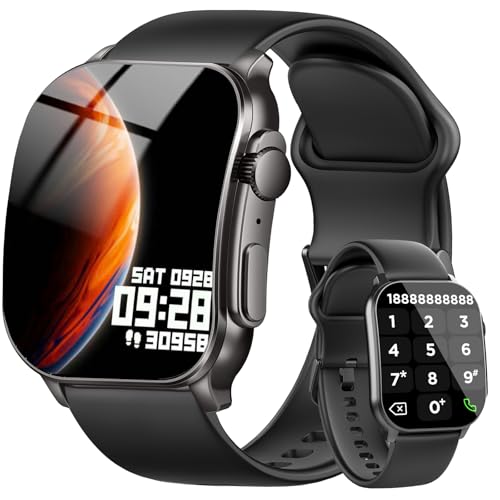
Smart Watch for Men 2.01-Inch Curved AMOLED

Fitpolo 1.3-Inch AMOLED Smartwatch for Men and Women Heart Rate

CooSpo HW807 Heart Rate Monitor Armband Bluetooth 5.0 ANT+ HR Zones

CooSpo HW9 Optical Heart Rate Monitor Armband Bluetooth 5.0 ANT+ HR Zones
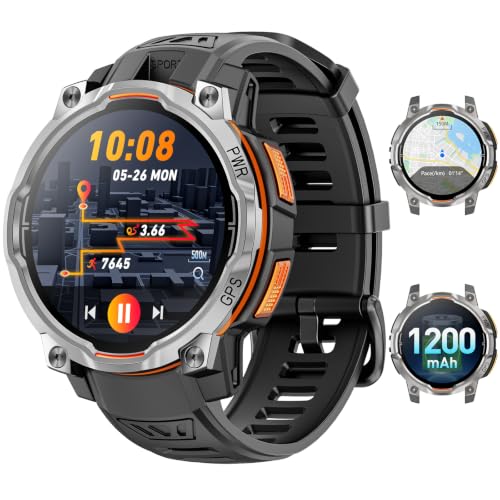
Mingdaln 1.46-Inch Military GPS Smartwatch
More On The Choices That Made The List
The FITVII Slim Fitness Tracker suits people who want one wrist device for heart rate, sleep, activity, and notifications without a bulky outdoor profile. Its 1.47-inch HD touch screen keeps basic figures visible, while the companion app provides daily, weekly, and monthly sleep charts.
Compared with the CooSpopo armbands, this model reaches farther beyond exercise by adding calls, messages, reminders, customizable faces, and a 100+ dial library. You’ll find it most useful for ordinary routines spanning work, sleep, walks, and gym sessions.
The Case For It
- Tracks heart rate, blood oxygen, sleep patterns, steps, distance, and speed from one slim device.
- Supports running, cycling, yoga, climbing, basketball, walking, and elliptical activity modes.
- Call, text, and app notifications reduce the need to reach for your phone.
- Water, movement, cycle, weather, and alarm reminders support daily organization.
- The FitCloudPro app works with Android 7.0 and iOS 13.0 or later without a monthly subscription fee.
Things To Consider
- The watch does not connect directly to a PC or tablet, so phone support is essential.
- Its 1.47-inch screen offers less visual space than the 2.01-inch curved display on the Poounur watch.
Feature Snapshot
Who It Suits Best
This tracker fits casual exercisers and busy adults who want heart rate, sleep, calls, and activity data in a slim daily watch.
A Better Fit Elsewhere
Connected-training fans may prefer the CooSpo Armband Heart Rate Monitor for its dedicated exercise sensor and broader app compatibility.
The Hwagol Military Smart Watch has a purposeful, rugged appearance, combining a titanium-colored bezel with a stainless steel back for a more substantial look than the FITVII tracker. Its 1.52-inch HD display keeps heart rate, sleep, steps, and incoming call information close at hand during a busy day.
That metal styling gives it a natural place on a work site, in the gym, or during weekends outdoors. Compared with the Fitpolo, the Hwagol emphasizes a military-inspired design and a larger display, though both models serve as general-purpose smartwatches.
Benefits That Matter
- Heart rate, sleep, and pedometer data cover the most common daily tracking needs.
- Call and message notifications keep you informed without removing the watch.
- The titanium-style bezel and steel back create a durable visual character.
- The 1.52-inch HD screen balances useful detail with a wearable footprint.
Small Caveats
- The rugged styling may feel oversized on smaller wrists, so check the dimensions against your usual watch size.
- Custom watch-face options are less central to the proposition than on the FITVII tracker.
Made For
The Hwagol model suits active adults who favor a bold, industrial-looking watch with essential heart rate and activity tracking.
Consider Something Else When
People who prioritize swim and sweat resistance should examine the Fitpolo 1.3-Inch AMOLED Smartwatch instead.
The CooSpo Armband Heart Rate Monitor is built for workouts where you want a dedicated sensor rather than a watch full of unrelated features. Its optical sensor sends live heart rate, training-zone, and calorie information to compatible apps, making it a natural companion to indoor cycling, running, and connected gym equipment.
Unlike the FITVII and Hwagol watches, this armband concentrates on exercise data. Bluetooth and ANT+ give it more ways to connect with equipment, although your specific device and app need to support one of those wireless standards.
Key Advantages
- Continuous optical heart rate tracking keeps exercise data focused and accessible.
- Bluetooth 4.0 and ANT+ support work with a broad range of connected training platforms.
- Training zones and calorie estimates add context to a live workout stream.
- The IP67 rating indicates resistance to dust and temporary water exposure.
Worth Noting
- The rechargeable armband must be worn in the intended position for the optical sensor to read properly.
- App support should be checked against your exact phone, tablet, bike computer, or fitness platform.
Quick Facts
Best Suited To
This armband serves runners, cyclists, and connected-fitness users who want a focused heart rate sensor during training.
Swap It Out When
The FITVII Slim Fitness Tracker offers a better fit for people who need sleep trends, calls, and everyday reminders on the wrist.
The Smart Watch for Men 2.01-Inch Curved AMOLED puts visual design and wrist calls at the center of the experience. Its curved 2.01-inch AMOLED screen is larger than the FITVII and Fitpolo displays, giving watch faces, notifications, and menus a more prominent appearance.
Built-in Bluetooth calling lets you handle conversations from the wrist, which makes this model attractive for commuting or office wear. It’s the more style-focused option in this group, so heart-rate functionality deserves a careful check against your needs before you settle on it.
What Earns Its Place
- The 2.01-inch curved AMOLED creates a large, visually prominent display.
- Bluetooth calling adds convenient hands-free contact options.
- The broad screen makes notifications and customizable faces easier to view.
Practical Considerations
- A large curved case may feel bulky beneath a shirt cuff or during sleep.
- Confirm heart-rate tracking, phone compatibility, and water-resistance details in the listing for your particular use.
- Your phone remains necessary for full app setup and many connected features.
The Right Fit
This watch suits style-conscious adults who want large-screen visuals and Bluetooth calls more than a comprehensive fitness sensor.
Another Choice May Suit
The Fitpolo 1.3-Inch AMOLED Smartwatch is the stronger match for people who explicitly want heart rate, blood oxygen, sleep, and activity tracking.
The Fitpolo 1.3-Inch AMOLED Smartwatch balances everyday connectivity with useful fitness tracking in a compact format. Heart rate, blood oxygen, sleep, and activity information sit alongside Bluetooth calls, notifications, customizable faces, and an always-on display mode.
For mixed-use households, that combination may be more useful than choosing between a full smartwatch and a dedicated armband. The 3ATM water-resistance rating also makes it a sensible choice around sweat, rain, and routine household handling.
What Works In Its Favor
- Heart rate, blood oxygen, sleep, and activity data cover several parts of a daily wellness routine.
- Bluetooth calls reduce the need to handle every conversation on your phone.
- The AMOLED display supports an always-on mode and customizable watch faces.
- Android phone and iPhone compatibility makes the design useful across major mobile platforms.
Possible Compromises
- The 1.3-inch screen is smaller than the Poounur watch’s 2.01-inch curved display.
- 3ATM supports everyday water exposure, but it does not make the watch suitable for every water activity.
Feature Breakdown
Who Will Love This
The Fitpolo appeals to everyday exercisers who want calls, sleep insights, and basic health tracking in one understated watch.
Where Another Pick Shines
Serious interval trainers may prefer the CooSpo HW807 Heart Rate Monitor Armband for its color-coded zone feedback.
The CooSpo HW807 is built around a simple training signal: a color-coded LED tells you which heart rate zone you occupy without forcing you to stare at the screen. The stated monitoring range is ±1 BPM, and the optical sensor is designed to provide continuous readings during exercise.
That direct feedback makes the armband appealing for intervals, hills, and coached workouts where knowing your intensity matters. Compared with the HW9, the HW807 adds heart rate variability tracking, or HRV, a measure of the variation between successive heartbeats.
Strengths Worth Knowing
- The LED zone indicator gives quick intensity feedback during moving workouts.
- Bluetooth 5.0 and ANT+ support connection to phones, tablets, and compatible equipment.
- Heart rate, HRV, zones, and calorie data can be viewed in supported training apps.
- Compatibility extends to platforms such as Peloton, Polar, Wahoo, Strava, and DDP Yoga.
A Few Limitations
- The armband depends on a connected device to display most detailed training records.
- Supported app functions can vary, so check the current compatibility list for your platform.
Built With In Mind
The HW807 fits runners, cyclists, and interval trainees who want at-a-glance zone guidance without a smartwatch screen.
Reach For A Different Pick When
The CooSpo HW9 Optical Heart Rate Monitor Armband offers a more compact option for athletes who prefer minimal equipment.
The CooSpo HW9 keeps the training experience deliberately small by moving heart rate, zones, and calories to a connected app. A five-color LED shows your current zone, giving you the same glanceable feedback as a larger fitness watch while keeping the armband visually discreet.
Its optical sensor is stated to monitor within ±1 BPM and includes HRV tracking alongside live pulse data. Bluetooth 5.0 and ANT+ make it a versatile companion for cycling, running, and workouts in supported Peloton, Wahoo, and DDP Yoga environments.
Notable Upsides
- Five-color zone lighting communicates intensity without occupying a full display.
- Heart rate, HRV, zone, and calorie information support structured training analysis.
- Dual wireless connectivity offers flexibility across phones and fitness equipment.
- The small armband format works well when a watch would feel distracting.
Details To Watch
- You’ll need a compatible app or receiver to work with the recorded workout information.
- Platform compatibility should be confirmed before relying on a particular feature.
Quick Technical Notes
Made For
The HW9 suits performance-focused athletes who want meaningful training data in a small, screen-free armband.
Look Elsewhere When
Daily smartwatch users who want sleep trends, calls, and notifications will find more value in the FITVII Slim Fitness Tracker.
The Mingdaln 1.46-Inch Military GPS Smartwatch is aimed at hikers, trail runners, and cyclists who may lose cellular coverage. Downloaded offline maps let you consult routes without a constant phone connection, while GPS and a compass support navigation away from familiar streets.
Its 1200mAh battery capacity points toward outdoor practicality, although charging time and expected runtime depend on your settings and use. Compared with the CooSpo armbands, this watch offers navigation and route awareness rather than a narrowly focused heart-rate signal.
Everyday Advantages
- Offline maps remain useful in areas with weak or unavailable cellular service.
- GPS and compass support make it suited to hiking, climbing, and trail workouts.
- The 1.46-inch display offers a practical middle ground between compact and large watches.
- The 1200mAh battery provides a substantial capacity for extended outings.
Things That May Matter
- Map downloads require planning ahead and adequate watch storage.
- Confirm heart-rate functions, phone compatibility, and water-resistance details before purchasing.
Feature Facts
Whose Shelf It Belongs On
The Mingdaln belongs with hikers, outdoor runners, and cyclists who value offline navigation alongside fitness tracking.
Not Your Match When
Home-gym users working primarily with connected equipment may prefer the CooSpo Armband Heart Rate Monitor for simpler connectivity.
What Matters Before You Choose a Heart Rate Watch
Start With Sensor Placement
Wrist-worn optical sensors read pulse through the skin using light. They are convenient for everyday wear, while armbands can feel more focused during exercise because they stay in a consistent position. Chest straps are another category entirely, and they may be worth considering for cycling or other activities where movement and wrist position vary.
Match the Data to Your Workout
Heart rate alone tells only part of the story. Heart rate variability, or HRV, describes variation between successive heartbeats, while training zones group your readings by intensity. Calories, distance, and sleep trends add context, but only the figures you regularly review will improve your routine.
Check Wireless Compatibility
Bluetooth is common, while ANT+ is a separate radio standard used by many sports sensors and cycling computers. Confirm that your phone, equipment, and fitness app support the same connection method. A watch can have attractive features that remain unavailable when your app or hardware is incompatible.
Consider Comfort and Practical Use
A slim watch may disappear more easily beneath a shirt cuff, while a larger curved display may be easier to read. Battery capacity, charging routine, watch size, and water resistance matter just as much as the sensor list. These devices support general wellness tracking, so consult an appropriate specialist doctor for medical evaluation of specific symptoms or concerns.
Two Details That Shape Your Decision
Mistakes Worth Dodging
Choosing by feature count can leave you with a device that records plenty of data but feels uncomfortable or does not connect to your preferred app. Check the fit, supported phones, and required wireless standards before ordering, and review the primary data rather than every menu option.
What Separates Premium From Basic
Higher-tier devices often add larger or brighter displays, stronger navigation, more refined materials, and more involved app features. The extra spending is worthwhile when those additions directly support your workouts, such as offline maps for trail use or reliable zone feedback during intervals.
Frequently Asked Questions
Do I need a heart rate armband or smartwatch?
A smartwatch works well for daily tracking, calls, sleep, and notifications, while an armband offers a more focused exercise sensor. Choose based on whether you want one device for everything or a streamlined tool for training.
Can these devices work with Peloton and Strava?
Several CooSpo armbands support connected platforms including Peloton and Strava. Check the current compatibility list for your specific model, phone, and app version before purchasing.
What is heart rate variability?
Heart rate variability measures the time between successive heartbeats, giving context about how your pulse changes over a period. It is one data point among several rather than a standalone assessment of your health.
Are consumer heart rate readings suitable for medical evaluation?
Consumer wearables are intended for general wellness and fitness tracking, not medical diagnosis. An appropriate specialist doctor should evaluate medical concerns rather than relying on a watch display alone.
Which option works best for outdoor exercise?
The Mingdaln 1.46-Inch Military GPS Smartwatch leads the group for offline navigation. For connected indoor cycling or running, a CooSpo armband may be the more straightforward choice.
Final Verdict
Your best match depends on lifestyle: the FITVII handles broad daily tracking, the Fitpolo balances fitness with connectivity, and the CooSpo armbands serve focused workouts. Outdoor enthusiasts get more from the Mingdaln’s navigation features, while the Hwagol and Poounur watches prioritize wrist style and everyday communication. Start with the data you actually use, then check compatibility and comfort.
