

A heart-rate watch turns exercise into useful feedback you can review throughout the day. You might wear one to monitor a morning run, track recovery after strength training, or notice changes during a busy workweek. The right model depends on your phone, preferred features, wrist size, and how much you value battery life versus health and fitness tools.
A Side-By-Side Look

Apple Watch Series 7 GPS 45mm Blue Aluminum Case, Abyss Blue Band

Apple Watch Series 3 GPS 42mm Space Gray, Black Sport Band

Apple Watch Series 5 GPS 40mm

Apple Watch Series 6 GPS + Cellular 40mm

Apple Watch SE Gen 1 GPS 40mm Gold, Starlight Sport Band

Apple Watch Series 10 GPS 42mm
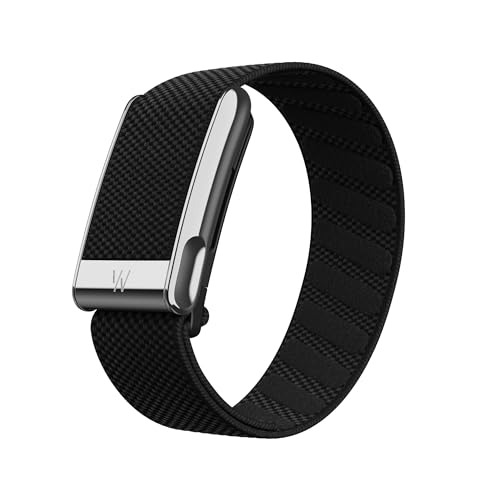
WHOOP 5.0/MG Activity Tracker, 12-Month Membership, 14+ Day Battery

Kuizil 40mm AMOLED Smartwatch
A Breakdown Of The Leading Choices
The 45mm Apple Watch Series 7 gives you a larger always-on screen without moving into the oversized end of the range. During a commute, the raised display face makes heart readings and notifications easier to glance at, while the blue aluminum case gives the everyday design a bit more distinction.
Its ECG app, blood oxygen sensor, irregular rhythm notifications, sleep tracking, and fall detection make it more than a workout monitor. You will need an iPhone 6s or later, and the 45mm size may feel substantial on smaller wrists.
Notable Upsides
- ECG and blood oxygen tools add useful daily context
- The always-on display reduces repeated wrist checks
- Workout and activity sensors support varied routines
- Faster charging helps between long training days
- Fall detection and Emergency SOS add useful safety features
Things To Consider
- The 45mm case suits medium-to-large wrists better
- Advanced features require a compatible iPhone
Feature Snapshot
Who Will Love This
You will appreciate this model most as an iPhone owner who wants health, fitness, and smartwatch functions in one wearable.
Another Choice May Suit
The Apple Watch Series 5 GPS 40mm fits smaller wrists and people who prioritize a compact case over the Series 7’s larger display.
Apple Watch Series 3 keeps the essentials pleasantly simple: an optical heart sensor, Retina display, GPS, and onboard storage for music, podcasts, and audiobooks. It works well for someone who wants basic heart and activity tracking during walks, gym sessions, or daily errands without paying for a densely featured newer model.
The honest limitation is age-related capability. Compared with the Series 7, it lacks the larger always-on display, ECG app, and blood oxygen sensor, so you receive fewer ways to examine health trends.
The Value In It
- The optical sensor handles everyday heart-rate monitoring
- Onboard media reduces phone dependence during workouts
Minor Gripes
- The Retina display is smaller and lacks an always-on mode
- No ECG or blood oxygen application is included
- Older hardware offers fewer features than newer Apple Watches
Made For
This watch fits budget-conscious iPhone users who mainly want heart rate, activity tracking, and basic smartwatch functions.
Look Elsewhere When
The Apple Watch SE Gen 1 GPS 40mm offers a faster processor, a larger display, fall detection, and Emergency SOS for a more modern everyday experience.
The 40mm Apple Watch Series 5 strikes a useful balance for smaller wrists. Its always-on Retina display shows more than the Series 3 at a glance, while the compact aluminum case remains less noticeable during desk work or sleep tracking.
Electrical and optical heart sensors support ECG use and heart-rate tracking, giving you more options than the Series 3. The built-in compass also adds orientation information for walks, hikes, and travel.
A Strong Showing
- The always-on screen improves quick heart-rate checks
- Electrical and optical sensors support ECG functionality
- The 40mm case balances display room and wrist comfort
Small Caveats
- The GPS-only design depends on your iPhone for some connections
- The Series 7 offers a larger screen and faster charging
Key Specs
Right Fit For
You will likely prefer this model if you want Apple health features in a relatively compact 40mm case.
Where A Sibling Pick Shines
The Apple Watch Series 6 GPS + Cellular 40mm is the stronger fit for workouts where leaving your phone behind is common.
Cellular connectivity is the defining advantage of the Apple Watch Series 6 GPS + Cellular 40mm. You can make calls, send texts, and navigate without carrying your iPhone, which makes it useful during long walks, outdoor sessions, or busy travel days.
The blood oxygen sensor and ECG app add health context, while the always-on Retina display becomes 2.5 times brighter outdoors. Compared with the GPS-only Series 5, you gain more independence from your phone but also take on a more complex device and service setup.
Practical Advantages
- Calls, texts, and directions work away from your iPhone
- Blood oxygen readings add another daily health signal
- The ECG app supports electrical heart-rhythm checks
- The brighter outdoor display improves direct sunlight visibility
Points To Note
- Cellular use requires suitable service and setup
- The 40mm case still has less screen room than the Series 10
Technical Highlights
Built With In Mind
You will get the most from this model if you regularly exercise or travel without your phone and value independent connectivity.
Reach For A Different Pick When
The Apple Watch Series 10 GPS 42mm better suits you if a larger screen, thinner case, and faster charging matter more than cellular independence.
The original Apple Watch SE focuses on the features many daily users actually need: heart-rate monitoring, activity tracking, fall detection, Emergency SOS, and a Retina display. Its processor is twice as fast as the Series 3, and the screen is 30% larger, so it delivers meaningful improvements over the older model.
For value-focused Apple users, that combination is appealing. The 40mm case is easier to wear than the 45mm Series 7, although the SE does not provide the ECG and blood oxygen applications found on the higher models.
The Upside
- Faster processing improves everyday responsiveness
- Fall detection and Emergency SOS add practical safety tools
Trade Offs
- No ECG or blood oxygen application is included
- Apple Watch functions require a compatible iPhone
Who Should Grab It
You should consider the SE when you want core Apple Watch health, safety, and fitness features without paying for every advanced sensor.
Consider Something Else When
The Apple Watch Series 5 GPS 40mm is a better fit when ECG functionality, a built-in compass, and an always-on display are priorities.
The 42mm Apple Watch Series 10 combines a larger viewing area with a thinner, lighter design. Up to 30% more screen area makes heart data and daily metrics easier to inspect, while the slimmer profile may feel more comfortable during sleep and extended wear.
Its health tools include ECG and blood oxygen applications, and faster charging reaches 80% in about 30 minutes. You still need a compatible iPhone, and the 42mm case is roomier than the compact alternatives in this list.
Advantages To Know
- The expanded display presents health data clearly
- ECG and blood oxygen applications broaden daily context
- Faster charging supports fuller use between sessions
Worth Bearing In Mind
- The 42mm case is not as compact as the 40mm models
- Advanced functions still depend on Apple device compatibility
Core Details
The Right Fit
This model suits you if display clarity, modern proportions, and Apple’s newer health applications justify choosing a higher-tier watch.
A Better Fit Elsewhere
The Apple Watch SE Gen 1 GPS 40mm is the more practical choice for smaller wrists and a restrained feature set.
WHOOP takes a different approach from general-purpose smartwatches by concentrating on training load, recovery, and sleep. During a demanding training week, its strain, heart-rate variability, sleep, and recovery information can help you see how hard your body has been working and how that relates to rest.
The 24/7 tracker, personalized coaching, and 14-plus-day battery life suit athletes who dislike frequent charging. The included 12-month membership makes the service part of the purchase decision, so review the membership terms before settling on it.
A Favorable Mix
- Heart rate and HRV support training-load analysis
- Sleep and recovery metrics fill in the training context
- Personalized coaching adds structured guidance
- Menstrual cycle insights support cycle-based planning
- The 14-plus-day battery suits extended routines
Possible Compromises
- The membership is central to the included experience
- Its fitness focus lacks some general smartwatch functions
Whose Shelf It Belongs On
You will get the most from WHOOP as a runner, triathlete, cyclist, or gym-focused person who values recovery data over traditional smartwatch apps.
Swap It Out When
The Apple Watch Series 6 GPS + Cellular 40mm is more suitable for users who need phone-free calls, navigation, and broader everyday apps.
The Kuizil 40mm AMOLED smartwatch serves Android users who want more control from a basic fitness wearable. Its touchscreen records heart rate, steps, calories, distance, and active time across more than 100 exercise modes, while a built-in speaker and microphone support calls through the connected phone.
The 466-by-466 AMOLED screen, customizable faces, and IP68 water-resistance rating make it practical for daily use and rain. Its fitness records are less specialized than WHOOP’s recovery system, so competitive athletes may find them too general.
Where It Helps
- Calls and message alerts work from the wrist
- More than 100 exercise modes cover varied routines
- The AMOLED display supports clear everyday interaction
Details To Watch
- Calls require connection with the FitCloudPro app
- The 40mm case may feel large on smaller wrists
- Tracking focuses on activity rather than detailed recovery
Quick Facts
Made For
This smartwatch fits Android users who want calls, flexible watch faces, and numerous activity modes in a compact device.
Not Your Match When
The Apple Watch Series 3 GPS 42mm is a better fit for iPhone users who prefer Apple’s established heart tracking and app integration.
What Matters Most in a Heart Rate Watch
The heart sensor and its context
A heart-rate sensor is useful during a walk, workout, or recovery period, but the surrounding information determines how much value you get. ECG tools, blood oxygen readings, sleep data, and recovery metrics can give heart-rate numbers more context. Consider how you will use those readings rather than focusing only on the number of sensors.
Phone compatibility and daily independence
Most smartwatches rely on a phone for setup, notifications, and many features. Apple Watches require a compatible iPhone, while the Kuizil model works through the FitCloudPro app with an Android phone. Cellular capability adds another layer of freedom, although it also introduces service and configuration considerations.
Fit, battery, and exercise habits
A case that feels comfortable at night is easier to wear consistently than one you remove after a few hours. Battery requirements depend on your routine: long-distance athletes may value a multi-day battery, while regular charging may be acceptable for a smartwatch-heavy user. Your activity mix should guide the choice, especially when comparing general tracking with detailed strain and recovery analysis.
Wearable readings can help you notice patterns, but they do not diagnose a heart condition. Discuss persistent symptoms or concerning changes with an appropriate specialist doctor rather than relying on a watch alone.
Avoiding Common Heart Rate Watch Traps
Mistakes Worth Dodging
Choosing by sensor count can distract you from the basics. Check phone compatibility, case size, battery behavior, and the specific tracking view you actually use. A watch with fewer features can work better when its measurements and controls match your routine.
What The Higher Tier Buys
Additional money may buy a brighter always-on display, cellular connectivity, ECG tools, blood oxygen features, a larger screen, or faster charging. Those additions are most worthwhile when they solve a daily frustration, such as carrying your phone on every run or struggling to read metrics in sunlight.
Frequently Asked Questions
Do heart rate watches work without a smartphone?
Most smartwatches use a phone for setup, notifications, and data syncing, even when the watch can display heart-rate readings independently. A cellular model can also handle calls and messages without your phone, subject to its connection and service setup.
What is HRV, and why do fitness watches track it?
Heart-rate variability, or HRV, measures the variation between successive heartbeats. Fitness watches use changes in this number alongside sleep, strain, and heart rate to estimate recovery after training.
Is an always-on display useful during exercise?
It is helpful for checking the time, activity progress, and heart rate without raising your wrist. Its usefulness depends on readability, display brightness, and battery life, which vary by model.
Can I use a heart rate watch while swimming?
The Apple models in this list are described as swimproof, and the Kuizil smartwatch has an IP68 water-resistance rating. You should still review the specific water-use guidance for your chosen model before swimming with it.
Which watch is best for a smaller wrist?
The Apple Watch Series 5 GPS 40mm, Apple Watch SE Gen 1 GPS 40mm, and Apple Watch Series 6 GPS + Cellular 40mm are the most compact options here. Your comfort may depend on band fit as much as case diameter, so compare the complete watch and band combination.
Final Verdict
The right heart rate watch depends on what you need it to become. Choose the compact Apple Watch SE for essential tracking, the Series 6 for phone-free connectivity, WHOOP for detailed training and recovery analysis, or the Kuizil model for a feature-rich Android alternative. Whichever route you take, prioritize comfort, compatibility, and the measurements you will genuinely review.
