

Freshness drives nearly 90% of U.S. egg buyers, so choosing reliably fresh whole eggs matters for taste and texture.
This guide highlights five top whole-egg options that balance organic practices, added omega-3s, clear cage-free sourcing, and larger sizes for baking. All picks come from trusted brands, making it simple to match eggs to recipes and values.
Keep eggs refrigerated and check grade and size to get consistent results and better flavor in every dish.
| 365 by Whole Foods Large Brown Grade A Eggs (12) |

| Everyday Essential | Brand: 365 by Whole Foods Market | Count: 12 count (1 dozen) | Grade: Grade A | VIEW LATEST PRICE | Read Our Analysis |
| 365 by Whole Foods Organic Large Brown Eggs (12) |
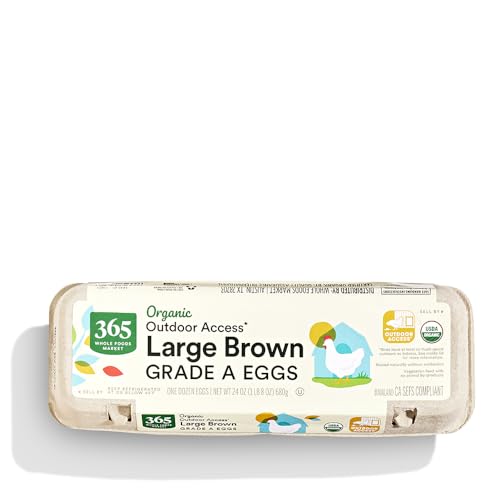
| Best Organic Pick | Brand: 365 by Whole Foods Market | Count: 12 count (1 dozen) | Grade: Grade A | VIEW LATEST PRICE | Read Our Analysis |
| 365 by Whole Foods Organic Omega-3 Large Brown Eggs |

| Heart-Healthy Choice | Brand: 365 by Whole Foods Market | Count: 12 count (1 dozen) | Grade: Grade A | VIEW LATEST PRICE | Read Our Analysis |
| 365 by Whole Foods Cage-Free Non-GMO Brown Eggs |

| Non-GMO Favorite | Brand: 365 by Whole Foods Market | Count: 12 count (1 dozen) | Grade: Grade A | VIEW LATEST PRICE | Read Our Analysis |
| 365 by Whole Foods Market Extra Large Brown Grade A Eggs 12 Count 12 CT |
| Biggest Yield | Brand: 365 by Whole Foods Market | Count: 12 count (1 dozen) | Grade: Grade A | VIEW LATEST PRICE | Read Our Analysis |
More Details on Our Top Picks
365 by Whole Foods Large Brown Grade A Eggs (12)
Should you want reliable, everyday eggs that feel both honest and cared for, 365 through Whole Foods Large Brown Grade A Eggs are a strong pick. You’ll notice their simple, wholesome identity right away. The hens eat no animal by-products and no antibiotics, so you can cook with more confidence. Farms meet Animal Welfare Standards for Laying Hens, and labels show Outdoor Access and Non-GMO, which ties welfare and ingredient care together. You can use this dozen for breakfast, baking, or weekday meals. The brand bans many additives, keeps sourcing thoughtful, and aims to make good choices easier for you.
- Brand:365 by Whole Foods Market
- Count:12 count (1 dozen)
- Grade:Grade A
- Hen diet / feed:No animal by-products; hens fed specified diet
- Antibiotics policy:Hens not given antibiotics
- Intended uses / quality positioning:Breakfast, baking, general cooking; pure and simple
- Additional Feature:Outdoor Access label
- Additional Feature:Bans 300+ ingredients
- Additional Feature:Sustainable agriculture commitment
365 by Whole Foods Organic Large Brown Eggs (12)
In case you want reliable, organic eggs that balance quality and price, 365 via Whole Foods Organic Large Brown Eggs are a solid pick for everyday cooking. You’ll like that the brand hunts for natural, high quality foods and limits unwanted additives. The eggs are organic, Grade A, large and brown, so they work for breakfast, baking, and simple dinners. Hens get outdoor access, higher welfare care, and feed without animal by-products or antibiotics. Shopping feels easier because the label standards are clear and the dozen is priced accessibly. You’ll get steady quality without guessing about sourcing.
- Brand:365 by Whole Foods Market
- Count:12 count (1 dozen)
- Grade:Grade A
- Hen diet / feed:No animal by-products; hens fed specified diet
- Antibiotics policy:Hens raised without antibiotics
- Intended uses / quality positioning:Breakfast, baking, general cooking; organic
- Additional Feature:USDA Organic certified
- Additional Feature:Outdoor Access specified
- Additional Feature:Affordably priced positioning
365 by Whole Foods Organic Omega-3 Large Brown Eggs
At the time you want reliably tasty, responsibly raised eggs that fit into everyday cooking and baking, 365 through Whole Foods Organic Omega-3 Large Brown Eggs are a great pick for conscious shoppers. You’ll like that they’re USDA Organic and meet Whole Foods Market animal welfare standards, so the hens live cage-free plus with perches and shelter. You can trust they’re raised naturally without antibiotics and fed vegetarian feed with no animal by-products. They’re praised for flavor and work well for breakfast, baking, and simple meals. That mix of quality and care makes them easy to choose whenever you want dependable, wholesome eggs.
- Brand:365 by Whole Foods Market
- Count:12 count (1 dozen)
- Grade:Grade A
- Hen diet / feed:Vegetarian feed; no animal by-products
- Antibiotics policy:Raised naturally without antibiotics
- Intended uses / quality positioning:Breakfast, baking, general cooking; best tasting, pure and simple
- Additional Feature:Omega-3 enriched
- Additional Feature:Cage-free with perches
- Additional Feature:Marketed as best-tasting
365 by Whole Foods Cage-Free Non-GMO Brown Eggs
In case you care about animal welfare and want reliable eggs for everyday cooking, 365 from Whole Foods Cage-Free Non-GMO Brown Eggs are a solid pick for home cooks who want simple, trustworthy ingredients. You’ll feel good aware hens are cage-free and raised on family farms. The hens eat vegetarian, Non-GMO Project verified feed with no animal-derived products, and they don’t get antibiotics. Because grains are grown naturally, the eggs taste clean in breakfast dishes, baking, and general cooking. You can rely on Whole Foods quality standards, get consistent performance, and enjoy steady, honest ingredients in your kitchen.
- Brand:365 by Whole Foods Market
- Count:12 count (1 dozen)
- Grade:Grade A
- Hen diet / feed:Vegetarian feed; Non-GMO feed; no animal by-products
- Antibiotics policy:Hens not given antibiotics
- Intended uses / quality positioning:Breakfast, baking, general cooking; meets quality standards
- Additional Feature:Non-GMO Project feed
- Additional Feature:Sourced from family farms
- Additional Feature:Extra Large size
365 by Whole Foods Market Extra Large Brown Grade A Eggs 12 Count 12 CT
Pick these 365 by Whole Foods Market Extra Large Brown Grade A Eggs should you want reliable, everyday eggs from hens raised cage-free and fed a vegetarian, Non-GMO diet. You’ll appreciate that farms follow Whole Foods Market animal welfare standards, so the hens live in better conditions. The Extra Large brown eggs work well for breakfast, baking, and simple dinners, and they taste pure and straightforward. Since feed has no animal by-products or antibiotics and meets Non-GMO Project standards, you can feel good about your choice. You’ll find consistent quality, clear labeling, and friendly price for everyday cooking.
- Brand:365 by Whole Foods Market
- Count:12 count (1 dozen)
- Grade:Grade A
- Hen diet / feed:Vegetarian diet; feed meets Non-GMO standards; no animal by-products
- Antibiotics policy:No antibiotics in feed
- Intended uses / quality positioning:Breakfast, baking, general cooking; pure, simple, best-tasting
- Additional Feature:Extra Large sizing emphasized
- Additional Feature:Produced on family farms
- Additional Feature:Described as best-tasting
Factors to Consider When Choosing Whole Eggs
Whenever you pick eggs, reflect about where the hens lived and what they ate because housing and feed shape flavor and nutrition. You’ll want to compare organic versus conventional labels alongside omega-3 fortification, and also check egg size and grade for how you’ll use them. These factors connect to each other, so balancing them together helps you choose eggs that fit your health needs and cooking plans.
Hen Housing Type
Although housing labels can feel confusing, you’ll find they tell a lot about how hens live and how eggs could taste and look. When you choose eggs, notice terms like cage-free, free-range, pasture-raised, and enriched. Cage-free hens move inside a barn but might never go outdoors. Free-range or outdoor access means hens get some outdoor time, though farms vary in how much and what quality space they offer. Pasture-raised hens roam on grass and forage, which often leads to different yolk color and fat profiles. Enriched or furnished-cage systems add perches and nest boxes inside a cage to improve welfare. Housing affects movement, nesting, and foraging, and those behaviors link directly to egg appearance and subtle taste differences you might prefer.
Feed And Nutrition
Because what hens eat shows up in their eggs, you’ll want to pay attention to feed and nutrition whenever choosing eggs you’ll feel good about eating. Look for eggs from hens fed flaxseed, chia, or algae supplements provided you want higher omega-3s. Provided yolk color matters, eggs from hens given marigold petals or leafy greens tend to have deeper, richer yolks with more lutein and zeaxanthin for eye health. Some producers add vitamin D to layer feed, which can enhance an egg’s vitamin D by hundreds of IU. Know that vegetarian or grain-based feeds change fatty acid and cholesterol profiles compared with feeds that include animal-derived ingredients. Labels mentioning antibiotics, non GMO, or organic feed affect perception and choices but don’t change calories, protein, or fat.
Organic Versus Conventional
Deciding between organic and conventional eggs can feel personal, so let’s analyze what each option really means for you and your family. Organic eggs come from hens fed USDA certified organic feed without synthetic pesticides, most synthetic fertilizers, or GMO ingredients. That matters should you worry about chemical residues and support farming that follows stricter feed rules. Organic standards also restrict routine antibiotics and require certain animal welfare practices, so you could feel better about hen conditions.
Conventional eggs come from hens that possibly eat non organic feed treated with pesticides or include GMOs. They’re usually cheaper and easier to find. Nutrient differences are small, so your choice often reflects values, budget, and access rather than big health changes.
Omega‑3 Enrichment
Want eggs that give you more of the good fats your body needs? Should you choose omega‑3 fortified eggs, you’ll get extra ALA and often some DHA and EPA because hens eat flaxseed, chia, or algae. Look for labels that tell you which omega‑3s and how much per egg, since DHA and EPA link more directly to heart and brain benefits than ALA. Typical fortified eggs contain about 100 to 500 mg total omega‑3s versus 30 to 80 mg in regular eggs, so they can make a real difference when you eat them regularly. Expect a modest change in yolk color and fat profile, but not in protein or how eggs cook. Plan serving size and frequency, because one or two eggs daily helps but might not meet everyone’s DHA and EPA needs.
Egg Size And Grade
Once you pick eggs, size and grade silently shape how your cooking turns out and how much you get for the money, so it’s worth paying a little attention. Size tells you weight per egg. Most U.S. recipes expect large eggs about 50 g each without shell. In case a recipe needs precision, weigh eggs or follow the size named. Two medium eggs often equal one large, and an extra-large can usually replace a large while slightly changing texture. Grade describes quality inside and out. Grade AA has thick whites and firm yolks. Grade A is a touch softer but fine for most uses. Grade B suits baking or processed foods where appearance matters less. Being aware of both helps you cook confidently and avoid surprises.
Animal Welfare Standards
Should you care about the animals behind your breakfast, look at the welfare standards on the carton before you buy. You want hens with room to move, perch, and nest, not cramped cages. Check whether the label says cage-free, enhanced cages, or free-range and record indoor and outdoor space numbers. Also look for rules about antibiotics, humane handling during catching and transport, and veterinary oversight. Certifications that require perches, nest boxes, and record-keeping on mortality and beak trimming tell you the farm tracks hen health. Finally prefer producers with third-party audits and clear farm sourcing so you can trust claims. Reading these details helps you pick eggs that match your values and comfort about animal care.
Non‑GMO Certification
Whenever you pick up a carton labeled non‑GMO, you’re really choosing the feed the hens ate, not a different kind of egg, and that matters provided you care about transparency and how ingredients are traced. You’ll want to check for trusted third party logos like Non‑GMO Project, since those show the feed supply chain was audited and tested. Certifications mean records were kept, ingredients traced, and occasional sampling confirmed compliance. That builds trust whenever sourcing matters to you. Keep in mind that non‑GMO refers only to feed, not to the egg itself, and it doesn’t automatically change nutrition. Should you value clear sourcing and routine audits, non‑GMO certification gives you the documentation and peace of mind you’re likely seeking.
Intended Culinary Use
You’ve thought about non-GMO labels and what they say about feed, and now it helps to contemplate how you actually plan to use the eggs in the kitchen. Should you bake soufflés, meringues, or angel food cake, pick very fresh eggs with firm whites and high protein so your foam holds and your rise is reliable. For mayonnaise or hollandaise, choose eggs with rich yolks that mix smoothly and provide lecithin for a steady emulsion. Whenever frying or poaching, go for large or extra-large eggs for creamier yolks and better presentation, and use very fresh eggs so whites stay compact. For easy peeling, select eggs that are a week to ten days old. In case nutrition matters, buy eggs from hens fed omega-3 and vitamin fortified diets.
