

A half-cup serving of either cooked bean delivers protein, dietary fiber, complex carbohydrates, iron, and potassium, though black beans remain firmer and earthier while pinto beans become softer, creamier fillings. Your recipe, portion, and toppings usually matter more than the small nutrient differences.
Here, you can compare cooked nutrition, blood sugar effects, gut health, cooking texture, canned options, and Chipotle choices before planning your next meal.
Shared Nutrition Creates a Close Starting Point
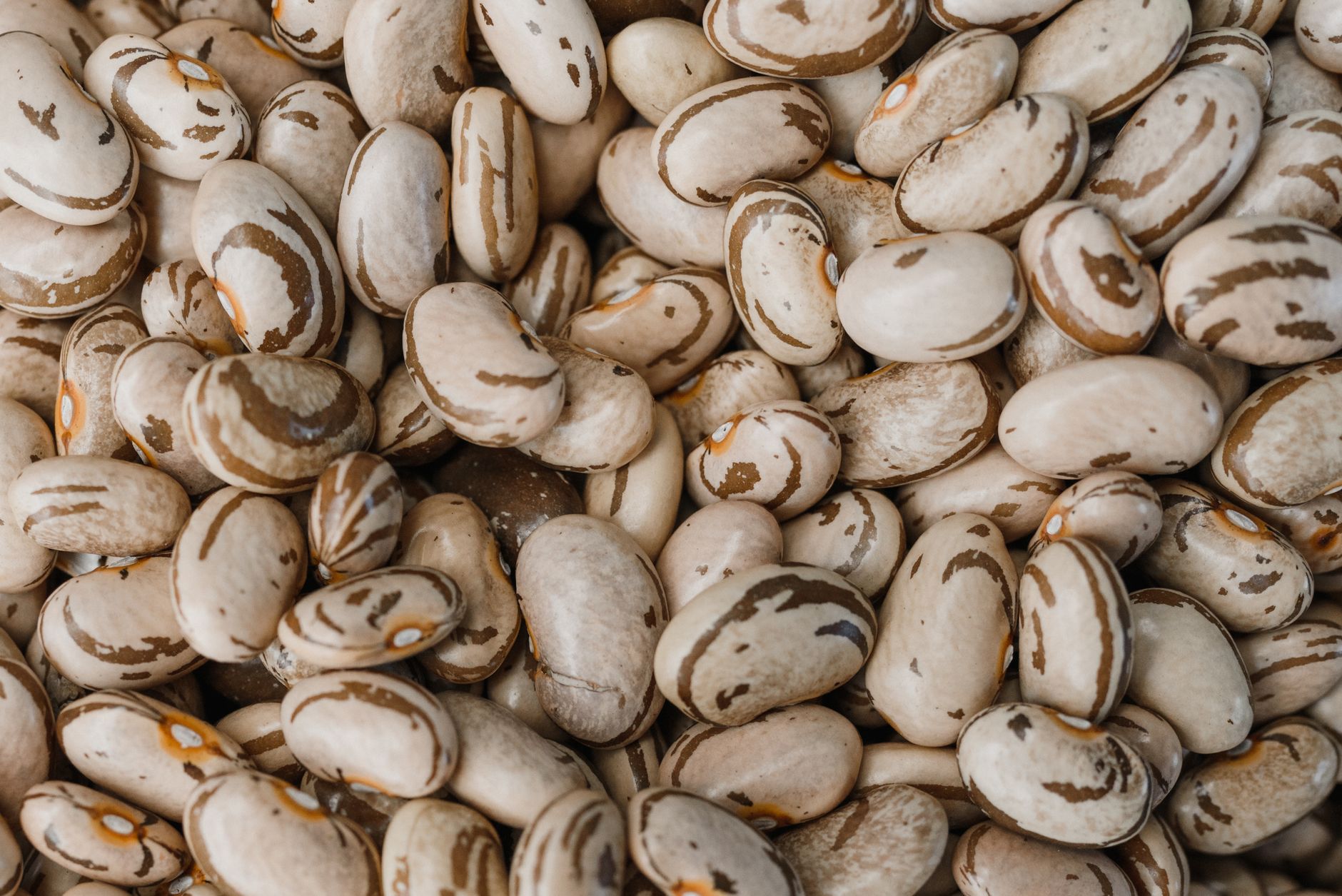
That narrow gap begins with the fact that both beans come from Phaseolus vulgaris, the common bean species that also includes kidney, navy, and cranberry beans. Black beans, also called black turtle beans, have dark skins and pale interiors. Pinto beans start with tan skins mottled in brown, then turn soft light brown during cooking.
Core nutrients support filling meals
A cooked cup of either variety provides plant-based protein, complex carbohydrates, dietary fiber, folate, iron, magnesium, potassium, and very little saturated fat. Black beans supply 15.2 grams of protein per cup, while pinto beans supply 15.4 grams. That combination can give your meal substance without relying heavily on butter, cheese, or processed meat.
Dietary fiber affects more than fullness. Soluble fiber forms a gel-like material in your digestive tract, while insoluble fiber adds structure to stool. Fermentable fibers reach the colon, where gut microbes produce short-chain fatty acids such as butyrate, so increasing bean portions gradually can make digestion more comfortable.
Meal context decides the healthier choice
Neither bean deserves a universal health crown. Black beans may fit your meal better when you want a firm texture or slightly more magnesium. Pintos may be the better match when a soft, mellow bean makes the dish more satisfying and reduces the need for rich sauces.
Rotating black beans, pintos, lentils, chickpeas, and split peas gives your pantry more flavors and slightly different nutrient profiles. Beans, peas, and lentils are recognized as nutrient-dense foods in the Dietary Guidelines for Americans. The small numerical differences become clearer once both varieties use the same cooked serving size.
With portions aligned, the remaining differences are easier to compare nutrient by nutrient.
Cooked Cup Data Shows Small Nutrient Differences
Because serving size changes the comparison, a dry bean, a canned bean in liquid, and a drained cooked bean should not be measured as equals. The table uses 1 cup of cooked, unsalted beans. USDA FoodData Central provides the underlying entries, which makes the calorie, protein, and fiber comparison more useful for your plate.
| Nutrient per cooked cup | Black beans | Pinto beans |
|---|---|---|
| Calories | 227 | 245 |
| Total carbohydrates | 40.8 g | 44.8 g |
| Protein | 15.2 g | 15.4 g |
| Dietary fiber | 15.0 g | 15.4 g |
| Total fat | 0.9 g | 1.1 g |
| Folate | 256 mcg | 294 mcg |
| Iron | 3.6 mg | 3.6 mg |
| Magnesium | 120 mg | 86 mg |
| Potassium | 611 mg | 746 mg |
| Sodium | 2 mg | 2 mg |
For black beans vs pinto beans nutrition, the 18-calorie difference per cooked cup is too small to drive your choice by itself. Pintos contain slightly more protein, fiber, folate, and potassium in these entries, while black beans contain more magnesium. Variety, growing conditions, cooking water, and database methods can shift food values.
Cheese, fried tortilla chips, fatty meats, oil-heavy sauces, and oversized rice portions can change a meal far more than an 18-calorie bean difference.
Dark skins add pigment without changing the basics
Black bean skins contain anthocyanins, the pigment family found in blue-purple foods such as blueberries. Anthocyanins show antioxidant activity in laboratory settings, but pigment alone does not make one bean superior. Your overall eating pattern matters more than treating dark color as a health ranking.
Those close numbers lead to a more practical concern: how beans affect fullness, blood sugar, and your digestion after a meal.
Beyond the label, those nutrients influence how satisfied and steady you feel after eating.
Fiber and Protein Shape Fullness and Blood Sugar
With the nutrition gap in perspective, both beans can support a steadier meal than refined starch alone. Protein and dietary fiber slow stomach emptying and add bulk, which may help your lunch feel satisfying longer. Sleep, activity, meal size, and the rest of your day still influence hunger later in the afternoon.
Intact bean structure slows digestion
Bean starch sits inside plant cell walls and alongside fiber, unlike the rapidly available starch in white rice or a flour tortilla. Some starch escapes digestion in the small intestine and reaches the colon, where gut microbes ferment it. That structure can soften the blood sugar rise after a meal, though your total carbohydrates still count.
Black beans and pintos both fit blood-sugar-conscious eating patterns. A cooked cup contains about 41 to 45 grams of carbohydrates, so portion size remains relevant for your plan. Beans are included among carbohydrate foods that also provide fiber and protein by the American Diabetes Association.
Plate balance matters more than bean color
A bowl with beans, roasted vegetables, avocado, grilled chicken, and brown rice produces a different glycemic response than a large burrito filled with refined rice, queso, sour cream, and salty toppings. The bean is only one part of that food matrix. Your portion of rice, tortilla size, and added fats can change the meal more than switching varieties.
- Center vegetables Add peppers, greens, cabbage, tomatoes, or squash so beans share the plate with high-volume foods.
- Measure the scoop Start with an amount that matches your hunger, then add more only when the meal needs extra substance.
- Pair protein thoughtfully Use eggs, fish, poultry, tofu, or plain yogurt to make your bean meal more substantial without processed meat.
- Choose intact grains Brown rice, corn, farro, and quinoa add more structure than a large serving of refined white rice.
- Watch salty extras Queso, cured meat, bottled sauces, and seasoned chips can raise sodium far above the beans themselves.
Legumes as a group are linked with fuller, fiber-rich meal patterns, but evidence does not show a large health gap between these two beans alone. Your medical needs may require individualized advice from a qualified health professional. Texture and flavor usually provide the next useful way to choose.
Physical qualities often settle the choice when nutrition and digestion offer no clear winner.
Texture and Flavor Separate Black Beans From Pintos
After nutrition, texture becomes the clearest difference on your fork. Black beans tend to remain intact after simmering, with a firmer bite and a skin that holds up in broth or dressed salads. Their earthy, slightly sweet flavor stands out beside rice, corn, lime, or chile.
Black beans keep their shape
A black bean salad stays visually distinct because the beans resist breaking under vinaigrette. That firmer texture suits grain bowls, tacos, burritos, soups, and Cuban-style rice preparations. You’ll notice the difference most in dishes where each spoonful needs contrast rather than a blended filling.
Acid affects cooking texture. Tomatoes, vinegar, and citrus can slow the softening of dried bean skins, so add acidic ingredients after the beans become tender. Canned beans are already cooked, which makes timing less important for your 15-minute skillet meal.
Pinto beans create a creamy base
Pintos become tender and creamy as starch granules absorb water and swell during simmering. Their mild, nutty flavor carries smoky and savory seasonings without competing with them. That soft texture explains why pintos work especially well in refried beans and Mexican cuisine.
| Cooking trait | Black beans | Pinto beans |
|---|---|---|
| Flavor | Earthy and mildly sweet | Mild and nutty |
| Cooked texture | Firm, intact beans | Soft, creamy beans |
| Strong use | Bowls, salads, brothier soups | Refried beans, dips, thick fillings |
| Visual effect | Dark contrast on the plate | Warm, blended appearance |
For black beans vs pinto beans taste, neither flavor wins in every recipe. Pintos give your dish a mellow, rich base, while black beans bring a more distinct bean presence. That trade-off becomes especially clear in tacos, chili, salads, and burritos.
That contrast matters most when each bean must support a dish’s particular ingredients and structure.
Recipe Needs Make the Choice Easier
Once texture is clear, the recipe can settle the decision quickly. A cold salad benefits from beans that stay separate under dressing, while a creamy filling benefits from beans willing to break apart. Start with the result you want on the plate rather than searching for a blanket verdict.
Specific dishes favor different textures
- Cold bean dishes Choose black beans for firm texture beside corn, bell peppers, scallions, citrus, and vinaigrette.
- Grain bowls Use black beans where dark color and shape stand out against rice, greens, salsa, and roasted vegetables.
- Refried beans Pick pintos because their creamy texture mashes into a smooth, rich spread with less effort.
- Thick chili Choose pintos for tender body, or add black beans for visible contrast and a sturdier bite.
- Brothy soups Add black beans where you want recognizable beans to remain visible in the broth.
- Soft fillings Select pintos for tacos and burritos where mashed beans help hold rice, vegetables, and protein together.
For chili, using both varieties gives your pot two textures without a second cooking method. Pintos soften into the tomato base, while black beans remain distinct beside ground turkey, squash, or beef. That combination works well when you want a thicker chili without losing visual contrast.
Burritos highlight the structural trade-off
Tortillas filled with rice, salsa, and beans depend on a filling that holds its shape. Black beans remain individual pieces, which suits a burrito with crisp cabbage, corn salsa, and rice. Pinto beans form a creamier layer that helps loose ingredients stay together after the first bite.
Seasoning follows the same pattern. Pintos pair naturally with cumin, smoked paprika, onion, garlic, and roasted peppers. Black beans work especially well with cumin, citrus juice, chiles, cilantro, and oregano. Preparation method matters next because sodium and digestion can outweigh a small texture preference.
Even the best pairing can change once rinsing, seasoning, and cooking enter the picture.
Preparation Changes Sodium and Digestive Comfort
Beyond the recipe, preparation can create a much larger difference than bean type. A can labeled black beans may contain far more sodium than a pot of plain pintos cooked at home. Restaurant beans may also include oil, broth, pork products, salt, or seasoning blends.
Dry and canned beans serve different needs
Dried beans give you control over salt, firmness, and seasoning, although they need soaking or a longer simmer. Overnight soaking can shorten cooking time, but it is not mandatory. A pressure cooker can bring soaked beans to tenderness much faster than a stovetop pot.
Canned beans fit a 15-minute meal and can be part of a healthy diet. Choose no-salt-added or lower-sodium cans where available. Drain and rinse standard canned beans under running water to remove surface brine before they reach your pan.
Salt belongs in the recipe rather than arriving unnoticed. Check your bean can and seasoning packet before adding more salt to the skillet.
Gradual portions can reduce gas
Gas can result from galacto-oligosaccharides, carbohydrates that human digestive enzymes do not fully break down in the small intestine. Colonic bacteria ferment them and produce gas as a normal byproduct. Your gut may adapt over time as beans become a regular part of meals, but tolerance differs.
- Start with smaller scoops Give your digestive system time to adjust before moving from a few tablespoons to a full cup.
- Drink enough fluids Fiber behaves differently without adequate fluid, especially during a sudden shift toward bean-heavy meals.
- Rinse canned beans Remove brine before cooking to lower sodium and wash away loose starch from the can.
- Soak dried beans Discard soaking water before adding fresh cooking water, based on your preference and routine.
- Track your response Keep portions modest around travel, demanding workdays, or meals where digestive comfort matters most.
Those preparation details also matter when you order at a restaurant, where the bean choice is only one part of a larger build.
Restaurant meals add layers of ingredients that can matter more than the beans themselves.
Chipotle Orders Depend on the Whole Meal
At Chipotle Mexican Grill, both black beans and pinto beans can fit a balanced order. Rice, tortillas, cheese, sour cream, queso, salsa, and portion size usually affect calories and sodium more than the bean selection. Your base and toppings deserve as much attention as the beans.
For Chipotle black beans vs pinto beans, choose black beans for an earthier flavor and firmer bite, or choose pintos for a softer profile. A burrito with rice, beans, cheese, queso, and a flour tortilla has a different calorie and sodium profile from a salad bowl with beans, fajita vegetables, salsa, and lettuce. Ask for ingredient details when your needs involve sodium, allergens, animal-derived ingredients, or a medical condition.
That full-build approach brings the comparison back to its most useful conclusion: the better bean is the one that works with your meal, appetite, and cooking plan.
Ultimately, personal preferences and meal context provide the most practical way to decide.
Bottom Line
The stronger option is the bean that fits the food in front of you and helps create a satisfying meal. Pick black beans for intact texture, dark color, and earthy flavor. Pick pintos for creamy body and a mild, nutty base.
With plain cooked beans, the nutrition gaps remain small: 18 calories separate the USDA FoodData Central entries for one cooked cup. Your portion, sodium level, toppings, and the rest of the plate carry more weight than declaring either variety superior.
FAQ
Which is healthier, black beans or pinto beans?
Neither bean is categorically healthier for every meal. Both provide protein, dietary fiber, folate, iron, magnesium, and potassium. Black beans fit meals where you want a firmer texture, while pintos suit creamy dishes. Your portion, added sodium, toppings, and overall eating pattern matter more than the small nutrient gaps.
Do black beans and pinto beans have different calories, protein, and fiber?
Yes, but the differences are small. One cooked cup of black beans has 227 calories, 15.2 grams of protein, and 15.0 grams of dietary fiber, while pinto beans have 245 calories, 15.4 grams of protein, and 15.4 grams of fiber. Your meal choice does not need to rest on those narrow gaps.
Which bean is better for gut health and blood sugar management?
Fiber, protein, and intact starch in either variety help steady blood sugar and nourish gut microbes. Gut microbes ferment some bean carbohydrates in the colon, while fiber and protein can slow digestion. Your serving size and meal pairing remain important because one cooked cup contains roughly 41 to 45 grams of carbohydrates.
Do pinto beans or black beans taste better?
Pinto beans have a mild, nutty flavor and creamy texture that suit refried beans, dips, and soft burrito fillings. Black beans taste earthier and slightly sweeter, with a firmer bite that suits salads, bowls, soups, and rice dishes. Your recipe gives each flavor a different advantage.
Which bean works best in tacos, burritos, chili, soups, and salads?
Black beans work especially well in salads, grain bowls, brothier soups, and tacos where you want intact beans. Pintos work best in refried beans, thick chili, and soft burrito fillings because they become creamy. For chili, you can combine both beans for a tender base and firmer contrast.
Are pinto or black beans healthier at Chipotle?
Both bean choices can fit a balanced Chipotle meal. Rice, tortillas, queso, cheese, sour cream, meat portions, and salty toppings tend to shape calories and sodium more than switching between the two beans. Your preferred flavor and texture are sensible deciding factors after you choose the rest of the order.
