

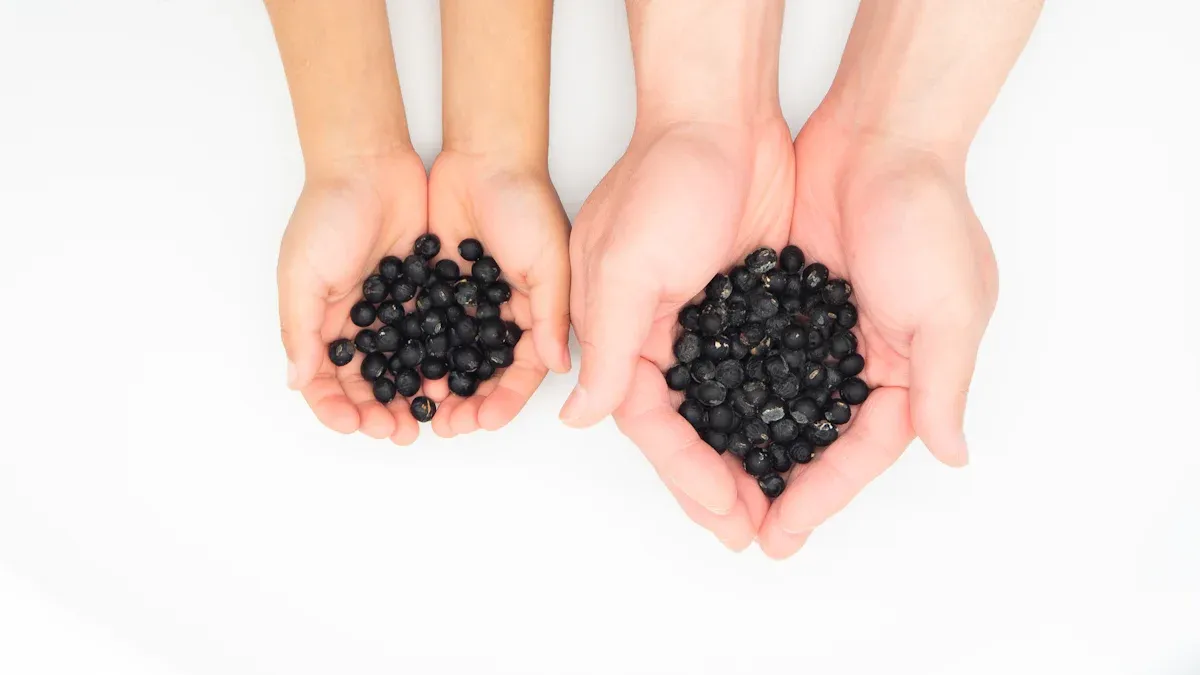
Ancient cultures revered black seed, often calling it “the cure for everything but death.” This powerful black seed, also known as Nigella Sativa, is gaining recognition in modern science. You will discover the many nigella sativa benefits this black seed offers. This blog explores the multifaceted benefits of black seed, focusing on its active compound, thymoquinone. We also provide a practical guide for using black seed. This blend of historical wisdom and current scientific validation makes black seed a compelling ally for your health. The black cumin market, for instance, was valued at USD 1.66 billion in 2024, projected to reach USD 3.70 billion by 2032. This growth highlights the growing importance of black seed for health.
Key Takeaways
Black seed, also called Nigella Sativa, has a long history of use. It offers many health benefits.
Thymoquinone is the main active part of black seed. It helps fight bad cells and calms swelling in the body.
Black seed helps your body in many ways. It supports your immune system, helps your breathing, and keeps your heart healthy.
You can use black seed as oil, seeds, or in extracts. You can eat it or put it on your skin and hair.
Always talk to a doctor before using black seed. It can affect some medicines and is not safe for everyone.
Nigella Sativa: History and Botany

Ancient Roots of Black Seed
Black seed has a rich and ancient history, offering many nigella sativa benefits. Its use dates back over 2500 years. Ancient Greek medical literature and Egyptian practices mention this powerful black seed. You can even find black seed in the tomb of Pharaoh Tutankhamun. The Old Testament, in the book of Isaiah, refers to Nigella sativa as ‘ketsah’. Hippocrates and Dioscorides called it ‘Melanthion’. They used it for headaches, flu, toothaches, and intestinal parasites. Ibn Sina, a famous physician, described its properties in ‘The Encyclopedia of Medicine’. He noted its ability to stimulate bodily energy. Prophet Muhammad stated, “There is healing in Black Seed for all diseases except death.” This shows the special place black seed holds in Islamic and Hebrew culture. Ancient Ayurvedic medicinal texts also call this black cumin ‘Kalonji’. Many traditional medicines, like Unani and Siddha, widely use black seed.
Botanical Profile
The Nigella sativa plant is quite distinctive. It has an erect, ribbed, and profusely branched stem, typically growing 27 to 60 cm tall. Its leaves are alternate and divided into three to nine lobes. The flowers are terminal, solitary, and star-shaped, measuring 2 to 2.5 cm in diameter. They are often light blue or white. The plant has five petalloid sepals and eight smaller petals. The fruit is a capsule, green when young, and turns brownish when ripe. These capsules hold the small, black seeds. These seeds have a rough appearance and a pleasant camphor smell with a slightly bitter taste. The plant also develops a well-developed yellow taproot.
Key Bioactive Compounds
While Thymoquinone is a crucial component, black seed contains many other powerful compounds. These include fixed oil, proteins, alkaloids, and saponins. The essential oil of black seed also contains Thymoquinone as a prominent constituent. These compounds work together to give black seed its many health properties. Scientific studies on nigella sativa continue to uncover how these compounds interact. When you use a black cumin seed extract, you get a concentrated dose of these beneficial substances. Many products, like black cumin seed extract, offer these compounds. Black cumin is truly a powerhouse of natural compounds.
Thymoquinone: Black Seed’s Key Compound
You now understand the rich history and botanical makeup of black seed. Let’s dive deeper into its most powerful component: Thymoquinone. This compound is the primary reason for many of black seed’s health benefits.
Thymoquinone’s Molecular Structure
Thymoquinone, often called TQ, is a natural compound. It gives black seed much of its therapeutic power. You can identify it by its specific chemical structure. Its molecular formula is C10H12O2. This formula tells you the exact number of carbon, hydrogen, and oxygen atoms it contains. Scientists also know it by a more detailed name.
Aspect | Detail |
|---|---|
Chemical Formula | C10H12O2 |
Preferred IUPAC Name | 2-Methyl-5-(propan-2-yl)cyclohexa-2,5-diene-1,4-dione |
This compound is chemically known as 2,5-Cyclohexadiene-1,4-dione, 2-methyl-5-(1-methylethyl)-. This complex name describes its precise arrangement of atoms.
Mechanisms of Action
Thymoquinone works in your body in many ways. It influences various cellular and molecular pathways. These actions lead to its wide range of health benefits.
Fights unhealthy cells: Thymoquinone can cause unhealthy cells to self-destruct. This process is called apoptosis. For example, in certain cancer cells, it creates reactive oxygen species (ROS). It also activates specific proteins like caspase 3 and caspase 8. It can increase p53 expression in breast cancer cells. This helps to stop their growth.
Stops cell spread: This compound can increase miR-34a expression. This action helps to stop unhealthy cells from moving to other parts of your body.
Regulates cell cycles: In liver cancer, it can stop the cell cycle. It also promotes cell death by affecting the Notch signaling pathway.
Calms inflammation: Thymoquinone is a powerful anti-inflammatory agent. It stops a key pathway called NF-κB. This pathway often triggers inflammation. It prevents the activation of NF-κB. This means it stops the release of many inflammatory chemicals in your body.
Reduces inflammatory markers: It decreases the release of nitric oxide (NO) and prostaglandin E2 (PGE2). These are substances that cause inflammation. It also lowers the expression of inflammatory genes. These include IL-6, TNF-α, iNOS, and COX-2.
Boosts protective enzymes: This compound helps your body produce protective enzymes. These enzymes fight damage and inflammation. It increases levels of glutathione (GSH) and glutathione-S-transferase enzyme alpha-3 (GSTA3).
Supports immune cells: Thymoquinone can improve the survival and activity of certain immune cells. These are called antigen-specific CD8-positive T cells. This helps your immune system fight off threats more effectively.
Blocks harmful signals: In multiple myeloma cells, it stops signals that attract these cells. It also makes them more sensitive to cell death.
Inflammation and oxidative stress are closely linked in your body. Oxidative stress can activate the NFκB pathway. This pathway controls many genes involved in inflammation. These genes produce pro-inflammatory cytokines and other harmful molecules. Thymoquinone’s antioxidant activity helps combat oxidative stress. By doing this, it indirectly stops NFκB activation. This reduces inflammation. You get significant antioxidant backing from this compound.
Scientific Evidence
Many studies, both in labs (in-vitro) and in living organisms (in-vivo), show the powerful effects of Thymoquinone. These studies highlight its anti-cancer and anti-inflammatory properties. Researchers have found that this compound works by:
Controlling reactive species: It selectively regulates reactive oxygen species (ROS).
Interfering with DNA: It can affect the structure of DNA in unhealthy cells.
Modulating signaling pathways: It changes how cells communicate and respond to signals.
Boosting immunity: It has immunomodulatory effects, meaning it helps balance your immune system.
Its ability to fight cancer comes from several actions. It causes unhealthy cells to die (apoptosis). It activates caspases, which are enzymes involved in cell death. It also reduces the activity of genes that promote cancer. It stops the NF-κB pathway, which can fuel tumor growth. Furthermore, it helps stop tumor cells from growing and spreading. In-vivo studies specifically show that Thymoquinone can induce apoptosis. It reduces tumor growth and stops cancer from spreading. This makes black seed a subject of intense scientific interest. You can find many products, like black cumin seed extract, that concentrate these beneficial compounds. Black cumin continues to show promise in scientific research.
Black Seed Benefits: Health Applications
Black seed offers many health benefits. Its powerful compounds support your body in various ways. You can find these benefits across many body systems.
Antioxidant and Anti-inflammatory Action
Black seed is a strong ally against damage and inflammation. It contains compounds that act as an antioxidant. Thymoquinone (TQ) boosts enzymes like catalase and superoxide dismutase (SOD). These enzymes protect your cells. Phenolic acids, like gallic acid, also scavenge harmful free radicals. This action helps protect your body from oxidative stress.
Black seed also excels at reducing inflammation. This makes it useful for many conditions. For example, a study showed that women with rheumatoid arthritis saw great improvement. Taking 500-mg black seed oil capsules twice daily for one month reduced their disease activity and symptoms. This shows black seed for inflammation can be very effective.
Black seed also helps with autoimmune conditions. If you have iron deficiency anemia with celiac disease, combining a gluten-free diet with 450 mg black seed oil capsules twice daily for a year works better than the diet alone. It improves blood markers and gut health. Similarly, for dermatitis herpetiformis, adding black seed oil capsules to your diet for six months boosts the diet’s effects. These examples highlight the anti-inflammatory role of black seed in chronic conditions. Reviews also confirm that black seed and thymoquinone offer many benefits for various inflammatory and autoimmune disorders. For skin conditions like psoriasis, black seed oil may help. A review found that using both oral and topical forms of black seed extract reduced psoriasis symptoms. This shows its inflammatory support for chronic skin issues.
Immune System Support
Black seed plays a vital role in supporting immunity. It helps balance your immune system. Black seed treatment can increase CD8 immunoreactivity in immune cells. Thymoquinone stimulates CD8+ T cells and boosts IF-γ production. This helps your body fight off threats. Black seed also increases IL-12 levels, which further promotes CD8 and IF-γ. It can increase TNF-α levels, which helps respond to infections. Black seed activates bone marrow and immune cells. It also increases interferon production. You will find it increases the number of antibody-generating B cells. This makes black seed a true immune bolster.
For conditions like asthma, which has a strong immune component, black seed shows promise. A study on asthma patients found that a boiled black seed extract significantly reduced asthma symptoms. Patients used fewer medications like beta-agonists and corticosteroids. This shows black seed has anti-inflammatory and anti-allergy potential. Thymoquinone in black cumin seed extract inhibits pro-inflammatory cytokines like TNF-alpha and interleukin-6. It also restores heme oxygenase-1 (HO-1), a powerful anti-inflammatory agent. Black seed extract also helps phagocytosis and improves antioxidant enzymes. This helps balance inflammatory processes and immune cell function.
Respiratory Health
Black seed offers significant benefits for your respiratory system. It can help with asthma. Research shows improvements in Asthma Control Test scores for both children and adults. Some data suggests it can open airways and improve lung function. This includes increased forced expiratory volume in 1 second (FEV1). Several clinical trials using black seed powder or oil showed improved symptoms and lung function in adults with asthma. One trial even showed a short bronchodilatory effect after a single dose. For COPD patients, black seed oil supplementation improved lung function. It also reduced inflammatory markers and increased antioxidants.
Black seed also helps with allergies like hay fever and allergic rhinitis. Black seed supplementation can reduce symptoms such as itching, sneezing, congestion, and runny nose. It helps with mild, moderate, and severe allergic rhinitis. Both oral and nasal applications show good results. Black seed has anti-inflammatory and immune-modulating effects. It may reduce histamine release. Studies on patients with allergic diseases showed a decrease in symptom severity. Topical black seed oil was very effective for allergic rhinitis. Many patients became symptom-free. Thymoquinone in black seed oil balances the immune system. It reduces inflammation and boosts proper immunity. Studies show it reduces inflammatory molecules involved in allergy symptoms. It also drastically decreases IgE antibodies in nasal secretions. You will see significant reductions in nasal congestion, itching, runny nose, and sneezing. A 2024 study showed a 41.5% reduction in nasal symptoms with black seed oil. This makes black seed for allergies a great natural option.
Digestive Wellness
Black seed has positive effects on your digestive system. It helps your stomach, pancreas, liver, and intestines. Its anti-inflammatory and antioxidant properties help prevent gastrointestinal disorders. They also ease related symptoms. However, some people report nausea and bloating after consuming black seed. You should start with small amounts to see how your body reacts. This supports overall digestion and gut health.
Cardiovascular Health
Black seed can support your heart and blood vessels. It helps regulate blood pressure. A study on ThymoQuin, a standardized black seed oil, showed significant results. Participants took 500 mg daily for 42 days. They saw an 11.2% decrease in systolic blood pressure and a 12.2% decrease in diastolic blood pressure. Another trial also investigated the blood pressure-lowering effect of black seed oil in healthy volunteers.
Black seed also improves your lipid profile. A review of many studies found that black seed supplementation significantly reduces total cholesterol, LDL-C (bad cholesterol), and triglyceride levels. It also increases HDL-C (good cholesterol) when you use black seed powder. These nigella sativa benefits contribute to better cardiovascular health.
Metabolic Regulation
Black seed is very helpful for metabolic health, especially for blood sugar control and weight management. Many studies show black seed for diabetes can make a difference. For type 2 diabetes patients, taking 2.5 mL of N. sativa oil twice daily for 3 months significantly lowered HbA1c, fasting blood glucose (FBG), and post-meal blood glucose (PPBG). It also reduced BMI. Other studies show that 2 gm of N. sativa daily for a year reduced FBG and HbA1c. It also improved insulin production and reduced insulin resistance. Even healthy males with metabolic syndrome saw lower FBG and lipids after taking 1.5 gm of black seed daily for 8 weeks. Black cumin seeds are important for treating diabetes. They enhance insulin production, glucose tolerance, and beta-cell proliferation. Black cumin seed oil can reduce HbA1c by increasing insulin production and decreasing insulin resistance.
Black seed also helps with weight management. It can inhibit enzymes that break down fat and carbohydrates. It promotes fat burning and increases brown adipose tissue. It also modulates genes involved in fat and glucose metabolism. Studies show that daily consumption of 2,000 mg of black seed oil for 8 weeks reduced appetite, waist circumference, body fat, and BMI in women. Another study found that 3 grams of black seed oil daily, combined with a low-calorie diet, led to greater reductions in body weight and belly fat. A meta-analysis showed that black seed supplements can modestly reduce belly fat, body weight, and BMI. Black cumin extract promotes fatty acid oxidation and suppresses fat creation. These actions help reduce fat content in cells.
Skin and Hair Health
Black seed offers great benefits for your skin and hair. For skin conditions, black seed oil can be very effective. A study on hand eczema showed significant improvement. Applying a cream with 2% black seed oil twice daily for four weeks reduced symptoms greatly. Reviews suggest black seed oil helps with eczema, psoriasis, acne, and warts due to its anti-inflammatory properties. This makes black seed oil for skin a valuable natural remedy.
For hair health, black seed oil can promote growth and reduce loss. A study on telogen effluvium showed that 70% of participants had better hair density and thickness after three months. This suggests the oil stimulates hair follicles.
Mechanism/Property | Description/Benefit |
|---|---|
Thymoquinone | Protects cells, regenerates follicles, combats oxidative stress |
Antibacterial & Antifungal | Fights dandruff, infections, supports healthy scalp |
Anti-inflammatory | Reduces scalp inflammation and irritation |
Essential Fatty Acids | Nourish follicles, strengthen strands, prevent breakage |
Improved Blood Circulation | Delivers nutrients and oxygen to follicles, stimulating growth |
Antioxidants | Counteract free radicals, prevent premature hair aging/loss |
Black seed oil can pause hair fall. One study showed a herbal oil blend with black seed oil completely stopped hair fall in 3 months. It boosts hair density and soothes scalp psoriasis. Black seed oil for hair can help with various conditions like androgenetic alopecia, alopecia areata, telogen effluvium, tinea capitis, and anagen effluvium.
Cognitive and Neurological Support
Black seed also supports your brain health. Thymoquinone shows antioxidant, anti-inflammatory, and neuroprotective properties. Lab studies show black seed extracts can reduce oxidative stress and neuroinflammation. They also protect against damage linked to Alzheimer’s disease. While human studies are limited, some trials suggest mild improvements in memory and cognitive function. Black cumin and its compounds show strong potential for protecting your brain. They offer a multi-target approach for conditions like Alzheimer’s. A clinical trial found that black seed (500 mg) twice daily for 9 weeks enhanced memory, attention, and cognition. It also decreased anxiety and stabilized mood.
Pain Management
Black seed has properties that help manage pain. It shows analgesic (pain-relieving) and anti-nociceptive (blocking pain signals) effects. Black seed extract improved hot plate response time in studies, showing pain relief. Thymoquinone significantly decreased paw licking time in the formalin test. This demonstrates its anti-nociceptive properties. The ethanolic fraction of black seed also showed anti-nociceptive effects. Black seed exhibited considerable anti-inflammatory and anti-nociceptive effects in animal models of paw edema. Oral black seed oil (BSO) reduced thermal and mechanical stimuli in pain tests. It also suppressed inflammatory nociception. Chronic use of BSO attenuated heat hyperalgesia and mechanical allodynia in models of neuropathic pain. Many studies confirm that N. sativa and its components, especially thymoquinone, have anti-nociceptive and anti-inflammatory properties.
Using Black Seed: Practical Guide

Forms of Black Seed: Oil, Seeds, and Extract
You can find black seed in several forms. These include whole seeds, black seed oil, and concentrated extracts. Each form offers unique ways to use this powerful plant. The amount of Thymoquinone (TQ), the main active compound, varies greatly. This depends on how the black seed is grown and processed. For example, supercritical fluid extraction can yield more TQ than cold press methods.
Product Type | TQ Concentration Range (mg/100g or mg/100mL) |
|---|---|
Black Seed Oil (general) | 3 to 809 mg/100g |
Bottled Oil Samples | 45.3 to 809 mg/100g |
Capsule Samples | 21.5 to 661 mg/100g |
Dosage and Usage Guidelines
Finding the right amount of black seed for you is important. For general health, a typical daily dose of black seed oil is 300 to 1,000 mg. You can take this once or twice a day. This amount is less than ¼ teaspoon of ground black cumin seeds. Your weight, age, and current health conditions can affect the best dose. Always talk to your doctor to find the correct dose for your personal use. You can also find black cumin seed extract in supplement form.
Culinary Uses
You can easily add black seed to your diet. Sprinkle whole black seed on bread, salads, or yogurt. You can also grind the seeds and mix them into smoothies or soups. Black seed oil can be drizzled over dishes after cooking. It adds a unique, slightly peppery flavor.
Topical Applications
Black seed oil is also great for your skin and hair. You can apply black seed oil directly to your skin to help with conditions like eczema. Massage it into your scalp to support hair health and growth. Always do a patch test first to check for any skin reactions.
Precautions and Side Effects
Black seed is generally safe for most people. However, some individuals may experience side effects. When you apply black seed oil to your skin, it might cause allergic rashes in some cases. If you are pregnant, taking black seed in amounts larger than food is likely unsafe. It can slow or stop uterine contractions. If you have bleeding disorders, black seed may slow blood clotting. This increases your risk of bleeding. Always be careful when using any new supplement.
Contraindications
Certain situations require you to avoid black seed.
Pregnancy: Avoid black seed in medicinal amounts. It can affect uterine contractions.
Bleeding Disorders: Black seed can slow blood clotting. This may worsen bleeding disorders.
Surgery: Stop using black seed at least two weeks before any surgery. It can affect blood clotting, blood sugar, and increase sleepiness.
Medication Interactions: Black seed can interact with many medications.
It might lower blood sugar too much with diabetes drugs.
It can reduce the effect of immunosuppressants.
It may increase bleeding risk with blood thinners.
It can lower blood pressure too much with antihypertensive drugs.
It might increase sleepiness with sedatives.
It can affect levels of cyclosporine, diuretics, and amlodipine.
Combining black seed with serotonergic drugs can lead to dangerously high serotonin levels.
Always consult your healthcare provider before starting any new black seed supplement, especially if you take other medications.
You have seen the profound and diverse benefits of black seed (nigella sativa). This powerful black seed, with its key compound thymoquinone, offers immense health support. It provides immune support and strong anti-inflammatory effects. Black seed bridges ancient wisdom and modern science. Consider adding black seed to your wellness routine, but always talk to a health professional. The future of black seed and black cumin in natural health looks promising. Black seed continues to show great benefits. Black cumin is a true ally for your well-being. This black seed offers much.
FAQ
Is black seed safe for everyone?
Black seed is generally safe for most people. However, you should avoid black seed if you are pregnant or have bleeding disorders. Always talk to your doctor before you start using black seed, especially if you take other medications.
How do I use black seed oil?
You can take black seed oil orally. A common dose is 300 to 1,000 mg, once or twice daily. You can also apply black seed oil directly to your skin or hair. Remember to do a patch test first.
What are the main benefits of black seed?
Black seed offers many benefits. It acts as an antioxidant and reduces inflammation. Black seed supports your immune system and helps with respiratory health. It also aids digestion, cardiovascular health, and metabolic regulation. Black seed is good for your skin and hair.
Can black seed help with allergies?
Yes, black seed can help with allergies. Studies show black seed reduces symptoms like sneezing and congestion. It balances your immune system and lowers inflammation. This makes black seed a good natural option for allergy relief.
What is the difference between black seed and black cumin?
Black seed is the common name for Nigella sativa. It is also known as black cumin. So, black seed and black cumin refer to the same plant. Both terms describe the powerful seeds and the beneficial black seed oil derived from them.