

Blue tansy essential oil substitute refers to an oil or small accord chosen for the specific role Tanacetum annuum played in your formula. German chamomile comes closest for a naturally blue, chamazulene-rich profile, while Roman chamomile, yarrow, lavender, and helichrysum each solve different scent or color needs.
You’ll compare scent, color, formula role, and topical limits so your diffuser or cosmetic blend keeps its intended character without treating different botanicals as interchangeable.
Blue Tansy Has a Distinct Botanical Identity and Aroma
Tanacetum annuum differs from garden tansy
The name on the bottle matters before you make any substitution. Blue tansy essential oil comes from Tanacetum annuum, a flowering plant associated with North Africa and the Mediterranean region. It differs from common garden tansy, Tanacetum vulgare, which has a separate chemical profile and different cautions.
Check for the Latin botanical name, plant part, and extraction method before adding an oil to your formula. A label that says only “tansy oil” leaves too much room for error, especially in a leave-on blend. That botanical distinction gives you a safer starting point for every replacement decision.
The blue shade forms during distillation
Fresh Tanacetum annuum does not look inky blue. Steam distillation creates the familiar shade as heat converts certain naturally occurring compounds into chamazulene. This dark blue sesquiterpene can also appear in batches of German chamomile and yarrow essential oil.
Chamazulene content varies by growing conditions, harvest timing, and distillation temperature. Your bottle may look deep sapphire, blue-green, or only faintly tinted, so color alone cannot confirm identity, quality, or topical suitability.
The aroma has no single-oil match
Blue tansy smells sweet, herbaceous, softly floral, and mildly camphoraceous, with a dry fruity undertone. In a diffuser, you may notice a crushed-herb opening followed by a cooler, faintly apple-like impression as the vapor develops.
No single oil duplicates its aroma, composition, color, and skin-use profile at the same time. Blue tansy appears in perfumery, room diffusion, and diluted cosmetic blends, while aromatherapy traditions describe sensory use rather than medical treatment. That overlap explains why your next step is identifying the formula role instead of chasing a bottle with a similar color.
Choosing by function, rather than appearance alone, makes a suitable replacement far easier to identify.
The Formula Role Determines the Best Replacement
Because blue tansy fills several jobs at once, the strongest substitute depends on the missing function. A formula may need a blue visual effect, a soft herbal heart note, a skin-focused aroma, or a calmer diffuser character. Treating those goals as identical can leave your finished blend sharp, muddy, or overly intense.
- Fragrance role: Build sweetness, herbs, and floral softness with two or three oils rather than expecting one bottle to recreate every facet.
- Blue appearance: Choose German chamomile when a chamazulene-associated blue tone matters more than an exact perfume effect.
- Skin formula: Review your finished leave-on dilution, carrier oil, and application area before changing any aromatic ingredient.
- Diffuser gap: Match vapor character because a room blend can tolerate a stronger herbal edge than a facial oil.
- Budget limit: Decide whether scent, color, or availability matters most before selecting a more accessible oil.
German chamomile is the practical first choice where blue color and chamazulene matter most. A scent-led blue tansy essential oil substitute usually needs an accord, since lavender, Roman chamomile, or helichrysum can restore notes that German chamomile does not provide alone.
Formula type changes the stakes. A 10 mL facial oil stays on your skin for hours, while a rinse-off wash has shorter contact time but may still change in scent or stability after an unplanned swap. Once you know the formula’s job and route of exposure, the leading alternatives become easier to compare.
That functional clarity reveals which options best address the particular color or aroma you need.
Leading Alternatives Solve Different Color and Scent Needs
With the formula role established, color quickly narrows the field. German chamomile and yarrow may appear blue to blue-green because their distilled profiles can contain chamazulene. Roman chamomile, Cape chamomile, lavender, and helichrysum are fragrance choices rather than visual matches.
| Oil | Closest role beside blue tansy | Color and chamazulene relevance | Use and sourcing notes |
|---|---|---|---|
| German chamomile Matricaria recutita | Warm herbal and medicinal-floral option for skin-focused blends | Blue color may occur; chamazulene is a key reason it fits | Works in carefully diluted topical formulas and diffusers; harvest availability varies |
| Roman chamomile Chamaemelum nobile | Soft floral stand-in for gentler diffuser or massage aromas | Pale yellow to greenish; not selected for a blue chamazulene profile | Apple-like facets can brighten a heavy herbal composition |
| Yarrow Achillea millefolium | Dry, green, sharp herbal direction | Some batches are blue from chamazulene, though shade varies | Its powerful aroma calls for restraint and supplier documentation |
| Cape chamomile Eriocephalus punctulatus | Floral-herbaceous softness for calm-feeling compositions | Not a blue-color or chamazulene match | Useful in diffusion and perfumery; sourcing may be less consistent than lavender |
| Lavender Lavandula angustifolia | Floral lift that rounds camphoraceous edges | Clear to pale liquid; no blue-color role | Accessible for blends, though its familiar scent can dominate a subtle formula |
| Helichrysum Helichrysum italicum | Warm hay-like and herbal depth | Yellow-green; not a visual match | Useful as a low-level supporting note; it can be costly and distinctive |
German chamomile essential oil is the closest match for a naturally blue, chamazulene-rich oil profile. It does not duplicate Tanacetum annuum, but it fills the color-led part of the brief with a related chemical marker. Your blend may smell earthier and more tea-like than the original.
Roman chamomile serves a separate purpose because it smells sweeter, fruitier, and more apple-like. Yarrow moves in the opposite direction with a greener and more bitter character. A blue bottle does not prove a close match, so check the botanical name and supplier safety document before relying on color. The contrast becomes clearest when you compare the two chamomile oils directly.
Among those options, chamomile varieties show how similar names can mask meaningful formulation differences.
Roman and German Chamomile Fill Separate Roles
Two chamomiles have distinct aromatic signatures
The shared name “chamomile” can hide major differences. Roman chamomile is Chamaemelum nobile, while German chamomile is Matricaria recutita. Neither plant is blue tansy, and their similar family ties do not make their oils chemically interchangeable.
Roman chamomile contains esters that create soft, sweet, apple-like floral notes. German chamomile has a different constituent profile, and steam distillation can form chamazulene from matricin-related precursors. That reaction explains why German chamomile can emerge blue even though the flower heads are not blue.
Roman chamomile favors soft diffuser blends
A Roman chamomile substitute for blue tansy works best where your blend needs a quiet floral-herbaceous middle rather than a blue hue. It pairs well with lavender, sweet orange, or cedarwood because its apple-like notes soften dry wood and medicinal edges.
For a bedtime room blend, Roman chamomile can bridge lavender and cedarwood without making the aroma feel sugary. The result will not smell like blue tansy, but your diffuser can retain the rounded, less severe mood that prompted its use.
German chamomile suits color-led formulas
German chamomile vs blue tansy is most useful as a comparison for cosmetic color and chamazulene content. German chamomile may fit a blue tansy replacement for skin care where a blue appearance and azulene-associated profile matter. Lavender can restore softness in small amounts if the blend becomes too earthy.
Tansy is not chamomile. Loose common names and shared herbal traditions can create confusion, but the oils differ in aroma, dilution considerations, pregnancy cautions, and sensitization potential. That same care applies to yarrow, which can provide blue color but changes the scent more sharply.
Beyond chamomile, yarrow and complementary oils can restore facets that a single substitute leaves behind.
Yarrow and Supporting Oils Rebuild Missing Scent Notes
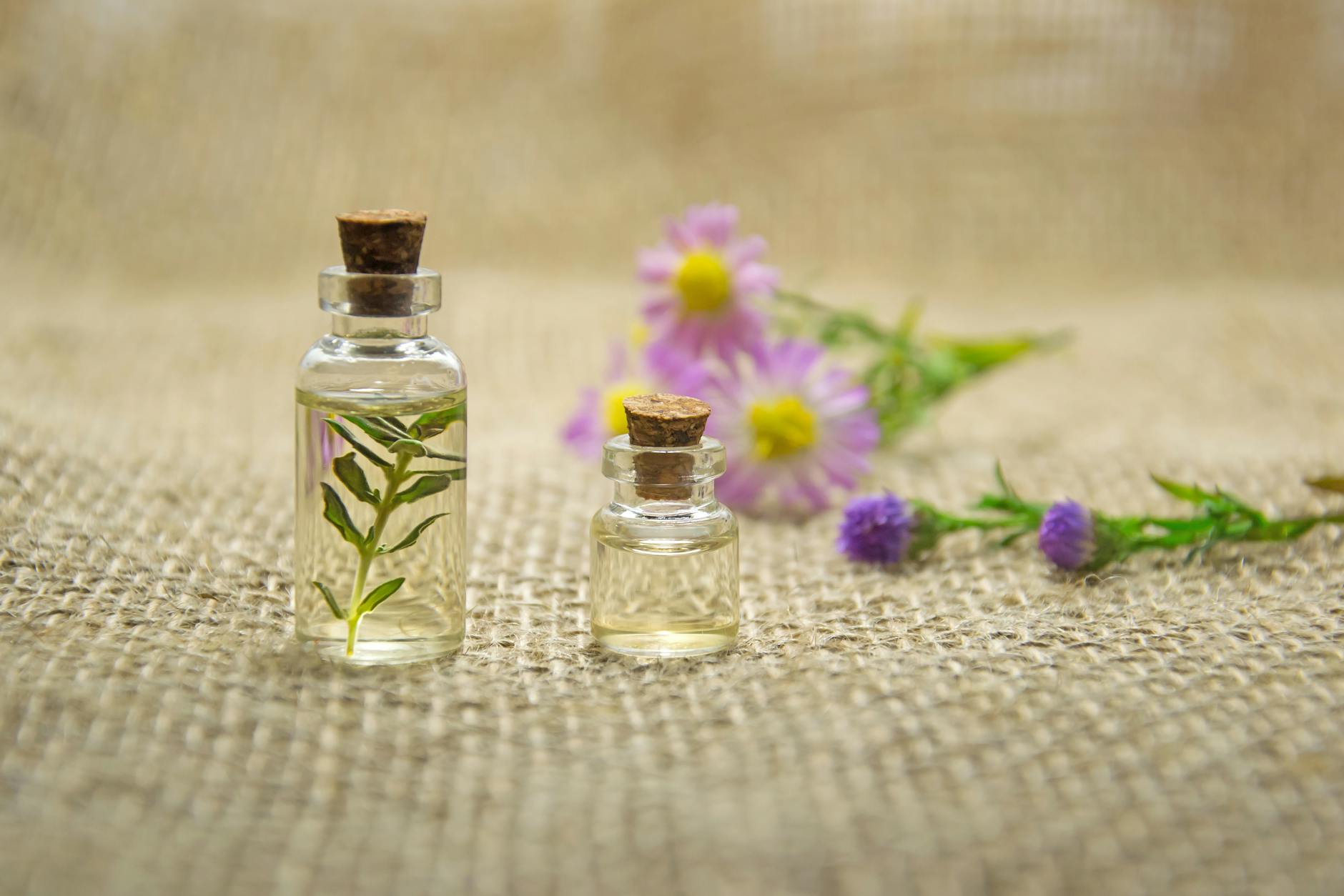
Yarrow adds blue color and green intensity
Yarrow essential oil from Achillea millefolium can bring a blue tint and dry herbaceous force to your blend. Its opening is sharper than blue tansy, with bitter, green, and mildly medicinal facets that can dominate a diffuser formula.
That profile can suit a forest-like or herb-garden composition. A floral facial oil is less forgiving because yarrow may pull attention away from the carrier oil, waxes, and mild aroma you intended to keep. Start lower than the original amount when yarrow replaces a softer note.
Supporting oils restore rounded aroma
Lavender softens a hard camphor-like angle with floral freshness. Helichrysum adds warm, dry depth that can resemble sun-warmed straw. Roman chamomile brings roundness and soft fruit, while German chamomile adds an earthier blue-herb note.
- German with lavender: This pairing suits a gentler cosmetic aroma where a blue tint remains part of your visual goal.
- Yarrow with Roman: This direction fits a blue-leaning herbaceous diffuser profile with a sweeter finish.
- Lavender with helichrysum: These oils fit formulas where blue color is irrelevant but dry herbal depth still matters.
- Roman with lavender: This softer pair works where your formula needs floral ease more than literal blue tansy character.
- German alone: A small test batch works where color and chamazulene matter more than an exact fragrance match.
Mugwort appears on some blue tansy oil alternatives lists because it can smell herbaceous and forceful. Yet mugwort and similar intense herbaceous oils can raise sourcing and safety concerns, including chemotype variation and constituents that may not suit certain uses.
Branded blends such as doTERRA Deep Blue or YarrowPom are not direct ingredient equivalents. They are finished proprietary compositions, so you need full ingredient disclosure and the intended route of use before any comparison has practical value. Once the scent direction is clear, the amount used becomes the next decision.
A clear scent target still requires careful adjustment of proportions to work in the finished blend.
Recipe Adjustments Matter More Than a One-to-One Swap
Forceful oils need a lower starting amount
One extra drop can noticeably change a 10 mL facial oil. Begin at about one-half to three-quarters of the original amount where yarrow takes blue tansy’s place, then smell your diluted formula after it rests for several hours.
That waiting period matters because volatile top notes rise first while heavier constituents reveal themselves more slowly in carrier oil. A fresh blend may smell bright and balanced, then turn bitter or medicinal the following day.
German chamomile can begin closer to equal parts
German chamomile may begin at a 1:1 ratio where the original dilution, scent balance, and intended use remain appropriate. That ratio is a starting point, not a universal rule. Supplier batches can vary in visible color and aroma under the same botanical name.
- Make a tiny trial: Prepare a small sample instead of changing the entire jar, bottle, or diffuser blend.
- Record each change: Note botanical names, batch details, drops, and the carrier base used in your sample.
- Rest the sample: Smell it after several hours and again the next day before adding another aromatic material.
- Check the color: View the blend against white paper because amber glass and dim light can hide a murky cast.
- Review the route: Keep room-diffusion testing separate from skin-contact testing because exposure and dilution differ.
A blue finished cream may need a cosmetic-grade color strategy rather than more essential oil. Loading a product with aromatic materials to force a stronger hue can distort the scent and raise total skin exposure. Those limits lead directly to topical safety and patch testing.
Those proportion changes also affect skin exposure, making each chosen oil’s safety profile essential.
Topical Safety Depends on the Actual Substitute
Finished concentration matters more than drop counting
“A few drops” is not a safety measurement. Aromatherapy dilution rates depend on finished volume, carrier oil, body area, amount applied, and whether the product stays on your skin or rinses away. Patch test a small prepared amount on a limited skin area before broader application.
Skin sensitization can develop after repeated exposure, even with oils that smelled comfortable in a diffuser. The International Fragrance Association publishes fragrance safety standards for commercial materials, while DIY formulas still need ingredient-specific review instead of assumptions based on a familiar plant name.
Personal circumstances change the choice
Pregnancy, breastfeeding, use around children, asthma, fragrance sensitivity, seizure history, medication use, and pet exposure all deserve product-specific caution. Your clinician or veterinary professional can help with questions related to health history, medications, or household animals.
Request a current supplier safety document for the exact botanical and, where relevant, chemotype. The Tisserand Institute provides recognized essential-oil safety education, and its core principle applies here: route, dose, and composition matter more than marketing language or bottle color.
The selection rule stays practical
Choose German chamomile for the closest blue-and-chamazulene role. Select Roman chamomile for a softer aromatic role. Reserve yarrow for formulas where its greener, sharper character suits your intended result, and use lavender or helichrysum as supporting notes rather than presumed duplicates.
A blue tansy essential oil substitute should fit the finished formula, not a broad promise attached to an oil. That discipline protects the scent you want while respecting the exposure limits the finished product requires. With those tradeoffs clear, the key distinctions are easier to keep in view.
Practical selection comes down to balancing the desired aroma, appearance, and safe use conditions.
Key Points for Choosing a Substitute
Blue tansy is difficult to copy because its value sits in several places at once: a blue distillate, a sweet herbaceous aroma, and a distinct botanical profile. German chamomile fits color-led work, Roman chamomile fits soft floral diffusion, and yarrow fits sharper herbaceous compositions that can carry a stronger presence.
Your best result comes from selecting the missing function before selecting an oil. A blue tansy diffuser substitute can prioritize vapor character, while a leave-on facial formula requires closer attention to dilution, batch variation, and patch testing. Essential-oil blend substitutions work best as deliberate formula changes rather than automatic drop-for-drop swaps.
FAQ
What is the best substitute for blue tansy essential oil in a DIY blend?
For DIY blends requiring blue color and chamazulene, German chamomile is the strongest single choice. Roman chamomile is better for a soft apple-like floral note, while yarrow fits a greener, sharper herbal direction. A two-oil blend can match blue tansy’s layered scent more closely than one substitute.
Can German chamomile replace blue tansy essential oil at a 1:1 ratio?
German chamomile may begin at a 1:1 ratio after you review the full formula, route of use, and finished dilution. Its aroma can be earthier and more tea-like than blue tansy, so your final blend may need a small amount of lavender or Roman chamomile for softness.
What does blue tansy smell like, and which oils smell most similar?
Blue tansy smells sweet, herbaceous, softly floral, mildly camphoraceous, and faintly fruity. German chamomile shares the blue-herbal direction, Roman chamomile contributes soft apple-like floral notes, and lavender can soften camphoraceous edges. No single essential oil reproduces every part of the aroma.
Is blue tansy the same as Roman chamomile or German chamomile?
No. Blue tansy is Tanacetum annuum, Roman chamomile is Chamaemelum nobile, and German chamomile is Matricaria recutita. The three botanicals have different aromatic profiles, chemical compositions, and safety considerations, even though German chamomile can also produce a blue chamazulene-rich distillate.
Which substitute provides a similar naturally blue, chamazulene-rich oil profile?
Among naturally blue oils rich in chamazulene, German chamomile comes closest to this profile. Some yarrow essential oil batches also contain chamazulene and appear blue or blue-green, but yarrow smells drier, greener, and more bitter. Your supplier documentation matters because chamazulene levels vary by batch.
Can I use yarrow essential oil instead of blue tansy in skincare recipes?
With yarrow, a skincare recipe requires review of the finished dilution and the supplier’s safety information before use. Start at about one-half to three-quarters of the original amount because yarrow can dominate a 10 mL facial oil with a sharp herbal scent.
