

In the pot, brown lentils remain whole and firm, while hulled red lentils soften into a creamy base. Both come from Lens culinaris and provide protein, dietary fiber, iron, and folate, but their cooking time, texture, and shape retention make them better suited to different meals.
For your pantry, the useful comparison covers nutrition, taste, simmering behavior, recipe fit, and lentil substitutions that preserve the dish you planned to make.
Texture and Cooking Time Make the First Choice Clear
That pantry decision starts with the finished spoonful: whole brown lentils remain visible after simmering, while split red lentils lose their edges quickly. Brown lentils keep their seed coats, which slow water entry and help each lentil stay separate. Red lentils are hulled and split, so water reaches their starchy centers much faster.
Your recipe usually gives the answer before the pot is on the stove. A grain bowl, stuffed pepper, or brothy soup needs distinct lentils, while dal and creamy curries benefit from red lentils melting into the cooking liquid.
| Feature | Brown Lentils | Red Lentils |
|---|---|---|
| Form | Whole, skin-on lentils | Hulled, split lentils |
| Simmering time | 20 to 35 minutes | 15 to 25 minutes |
| Finished texture | Firm, tender, and distinct | Soft, creamy, and thick |
| Flavor | Mild with an earthy flavor | Mild and slightly sweet |
| Shape retention | Strong after simmering | Low after simmering |
| Useful dishes | Salads, soups, stews, and sides | Dal, curries, pureed soups, and sauces |
The red lentils vs brown lentils cooking time difference is usually 5 to 20 minutes, but the larger difference is what happens near the end of cooking. Brown lentils stay defined in salads and brothy meals. Red lentils thicken the pot, which leads naturally to the nutrition differences behind their processing.
Those texture differences reflect modest nutritional changes, especially in the fiber retained after processing.
Nutrition Stays Close While Fiber Can Differ
Cooked servings provide similar core nutrients
Although texture changes sharply, brown lentils vs red lentils nutrition remains broadly similar in equal cooked portions. Both provide plant-based protein, complex carbohydrates, dietary fiber, iron, folate, and potassium. FoodData Central lists cooked lentils as a source of these nutrients, though exact label figures vary with moisture, variety, brand, and serving size.
Your package label is more useful than a single universal number because one cooked cup can hold different amounts of water. Both colors supply comparable calories and protein per cooked serving. Brown lentils may provide more dietary fiber because their intact seed coats contribute insoluble fiber.
| Nutrient area | Brown Lentils | Red Lentils |
|---|---|---|
| Calories | Close range per cooked cup | Close range per cooked cup |
| Plant protein | Similar contribution | Similar contribution |
| Complex carbohydrates | Major energy source | Major energy source |
| Dietary fiber | May run higher from the seed coat | Can run lower after hulling |
| Iron and folate | Present in meaningful amounts | Present in meaningful amounts |
| Potassium | Present after cooking | Present after cooking |
Cooking adds water without removing protein
Protein remains in the pot after cooking. Heat denatures lentil proteins, meaning their folded structures open, but heat does not make the protein disappear. Water also moves into the lentils, so protein per cup appears lower than in dry lentils because the cooked cup contains much more moisture.
Neither color is automatically healthier for your plate. Brown lentils can suit meals where extra fiber and chew matter, while red lentils can make a smooth dish easier to eat and digest. Introduce larger portions gradually if lentils are new to your routine, since dietary fiber can change digestive comfort.
Those close nutrient profiles make processing the more practical distinction. The seed coat and split shape determine how quickly water enters each lentil and how the finished dish behaves.
Rather than major nutrient gaps, the way each lentil is prepared explains its cooking performance.
Processing Controls Speed, Flavor, and Shape Retention
Whole brown lentils absorb water more slowly
Because the seed coat remains in place, water needs more time to reach the starch-rich center. That barrier explains the typical 20- to 35-minute cooking time and the firm texture and shape retention brown lentils bring to stews.
Your brown lentils should be tender through the center but still separate from each other. Their mild, earthy flavor works especially well with bay leaf, cumin, celery, mushrooms, and browned onions because those ingredients deepen the dish without covering the lentils.
Split red lentils release starch into liquid
Red lentils soften fast because hulling removes the protective skin and splitting exposes more surface area. Their starch granules absorb water, swell, and release into the liquid, creating the creamy texture that gives dal, curries, and pureed soups their body.
Keep the pot at a gentle simmer rather than a hard boil. A rolling boil breaks red lentils apart faster and can make your soup or curry thicker before the centers become fully tender.
- Rinse thoroughly Rinse both colors under cool water until the runoff looks clearer and loose dust is gone.
- Measure the liquid Start with about 2 cups of liquid for 1 cup of brown lentils and 2 1/2 cups for red lentils.
- Check red early Taste red lentils around 15 minutes because their texture can change quickly during the final few minutes.
- Stir near finishing Stir red lentils more frequently late in cooking to keep released starch from settling on the pot base.
- Rest before serving Leave red-lentil dishes covered for 5 minutes because they continue absorbing liquid off heat.
Acidic ingredients such as tomatoes, vinegar, and lemon can slow softening. Add a large acidic portion after the lentils are nearly tender for a more predictable cooking time.
That starch behavior is why brown lentils vs red lentils taste different in practice, even though both begin with a mild flavor. The next choice is less about nutrition and more about whether your recipe needs clear structure or natural thickening.
Because that preparation shapes the final texture, the intended dish becomes the deciding factor.
Recipe Goals Determine the Best Uses for Each Lentil
Brown lentils hold their place in mixed dishes
For meals that need distinct ingredients, brown lentils are the stronger choice. A chilled salad with roasted squash, feta, and parsley needs lentils that stay separate after dressing. They also work well in meal-prep salads, stuffed peppers, rice bowls, and soups where vegetables, broth, and lentils should remain visible as separate parts.
Salt can go into the pot from the start for either variety. The old claim that salt always toughens legumes is too broad; mineral-heavy hard water and acidic ingredients usually have a stronger effect on tenderness than a modest amount of salt.
Red lentils build creamy sauces and soups
For recipes that need a thick base, red lentils do the work without flour or cream. A curry with ginger, garlic, coconut milk, and tomatoes becomes fuller as the lentils break down. Their mild, slightly sweet flavor also suits carrot soup, tomato sauce, and a smooth puree beneath roasted vegetables.
Your best uses for brown and red lentils become clear from the expected texture. Choose brown lentils where individual pieces matter, and choose red where the lentils should merge into the surrounding liquid. Neither variety needs soaking for everyday stovetop cooking, although a thorough rinse remains worthwhile.
Once the intended texture is settled, lentil substitutions become easier to predict. A swap can work well, but only when the recipe can handle the new cooking speed and starch level.
Once the desired result is clear, successful swaps depend on matching texture and cooking behavior.
Lentil Substitutions Work Only in Compatible Dishes
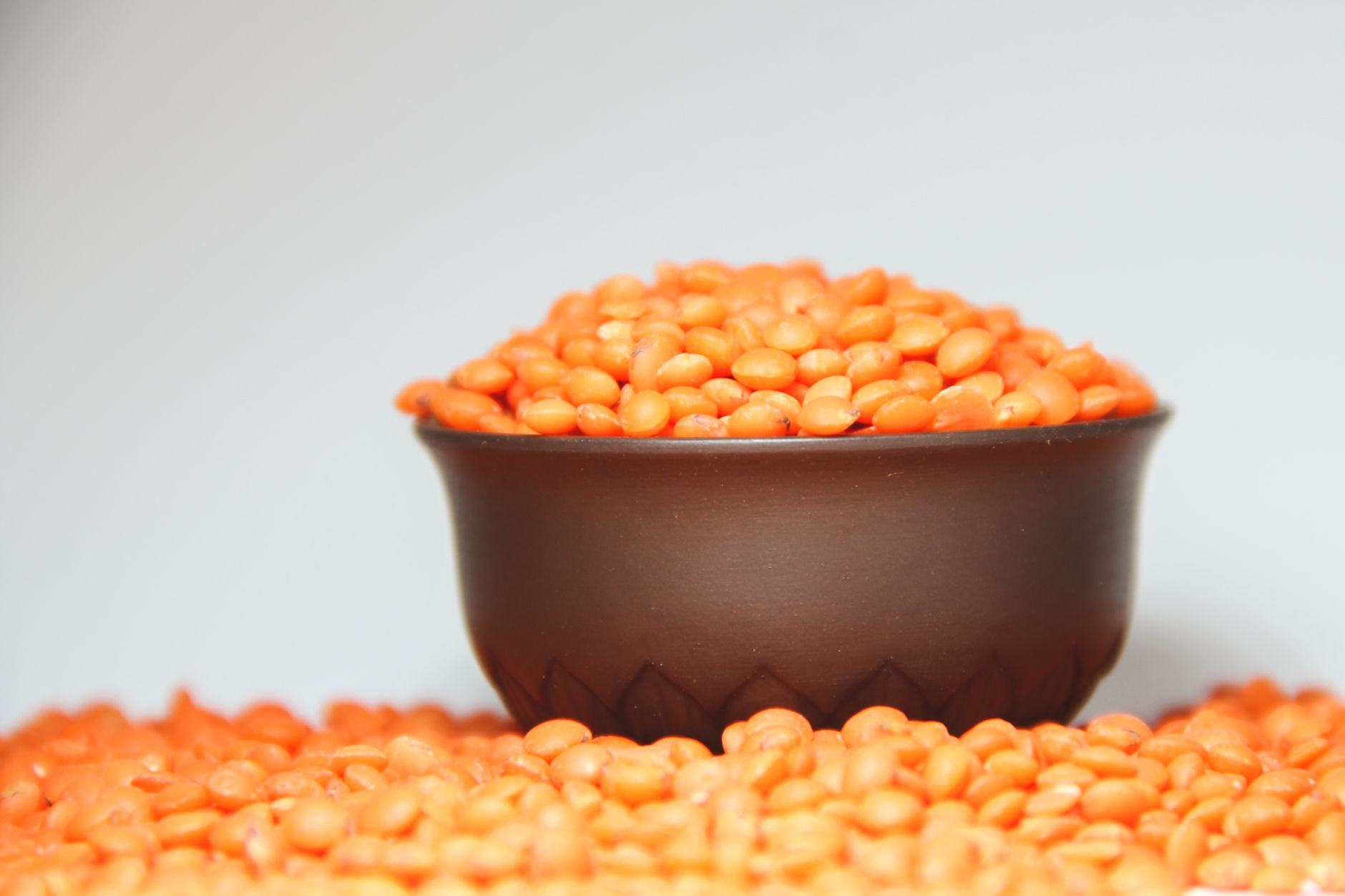
Red lentils change clear or structured recipes
Red lentils cannot directly replace brown lentils in every recipe. They release starch and lose their shape, so a clear broth can become cloudy and thick. A salad can also turn soft before it reaches the table.
You can use red lentils in pureed soups, dal, thick curries, and sauces where their creamy texture helps the recipe. Start with less liquid than a brown-lentil recipe specifies, or hold back part of the broth until you see how quickly the pot thickens.
Brown lentils create a firmer version of soft dishes
Brown lentils can replace red lentils where a firmer bite is welcome, but they need more simmering time. A curry intended to be smooth becomes more stew-like because whole brown lentils do not dissolve into the sauce in the same way.
Skip a red-for-brown swap in recipes where the original structure matters:
- Dressed salads Red lentils soften under vinaigrette and lose the tidy texture the bowl needs.
- Brothy soups Released red-lentil starch turns a clear broth into a thicker, cloudier liquid.
- Visible lentil burgers A coarse patty loses its nubby structure once split lentils collapse.
- Stuffed vegetables Soft red lentils can make a rice-and-lentil filling pasty during baking.
For a red-lentil sauce, keep a measuring cup of hot broth nearby. The pot may need a small splash near the end, but adding all the liquid at once makes thickness harder to control.
Those limits also explain why firmer green and black varieties can be useful alternatives. They offer more structure than standard brown lentils without behaving like split red lentils.
For recipes that need even more bite, other whole lentil varieties expand the options.
Green and Black Lentils Provide Firmer Alternatives
French green and pardina lentils stay intact
For a stronger bite, French green lentils offer a pepperier flavor than standard brown lentils. They are sometimes sold as Lentilles du Puy, and their skins hold up in warm salads with shallots and mustard vinaigrette. Your finished salad stays more defined after tossing because the lentils resist splitting.
Pardina lentils are small brown lentils from Spain that also retain their form well. Their cooking time can run longer than ordinary brown lentils, so taste one before draining rather than relying on the clock alone.
Black Beluga lentils add compact structure
Black Beluga lentils are small, dark lentils with a firm cooked texture and polished appearance. They suit composed salads, grain bowls, and side dishes where a distinct dark lentil gives the plate a more deliberate look.
Yellow and golden lentils behave more like red lentils because many are sold split and hulled. Choose red for speed and creaminess, brown for everyday flexibility, and green or black lentils where your dish needs the firmest finished texture.
With those alternatives in mind, the basic pantry decision remains straightforward. Your preferred texture should outweigh any search for one universally healthiest lentil color.
Ultimately, choosing among these varieties starts with the texture you want on the plate.
The Practical Choice Comes Down to the Finished Dish
A pantry does not need a single healthiest color. Choose whole brown lentils for earthy flavor, dietary fiber, and shape retention in salads, soups, curries, and grain bowls. Reach for split red lentils where your dish needs rapid cooking and natural thickening.
Brown lentils vs red lentils becomes an easy decision once you picture the final texture. A firm, separate lentil needs the seed coat intact. A creamy spoon-coating base needs the exposed starch of a split red lentil.
FAQ
Those texture and nutrition trade-offs answer the most common cooking questions. The details below can help you choose the right bag before you start measuring broth or planning a meal.
Are brown lentils healthier than red lentils?
In equal cooked servings, both varieties deliver similar nutrition, so neither is automatically the healthier choice. Both supply plant protein, complex carbohydrates, iron, folate, and potassium. Your brown lentils may bring somewhat more dietary fiber because their seed coats stay on, while red lentils may fit meals where a soft texture works better for you.
What is the nutritional difference between brown lentils and red lentils?
Equal cooked servings usually reveal only modest nutritional differences between the two varieties. Both provide protein, complex carbohydrates, iron, folate, potassium, and dietary fiber. Brown lentils may contain more fiber because their seed coats remain intact, while red lentils lose much of that outer layer during hulling.
How long do brown and red lentils take to cook?
Brown lentils usually take 20 to 35 minutes at a gentle simmer. Red lentils usually take 15 to 25 minutes, and you should start checking them around 15 minutes because they can shift from tender to very soft in a few minutes.
Can I substitute red lentils for brown lentils in a recipe?
You can swap red lentils for brown lentils in dal, creamy curries, pureed soups, and thick sauces. Your dish will cook faster and become thicker, so start with less liquid or add broth in small amounts. Skip that swap for salads, clear soups, or fillings needing distinct lentils.
Which recipes are best for brown lentils versus red lentils?
Brown lentils are best in salads, brothy soups, stuffed peppers, grain bowls, and stews because they stay distinct. Red lentils are best in dal, curries, pureed soups, and thick sauces because their starch creates a creamy body. Your target texture should decide the variety.
Which lentil color is the healthiest?
No single lentil color wins for every dietary need. You can choose brown, red, green, or black lentils based on texture, fiber preference, and recipe style. Whole varieties with intact skins may contain more fiber, while all common lentil colors contribute valuable nutrients to a varied eating pattern.
