

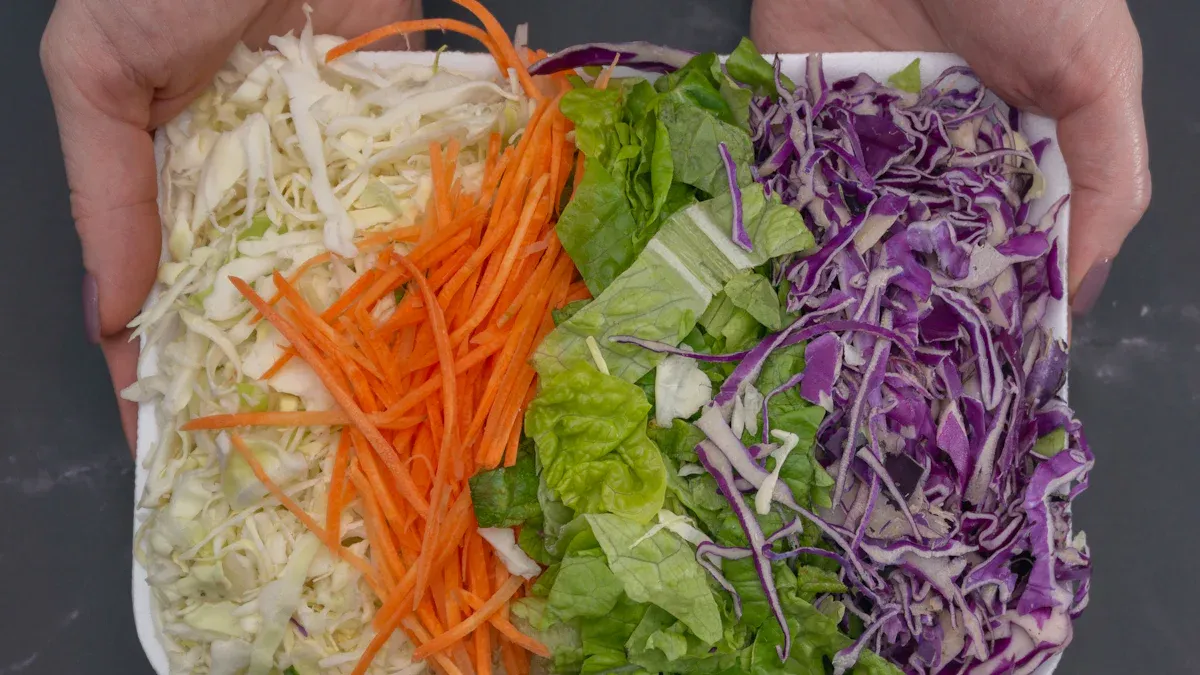
You might underestimate cabbage. This affordable vegetable is truly a superfood. It is packed with nutrients, making it a powerhouse for your health. Many countries already embrace its value. For example, people in Russia consume about 44 pounds of cabbage annually. Romanians eat around 57 kg, and South Koreans consume 46 kg each year. These numbers highlight the recognized health benefits of cabbage. Its amazing cabbage nutrition and versatility make it a staple food.
Key Takeaways
Cabbage is a low-calorie vegetable. It has many nutrients. These include fiber, vitamins, and minerals.
Cabbage helps your body in many ways. It supports digestion and boosts your immune system. It also helps your heart.
Cabbage has special compounds. These compounds fight inflammation. They may also help prevent cancer.
You can eat cabbage in many ways. You can eat it raw in salads. You can cook it in soups. You can also ferment it into sauerkraut.
Cabbage Nutrition: Essential Facts
Macronutrients: Calories, Carbs, Fiber, Protein
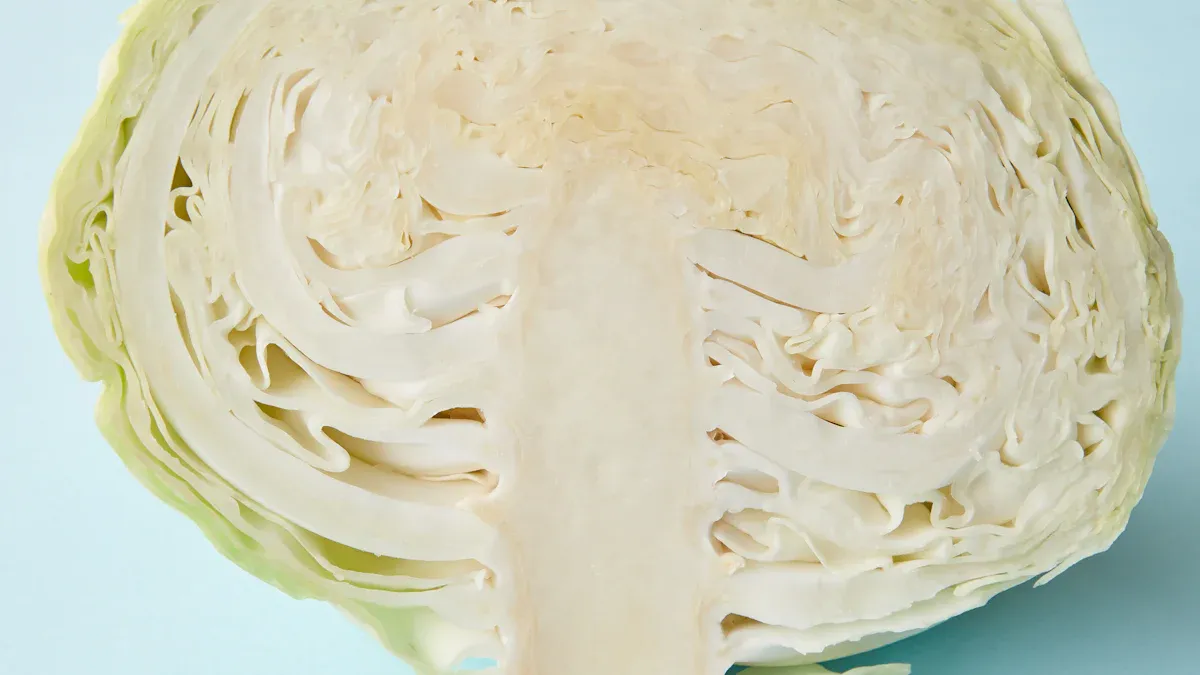
Cabbage is a low-calorie vegetable. It offers significant nutritional value. You get essential macronutrients from it. A 100-gram serving of raw green cabbage provides about 24 calories. It contains 5.58 grams of carbohydrates. You also get 2.3 grams of dietary fiber. It has 1.44 grams of protein. This makes cabbage a great choice for a healthy diet.
Constituent | Amount (per 100g) |
|---|---|
Calories | 24 |
Carbohydrates | 5.58g |
Dietary Fiber | 2.3g |
Protein | 1.44g |
You will find a good amount of insoluble fiber in cabbage. Raw cabbage contains about 1.12 grams of insoluble fiber per 100 grams. This type of fiber is crucial for your digestive health. It helps keep your bowel movements regular.
Key Vitamins & Minerals
Cabbage nutrition goes beyond macronutrients. It is packed with vitamins. You will find many essential vitamins in this vegetable. Half a cup of cooked cabbage gives you 31% of your Daily Value for Vitamin C. This vitamin helps your body heal cuts and wounds. It also supports your immune system.
Cabbage also provides other important vitamins. A 100-gram serving of raw green cabbage contains 0.13 mg of Vitamin B6. It also offers 518 µg of Folate (B9). You get 54 µg of Vitamin A, which is 1144 IU. Vitamin K is also present, which is vital for bone health.
You also get important minerals from cabbage. These minerals support many bodily functions. A 100-gram serving of raw green cabbage provides:
Nutrient | Value per 100g |
|---|---|
Potassium | 170.04 mg |
Manganese | 0.11 mg |
Copper | 0.02 mg |
Iron | 0.44 mg |
Calcium | 39.98 mg |
Magnesium | 12.00 mg |
These minerals contribute to your overall well-being.
Antioxidants & Phytochemicals
Cabbage is loaded with antioxidants and beneficial phytochemicals. These compounds protect your cells from damage. Glucosinolates are a key group of these compounds. Cabbage has a high diversity of glucosinolates. You will find 10 different types. PRO is a dominant glucosinolate, with 53.53 µmol·g−1. The total glucosinolate concentration can reach 105.58 µmol·g−1.
Glucosinolate Type | Concentration (µmol·g−1) |
|---|---|
PRO | 53.53 |
BRA | 3.13 |
NAS | 1.57 |
ERU | 1.06 |
SIN | 11.39 |
NAP | 1.46 |
GNA | 3.30 |
GBN | 5.40 |
GNT | 28.91 |
GSL | 0.07 |
GRA | 0.47 |
Total GSL | 105.58 |
Red cabbage is especially rich in anthocyanins. These are powerful antioxidants. They give red cabbage its vibrant color. Cyanidin-3-diglucoside-5-glucoside is a predominant anthocyanin. It makes up about 50.02% of the total anthocyanin content. You also find other forms like cyanidin-3-(sinapoyl)(sinapoyl)-diglucoside-5-glucoside.
Napa cabbage also offers excellent cabbage nutrition. It is low in calories and cholesterol. It is rich in B6, B9, C, K, copper, iron, calcium, manganese, antioxidants, and fiber. This variety of cabbage provides many health benefits.
Health Benefits of Cabbage
Cabbage offers many powerful health advantages. You can gain these benefits by including cabbage in your diet.
Digestive Health Support
Cabbage is rich in fiber. This fiber helps your digestive system work well. It contains insoluble fiber. This type of fiber promotes regular bowel movements. It also supports a healthy gut microbiome. Vegetables like cabbage provide diverse dietary fibers. These fibers act as prebiotics. They help beneficial gut bacteria grow and stay active. This variety of fiber feeds many different bacteria. This leads to increased microbial diversity.
Glucosinolates in cabbage also help. They support bacteria that detoxify harmful substances. Gut bacteria ferment these fibers. This produces short-chain fatty acids (SCFAs). Butyrate, acetate, and propionate are examples. These SCFAs are vital for gut health and immune function. Red cabbage juice can increase alpha diversity in your gut microbiome.
This means you have a higher number of different microbial species. The oligo- and polysaccharides in red cabbage juice change your gut microbiota. Red cabbage juice also restores butyric acid-producing bacteria. It increases beneficial bacteria like Firmicutes. It reduces Bacteroidetes. Cabbage’s fiber, both insoluble and soluble, feeds good gut bacteria. This leads to improved digestion and a more diverse microbiome.
Immune System Boost
Cabbage is a great source of Vitamin C. This vitamin significantly boosts your immune system. It helps your body fight off infections and illnesses. Eating cabbage regularly helps keep you healthy.
Anti-Inflammatory Effects
Cabbage has strong anti-inflammatory properties. Its antioxidants and glucosinolates contribute to this. Women who eat more cruciferous vegetables, like cabbage, show lower levels of inflammatory markers. For example, tumor necrosis factor-alpha (TNF-α) concentrations were 12.66% lower. Interleukin-1 beta (IL-1β) concentrations were 18.18% lower. Interleukin-6 (IL-6) concentrations were 24.68% lower. These women had higher intake compared to those with lower intake.
A study showed that eating cruciferous vegetables significantly reduced IL-6 concentrations. Decreases of 19% and 20% were seen. In some individuals, C-reactive protein (CRP) was reduced by 37.8%. IL-6 was reduced by 48.6%. Sulforaphane, from glucosinolates, helps reduce inflammation. It activates genes through Nrf2. These genes have antioxidant and anti-inflammatory properties. Sulforaphane suppresses pro-inflammatory cytokines. It also increases anti-inflammatory cytokines. This leads to reduced inflammation in your body.
Heart Health Promotion
Cabbage helps promote heart health. It aids in blood pressure regulation and cholesterol management. Cruciferous vegetables, including cabbage, can lower blood pressure. This is true for middle-aged and older adults with high blood pressure. Eating four servings of cruciferous vegetables daily can significantly reduce blood pressure. This reduction can be 2.5 mmHg. This can mean a 5% lower risk of a heart attack or stroke. Glucosinolates, nitrate, and vitamin K in these vegetables provide these benefits.
Cabbage contains phytosterols. These compounds help manage cholesterol. They reduce cholesterol absorption from your gut. This lowers plasma LDL cholesterol levels. While cabbage alone has a modest effect, it is part of a balanced diet. This diet can lead to a reduced risk of heart disease. Including cabbage in your meals supports overall heart health. It helps you avoid heart disease.
Potential Cancer Prevention
Cabbage may play a role in preventing cancer. Glucosinolates are key to this. Studies show a reduced risk of certain cancers with regular cabbage consumption. These include breast cancer, lung cancer, stomach cancer, colon cancer, and rectal cancer.
Glucosinolates break down into isothiocyanates (ITCs). These are active compounds that fight cancer. ITCs cause cancer cells to undergo programmed cell death (apoptosis). They also stop uncontrolled cell growth. ITCs help your body detoxify harmful substances. They protect against DNA damage. They also protect against metastatic cancer spread, pathogens, and pollutants. ITCs keep oxidative stress low. They stop new blood vessels from forming to feed tumors. Eating cabbage can help keep cancer away.
Bone Health Support
Cabbage provides Vitamin K. This vitamin is crucial for bone health. Vitamin K1, found in cabbage, activates osteocalcin. Osteocalcin is a protein that binds calcium to your bone matrix. This makes your bones stronger bones. Vitamin K helps direct calcium to your bones and teeth. It prevents calcium from building up in your arteries. This ensures calcium is used properly in your bones. This supports overall bone mineralization and health.
Versatile Uses: Incorporating Cabbage into Your Diet
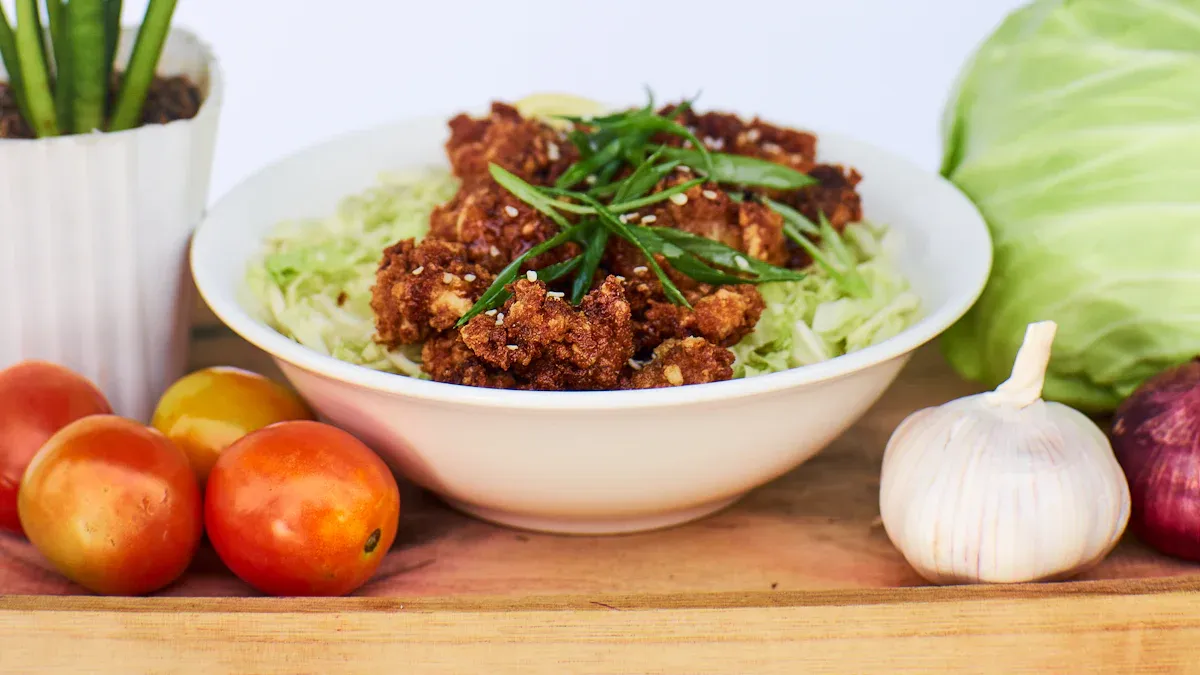
You can easily add cabbage to your meals. This section gives you practical ways to enjoy this healthy vegetable. You can eat it raw, cooked, or fermented.
Raw Applications: Salads, Slaws, Wraps
Eating cabbage raw helps you get the most nutrients. Raw cabbage keeps its fresh flavors and beneficial compounds. You can make many delicious dishes with raw cabbage.
Salads and Slaws: Try a “Raw Thai Kale Slaw.” This dish is full of detoxification and antioxidant compounds. It helps you meet your daily raw vegetable needs. Another great option is the “Raw Cruciferous Detox Salad Recipe.” It uses raw cabbage and kale. These vegetables are rich in glucosinolates. These compounds help your body detoxify. Eating them raw preserves delicate enzymes. It also boosts their cleansing properties. The “Summer Slaw Recipe” also shows how good raw cabbage is. It is rich in Vitamin C and other nutrients. You do not need to cook it to enjoy its benefits.
Wraps: Use large cabbage leaves as a healthy wrap instead of tortillas or bread. Fill them with your favorite protein and vegetables.
Cooked Preparations: Stir-fries, Soups, Roasted Cabbage
Cabbage is also delicious when cooked. You can prepare it in many ways.
Sautéed Cabbage: This is an easy stir-fried dish. You can season it with apple cider vinegar, garlic, salt, and pepper. It has amazing flavor.
Cabbage Steaks: Roast thick slices of cabbage. They become tender in the middle with crisp, golden-brown edges. Serve them with lemon juice or other toppings for a full meal.
Okonomiyaki (Savory Cabbage Pancakes): This is a popular Japanese street food. You can make a vegetarian version for an easy weeknight dinner.
Cabbage Soup: Use a whole head of cabbage for this recipe. It features silky cabbage leaves in a flavorful tomato broth. Add beans, veggies, and potatoes for a hearty meal.
When you cook cabbage, use methods that keep its nutrients. Steaming red cabbage, for example, keeps much of its Vitamin C. It also retains its antioxidant activity. Use less water and cook for less time. This helps preserve healthy compounds. Boiling and stir-frying can cause you to lose more nutrients. These methods can reduce total phenolics, Vitamin C, and sugars.
Fermented Cabbage: Sauerkraut and Kimchi
Fermented cabbage is very good for your gut health. Sauerkraut and kimchi are popular examples. You can make them at home.
Here is how you ferment vegetables like cabbage:
Prepare your vegetables. Remove any damaged parts. Cut them into pieces.
Mix the vegetables with salt. This is called dry salting. Let them sit for 15 minutes. This helps drain water.
Place the vegetables into jars. Compress them tightly.
Add a weight to keep the vegetables under the liquid. Close the jars. This lets gas escape but keeps oxygen out.
Leave the jars at room temperature to ferment.
Another way to prepare for fermentation:
Chop your vegetables and add salt.
Work the salt into the vegetables. This draws out their juices.
Stuff the sauerkraut or kimchi into a jar.
Fermentation starts. You will see bubbles and juices rise. This is rapid fermentation. It lasts 4-7 days.
Rapid fermentation slows down. Then, a slower maturation phase begins. This develops the tangy flavor. It can take weeks to months.
For sauerkraut, you can also:
Sprinkle coarse sea salt directly on the cabbage. Use a handful at a time.
Let the salt sit on the cabbage for 3 to 6 hours. It will wilt. A small puddle of water will form.
Taste the cabbage after 3 hours. Check its saltiness.
Rinse off extra salt when the cabbage tastes salted but not too salty.
Quick Tips for Preparation and Storage
Proper preparation and storage help you keep cabbage fresh and nutritious.
Preparation: Always wash your cabbage before use. Remove any outer leaves that look damaged. You can shred, chop, or slice it depending on your recipe.
Storage: Store fresh cabbage in cool, humid conditions. This helps it last longer.
Vegetable | Condition | Temperature | Humidity | Shelf Life |
|---|---|---|---|---|
Cabbage | Cool and Humid | 32-36°F | 95-98% | 1-6 months |
You can store a whole head of cabbage in your refrigerator’s crisper drawer. If you cut it, wrap the unused portion tightly in plastic wrap. Use it within a few days.
You now understand that cabbage is an incredibly nutritious and versatile vegetable, truly a superfood. Its amazing cabbage nutrition offers powerful health benefits. It supports your digestion, boosts immunity, and promotes heart health. This mighty vegetable even aids in disease prevention. You should experiment with different ways to incorporate cabbage into your meals. It is affordable and easy to find. Embrace this humble yet powerful superfood for enhanced well-being and culinary enjoyment.