

A cup of hot water will make chia seeds swell quickly into a gel that works for drinks, pudding, or a thicker bowl. Warm water speeds hydration, while very hot water can clump the seeds unless you stir right away.
This article explains the safest way to use hot water with chia seeds, including timing, texture changes, and simple ratios that help anyone making chia water, pudding, or a thicker breakfast bowl.
Key Takeaways
- Fast hydration: Hot liquid helps chia form gel sooner than cold liquid does.
- Smoother middle ground: Warm water often gives a better texture than near-boiling water.
- Early stirring: Stir right after the seeds hit the liquid to cut down on clumps.
- Cooler serving: Let chia seed water cool before drinking so it feels easier on the throat.
- Overnight option: Chia seeds overnight still work well for a thicker, softer result.
The Straight Answer On Hot Water Soaking
Chia seeds can soak in hot water without special equipment, and the heat speeds gel formation around each seed. That makes chia seed water ready faster, although very hot liquid needs a good stir so the seeds do not bunch together in a sticky mass.
For a quick kitchen job, warm water sits in the sweet spot because it moves fast without turning the mix awkwardly thick. That is the difference you feel in your cup.
That faster bloom only works when the liquid amount matches your target texture, from sippable to spoonable.
What Heat Changes In Chia Seeds
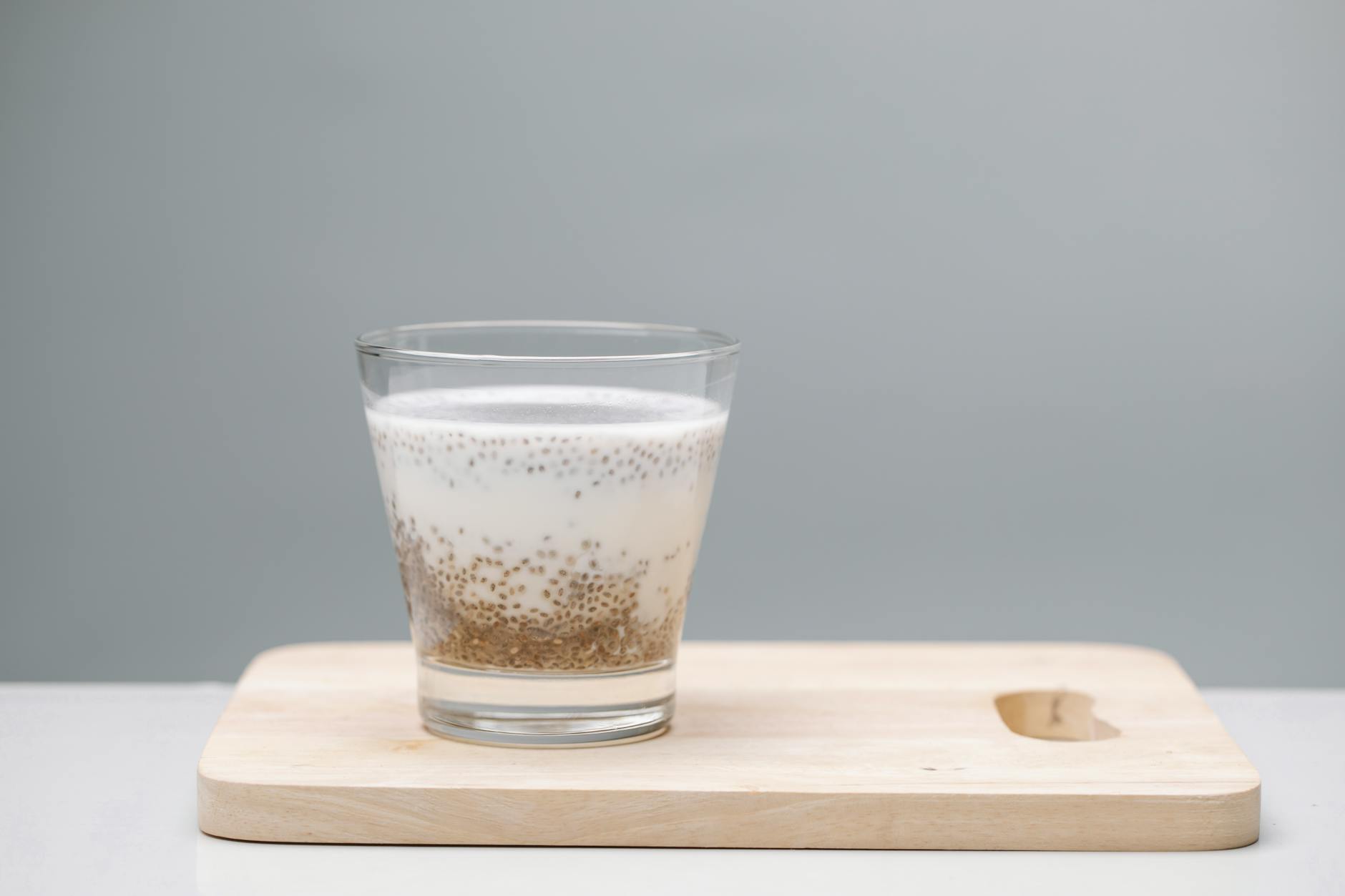
That faster swell starts at the seed coat, where soluble fiber pulls in water and turns the outside slippery before the center fully hydrates. The result is a gel that thickens in layers instead of all at once.
Gel Formation Around Each Seed
Each chia seed has a soluble fiber layer that grabs liquid and turns slippery into spoonable. The gel builds at the surface before it expands outward, so the mix thickens in stages rather than all at once.
That surface gel is why chia can hold water so well in drinks and pudding. The liquid is not just sitting beside the seeds, it is being held in a mesh-like coat.
Warm Water Speeds Hydration
Heat moves water molecules faster, so they reach the seed coat more quickly. That faster motion is why chia in warm water swells sooner than chia in cold water or room-temperature liquid.
Boiling water is not needed for that effect, and it can make the outer layer set too fast. The result is a shell with dry centers and little sticky lumps, which is harder to fix later.
| Water Temperature | Texture Trend | Practical Use |
|---|---|---|
| Hot | Fast gel, higher clump risk | Quick drinks and instant mixes |
| Warm | Smoother gel, easier stirring | Chia seed water and pudding |
| Cold | Slower swelling, cleaner texture | Overnight soaking and prep ahead |
That table matches the physics you feel in the cup: hotter liquid gives speed, while cooler liquid gives more control. Once you see that split, the right ratio becomes easier to choose.
The next step is matching that speed to a ratio that fits the drink or bowl you actually want.
A steady pour and brief stir prevent dry pockets, giving the seeds room to swell evenly.
The Most Reliable Ratios And Soak Times
That speed only helps if the liquid-to-seed ratio matches the texture you want. A thinner mix works for sipping, while a tighter mix gives you the body needed for pudding or a spoonable breakfast.
Ratios That Fit Common Uses
A practical starting point is 1 tablespoon chia seeds in about 1 cup liquid for a drinkable mix, and 2 tablespoons in 1 cup for a thicker pudding style. Smaller amounts work too, but the texture shifts quickly once the seed count climbs.
For chia seed water, a thinner mix gives a lighter feel and less spoon resistance. For pudding, the same seeds need more time and a tighter ratio so the gel can settle into a dense layer.
| Liquid Temperature | Soak Window | Typical Result |
|---|---|---|
| Hot | 10 to 15 minutes | Fast gel for drinks |
| Warm | 15 to 30 minutes | Balanced texture for pudding |
| Cold | 2 to 8 hours | Thicker overnight soaking |
Warm liquid is faster than chilled liquid, but it still leaves enough time for the seed coat to hydrate evenly. That matters more than speed alone, because a rushed mix can feel gritty at the bottom of the glass.
Soak Windows For Different Recipes
Instant drinks need only enough time for the gel to appear and settle, which can happen in the same cup you plan to serve from. Breakfast bowls need more patience because thicker mixtures keep their shape on a spoon.
Overnight soaking makes sense for a morning batch, since cold liquid keeps the texture cleaner while the seeds hydrate slowly. That slower pace is the reason many people prefer chia seeds overnight for pudding rather than for a quick drink.
The method matters just as much as the timing, since a good ratio can still clump if the seeds hit the liquid the wrong way.
Even a well-mixed batch can shift from silky to sticky once temperature pushes hydration too quickly.
A Foolproof Method For Chia Water And Pudding
That clump risk drops when you control the order of mixing. Add liquid first, sprinkle the seeds slowly, and stir before the outer layer can lock them together.
Mix In The Right Order
- Add liquid first: Pour water, milk, or a plant-based drink into a bowl or jar before the seeds.
- Sprinkle the seeds: Add chia in a thin stream so the outer layer does not set in one clump.
- Stir right away: Use a spoon or small whisk for 20 to 30 seconds.
- Rest briefly: Let the mix sit until the gel starts to thicken.
- Stir again: Break up the heavy spots that settle near the bottom.
That simple sequence matters because chia seeds hydrate from the outside in. A second stir after the first rest keeps the top and bottom closer in texture, which is what you want for chia seed water or pudding.
Turn One Base Into Three Textures
A thinner batch works as a drink, a medium batch becomes pudding, and a thicker batch can sit under fruit in a breakfast bowl. Vanilla, lemon, cinnamon, or cocoa can change the flavor, but the seed-to-liquid ratio controls the body.
You can judge the mix with a spoon after 10 minutes. It should coat the back of the spoon without turning into paste, and that middle ground is where hot-soaked chia behaves best.
Once you know that texture window, the next issue is avoiding the fast-set clumps that hotter water can create.
That extra contact time also helps the gel thicken enough to support steadier fullness after drinking.
Texture, Clumps, And The Role Of Temperature
That texture shift shows up fastest with near-boiling liquid, where the outer gel can set before the center hydrates. The seed coat acts like a tiny sponge wrap, and the hotter the water, the faster that wrap tightens.
Very Hot Liquid Creates Fast Lumps
Near-boiling water can set the outer layer before the rest of the seed hydrates, which is why clumps appear. The seed coat acts like a tiny sponge wrap, and once that wrap grabs too much heat too quickly, it locks together.
That is also why gradual hydration beats dumping everything in at once. A steady pour and two rounds of stirring keep the texture closer to smooth gel than to glue.
Fixes For Too Thick, Too Thin, Or Gritty Mixes
A mixture that turns too thick needs more liquid and a quick stir to loosen the gel. A runny batch needs more resting time or a small extra spoonful of seeds.
Gritty texture usually means the seeds never sat long enough in contact with the liquid. A few more minutes can solve that, and warm water shortens the wait without forcing a harsh boil.
Those claims matter most when the drink fits into an overall eating pattern that still supports comfort and balance.
Use a small whisk for the first stir, then switch to a spoon after the gel starts to form. That pairing breaks up early clumps without beating air into the drink.
Nutrition, Fullness, And Weight-Loss Claims
Chia seeds bring fiber, plant fat, and some protein to a cup of water or pudding, so the mixture can feel more filling than plain liquid. That fuller feeling is one reason chia seed water shows up in weight loss conversations.
Still, chia is not a standalone answer for body weight. A food with fiber may help you feel satisfied, but appetite, meal timing, and total intake still shape the result far more than a single cup.
Some nutrition work on chia has focused on gel-forming fiber and the way it slows digestion in the stomach and small intestine. That slower movement may help explain the feeling of fullness, while the seed itself still keeps its omega-3 fatty acids and minerals inside the food matrix.
Heat is not needed for those benefits, and overheating adds little beyond speed. A warm soak is often easier to drink, which matters more than pushing the liquid to a boil for no real gain.
That fits with practical nutrition guidance from Healthline, which points out that chia seed water can support a high-fiber routine when the rest of the day still makes sense.
That rule keeps the texture pleasant and the risks low when heat is no longer the main concern.
Safety, Storage, And When Hot Water Is Not The Best Fit
Letting the cup cool before you drink it is the more comfortable move for most people. Hot liquid can feel harsh, and a cooler serving lets the gel texture show up without the burn.
Dry chia seeds can swell after contact with liquid, so swallowing them dry in a large amount is a bad fit for anyone with swallowing trouble. A hydrated mix is easier to manage, and people with digestive health conditions should check with a qualified clinician before using chia as a routine food.
- Cool before serving: Warm chia tastes easier and lowers the burn risk from a fresh hot mix.
- Store chilled: Keep prepared chia water in the refrigerator and use a clean container.
- Watch for odor: Sour smell or odd flavor means the mix should be discarded.
- Check the texture: Separation, slime, or visible spoilage signals the batch is no longer fresh.
That storage window matters more with overnight soaking, since milk-based versions spoil faster than plain water. The safest habit is simple: make only what you can keep cold and finish within a short span.
Final Thoughts
Hot water is a practical shortcut for chia when speed matters, but warm liquid gives you better control over texture and clumps. The best result comes from stirring twice, resting long enough for gel to form, and serving it at a temperature your throat and stomach actually like.
FAQ
Can you safely soak chia seeds in hot water?
With no special equipment, chia seeds can sit safely in hot water and begin to hydrate at once. The main caution is texture, since very hot liquid can make clumps unless you stir right away and give the gel time to spread evenly.
How long should chia seeds soak in hot water?
Hot water can give useful gel in about 10 to 15 minutes, while warm water may need a bit longer for a smoother finish. The exact soak time depends on how thick you want the mix to be.
Is it better to soak chia seeds in hot or cold water?
Hot water works faster, but cold water gives you more control and is easier for overnight soaking. Warm water sits in the middle and often gives the cleanest texture for chia seed water or pudding.
Can you leave chia seeds soaking overnight?
By morning, chia seeds can be fully hydrated, and that slow soak often produces a thicker, softer texture. Refrigeration matters for storage, especially with milk or plant-based drinks rather than plain water.
What are the side effects of drinking chia seed water?
Some people notice stomach upset, bloating, or a very full feeling, especially with a larger serving. Dry seeds can also be a swallowing issue, so hydrated chia is the safer texture for daily use.
