

Under strict vegan rules, the answer is usually no because lab-grown meat starts with animal cells and often depends on animal-derived growth materials. Even when no animal is slaughtered, the source and inputs still matter to vegan standards.
This guide explores why cultivated meat sparks disagreement within vegan circles, tracing the science, the ethics, and the labeling questions that matter when someone is deciding what belongs on a vegan plate.
Key Takeaways
- Animal cells matter: A product that begins with animal tissue usually falls outside strict vegan rules.
- Media ingredients can decide it: Fetal bovine serum and similar inputs can make cultivated meat non-vegan.
- Support is separate from eating: You can favor animal-free food technology without putting it on your plate.
- Label rules differ: Country-level labeling can change whether a product is marketed in vegan language.
- Vegetarian response differs: Many vegetarians are more open to cultured meat than vegans.
- Ethics can outrank category: Some vegans focus on harm reduction, even while rejecting the product itself.
What Cultivated Meat Actually Is
The basic distinction starts with the source. Cultured meat uses animal cells and grows muscle and fat tissue outside an animal body, while plant-based meat starts with peas, soy, wheat, or oils and never begins with animal tissue.
You can see the difference in the production chain itself. A maker collects cells, feeds them nutrient media, grows them in a bioreactor, and shapes the tissue into a food product, which is why the origin question sits at the center of lab-grown meat and veganism.
The main production steps
- Cell collection: A small cell sample comes from an animal, often from muscle tissue.
- Cell growth: The cells multiply in nutrient media that feed division and tissue formation.
- Structural shaping: Scaffolds help cells organize into thicker texture instead of loose cells.
- Bioreactor growth: Controlled tanks regulate temperature, oxygen, and nutrients for tissue development.
- Food processing: The finished material is formed into nuggets, patties, or ground-style products.
How it differs from meat and meat alternatives
Traditional livestock farming raises the whole animal, then ends with slaughter. Cultivated meat skips that final step, but it still depends on animal cells and tissue engineering, which is the key reason strict vegan standards hesitate here.
Plant-based meat skips animal biology too, so the comparison is cleaner for vegan decision-making. Cell culture also depends on amino acids, sugars, salts, and growth signals, and those inputs can come from animal-derived or animal-free sources, which is why can vegans eat lab grown meat does not have one answer across brands.
| Type | What it starts with | Why vegans care |
|---|---|---|
| Cultivated meat | Animal cells | Starts with animal tissue, so strict vegans usually object |
| Plant-based meat | Plants and oils | No animal cells or slaughter are involved |
| Fermented protein foods | Microbes and feedstocks | May fit vegan rules, depending on the inputs |
| Conventional meat | Whole animals | Involves breeding, confinement, and slaughter |
That comparison points to the real fault line. The label sounds simple, but the ingredients and growth method carry the ethical weight, and that is where vegan standards start to split.
Personal ethics often bend where ingredient purity does not, which explains the case for cautious support.
Where Vegan Standards Break In Practice
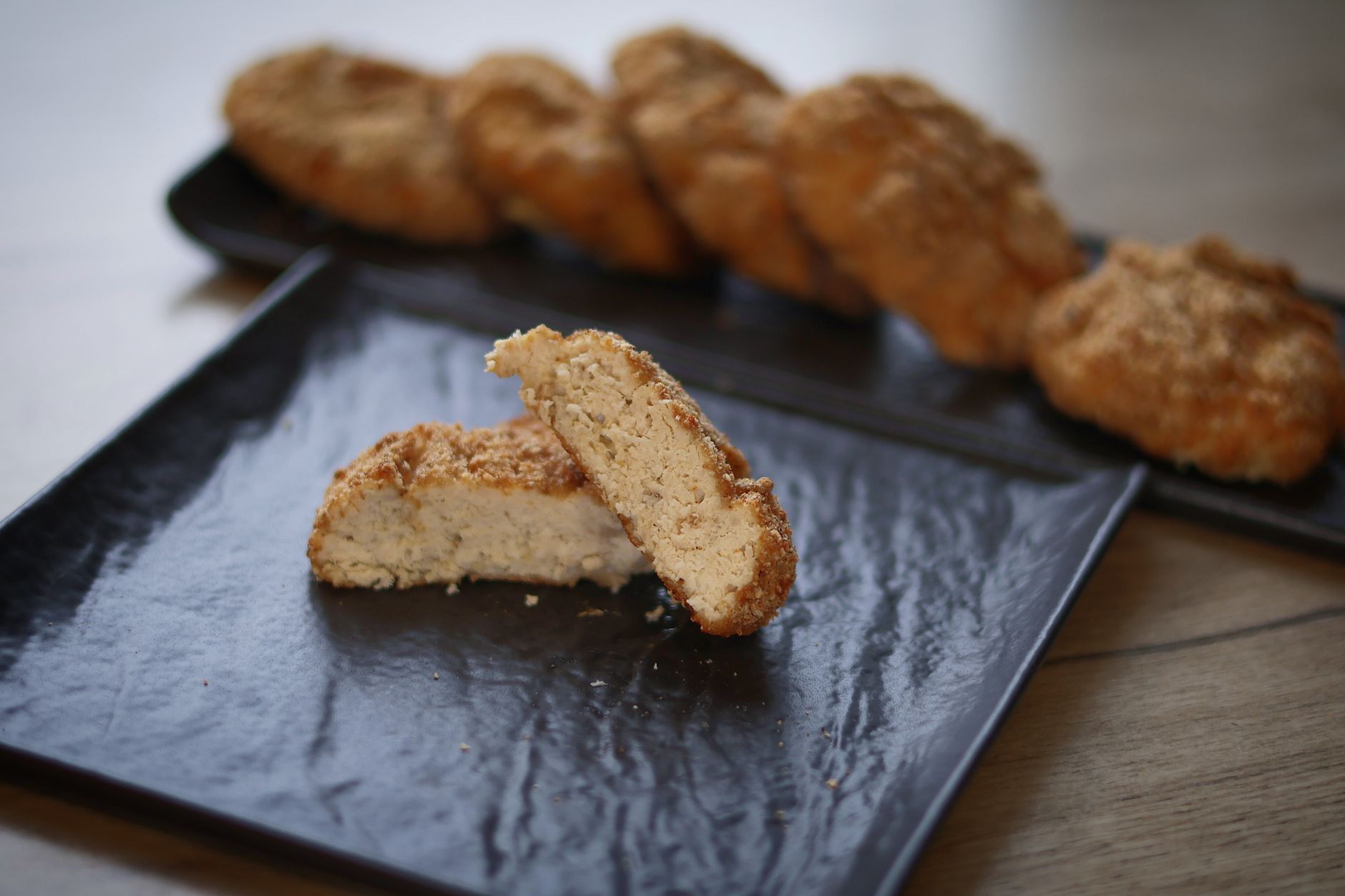
The split shows up as soon as you look at origin. Lab-grown meat can look animal-free at the end of the process and still fail a strict vegan test because the ingredients tell a different story.
Most vegan definitions reject animal cells, even without a slaughter step. Veganism is not only about avoiding death; it also avoids animal products and animal exploitation in food production, which is why strict and ingredient-focused rules often align.
Historical cultivated-meat methods have also used fetal bovine serum, a cow-derived growth medium taken from fetuses. That ingredient is a hard stop for strict vegans, and it has drawn criticism from PETA and food ethicists alike.
Animal-derived inputs that can break vegan status
- Starter cells: The food begins with tissue taken from an animal.
- Fetal bovine serum: This growth medium comes from cattle and is incompatible with vegan rules.
- Animal collagen scaffolds: Some tissue supports have used animal-derived structures.
- Other animal nutrients: Some media formulas still rely on animal ingredients during development.
- Shared processing claims: A later animal-free step does not erase earlier animal inputs.
Animal-free later does not settle the label
A product can become animal-free later in development and still remain disputed among vegans. Ingredient-based veganism asks where the food came from, not only what sits on the final ingredient line. A food that ends up without animal material can still carry animal origin in its production history.
That split explains why the same package may satisfy one vegan on harm-reduction grounds and fail another on ingredient grounds. The next section shows why some vegans support the technology anyway, even while refusing to eat it.
Those differing frameworks matter even more when the conversation turns to taste, texture, and everyday substitutes.
Why Some Vegans Support The Technology Anyway
A slaughter-free production path can matter even to someone who never eats the product. For some vegans, the appeal is simple: fewer animals may be raised and killed if cultivated meat scales well enough to replace part of the market.
PETA has publicly signaled support for animal-free meat research, which matters because it shows one major animal-advocacy voice treating the technology as a harm-reduction tool rather than a clean vegan food. That position does not mean all vegans agree with it, but it explains why the debate is bigger than a yes-or-no label.
Support for the method is not the same as eating the food
Some vegans draw a bright line between policy support and personal consumption. A person can back research, food labeling reform, and animal-free media development while still refusing to buy a patty made from animal cells.
That split shows up in everyday life. A vegan may applaud a university or startup that removes fetal bovine serum from the process, yet still say the final item is not for their own diet. The ethics focus is harm reduction, not taste or symbolism.
Normalization and symbolism still matter
Not every objection is about ingredients. Meat imagery can feel like a step backward if your vegan practice is tied to rejecting meat culture, not just the material itself.
There is also the boundary-test problem. A hypothetical human-flesh version of cultivated meat would raise the same source question in a more extreme form: process alone would not make the origin morally neutral. That thought experiment shows why source, consent, and identity still matter to the vegan line.
Support the research or regulation on harm-reduction grounds, then separate that position from your own plate choice. The distinction keeps your ethics clear.
Once that distinction is clear, the comparison with other food rules becomes easier to read. Vegetarianism, halal, and kosher all look at cultivated meat through different lenses, and those lenses change the answer.
Beyond classification, the harder question is whether the promised benefits outweigh the compromises involved.
Plant-Based Meat, Vegetarian Choices, And Other Frameworks
That comparison gets sharper in the grocery aisle. Plant-based meat is the cleanest fit for strict vegan standards because it begins with plants, oils, and flavor systems rather than animal cells. Cultivated meat starts from animal tissue, so its acceptance depends on whether you judge by ingredients, harm reduction, or a broader ethical goal.
Vegetarian choices are often more open-ended. A vegetarian who avoids slaughter but still eats dairy or eggs may see lab-grown meat as acceptable sooner than a vegan would, especially if the product contains no visible animal tissue at the end.
| Dietary rule | Likely view of cultivated meat | Reason |
|---|---|---|
| Strict vegan | Usually rejects it | Animal cells and animal-derived inputs matter |
| Ingredient-focused vegan | Case by case | Animal-free media may change the answer |
| Vegetarian | Often more open | No slaughter may fit personal rules |
| Halal | Depends on sourcing and process | Religious rules assess origin, handling, and impurities |
| Kosher | Depends on rabbinic interpretation | Source, supervision, and classification all matter |
Halal and kosher classifications can diverge because they use different rules than veganism. The same cultivated product may raise source concerns, purity concerns, or supervision concerns, and labeling laws in the United States, the United Kingdom, Singapore, and other markets can affect how it is sold and described.
That legal piece matters for your shopping choices. A package may be marketed as cultured, cell-based, or meat-like, yet the label may stop short of calling it vegan, which tells you that the law and the ethics question are not identical.
With those tradeoffs in view, a practical checklist can turn abstraction into a decision you can actually use.
The Environmental And Welfare Tradeoffs Behind The Debate
Animal welfare and sustainability sit in the same conversation, but they are not the same claim. A food can lower slaughter risk and still use a lot of energy, and a food can use less land while still raising ethical concerns about animal origin.
Life-cycle analyses of cultivated meat have pointed toward possible reductions in land use, methane pressure, and some forms of pollution, but the results depend on scale, electricity source, and manufacturing design. That uncertainty matters because a 2020 pilot system does not tell you what a mass-market facility will do.
Where the promise sits
- Less land pressure: Fewer grazing and feed acres may be needed.
- Fewer slaughter events: Replacement at scale could lower animal deaths.
- Less manure runoff: Some pollution linked to large livestock systems may shrink.
- Tighter resource control: Bioreactors can use inputs more predictably than feedlots.
Where the uncertainty stays
Energy use is the big unresolved piece. Cell culture needs controlled temperature, oxygen transfer, sterile conditions, and continuous mixing, and that can draw more power than a casual shopper expects. The climate result depends on whether the electricity is clean and whether the process can run at large scale without waste.
That is why environmental arguments do not settle the vegan question by themselves. A person can care about animal welfare and still reject a product that starts with animal cells, or care about lower slaughter and see the technology as a step toward a less violent food system.
Watch the ingredient list and the production details, not just the marketing label. A cleaner claim on the front of the package can hide an animal-based growth system.
The practical question now shifts from ethics theory to your own rules. That is where a direct decision process helps, because slogans do not tell you how to shop.
The verdict is still conditional, and that ambiguity is exactly why the topic refuses to settle neatly.
A Practical Vegan Decision Framework
Start with the ingredient story, not the brand story. A product that uses animal cells, animal serum, or other animal-derived materials lands differently from a product grown on fully animal-free media.
A short checklist you can use at the shelf
- Check the source cells: Animal cells usually mean the product is not vegan by strict standards.
- Look for serum language: Fetal bovine serum is a clear non-vegan ingredient signal.
- Separate support from eating: You can favor the technology without buying the food.
- Decide your rule set: Choose ingredients, harm reduction, or community norms as your main lens.
- Read country labels: Marketing terms can differ across regulators and markets.
- Judge each product alone: One brand may fit your ethics better than another.
A lot of the confusion comes from mixing moral categories. Strict veganism cares about animal origin. Harm-reduction veganism cares more about lower suffering. Community norms sit in the middle and can shift from group to group, which is why the same product can draw opposite reactions from vegans who both act in good faith.
For your own practice, the cleanest answer to can vegans eat lab grown meat is usually no under strict rules, but sometimes yes under a personal harm-reduction lens. That answer may feel unsatisfying, yet it matches how the food is made and why the debate keeps splitting.
Bottom Line
The most useful rule is simple: origin matters more than the final texture. If a product starts with animal cells or relies on animal-derived growth materials, strict vegan standards usually rule it out, even when the process reduces slaughter. That leaves room for support, but not always for eating.
FAQ
Is lab-grown meat vegan?
By strict vegan standards, no. It begins with animal cells, and many versions have used animal-derived growth materials, so most vegans classify it as an animal product even without slaughter.
What ingredients make cultivated meat non-vegan?
Animal starter cells, fetal bovine serum, animal collagen scaffolds, and other animal-derived media can all break vegan compatibility. A final product can look animal-free and still fail a strict ingredient-based rule.
Can vegans support lab-grown meat without eating it?
Yes. Some vegans support research, policy, or lab work that reduces slaughter while still refusing to eat the product themselves. That split lets you favor harm reduction without changing your own diet line.
What do vegans disagree about when it comes to cultured meat?
The main disagreement is whether origin or outcome matters more. Some vegans focus on the fact that the process starts with animal cells, while others focus on the reduced harm if fewer animals are killed in the larger food system.
Is lab-grown meat different from plant-based meat?
Yes. Plant-based meat starts with plants and oils, while cultured meat starts with animal cells and tissue engineering. That source difference is why the vegan answer is much clearer for plant-based meat.
How is lab-grown meat made?
A manufacturer takes animal cells, grows them in nutrient media inside a bioreactor, and shapes the tissue into a food product. The process borrows from cell culture and tissue engineering, which is why ingredient details matter so much.
