

Around 50 grams a day can trigger bloating or cramping when fiber intake rises faster than the gut can adapt. Yes, a sharp jump in beans, bran, berries, seeds, and whole grains can cause gas, bloating, cramps, constipation, or loose stools, especially when hydration and meal portions do not keep pace.
This page explains daily targets, symptom patterns, lower-fiber vegan swaps, gradual fiber increase, and medical warning signs for anyone whose plant-based meals have become uncomfortable.
High Fiber Intake Is Common on Vegan Diets but Is Not Automatically Harmful
That early discomfort usually reflects a rapid change rather than a problem with vegan eating itself. Plants are the only natural source of dietary fiber, so legumes, oats, vegetables, fruit, nuts, seeds, and whole grains can raise your total quickly without specialty foods.
A high total does not automatically harm a healthy digestive tract. The National Academy of Medicine has not set a Tolerable Upper Intake Level for fiber, so symptoms, hydration, calorie intake, and food variety provide more useful clues than a single cutoff number.
Dietary Fiber Has Different Jobs in the Gut
Soluble fiber absorbs water and forms a gel-like material in the digestive tract. Oats, barley, beans, apples, and chia contain soluble fiber, which can change stool texture and support cholesterol and blood-sugar management within a balanced eating pattern.
Insoluble fiber adds physical bulk and helps move material through your intestines. Wheat bran, brown rice, leafy greens, and vegetable skins contain more insoluble fiber, while fermentable fibers become fuel for microbes in the colon.
The gut microbiome breaks down some fermentable carbohydrates into short-chain fatty acids, including butyrate. Colon cells use butyrate as fuel, but fermentation also produces hydrogen, methane, and carbon dioxide, which explains why a large bean portion can leave your abdomen feeling stretched or ballooned.
Rapid Changes Create Most Fiber Problems
A sudden move from low-fiber convenience foods to three bean-heavy meals can outpace your gut’s adjustment. Fiber intake may exceed your current comfort level, particularly when fluid intake stays low.
That distinction matters because a vegan menu is not the same as an excessive-fiber menu. Compare your intake with a practical benchmark, then consider how quickly your portions changed before blaming a single meal.
Because tolerance varies with body size, activity, and habits, useful fiber goals need more than a single universal number.
Daily Fiber Targets Depend on Energy Needs and Personal Tolerance
Because adaptation matters, daily numbers work best as a starting point rather than a pass-or-fail test. The Dietary Guidelines for Americans use an adequate intake of about 14 grams of fiber per 1,000 calories, placing most adults in a range of roughly 25 to 38 grams per day.
How much fiber do vegans need depends on age, body size, activity, pregnancy, digestive conditions, energy needs, and previous intake. A 35-gram day may suit your calorie needs and feel comfortable, while the same amount may trigger bloating after a jump from 15 grams the week before.
That is too much becomes clearer when symptoms appear repeatedly after larger portions or a fast increase. Your food log should show both the total grams and the timing of beans, bran cereal, seeds, fruit, and whole grains.
Vegan Staples Can Add Up Quickly
Portion size explains why a seemingly ordinary day can become fiber-heavy. US FoodData Central lists values that vary by variety and preparation, but the examples below show how quickly your plate can accumulate dietary fiber.
| Food and serving | Approximate fiber | What it means for your day |
|---|---|---|
| 1 cup cooked lentils | 15 to 16 g | A lunch serving can supply a large share of your daily target alone. |
| 1 cup cooked black beans | 14 to 15 g | A burrito bowl gains bulk and fermentable carbohydrate. |
| 1 cup cooked brown rice | 3 to 4 g | This whole-grain choice adds a modest amount. |
| 1 cup raspberries | 8 g | Breakfast fruit can rival a grain serving. |
| 1 ounce chia seeds | 9 to 10 g | A smoothie add-in can be substantial. |
| 1 cup cooked broccoli | 5 g | A vegetable side adds bulk and fermentation potential. |
Oatmeal with berries and chia, a lentil bowl with brown rice and broccoli, then fruit and a bean-based dinner can reach 45 to 60 grams. Nothing about that menu is automatically extreme, which is why your serving size and adaptation speed matter more than vegan identity.
Those totals also explain why symptoms can feel sudden. The next step is separating a normal adjustment from the signs of too much fiber that call for a temporary reset.
Rapid changes often matter as much as total grams, especially when the gut has little time to adapt.
A Fast Fiber Increase Can Cause Distinct Digestive Symptoms
Once your intake rises quickly, pressure after several plant-heavy meals can follow a recognizable pattern. Gas, bloating, cramping, abdominal fullness, larger stools, loose urgent stools, constipation, and changed bathroom frequency are common signs of too much fiber.
Symptoms do not always move in one direction. Soluble fiber can soften stool by holding water, insoluble fiber can add volume, and rapid fermentation can raise gas pressure; with too little hydration, dense stool bulk may become harder for your body to move.
Several Food Patterns Can Trigger a Flare
Concentrated portions usually matter more than one ingredient alone. A meal that combines legumes, bran, seeds, and raw vegetables can deliver several fermentable and bulky foods at once.
- Large legume servings place resistant starch and fermentable carbohydrates into one meal, especially with 1 to 2 cups of beans or lentils.
- Bran cereal bowls contain concentrated insoluble fiber that your gut may not tolerate after a rapid increase.
- Raw cruciferous vegetables may create more gas than a cooked portion of broccoli, kale, cabbage, or cauliflower.
- Dried fruit snacks pack fiber and fermentable sugars into a small handful, making portion size easy to overlook.
- Repeated seed additions can turn oatmeal, smoothies, and yogurt alternatives into high-fiber meals before lunch.
Severe pain, repeated vomiting, a swollen abdomen, or an inability to pass stool or gas needs urgent medical assessment. A bowel obstruction is uncommon, but risk rises in susceptible people, especially with low fluid intake or bowel narrowing.
Constipation and diarrhea can both follow a large increase because stool water, gut movement, microbial fermentation, and food volume change at once. Your vegan high-fiber diet side effects may improve within several days after portions and fluids become more consistent.
Those symptoms are useful clues, but they are not a diagnosis. Some bloating episodes come from fermentable carbohydrates rather than total fiber grams.
Yet similar discomfort can arise even when fiber intake is reasonable, pointing toward specific fermentable foods instead.
FODMAP Sensitivity and IBS Can Resemble High-Fiber Symptoms
Because meal chemistry matters, onions and garlic can cause intense symptoms even in a meal with little added fiber. These foods contain fructans, part of fermentable carbohydrates called FODMAPs, which can draw water into the bowel and generate gas.
Portion size can change the effect of the same food. Monash University developed a widely used FODMAP research program and food-testing system, supporting the view that symptoms may reflect a food’s fermentable carbohydrate load rather than its total dietary fiber.
Fiber and FODMAP Reactions Leave Different Clues
Your meal record can help distinguish a broad fiber increase from a specific trigger. The pattern below gives you a practical starting point before broad restrictions remove nutritious foods unnecessarily.
| Pattern | Clues from your meals | Useful next step |
|---|---|---|
| Rapid fiber rise | Symptoms began after larger servings of beans, bran, seeds, or raw vegetables. | Reduce the largest fiber loads briefly and rebuild slowly. |
| FODMAP sensitivity | Symptoms follow onions, garlic, wheat, some fruit, or large legume portions. | Track portions and seek dietitian guidance before broad restrictions. |
| IBS sensitivity | Discomfort seems greater than meal volume alone would suggest. | Discuss symptoms with a clinician familiar with irritable bowel syndrome. |
| Another cause | Diarrhea, pain, or constipation persists despite meal changes. | Seek medical evaluation rather than continuing food experiments. |
Irritable bowel syndrome (IBS) can heighten sensitivity to stretching in the intestinal wall. A modest amount of gas may feel painful with IBS because gut nerves send stronger signals, and your tolerance may also shift with stress, meal size, timing, and food type.
A Short Record Can Clarify Your Pattern
Track meals for 7 to 14 days before removing entire plant-food groups. Record your portions, fluids, stress level, bowel changes, symptom timing, and menstrual-cycle timing where relevant; notes may show that 1 cup of beans feels fine but a double serving with garlic does not.
Persistent symptoms can stem from infection, medication effects, celiac disease, accidental lactose exposure from non-vegan foods, or another food intolerance. Once your notes point toward meal volume rather than a medical cause, a brief reduction is more useful than abandoning vegan eating.
That evidence-based pause leads naturally to food swaps. A short step-down can reduce bulk and fermentation without turning your meals into a nutritionally narrow plan.
That distinction makes a temporary, targeted reduction more useful than broadly avoiding plant foods.
A Short Step-Down Plan Can Settle Symptoms While Keeping Meals Vegan
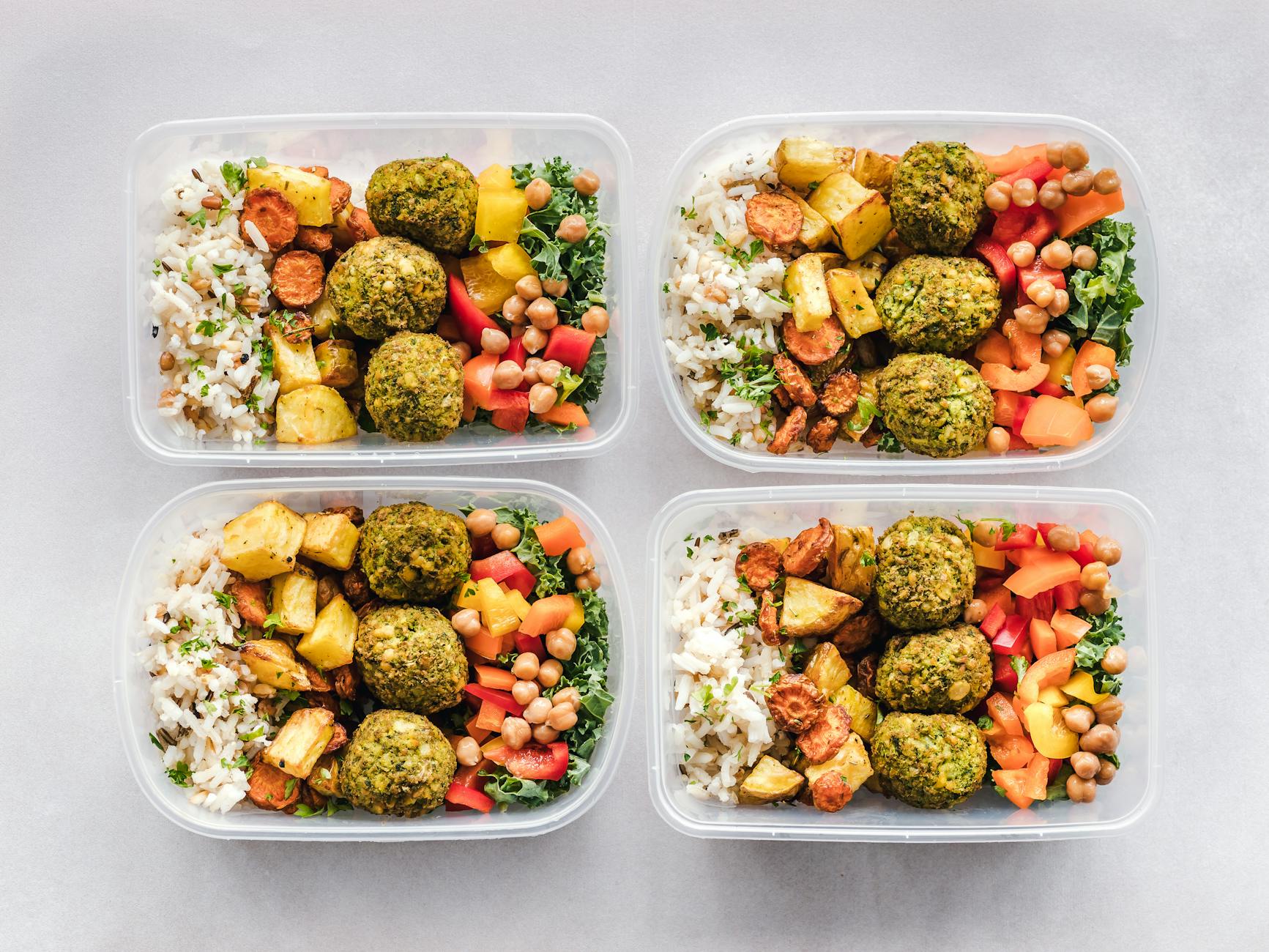
For 3 to 7 days, reduce your biggest fiber sources instead of stripping the plate of all plant foods. The goal is to lower bulk and fermentation while maintaining enough calories and protein for your usual needs.
Choose one or two lower-fiber swaps at a time so you can see what changes your comfort. A tofu and white-rice bowl may sit better than a large black-bean and brown-rice bowl during a bloating flare, while cooked carrots may feel easier than a raw kale salad.
Practical Vegan Swaps Reduce Bulk and Fermentation
Temporary swaps work best when they preserve protein, energy, and meal structure. Keep the change brief, then use your symptom record to decide which foods and portions to rebuild first.
- Choose modest tofu or tempeh portions instead of a large serving of beans at one sitting.
- Select white rice, sourdough bread, or potatoes instead of bran-heavy cereal and dense whole grains.
- Cook vegetables well and peel them where practical rather than relying on large raw salads.
- Space legumes out across meals instead of combining lentils, hummus, and beans in one afternoon.
- Rinse canned beans thoroughly to remove some liquid containing fermentable carbohydrates.
- Favor soft pulses such as well-cooked lentils or split peas while your tolerance rebuilds.
Constipation needs a slightly different emphasis. Keep hydration regular, eat at consistent times, include gentle movement such as walking, and use a modest amount of tolerated soluble fiber instead of suddenly adding extra bran to breakfast.
Do not change the timing of prescribed medicines on your own. Fiber can affect absorption for some medicines, so a pharmacist or clinician can advise you on spacing.
A short reset should not become a long-term restrictive diet. Once your symptoms settle, gradual fiber increase can restore legumes, fruits, vegetables, and whole grains without recreating the same digestive overload.
Relief does not require permanent restriction; reintroducing fiber thoughtfully helps preserve variety and nutrition.
Gradual Fiber Increases Protect Comfort and Nutritional Adequacy
After a short reduction, raise fiber by roughly 3 to 5 grams at a time and hold that level for several days to 1 week. Your bowel pattern, fullness, and gas provide a better pace marker than rushing toward a printed target.
Pair each increase with steady fluids through the day, but do not copy a fixed water rule from someone else. Heart disease, kidney disease, and fluid-restriction plans can change what suits your situation, so a clinical team can help set a safe amount.
A Measured Return Builds Tolerance
Small changes give your digestive tract time to adapt. Distributing fiber across meals is usually easier than loading most of it into one large lunch or dinner.
- Begin with one food such as 1/2 cup of lentils or one extra piece of fruit.
- Keep that portion steady for several days while watching your stool pattern and abdominal comfort.
- Add another source after the earlier addition feels manageable at that serving size.
- Distribute intake across breakfast, lunch, dinner, and snacks instead of loading one meal.
- Change the texture by choosing cooked vegetables or softer grains during a sensitive stretch.
Very High Intakes Can Affect Mineral Absorption
Phytate is a natural compound in grains, legumes, nuts, and seeds that can bind minerals in the digestive tract. Very high-fiber, high-phytate eating patterns may reduce absorption of iron, zinc, calcium, and other minerals when your overall intake is already marginal.
Food variety limits that concern. Include fortified plant milks, calcium-set tofu, legumes, whole grains, vegetables, and fruit, and pair vitamin C-rich foods such as bell peppers or citrus with iron-rich meals to improve non-heme iron absorption.
Soaking, sprouting, and fermenting grains or legumes may reduce phytate to some degree. Appropriately planned vegetarian and vegan patterns can meet nutritional needs across life stages, which aligns with the Academy of Nutrition and Dietetics.
Rebuilding gives you a clearer picture of ordinary digestive tolerance. Symptoms that remain severe or unexplained despite these changes deserve medical evaluation rather than more food experiments.
Careful pacing can resolve ordinary discomfort, but ongoing or alarming symptoms warrant a different level of attention.
Persistent Digestive Symptoms Need Medical Evaluation
Food changes should not explain away severe or ongoing symptoms. Seek urgent care for worsening abdominal pain, repeated vomiting, a swollen abdomen, blood in stool, fever, fainting, inability to pass stool or gas, or unexplained weight loss.
Known bowel narrowing, a past bowel obstruction, active inflammatory bowel disease, or major unexplained digestive symptoms require individualized guidance before you raise fiber. A clinician may need to rule out a structural or inflammatory cause before dietary experimentation continues.
Celebrity Accounts Do Not Set Nutrition Rules
Personal stories cannot isolate the cause of digestive symptoms. Anne Hathaway has publicly described returning to fish after vegan eating did not feel right for her, and Zac Efron has described moving away from veganism after not feeling well.
Neither account shows that vegan diets or fiber harm every body because energy intake, food selection, medical history, and other factors were not controlled. Longevity research also cannot prove that vegans live longer solely because they avoid animal foods, since activity, smoking, income, healthcare access, and total diet quality shape outcomes.
Medical red flags are the dividing line between a manageable food adjustment and a wider health concern. With those limits clear, your next decision can focus on practical symptom relief.
Clear warning signs help frame the remaining choices around safe, practical ways to regain comfort.
Key Takeaways for Managing Fiber Comfort
Discomfort is more likely to reflect speed, portions, fermentable foods, and hydration than a failure of vegan eating. Lower your heaviest fiber loads for a short period, rebuild in small steps, keep meals varied, and seek medical help for red flags or symptoms that do not settle.
Yes, particularly after a rapid diet shift, but the solution is usually adjustment rather than avoiding dietary fiber altogether.
FAQ
These answers address the practical details that matter after your symptoms, portions, and hydration pattern have been reviewed. Your response can vary from meal to meal, so use them alongside the medical warning signs above.
Can vegans get too much fiber, even when eating healthy foods?
Yes. Healthy vegan foods can still push your intake beyond your current tolerance when large portions of legumes, bran, seeds, berries, vegetables, and whole grains appear in the same day. Your symptoms are more likely after a fast increase, low hydration, or several high-fiber meals in a row.
How much fiber should vegan adults aim for each day?
Most vegan adults can use about 14 grams of fiber per 1,000 calories as a starting point, which places many adults between 25 and 38 grams daily. Your ideal amount depends on calorie needs, digestive health, prior intake, activity, pregnancy, and comfort.
What are the signs and symptoms of eating too much fiber?
Your signs may include gas, bloating, cramping, abdominal fullness, larger stools, constipation, loose stools, urgency, or a sudden change in bathroom frequency. Symptoms tend to appear after your intake rises sharply, particularly after large servings of legumes, bran, seeds, raw vegetables, or dried fruit.
Why does fiber cause bloating, gas, constipation, or diarrhea for some people?
Fiber changes stool volume, water content, gut movement, and microbial fermentation. Your gut microbiome produces gas while breaking down fermentable fibers, while low hydration can make bulky stool harder to move and a fast increase can contribute to loose stools or urgency.
Which vegan foods are highest in fiber?
Lentils and black beans provide about 14 to 16 grams per cooked cup, while chia seeds provide about 9 to 10 grams per ounce and raspberries provide about 8 grams per cup. Bran cereal, chickpeas, split peas, whole grains, dried fruit, and raw vegetables can also raise your total quickly.
How can someone reduce fiber temporarily while still eating a balanced vegan diet?
For 3 to 7 days, reduce your largest servings of beans, bran, seeds, raw vegetables, and dense whole grains while keeping protein and calories adequate. Tofu, modest tempeh portions, white rice, potatoes, sourdough bread, cooked vegetables, and peeled produce can help your digestive tract settle.
