

Yes, and the seeds swell fast, so a small spoonful can turn loose oats into a thick bowl in minutes. The change comes from gel formation, not from the seeds disappearing.
You can use that quick thickening to your advantage if you want creamier oatmeal without much effort. This guide shows the best timing, the right chia-to-liquid range, and what heat changes in a breakfast bowl.
Key Takeaways
- Fast thickening: Boiling chia in oatmeal water works because the seeds absorb liquid quickly and build body fast.
- Small amounts matter: A teaspoon can change viscosity enough to move oatmeal from creamy to gluey.
- Timing controls texture: Early addition gives fuller gelation, while later stirring gives you more control.
- Heat is not everything: Some delicate nutrients may lessen a little, but fiber and texture remain useful.
- Visible seeds remain: Whole chia seeds usually stay speckled in the bowl, so the texture stays distinct.
What Chia Seeds Do In Hot Oatmeal
Hot liquid starts the thickening process as soon as the seeds hit the pot. The outer layer absorbs water and forms a gel, so the oatmeal gains body before the oats finish softening.
You can see the effect within the first minute of simmering. That shift is useful because it adds structure without needing extra starch, and the result stays spoonable instead of watery.
Gelation Changes The Bowl
Gelation begins when the seed coat takes on hot water and swells. That is why a pot with chia can look richer and feel silkier even before the oats finish cooking.
A teaspoon stirred into one serving can move the texture from loose porridge toward a dense, creamy finish. The seeds do not dissolve, so the body comes from water binding, not from the seeds vanishing into paste. That same mechanism appears in chia pudding, where the gel traps liquid instead of breaking down.
Whole Seeds Stay Present
The seeds soften during normal cooking, but they still stay visible. Those tiny black specks matter because they keep the bowl from turning into a smooth puree.
That texture helps when you want oatmeal that still feels like oatmeal after a few bites. Rolled oats and chia work well together because the oats provide body while the seeds supply extra thickening power. The same fiber-rich structure is why can you cook chia seeds with oatmeal often ends with a bowl that is creamy, not soupy.
Because chia keeps absorbing liquid, timing the stir can be as important as the amount you add.
The Right Amount To Use In Each Bowl
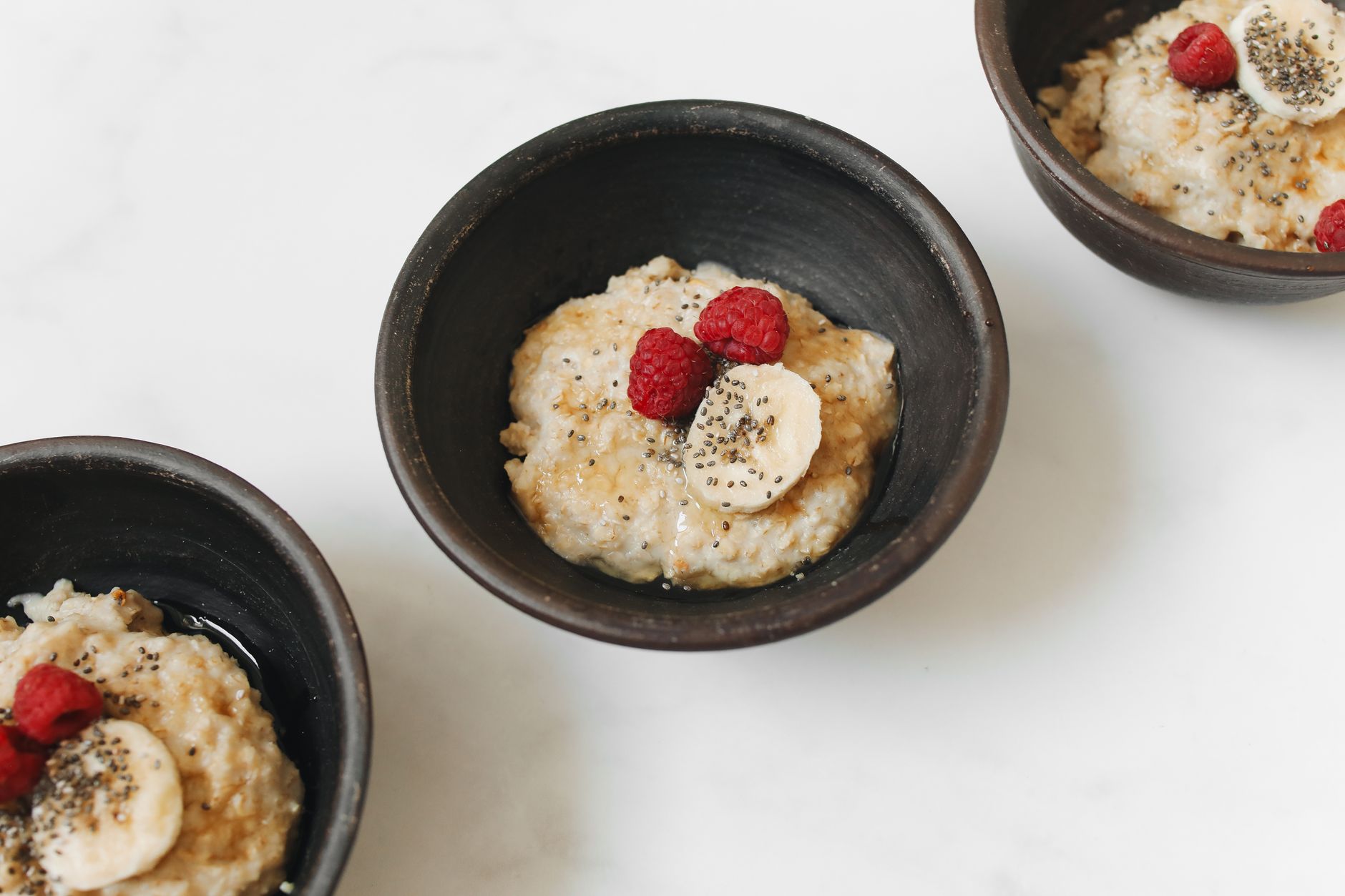
A small spoonful per serving is the safest starting point, especially if you are cooking a single bowl. Oatmeal water, whether it is plain water or milk, needs enough space for the seeds to swell without setting up too fast.
Your oat-to-liquid balance matters just as much as the seed count. A loose pot can handle chia well, but a tight ratio can lock up quickly and leave you scraping the spoon. That is why oatmeal with chia seeds recipe searches usually come back to the same advice: start small, then thicken in steps.
Heat helps the seeds bloom, but the final texture still depends on how long they sit afterward.
| Base | Chia Amount | Texture Result |
|---|---|---|
| Rolled oats with water | Small spoonful | Creamy and spoonable |
| Rolled oats with milk | Small spoonful | Richer, thicker finish |
| Steel-cut oats | Less at start | Denser bowl, slower thickening |
| Very thin oatmeal | Smaller pinch | Light texture with mild gel |
Start low and watch the pot for 2 to 3 minutes. Chia can keep tightening after the heat is off, so a bowl that seems loose at the stove may stiffen on the counter.
The Best Moment To Stir Chia Into Oatmeal
Timing changes both thickness and control. If you want the strongest set, cook the seeds with the oats; if you want a softer bowl, add them later and stop before the texture turns past creamy.
You can also use timing to reduce clumps. Stirring well during cooking helps each seed hydrate on its own, while a late addition can leave a few denser pockets in the spoon.
- During cooking: Add dry chia early for the fullest thickening and a more uniform gel.
- Near the end: Stir it in during the last minutes for a creamier bowl with more control.
- After cooking: Fold it in off heat for looser oats and a lighter final texture.
- After a short rest: Let the bowl sit briefly, then judge thickness before adding more liquid or seeds.
The best answer depends on the texture you want at the table. For a hearty breakfast, dry seeds in the pot give the strongest set; for a softer bowl, late stirring keeps the oats more open.
That tradeoff explains can you boil chia seeds in oatmeal water in practical terms: earlier adds more body, later gives you more control. A bowl that starts loose can still end up thick after a short rest, so patience matters as much as stirring.
That gentler approach keeps the seeds dispersed while the oats finish softening around them.
Stovetop, Microwave, And Soaked Methods
That timing choice matters even more once you pick a cooking method. A saucepan, microwave, or pre-soaked blend each gives you a different level of control over gelation and thickness.
You can match the method to the oats you have on hand. Rolled oats need less babysitting, while steel-cut oats reward slower cooking and more liquid.
Stovetop Cooking Gives The Most Control
A saucepan gives you the clearest view of thickness because you can see the oat starch and chia gel build together. You can lower the heat, splash in more liquid, or stop before the bowl crosses into paste.
Steel-cut oats benefit from that control because they need longer simmering and more liquid than rolled oats. The extra time keeps the grains separate while the chia thickens the cooking water around them. A small nonstick saucepan from Calphalon or Cuisinart gives you enough room to stir without scraping the bottom.
Microwave Cooking Needs Extra Stirring
Microwave heat moves in bursts, so chia can clump before the bowl heats evenly. A quick stir halfway through helps break up the gel pockets and keeps the surface from setting too fast.
That method works best in a deep bowl with room for bubbling. A shallow dish makes spillover more likely, and the thickening can surprise you near the rim. A Pyrex or Anchor Hocking bowl gives you better visibility, so you can stop before the oatmeal climbs too high.
Pre-Soaked Chia Blends More Smoothly
Soaked seeds spread through oatmeal with less surprise because the gel has already formed. That works well for meal prep, overnight oats, or a fast weekday bowl that you want a bit looser.
This is also the cleaner route for anyone comparing oatmeal with chia to overnight oats. Overnight oats stay cold and soft from soaking, while cooked oatmeal brings starch thickening from the oats themselves. If you want to test can you add chia seeds to oatmeal without soaking, this method gives the least risk of clumps.
Those benefits are easier to enjoy when the texture stays pleasant and the bowl never gets gluey.
| Method | Texture Control | Best Use |
|---|---|---|
| Stovetop | High | Hands-on breakfast |
| Microwave | Medium | Fast bowl with stirring |
| Pre-soaked seeds | High for smoothness | Lighter, quicker mixing |
What Heat Changes And What It Leaves Intact
Heat can reduce some heat-sensitive nutrients a little, but chia still keeps its main cooking value. Fiber, texture, and the thickening effect remain, which is why the seeds still make sense in oatmeal water.
Omega-3 fatty acids are more delicate than fiber, so heat may change some of the oil profile at the margins. That does not erase the seeds from breakfast; it just means the bowl should be treated as food, not a laboratory sample.
The USDA FoodData Central database lists chia seeds as a source of fiber, fat, and protein, which explains why they still matter in a cooked breakfast. The American Heart Association also treats chia as a plant-based food that can fit into a balanced eating pattern.
Once the mixture starts to set, a little extra liquid can bring it back to a spoonable texture.
Heat changes texture faster than it changes the basic role of chia in the bowl. You still get a seed that thickens liquid, softens in the pot, and adds body to breakfast.
Avoiding Clumps, Gummy Bowls, And Over-Thickening
Clumps form when dry seeds hit hot liquid without enough movement. A steady stir as the chia goes in keeps the outer gel from locking together before the inner seed has a chance to hydrate.
Too much chia can make the whole pot feel gummy, especially after a short rest. That is why the safest fix is more liquid, not more heat, because extra simmering only tightens the starch and gel further.
- Stir as you add: Keep the seeds moving so they spread before the gel sets.
- Watch the simmer: Lower heat once the oats start to swell.
- Add liquid early: A splash of water or milk keeps the pot loose.
- Pause before judging: Give the bowl a minute, then check thickness again.
Salt can help oatmeal taste fuller, so a tiny pinch can make the bowl feel less flat without changing the thickening behavior. That small seasoning choice matters more once chia starts muting the clean oat flavor.
You can also rescue a bowl that has already gone too far by stirring in a few tablespoons of hot water. That quick fix loosens the gel without making the oats grainy.
A simple rhythm like that makes it easy to repeat the result on busy mornings.
A Practical Oatmeal With Chia Method For Everyday Cooking
Rolled oats suit this method well because they cook fast and leave room for the seeds to swell. A pot of rolled oats, water, chia, and a little milk gives you a creamy bowl without much effort.
Steel-cut oats need more liquid and a longer cook, so they handle chia best on days when you want a thicker breakfast with extra chew. That slower pace also helps meal prep, since leftovers reheat into a dense but workable bowl.
This mix fits vegan and gluten-free eating patterns, since oats and chia are plant foods and the final bowl can stay dairy-free. Toppings matter too: fruit, chopped nuts, or a spoon of nut butter can round out flavor and make the texture feel less one-note.
Yes, and the best results come from a small amount, steady stirring, and enough liquid to keep the pot from locking up. If you want the simplest approach, that is the same rule behind any solid oatmeal with chia seeds recipe.
A basic ratio works best when you want repeatable texture. Start with rolled oats, add water first, then fold in chia near the middle of cooking if you want control instead of a very firm set.
Final Thoughts
Chia and oatmeal work well together, but the result depends on timing and liquid, not just the presence of the seeds. Add them early for a thicker bowl, later for more control, and always watch the texture before the pot turns heavy. That simple habit gives you breakfast that stays creamy instead of gummy.
FAQ
Can chia seeds be soaked in boiling water?
Yes. Boiling water makes chia swell quickly, and the seeds form a gel within minutes. That rapid swelling is useful in oatmeal, though it can thicken the bowl fast.
Does heat destroy chia seed nutrition?
Heat can reduce some delicate nutrients a little, but chia still keeps fiber, texture, and useful cooking value. The main practical change is in the seed oils, which are more sensitive than fiber.
Is it okay to eat oats and chia seeds every day?
For many people, a breakfast that combines oats and chia can fit into an everyday routine. Balance matters, though, since a very thick bowl can crowd out other foods or feel too dense for comfort.
Should you add chia seeds before or after cooking oatmeal?
Before cooking gives you the thickest result, while after cooking gives you more control over texture. The middle ground is to stir them in near the end, then judge the bowl after a short rest.
How much chia seeds should you add to oatmeal?
A small spoonful per serving is a practical place to start. More chia thickens fast, so a little goes a long way in a single bowl.
