

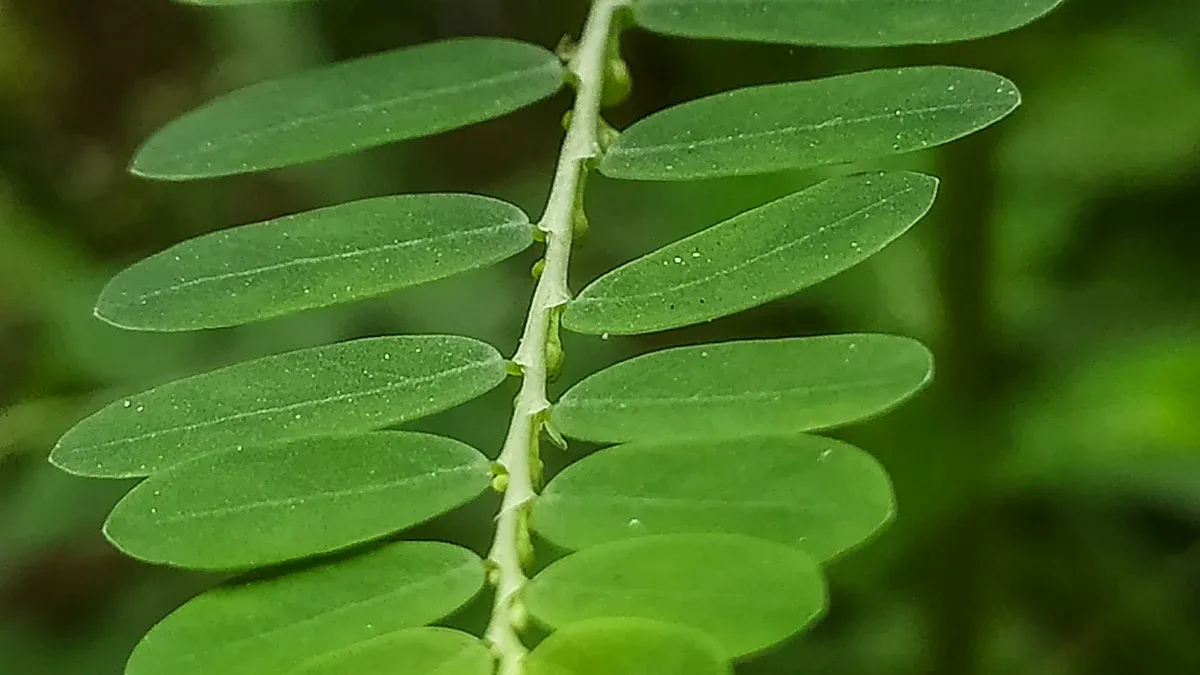
You may know chamberbitter as a common herb in traditional medicine. People use it for its Health Benefits, especially for liver support. Many cultures rely on it to treat jaundice, hepatitis, and fatty liver disease. You can find it in remedies that help reduce inflammation and fibrosis.
Key Takeaways
Chamberbitter supports liver and kidney health, making it valuable for treating jaundice and urinary tract infections.
This herb has strong antimicrobial and antidiabetic properties, helping to fight infections and manage blood sugar levels.
You can prepare chamberbitter in various ways, such as teas and tinctures, to harness its medicinal benefits safely.
Identification
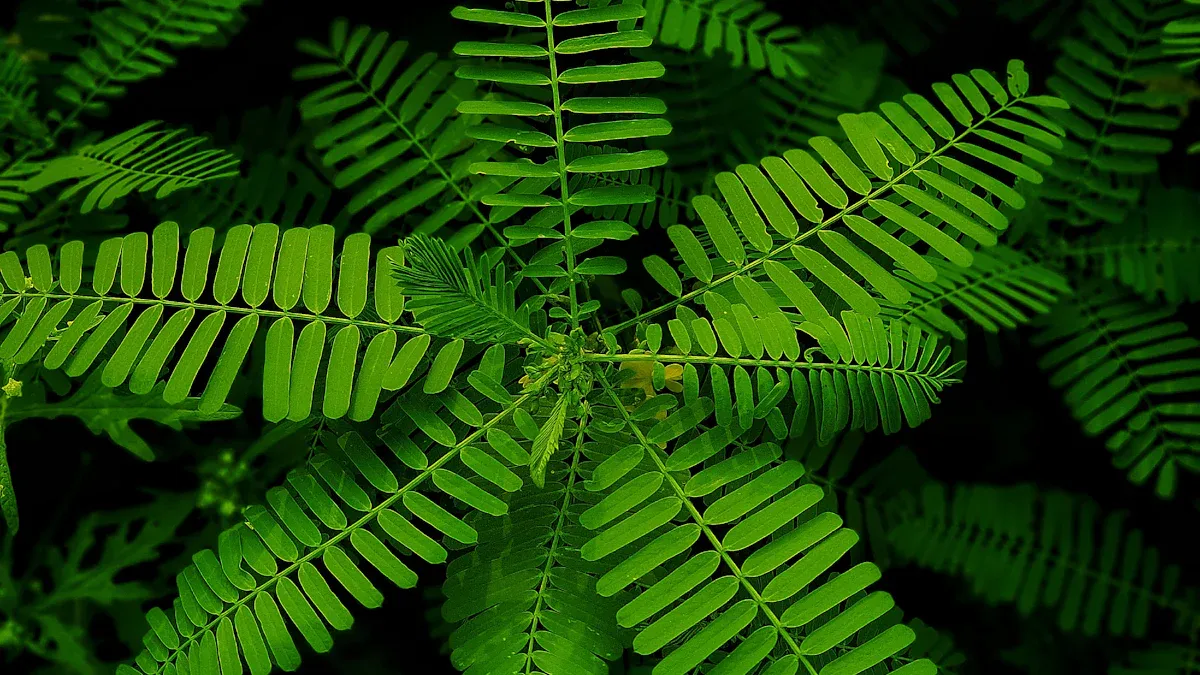
Chamberbitter Plant
You can identify chamberbitter by looking for a small, upright plant that grows less than 2 feet tall. This plant often appears in gardens, lawns, and shaded areas. Chamberbitter prefers places with less sunlight, so you may find it thriving under trees or in shaded corners. The plant has a unique look that makes it easy to spot if you know what to check.
Chamberbitter has small, oval-shaped leaves with smooth edges.
The leaves grow alternately along the stem and resemble those of a mimosa tree.
You will see tiny, greenish-white flowers that are less than half a centimeter wide.
Look under the leaves for greenish-red, warty fruits. These fruits contain seeds that burst out when ripe.
Tip: If you gently touch the seed capsules, you may see them pop open and scatter seeds. This is called explosive dehiscence.
Here is a table to help you recognize chamberbitter:
Feature | Description |
|---|---|
Height | Less than 2 feet tall |
Leaf Structure | Small, oval, smooth-edged leaves, alternate arrangement |
Flower Characteristics | Tiny, yellow-green flowers |
Seed Characteristics | Flattened, round seeds in capsules under leaves |
Reproductive Method | Capsules burst open to scatter seeds several feet away |
Phyllanthus urinaria Overview
Phyllanthus urinaria is the scientific name for chamberbitter. This plant belongs to the Phyllanthaceae family. You will find phyllanthus urinaria in tropical regions such as Asia, America, China, and islands in the Indian Ocean. The genus phyllanthus includes over 1,000 species. People have used phyllanthus urinaria as a medicinal plant for many years. In folk medicine, phyllanthus urinaria helps treat jaundice, diabetes, malaria, and liver diseases. You may see phyllanthus urinaria in traditional remedies across different cultures.
Health Benefits
Chamber Bitter Herb Benefits
You may wonder what makes chamberbitter so valuable in natural health. This plant offers a wide range of health benefits. People have used chamberbitter for centuries because of its strong medicinal properties. You can find it in remedies for liver, kidney, and digestive problems. The chamber bitter herb contains compounds that show antioxidant, antimicrobial, and anti-cancer effects.
Chamberbitter supports your liver and kidneys.
It helps manage diabetes and blood sugar levels.
You may use it to fight infections and reduce inflammation.
Some people use it for its anti-cancer and anticancer properties.
Laboratory studies show that extracts from chamberbitter have antioxidant properties. These extracts protect your cells from damage. Researchers have found that chamberbitter can help your body fight viruses and bacteria. You may also see it used for its anti-cancer properties, especially in traditional medicine.
Note: Chamberbitter is not just a weed. It is a powerful medicinal plant with many uses in Ayurveda, Chinese medicine, and folk medicine.
Liver and Kidney Support
Chamberbitter is well-known for its hepatoprotective properties. You can use it to support your liver and help with liver disorders. In Ayurveda, people use chamberbitter for jaundice and other liver problems. Traditional Chinese Medicine recommends it for clearing heat and removing toxins from the liver.
Chamberbitter helps reduce inflammation in your liver.
It may protect your liver from toxins and damage.
Some studies suggest it can help with cirrhosis and fatty liver disease.
You may also use chamberbitter for kidney support. Folk medicine often uses it to help with kidney stones and urinary tract infections. The plant acts as a diuretic, which means it helps your body get rid of extra water and toxins. Some laboratory studies show that chamberbitter can reduce the size and number of kidney stones. It also has antimicrobial and anti-inflammatory properties that support kidney health.
Here are some traditional uses of chamberbitter for liver and kidney health:
Used in Ayurveda for liver disorders, jaundice, and urinary tract infections.
In Traditional Chinese Medicine, prescribed for clearing heat and resolving toxicity.
Folk medicine uses include promoting urinary tract health and managing digestive issues.
Tip: If you want to support your liver and kidneys, chamberbitter may offer natural benefits. Always talk to your doctor before starting any new herbal remedy.
Antimicrobial and Antidiabetic Effects
Chamberbitter has strong antimicrobial properties. You can use it to fight bacteria, viruses, and fungi. Scientists have found that chamberbitter stops the growth of harmful microbes. The plant contains secondary metabolites like phyllanthin, rutin, and quercetin. These compounds attack the cell membranes of microbes and help your body stay healthy.
Chamberbitter inhibits the growth of bacteria such as Pseudomonas stutzeri.
It helps clear urinary pathogens and reduce inflammation in the urinary tract.
The plant’s medicinal properties make it useful for treating infections.
Chamberbitter also shows antidiabetic effects. If you have diabetes or want to manage your blood sugar, this plant may help. Studies in animals and cell cultures show that chamberbitter can lower blood sugar levels. It improves insulin sensitivity and helps your body use glucose better.
Study Focus | Findings |
|---|---|
Bioactive components | Chamberbitter contains compounds with antidiabetic properties. |
Metabolic effects | Shows hypoglycemic effects in animal and human studies. |
Fructose diet-induced hyperglycemia | Extract improved blood sugar and increased GLUT4 in muscle. |
Insulin sensitivity | Increased IRS-1 phosphorylation in rats on a high-fat diet. |
You may also see chamberbitter used for digestive health. Traditional medicine uses it to treat dyspepsia and diarrhea. The plant’s diuretic effect helps reduce water retention and supports urinary tract health.
Note: Chamberbitter’s medicinal properties make it a valuable herb for many health problems, including diabetes, infections, and even cancer. Some studies suggest it may help prevent tumors and support your body’s natural defenses.
Remedies and Safety
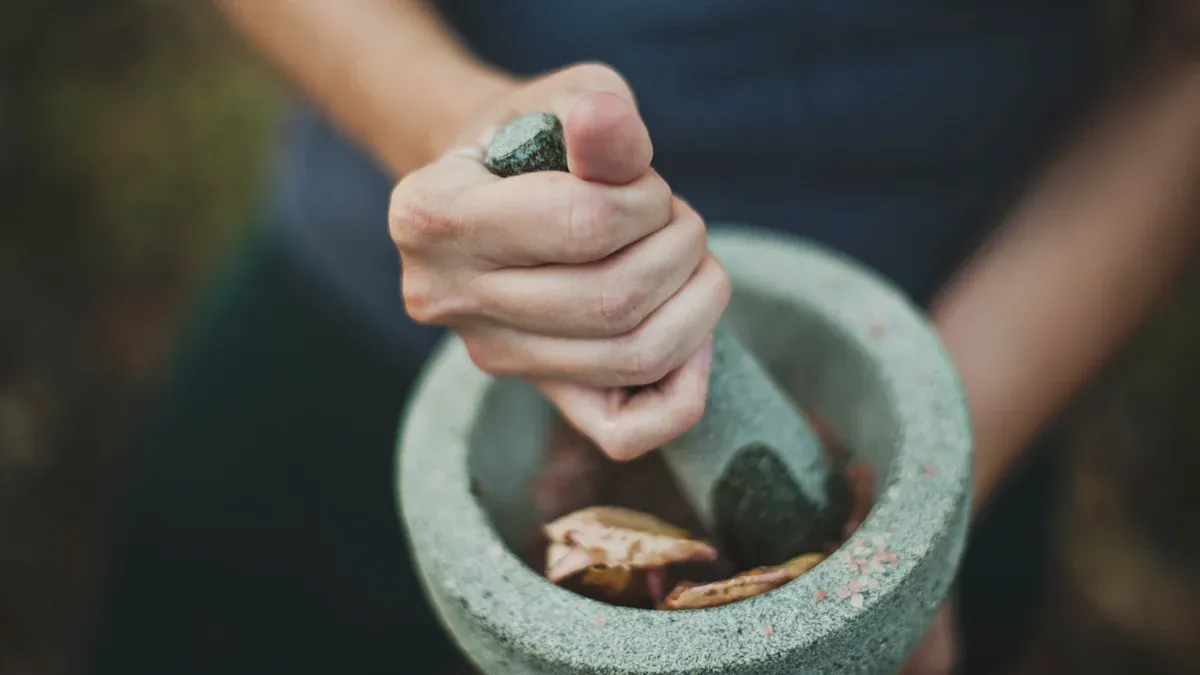
Traditional Remedies
You can find many traditional remedies that use chamber bitter for different health problems. People often use the whole plant in decoctions to treat jaundice, diarrhea, and hepatitis B. Some use tinctures for their antimicrobial and antiviral effects. Fresh chamber bitter works as a poultice for ulcers and skin sores. Cold water infusions help with mouth thrush. Many cultures value chamber bitter cures for its therapeutic benefits.
Remedy/Preparation | Conditions Treated |
|---|---|
Decoction of whole plant | Jaundice, enteritis, diarrhea, dropsy, Hepatitis B |
Decoction | Dysentery, diabetes, malaria, anti-cancer properties |
Tincture | Antimicrobial, effective against Helicobacter pylori |
Fresh herb as poultice | Ulcers, swelling, sores, itches |
Cold water infusion | Thrush |
General use | Hepatoprotective, cardiovascular protection, blood pressure reduction |
Preparation Methods
You can prepare chamber bitter in several ways. Herbal teas use dried or fresh herbs steeped in hot water. Decoctions require boiling the herb for a stronger effect. Tinctures use alcohol to extract active compounds. Each method offers unique medicine for your needs.
Herbal Tea: Steep 1 tablespoon dried or 2 tablespoons fresh herb in 1 cup boiling water for 5–10 minutes.
Herbal Decoction: Boil 1 cup dried herbs in 4 cups water, simmer for 15–30 minutes, then strain.
Herbal Tincture: Fill a jar two-thirds full with dried herb, cover with alcohol, shake daily for 4–6 weeks, then strain.
Herbal teas work well for daily use. Decoctions suit chronic conditions. Tinctures provide quick absorption. Chamber bitter acts as a diuretic and supports antiviral and antimicrobial medicine.
Tip: Store dried herbs in airtight glass jars in a cool, dry place. Label jars with the plant name and date.
Safety and Precautions
Chamber bitter is safe when you use it as recommended. No side effects have been reported. You should avoid over-dosage. Always check the quality of stored herbs before use. If you have health concerns, talk to a healthcare provider before starting new medicine. Chamber bitter offers antiviral support and many therapeutic benefits, but safety comes first.
You discover Chamber Bitter offers many health benefits and traditional uses. The plant helps treat jaundice, hepatitis B, and supports your liver. You find it useful for ulcers and heart protection.
Health Benefit/Traditional Use | Description |
|---|---|
Treatment of Jaundice | Used in TCM as a decoction to treat jaundice. |
Hepatitis B Treatment | Used for Hepatitis B in China and Taiwan. |
Anti-Cancer Properties | Shows effectiveness against cancer cells. |
Topical Treatment | Fresh herb used for ulcers and sores. |
You should prepare remedies safely. Always talk to your doctor before trying new herbal options. Exploring natural health can help you learn more about plants like Chamber Bitter.
FAQ
What is the best way to store chamber bitter herbs?
You should keep dried chamber bitter herbs in airtight glass jars. Place jars in a cool, dry spot. Label each jar with the plant name and date.
What health problems can chamber bitter help with?
You may use chamber bitter for liver support, kidney stones, and digestive issues. Many people find it useful for infections and inflammation.
What are common preparation methods for chamber bitter remedies?
You can make herbal teas, decoctions, or tinctures. Use dried or fresh herbs for teas. Boil herbs for decoctions. Alcohol extracts work for tinctures.