

Do people truly consider organ meats healthy? Many overlook foods like chicken liver. After World War II, offal fell out of favor. People viewed it as “the food of the poor.” However, chicken liver is a truly nutrient-dense food. It offers a rich source of iron and essential vitamins. This makes it a nutritional powerhouse. This blog explores why chicken liver nutrition offers significant benefits and how to safely incorporate this liver into a healthy diet.
Key Takeaways
Chicken liver is a nutrient-rich food. It provides lots of iron, B vitamins, and Vitamin A. These nutrients help your body stay healthy.
Eating chicken liver can boost your energy. It helps your brain work better. It also makes your immune system stronger.
Chicken liver has many health benefits. It helps prevent anemia. It also supports good vision and cell growth.
Eat chicken liver in small amounts. One to two servings a week is usually enough. Too much can cause problems, especially with Vitamin A.
You can make chicken liver taste better. Soak it in milk before cooking. Mix it with other foods like ground meat.
Chicken Liver Nutrition: A Nutrient Profile
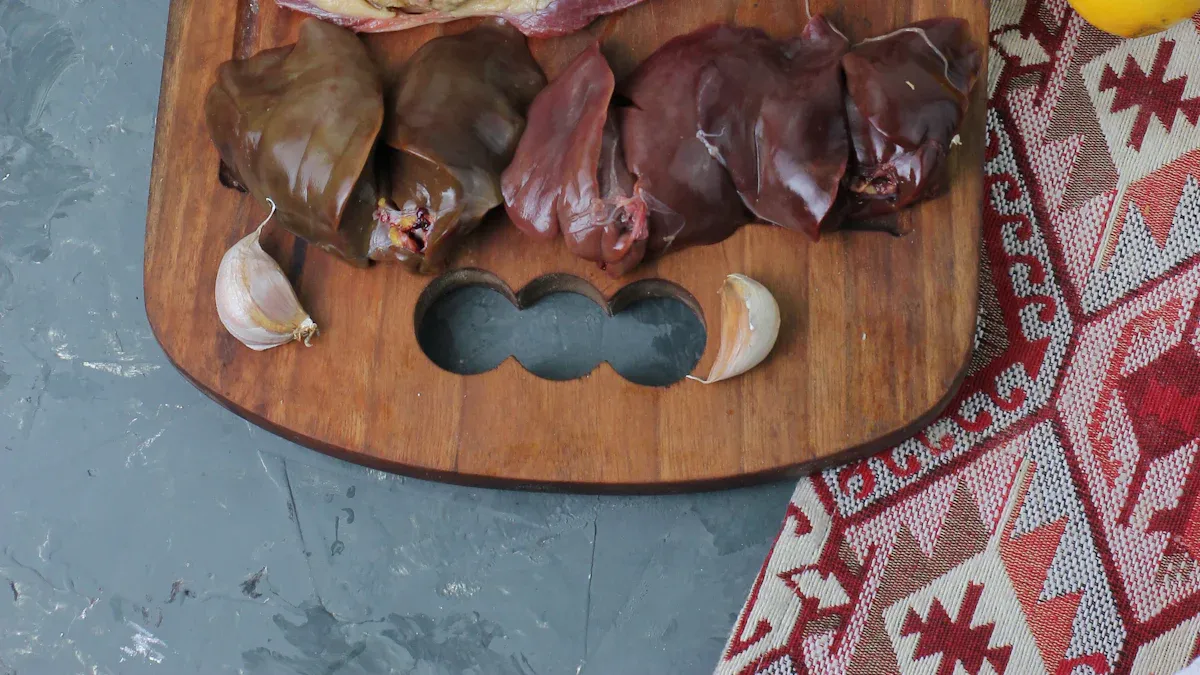
Chicken liver stands out as a truly nutrient-dense food. It offers a superior nutrient profile compared to many muscle meats. This makes it a powerhouse of essential nutrients. Many consider chicken liver a “nature’s multivitamin” due to its rich content.
Nutrient | Value per 100g Serving |
|---|---|
Iron | 50% Daily Value |
Vitamin B7 (Biotin) | 775% Daily Value |
Vitamin B12 (Cobalamin) | 691% Daily Value |
Vitamin A | 366% Daily Value |
Vitamin B9 (Folate) | 147% Daily Value |
Vitamin B2 (Riboflavin) | 137% Daily Value |
Vitamin B5 (Pantothenic Acid) | 125% Daily Value |
Vitamin B3 (Niacin) | 61% Daily Value |
Vitamin B1 (Thiamin) | 25% Daily Value |
Protein | 16.9 grams |
Choline | 35% Daily Value |
Selenium | 99% Daily Value |
Zinc | 24% Daily Value |
Phosphorus | 24% Daily Value |
Organ meats, including liver, contain significantly more nutrients than muscle meat. They often have 10 to 100 times more. While beef liver is often considered more nutrient-dense overall, chicken liver offers distinct advantages. Beef liver has more protein and Vitamin A. Chicken liver, however, contains more iron and calcium. Both are nutritious choices.
High in Iron: Anemia Prevention
Chicken liver is an excellent source of iron. It is one of the best dietary sources for this vital mineral. The iron found in liver is heme iron. The body absorbs heme iron much more efficiently than non-heme iron from other foods.
A 3-ounce serving of cooked chicken liver provides about 9.86 mg of iron. This amount fulfills a significant portion of daily iron needs. For adult males (19-50), the daily recommended intake is 8 mg. For adult females (19-50), it is 18 mg. One serving of chicken liver can meet half to all of an adult’s daily iron requirements. This makes chicken liver nutrition crucial for preventing iron deficiency and anemia.
Meat Type | Iron Content (mg/kg) |
|---|---|
Chicken Liver | Considerably Higher |
Breast Chicken | 5 |
Beef Steaks | 14 |
Pork Chop | 13 |
Duck Meat | 24 |
Mutton Meat | 17 |
Chicken liver has considerably higher iron content than common muscle meats.
B Vitamins: Energy and Brain Health
Chicken liver is rich in B-vitamins. These include Folate (B9), Biotin (B7), Riboflavin (B2), Thiamin (B1), Niacin (B3), Pantothenic Acid (B5), and Vitamin B12. These B vitamins are crucial for the body’s energy production. They help release energy from foods. They are vital for energy metabolism.
Vitamin B12 (Cobalamin): This vitamin contributes to red blood cell formation and DNA synthesis. It also supports healthy brain function. Chicken liver provides 691% of the Daily Value for vitamin B12.
Riboflavin (B2): This B-vitamin plays a crucial role in energy production. It impacts redox reactions and energy metabolism. It is also essential for ATP production.
Folate (B9): This essential nutrient plays a role in cell growth and DNA formation.
Vitamin A: Vision and Immunity
Chicken liver is an outstanding source of Vitamin A. It provides 366% of the Daily Value per 100g serving. This vitamin exists in forms like retinol, retinal, and retinoic acid. Vitamin A is essential for good vision. It also plays a critical role in immune system function.
Vitamin A enhances the immune system. It improves immune function against infectious diseases. It inhibits viral infection and suppresses excessive inflammation. This vitamin increases antibody responses. A deficiency in Vitamin A harms lymphoid tissue growth and development. It also suppresses T-cell responses. Vitamin A is essential for antibody production during stress. It helps the immune system combat microbial pathogens. It also enhances responses to vaccines.
Essential Minerals: Choline, Selenium, Copper
Beyond vitamins and iron, chicken liver provides other essential nutrients. It contains important minerals like choline, selenium, and copper.
Nutrient | Amount per 100g |
|---|---|
Choline | 194mg |
Selenium | 55µg |
Copper | 0.49mg |
Choline is vital for brain health and liver function. Selenium acts as a powerful antioxidant. It supports thyroid function and immune health. Copper is necessary for iron metabolism and red blood cell formation. These minerals contribute to the overall nutrient density of chicken liver.
Health Benefits of Chicken Liver
Chicken liver is a truly nutrient-dense food. Its rich profile of essential nutrients contributes significantly to overall well-being. This makes it a valuable addition to a healthy diet. Organ meats, like chicken liver, offer a concentrated source of vitamins and minerals.
Boosting Energy and Reducing Fatigue
Chicken liver is highly effective in combating fatigue. It provides a powerful combination of iron, folate, and B vitamins. These nutrients are crucial for energy production. They help overcome anemia, a common cause of low energy. Iron helps create red blood cells. These cells carry oxygen throughout the body. Chicken liver is an excellent source of iron. This easily digestible iron directly helps combat fatigue and boosts energy levels.
Liver is also exceptionally high in vitamin B12. This vitamin supports red blood cell formation and improves cellular function. It aids nervous system function, metabolism, and brain health. Sufficient B12 intake prevents deficiencies that cause fatigue, muscle weakness, and brain fog. Folate and other B vitamins also play a vital role in energy production and cell regeneration.
Supporting Cognitive Function
The B vitamins found in liver are essential for brain health. Vitamin B12, in particular, supports proper brain function and cognition. It also influences mood and energy levels. Choline, another important nutrient in chicken liver, is vital for brain development and function. These nutrients work together to support a healthy nervous system. They help maintain sharp mental clarity.
Enhancing Immune System
Chicken liver significantly enhances the immune system. It contains high levels of vitamin A. Vitamin A is essential for a healthy immune system. It improves immune function against infectious diseases. This vitamin helps the body fight off pathogens. It also supports the growth and development of lymphoid tissue. Zinc, another mineral present in chicken liver, is critical for immune health and wound healing. These components strengthen the body’s defenses.
Promoting Overall Wellness
Chicken liver promotes overall wellness in many ways. It is rich in protein, which is vital for building and repairing tissues. It also contains highly absorbable minerals such as iron, copper, zinc, and selenium. These surpass the content found in many plant-based foods. Liver is one of the few food sources of vitamin D3, the active form of vitamin D. This vitamin is difficult to obtain sufficiently from diet alone.
Chicken liver also supports cardiovascular health. Chicken liver hydrolysates (CLHs) show antioxidant, lipid-lowering, and antihypertensive effects. These benefits come from free amino acids and bioactive dipeptides like carnosine and anserine. Carnosine and anserine have antioxidative properties and help regulate pH. Chicken liver is also an excellent source of taurine. Taurine is a nutrient known to protect the heart and cardiovascular system. Consuming taurine-rich foods like chicken liver can help support heart health.
While specific research directly on chicken liver’s overall health benefits is limited, its rich nutrient profile speaks for itself. It provides essential nutrients like vitamin A, iron, folate, zinc, and B12. These are crucial for reproduction, vision, growth, development, and preventing birth defects. They also contribute to healthy sleep and mental health. This makes chicken liver a truly nutritious food for comprehensive health.
Safe Consumption and Considerations
Chicken liver offers many nutrients. However, people should consume it mindfully. Certain aspects require attention to ensure safe intake.
Cholesterol Content
Chicken liver contains cholesterol. A 100-gram serving of pan-fried chicken liver has 564 mg of cholesterol. This amount is significant.
Food Item | Cholesterol (mg) |
|---|---|
Chicken, liver, all classes, pan-fried | 564 |
Most healthy individuals do not experience significant increases in blood cholesterol from dietary cholesterol. The body regulates its own cholesterol production. People with specific health conditions, like high cholesterol, should consult a doctor. They can determine appropriate intake levels for organ meats.
Vitamin A Toxicity Risks
Chicken liver is very rich in vitamin A. Excessive intake of vitamin A can lead to toxicity. The Tolerable Upper Intake Level (UL) for vitamin A for adults is 3,000 µg RE (retinol equivalents) or 10,000 IU per day.
Symptoms of acute vitamin A toxicity include:
Nausea, vomiting, headache
Dizziness, irritability, blurry vision
Increased pressure inside the skull
Chronic toxicity can cause:
Dry, itchy skin, hair loss
Pain in bones and joints, fatigue
Loss of appetite, weight loss
Pregnant individuals must be especially careful with vitamin A intake. High doses can cause teratogenic effects. These include facial abnormalities and problems with the brain and nervous system in a developing fetus.
Purine Content and Gout
Chicken liver contains purines. The body breaks down purines into uric acid. High levels of uric acid can trigger gout attacks in susceptible individuals.
Food Item | Uric Acid (mg/100g) |
|---|---|
Pork liver | 300 |
Calf’s liver | 460 |
Beef liver | 554 |
Sweetbread (thymus gland) | 1260 |
Mackerel, raw, with skin | 400 |
Sardine | 345 |
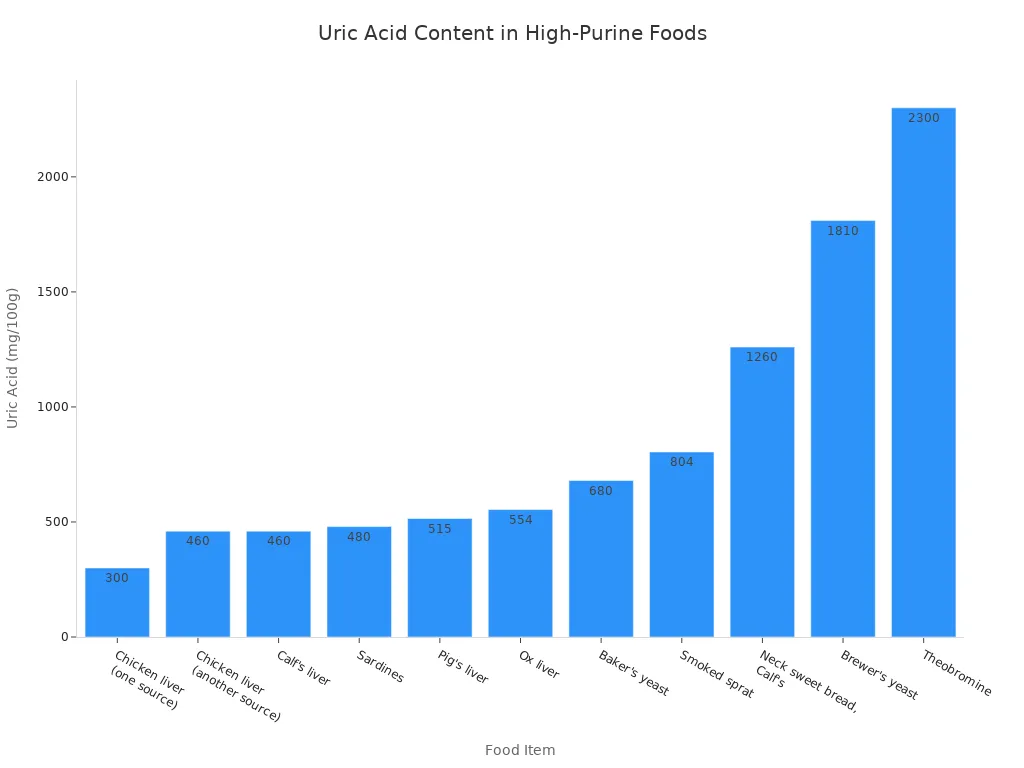
Chicken liver has a moderate purine content compared to some other organ meats or seafood. People with gout should consume it in moderation.
Recommended Serving Guidelines
Moderation is key when consuming chicken liver. For most adults, one to two servings (about 3-4 ounces or 85-113 grams) per week is a good guideline. This provides the benefits of its protein and vitamin content without risking excessive vitamin A.
Pregnant individuals have specific recommendations due to vitamin A.
Some guidelines suggest consuming 3 ounces of liver over a week. This means less than half an ounce per day.
Other research indicates an upper limit of 3,000-4,500 μg/mcg per day after the first 60 days of pregnancy. This allows for 3 ounces of liver every 2-3 days.
The Weston Price Foundation recommends 3-4 ounces of fresh liver once or twice per week for pregnant and nursing mothers.
A safe and effective amount during pregnancy is 1-2 servings per week (approximately 50-75g per serving).
Always consult a healthcare provider for personalized dietary advice, especially during pregnancy.
Practical Tips for Enjoying Liver
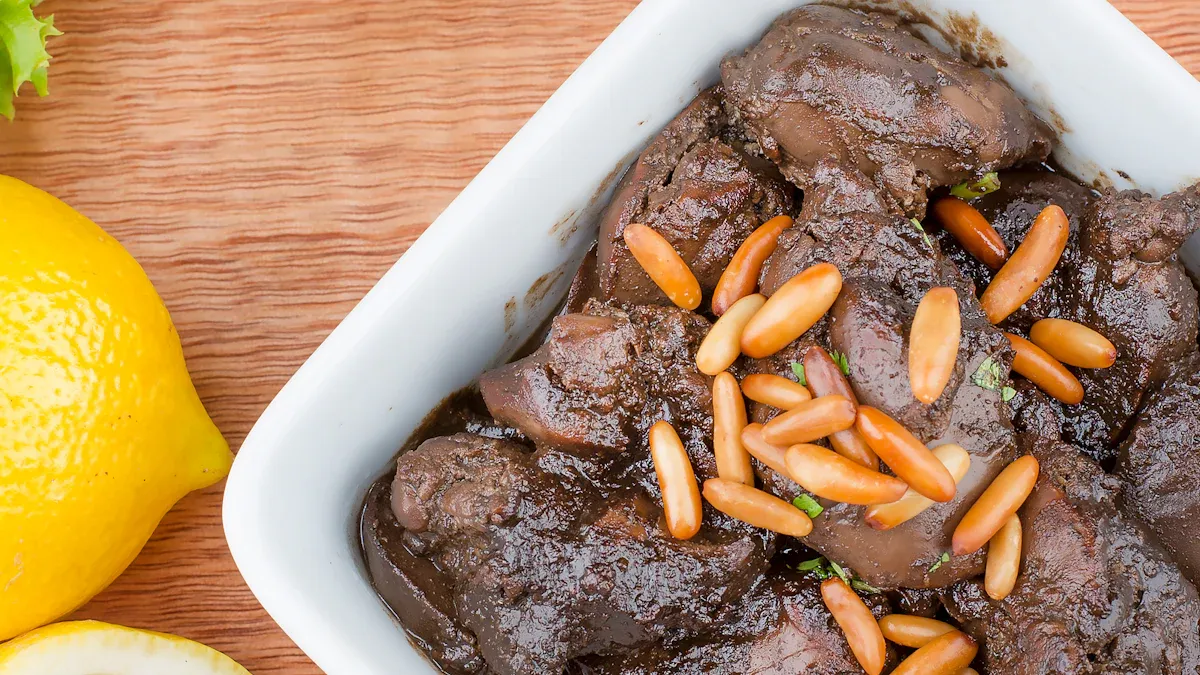
Many people want to incorporate nutrient-dense foods like liver into their diet. These practical tips help make chicken liver a delicious and regular part of meals.
Sourcing and Selection
Choosing fresh liver is the first step. Fresh poultry liver should have a slightly lighter hue than beef or lamb liver. It should appear bright red. Look for a smooth, moist texture without graininess. The packaging should be proper and chilled. Avoid liver that feels overly soft or mushy. A critical sign to watch for is green patches. Normal liver ranges from tan-red to mahogany. Green discoloration indicates an issue, often from bile leakage during processing. While one can remove these green bits, they suggest mishandling. For guaranteed freshness and ethical sourcing, consider purchasing directly from farms.
Preparation Techniques
Proper preparation helps preserve the nutritional value of organ meats. Cooking methods like sous-vide (60 °C/75 min), steaming, and grilling are excellent choices. These methods help retain folate content. Before cooking, rinse the liver and pat it dry. Trim any visible veins or connective tissue.
Recipe Ideas and Pairings
Chicken liver pairs well with many flavors. Sauté it with caramelized onions for a sweet contrast. Apples, pears, or figs also add sweetness and tartness. Bacon provides a smoky, salty crispness. Garlic and rosemary offer fragrant and savory depth. Paprika, either sweet or smoked, adds warmth. Tangy elements like pickle juice or mustard powder cut through richness. Pomegranate molasses provides a sweet and tart balance to the minerality of the liver.
Masking Strong Flavors
Some people find the strong flavor of liver challenging. Soaking the liver helps reduce bitterness and iron taste. Soak it in milk, lemon juice, or vinegar for 30 minutes to 2 hours before cooking. Buttermilk is highly effective due to its lactic acid. It tenderizes the liver and draws out strong flavors. Gentle cooking also helps. Pan-sear it quickly in butter or ghee. Leave it slightly pink inside to keep it tender. Overcooking makes it tough and chalky. Blending liver into ground meat, meatballs, or stews can dilute its strong flavor. Pureeing it into dishes like burgers, meatloaf, or bolognese sauce also works well.
Chicken liver is a truly nutritious and incredibly nutrient-dense food. It offers significant health benefits, particularly its rich iron and diverse vitamin content. This organ meats powerhouse boosts energy, supports cognitive function, and enhances the immune system. The vitamin profile in organ meats like chicken liver is exceptional. While chicken liver nutrition provides many advantages, mindful consumption is important. People should balance reaping benefits with being aware of potential concerns. Consider incorporating this powerful liver into your diet, perhaps starting with small amounts. This allows you to experience its many vitamin and iron advantages. Make informed dietary choices for overall well-being and better nutrition.
FAQ
What makes chicken liver a superfood?
Chicken liver is a superfood because it contains many nutrients. It offers high levels of iron, B vitamins, and vitamin A. These nutrients support energy, brain health, and immunity. It also provides essential minerals like choline and selenium.
What are the main risks of eating too much chicken liver?
Eating too much chicken liver can lead to vitamin A toxicity. This causes symptoms like nausea and headaches. It also contains cholesterol. People with certain health conditions should monitor their intake. Individuals with gout should also limit consumption due to purine content.
What is a recommended serving size for chicken liver?
Most adults can safely eat one to two servings of chicken liver per week. A serving is about 3-4 ounces (85-113 grams). Pregnant individuals should consult a doctor for specific vitamin A guidelines. They often need to limit intake more strictly.
What are some ways to make chicken liver more palatable?
People can soak chicken liver in milk or lemon juice before cooking. This reduces its strong flavor. Cooking it gently, leaving it slightly pink, also helps. Blending liver into ground meat or stews can mask its taste. Pairing it with sweet or tangy ingredients also works well.