

Cooked garbanzo beans provide a mix of essential and nonessential amino acids. Chickpeas contain all nine essential amino acids, but methionine and cysteine occur in lower proportions than your body needs from a single protein source. One cooked cup provides about 14 to 15 grams of protein.
Here, you can compare cooked portions, amino acid amounts, protein-quality scores, digestion factors, and practical food pairings for vegetarian, vegan, and mixed diets.
Cooked Chickpeas Provide Moderate Protein With Carbohydrate and Fiber
That protein total starts with a realistic serving size. One cup of cooked Chickpeas (garbanzo beans) contains roughly 14 to 15 grams of protein, along with carbohydrate, fiber, and water. Chickpeas are a mixed-macronutrient food, not a meat-like protein food ounce for ounce.
Your portion size changes the protein estimate quickly because cooked beans hold substantial water. A 1/2-cup serving provides about 7.3 grams of protein, while a 150-gram serving provides about 13.3 grams. The carbohydrate content still matters, especially if you are building a meal around rice, bread, or another starch.
Cooked Portions Contain Water Along With Protein
A drained cup of home-cooked chickpeas weighs close to 164 grams, though canned beans can weigh slightly differently after rinsing and draining. USDA FoodData Central lists boiled mature chickpeas without salt at about 8.86 grams of protein per 100 grams. That works out to about 14.5 grams in a 164-gram cup.
Dry beans look more protein-dense on a label because they contain very little water. A 100-gram dry chickpea portion may list more than 20 grams of protein, but boiling adds water and increases the finished weight. Protein stays in the bean, while its concentration per gram falls as starch granules absorb water and soften.
| Portion on your plate | Typical weight | Protein estimate | What changes the figure |
|---|---|---|---|
| Cooked chickpeas | 100 g | About 8.9 g | Water absorbed during cooking |
| Cooked chickpeas | About 82 g or 1/2 cup | About 7.3 g | How firmly the cup is filled |
| Cooked chickpeas | About 164 g or 1 cup | About 14.5 g | Drainage, variety, and preparation |
| Dry chickpeas | 100 g dry | More than 20 g | Minimal moisture before soaking |
Canned chickpeas can fit your meal plan as well as home-cooked beans for protein purposes. Rinsing removes some surface sodium and can make the flavor less briny, but it does not turn a 1/2-cup serving into a high-protein meal. Those serving numbers make the amino acid pattern easier to interpret.
Those serving figures matter most when considering whether chickpea protein supplies the full amino acid spectrum.
Cooked Chickpeas Contain Every Essential Amino Acid
Beyond total protein, the balance of amino acids determines how the protein functions in your diet. Cooked chickpeas contain all nine Essential amino acids, including methionine and tryptophan. The practical issue is proportion, not literal absence.
Amino acids support protein synthesis, enzymes, signaling molecules, and tissue turnover. The least available indispensable amino acid can limit how effectively the body uses the rest of a food’s protein. That limiting amino acid concept explains why a food can have a full amino acid list without being a high-quality standalone protein.
USDA FoodData Central Lists Cooked Amino Acid Amounts
Per 100 grams, the values below come from the USDA FoodData Central entry for boiled mature chickpeas without salt. These figures describe a cooked food, not a dry scoop of beans. Multiply each value by your serving weight divided by 100 to estimate what is on your plate.
| Amino acid in cooked chickpeas | Amount per 100 g | Amount in a 1 cup portion | Why it matters |
|---|---|---|---|
| Total protein | 8.86 g | About 14.5 g | All amino acids together |
| Histidine | 0.253 g | About 0.42 g | Essential amino acid |
| Isoleucine | 0.375 g | About 0.62 g | Branched-chain amino acid |
| Leucine | 0.632 g | About 1.04 g | Branched-chain amino acid |
| Lysine | 0.593 g | About 0.97 g | Higher than in many grains |
| Methionine | 0.116 g | About 0.19 g | Sulfur-containing essential amino acid |
| Phenylalanine | 0.445 g | About 0.73 g | Essential amino acid |
| Threonine | 0.302 g | About 0.50 g | Essential amino acid |
| Tryptophan | 0.093 g | About 0.15 g | Essential amino acid |
| Valine | 0.400 g | About 0.66 g | Branched-chain amino acid |
Leucine, isoleucine, and valine are branched-chain amino acids because their chemical structures contain branching carbon chains. A cup of cooked chickpeas supplies about 2.3 grams across those three amino acids, with leucine contributing the largest amount. For your strength-training meal, that is useful protein, although it is less concentrated than eggs, dairy, fish, or soy foods.
Essential Amino Acids Have Different Dietary Roles
Histidine, isoleucine, leucine, lysine, methionine, phenylalanine, threonine, tryptophan, and valine are essential because your body cannot make enough of them to meet its needs. Chickpeas contain all nine. Alanine, aspartic acid, glutamic acid, glycine, proline, serine, and tyrosine also occur in the bean and contribute to total protein.
Lysine gives legumes a useful role beside cereal grains. Rice, wheat, corn, and oats tend to provide less lysine, while Legumes such as chickpeas supply more. That contrast helps explain familiar meals such as chickpea rice bowls and whole-wheat pita with hummus, while also pointing to chickpeas’ weaker sulfur-amino-acid side.
Yet having all essential amino acids does not mean each appears in equally useful proportions when eaten alone.
Chickpeas Have a Methionine Limitation as Standalone Protein
That lysine strength does not erase the weaker side of the pattern. Chickpeas contain every essential amino acid, yet they do not supply each amino acid in the proportions used for protein-quality scoring. Methionine is modest relative to human amino acid requirements, so chickpeas are not an ideal standalone Complete protein.
Your full meal pattern matters more than a label attached to one ingredient. Protein quality depends on amino acid balance, digestibility, serving size, and the other foods you eat across the day. A bowl of chickpeas can make a valuable contribution without carrying every nutritional role alone.
Methionine and Cysteine Form the Limiting Pattern
Methionine and cysteine are sulfur-containing amino acids. Methionine is essential, while cysteine can be made from methionine under suitable conditions. In chickpeas, the combined sulfur amino acids form the Limiting amino acid pattern.
The limitation works like a factory line with one small box of bolts. Steel, wire, and labor may all be available, but output cannot exceed the available bolts. Similarly, protein synthesis can be constrained by the indispensable amino acid available in the lowest relative amount.
Chickpeas do contain methionine and cysteine. Their proportion is lower relative to lysine and several other amino acids, so sulfur amino acids are low rather than absent.
The Complete-Protein Label Needs Context
In a broad chemical sense, chickpeas contain all nine essential amino acids. In everyday nutrition language, are chickpeas a complete protein depends on the definition you use. They have a full amino acid profile, but their balance and digestibility are weaker than high-quality animal proteins and some soy foods.
Amino acid reference patterns compare a food’s indispensable amino acids with human needs at different life stages. Protein-quality methods also factor in digestibility, which can lower the usable score of a whole legume. That approach aligns with standards from the World Health Organization and the Food and Agriculture Organization.
Because no single food needs to do every job, you can build better balance with other protein sources. Grains are particularly useful because their amino acid pattern contrasts with the pattern in chickpeas. That food-to-food comparison shows why traditional pairings work so well.
Because sulfur amino acids are relatively scarce, foods with a different protein profile can fill the gap.
Grains and Chickpeas Supply Complementary Amino Acid Strengths
The methionine gap becomes clearer beside foods with a different protein pattern. Chickpeas contain more lysine than rice, wheat, corn, and oats, while many Whole grains provide more methionine per gram of protein. Your plate can use that contrast rather than treating plant foods as nutritional rivals.
Complementary proteins do not need to produce a mathematically perfect ratio at every bite. They simply bring different amino acid strengths to the same dietary pattern. Rice and chickpeas, for example, improve each other’s relative weak points while also adding carbohydrate, fiber, and energy.
Legumes, Grains, Soy Foods, and Animal Proteins Differ
| Food group in your meal | Protein pattern | Common strength | Common shortfall |
|---|---|---|---|
| Chickpeas and many beans | Lysine-rich legume pattern | Lysine | Methionine and cysteine |
| Lentils | Similar legume pattern | Lysine and total protein | Sulfur amino acids |
| Rice, wheat, corn, and oats | Cereal-grain pattern | More sulfur amino acids | Lysine |
| Soy foods | Higher-quality plant pattern | More balanced essentials | Digestibility varies by form |
| Eggs, dairy, fish, and meat | Animal-protein pattern | High digestibility and balance | Food choice depends on your diet |
Lentils, black beans, kidney beans, and chickpeas share a broad legume signature: useful lysine, fiber, starch, and a lower sulfur-amino-acid proportion. Soybeans differ because soy protein has a more balanced essential amino acid distribution. Tofu, tempeh, soy milk, and edamame can give your plant-based meal a denser protein anchor than chickpeas alone.
Animal foods are not defined by protein grams alone. Eggs, milk, yogurt, fish, poultry, and meat tend to provide digestible protein with amino acid proportions that closely match human needs. Your diet may include these foods, exclude them, or use them sparingly according to your preferences and health needs.
Protein Scores Account for Digestibility
Protein Digestibility-Corrected Amino Acid Score, or PDCAAS, adjusts a protein’s limiting amino acid score using fecal protein digestibility. It became widely used for food-protein evaluation in the 1990s. PDCAAS has known limits because it truncates scores at 1.0 and uses fecal rather than ileal digestibility data.
Digestible Indispensable Amino Acid Score, or DIAAS, measures the digestibility of each indispensable amino acid at the end of the small intestine. That method can distinguish between amino acids within the same food instead of relying on total protein digestibility alone. The Food and Agriculture Organization favors DIAAS as the more physiologically direct scoring approach.
Whole-food structure also affects what your digestive system can access. In a cooked chickpea, protein sits inside a matrix of starch, fiber, and plant cell walls. Chewing, cooking, and digestive enzymes must break through that structure before absorption occurs, which is why pairing and preparation both matter.
Beyond amino acid balance, digestion and food structure influence how much of that combined protein the body uses.
Grains, Seeds, and Soy Foods Improve Chickpea Meals
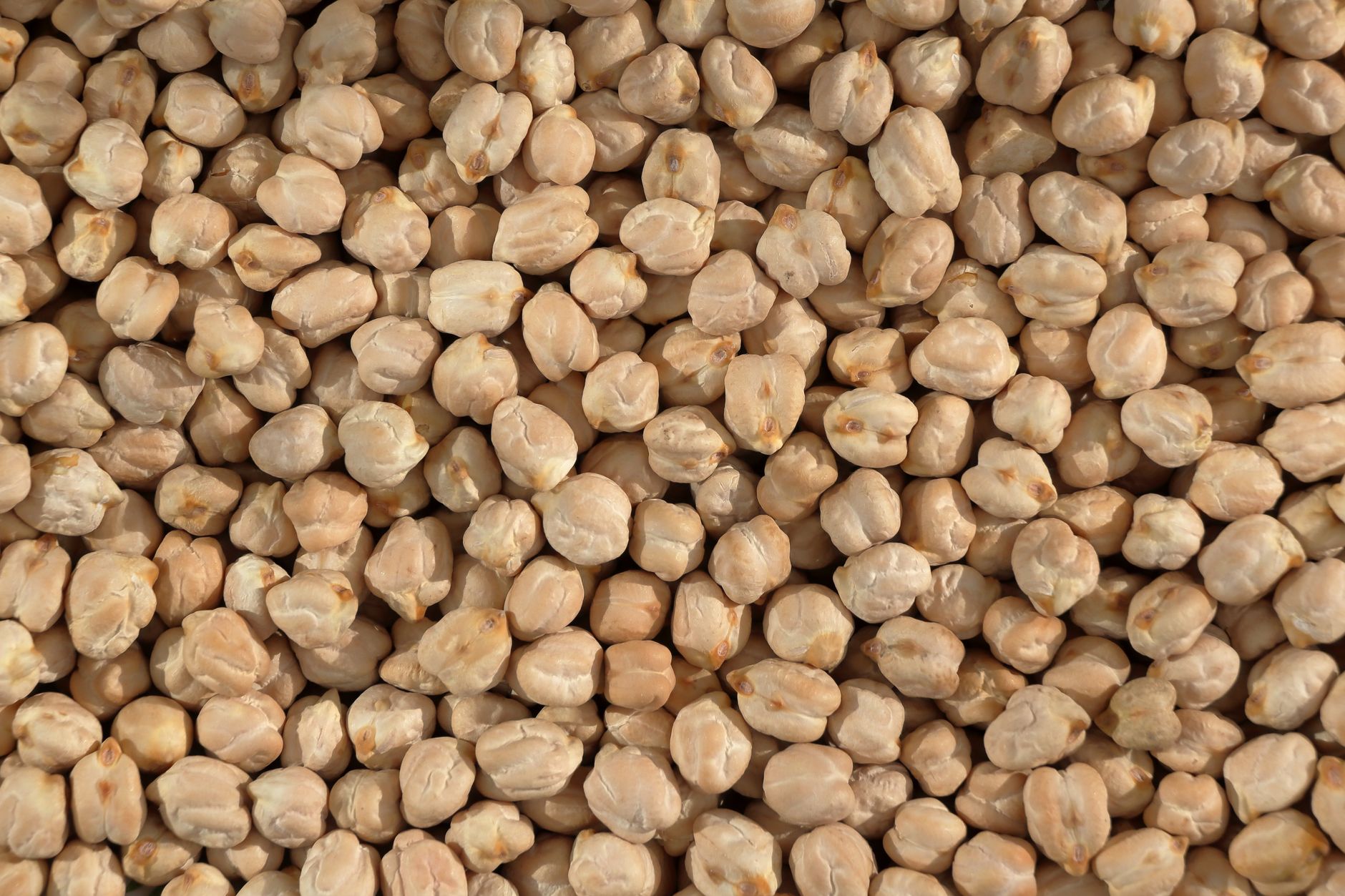
Once you understand the protein tradeoff, meal pairings become straightforward. Rice beside chickpea curry contributes a grain amino acid pattern that helps cover chickpeas’ lower methionine share. Chickpeas return the favor by raising the lysine contribution that rice lacks.
Your meal does not need a laboratory-style formula. A practical combination of chickpeas, a grain, vegetables, and a seed-based topping can provide a broader essential amino acid mix than chickpeas alone. Portion size remains important because a tablespoon of hummus does not supply the same protein as a full cup of beans.
Familiar Meals Use Complementary Proteins
- Whole-wheat pita and hummus pair wheat’s sulfur amino acids with chickpeas’ lysine-rich protein in a familiar snack or meal.
- Rice with chickpea curry combines a cooked grain and legumes while adding carbohydrate, fiber, and moderate protein.
- Couscous chickpea salad brings wheat, chickpeas, herbs, tomatoes, and olive oil into a portable lunch bowl.
- Oats and roasted chickpeas create a savory grain bowl with greens, lemon, and a seed-based topping.
- Tahini chickpea dressing adds sesame seed protein and unsaturated fat to hummus, salads, grain bowls, or roasted vegetables.
- Seed-topped chickpeas use pumpkin, sunflower, hemp, or sesame seeds to add sulfur-containing amino acids to the meal.
Hummus with whole-wheat pita is useful because the serving pattern is realistic. A thin smear of hummus adds little protein, while a generous portion with pita, vegetables, and pumpkin seeds makes a more substantial meal. Your actual serving, not the dish name, determines the protein total.
Tahini does not make chickpeas complete in a precise ratio. It adds sesame-derived amino acids, calories, and unsaturated fat, but the wider meal still carries the result. A chickpea salad with couscous, tahini, and pumpkin seeds uses several protein sources instead of depending on one ingredient.
Daily Variety Works Better Than Same-Meal Rules
Older nutrition advice sometimes treated complementary proteins as foods that had to appear in the same bowl. Healthy adults who eat enough total energy can obtain essential amino acids from varied protein foods throughout the day. Breakfast oats, lunch lentils, an afternoon soy food or yogurt, and dinner chickpeas with rice can all contribute.
Daily variety needs some structure. A vegan menu built mainly from fruit, refined grains, and small bean servings may fall short on total protein or key amino acids. Regular servings of legumes, soy foods, whole grains, nuts, seeds, and fortified foods give your diet a stronger protein foundation.
That broader pattern leads naturally to portion planning. Chickpeas work best when you count their actual protein contribution instead of assuming that a bowl of beans meets every protein need. A kitchen scale and a dependable food database make that calculation much clearer.
Practical meal planning still depends on knowing how much protein each cooked serving actually contributes.
Measured Portions Help You Plan Protein Intake
A kitchen scale settles more confusion than a vague serving label. Weigh the cooked chickpeas in your bowl, then use a database entry that matches canned, boiled, roasted, or dry beans. A 150-gram cooked portion contains about 13.3 grams of protein using the USDA FoodData Central cooked value.
That estimate gives you a starting point, not a personal prescription. Protein needs vary with body size, age, energy intake, muscle-building goals, endurance training, injury recovery, pregnancy, lactation, and the proportion of plant foods in your diet. Your target may require more attention than a Daily Value percentage suggests.
Measured Portions Create More Accurate Estimates
- Weigh cooked chickpeas so your estimate starts with 85 grams, 150 grams, or another real amount instead of a visual guess.
- Match the database entry by choosing canned drained chickpeas or boiled chickpeas that resemble your preparation.
- Calculate protein grams by multiplying the listed protein value by your serving weight divided by 100.
- Review meal partners such as rice, pita, tofu, dairy, eggs, fish, nuts, or seeds before judging meal quality.
- Track the full day because amino acid adequacy depends on meals, snacks, total energy intake, and protein variety.
A 100-gram entry is a reference unit, not an instruction about how much you should eat. The U.S. Nutrition Facts Daily Value is 50 grams of protein for adults and children age four and older eating 2,000 calories. That benchmark provides label context, while an athlete with high training volume and an older adult with low appetite can face very different practical needs.
Preparation Changes Comfort More Than Amino Acid Balance
Dry chickpeas contain phytate, also called phytic acid, enzyme inhibitors, and oligosaccharides such as raffinose and stachyose. Phytate can bind minerals in the digestive tract, while raffinose-family carbohydrates reach the colon and feed gut microbes. Gas after a large bean meal does not mean protein failed to absorb, although it can affect the serving size your digestive system tolerates comfortably.
- Soak dry beans for several hours and discard the soaking water before cooking to reduce some water-soluble compounds.
- Cook until tender because firm centers leave starch and protein less accessible to digestive enzymes.
- Rinse canned beans to remove canning liquid and adjust sodium exposure within your overall meal pattern.
- Start with smaller servings while your gut adapts to more fiber, then increase portions gradually across several meals.
- Try blended forms such as hummus, chickpea flour batter, or soups when intact skins feel heavy in your stomach.
- Rotate protein foods so chickpeas share your menu with lentils, soy foods, grains, nuts, seeds, and animal foods where desired.
Sprouting starts germination and activates enzymes within the seed, which may reduce some phytate. Milling chickpeas into flour breaks cell structures, while pressure cooking softens beans quickly through higher steam pressure. These methods can change texture and digestive comfort, but none turns chickpeas into the amino acid equivalent of egg or dairy protein.
Seek individualized advice from a registered dietitian when pregnancy, lactation, kidney disease, digestive disorders, food allergies, restrictive eating, or intensive sport training shapes your protein choices.
In everyday meals, chickpeas are a dependable legume rather than a nutritional solo act. Their fiber, carbohydrate, lysine, and moderate protein fit breakfast, lunch, dinner, and snacks. Your best results come from varied protein foods and cooked portions that match your appetite and goals.
Taken together, these details place chickpeas in a realistic, flexible role within an overall protein pattern.
Bottom Line on Chickpea Protein Quality
Chickpeas bring all nine essential amino acids, about 14 to 15 grams of protein per cooked cup, and a lysine-rich pattern that complements grains. Methionine and cysteine are the lower part of the pattern, which is why chickpeas are not the strongest standalone complete protein choice.
Build your meal around measured chickpea portions, then add grains, seeds, soy foods, legumes, or animal proteins that fit your diet. This approach gives you the benefits of chickpeas without asking one food to provide every amino acid in ideal proportions.
FAQ
What is the amino acid profile of cooked chickpeas?
A serving of cooked chickpeas supplies all nine essential amino acids plus alanine, glutamic acid, glycine, proline, and serine. Your cooked chickpeas provide about 8.86 grams of protein per 100 grams, with lysine at 0.593 grams and methionine at 0.116 grams.
Do chickpeas contain all nine essential amino acids?
All nine essential amino acids appear in chickpeas: histidine, isoleucine, leucine, lysine, methionine, phenylalanine, threonine, tryptophan, and valine. Your serving still provides relatively less methionine and cysteine than high-quality animal proteins and some soy foods.
Are chickpeas a complete protein?
Although they supply every essential amino acid, chickpeas are not an ideal standalone complete protein because methionine and cysteine are relatively low and whole-bean digestibility is lower than that of eggs, dairy, fish, meat, and some soy foods. Your overall daily protein pattern can supply the missing balance.
What is the limiting amino acid in chickpeas?
Among chickpeas’ essential amino acids, methionine is the primary limiting one, while cysteine is also low because both are sulfur-containing amino acids. Chickpeas contain these amino acids, but your body receives them in a lower proportion than lysine and several other essential amino acids.
How much protein is in one cup of cooked chickpeas?
About 164 grams of cooked chickpeas fit in one cup and provide roughly 14 to 15 grams of protein. Your final amount can vary with drainage, water absorbed during cooking, canning liquid, and how firmly the cup is filled.
What foods pair well with chickpeas to complement methionine?
Rice, whole-wheat pita, couscous, oats, corn, pumpkin seeds, sunflower seeds, sesame, tahini, and soy foods add complementary amino acid strengths to chickpeas. Your meal can also include eggs, dairy, fish, poultry, or meat when those foods fit your diet.
