

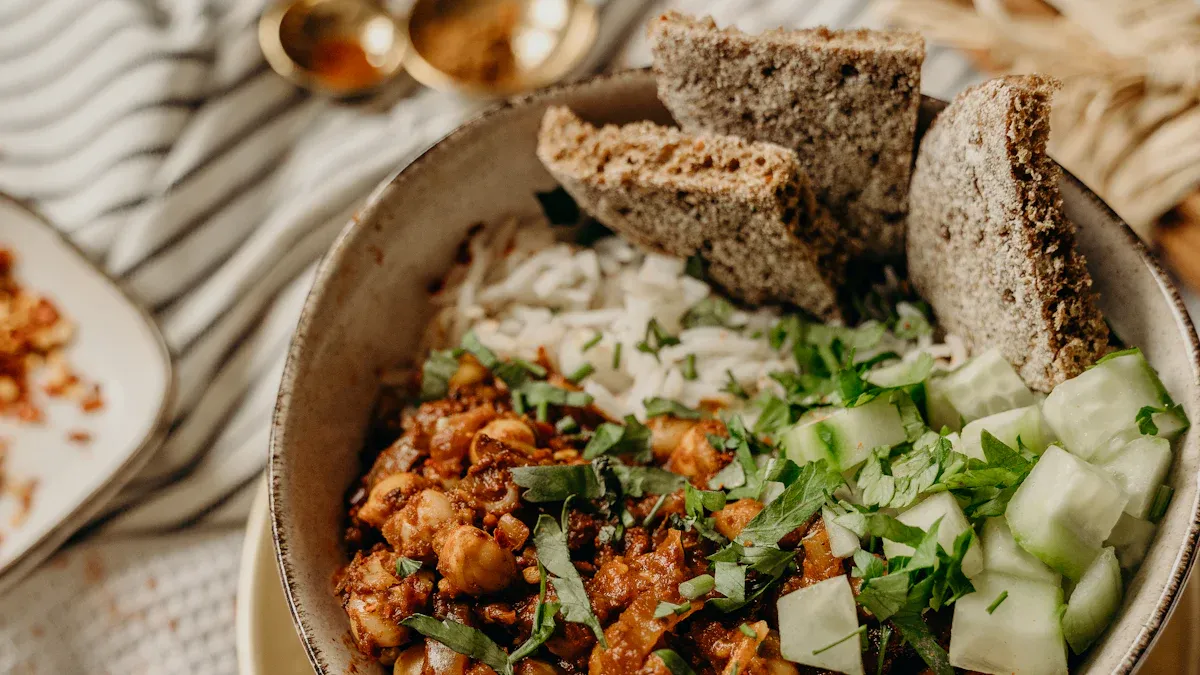
Do you ever wonder about the hidden power in your pantry? The humble chickpea, also known as garbanzo bean, offers surprising versatility. These nutrient-dense legumes are a staple in many cuisines worldwide. You will discover seven powerful health benefits of chickpeas in this article. These chickpea health benefits can significantly impact your overall well-being. Understanding these powerful health benefits helps you make informed dietary choices. Explore the many health benefits chickpeas offer.
Key Takeaways
Chickpeas are full of fiber and protein. They help you feel full and manage your weight.
Chickpeas help your digestion. They make your gut healthy and prevent constipation.
Chickpeas keep your blood sugar steady. They are good for your heart and lower bad cholesterol.
Chickpeas make your bones strong. They give you lasting energy and fight tiredness.
Chickpeas have special compounds. These compounds may help protect your body from cancer.
Chickpea Nutrition Profile
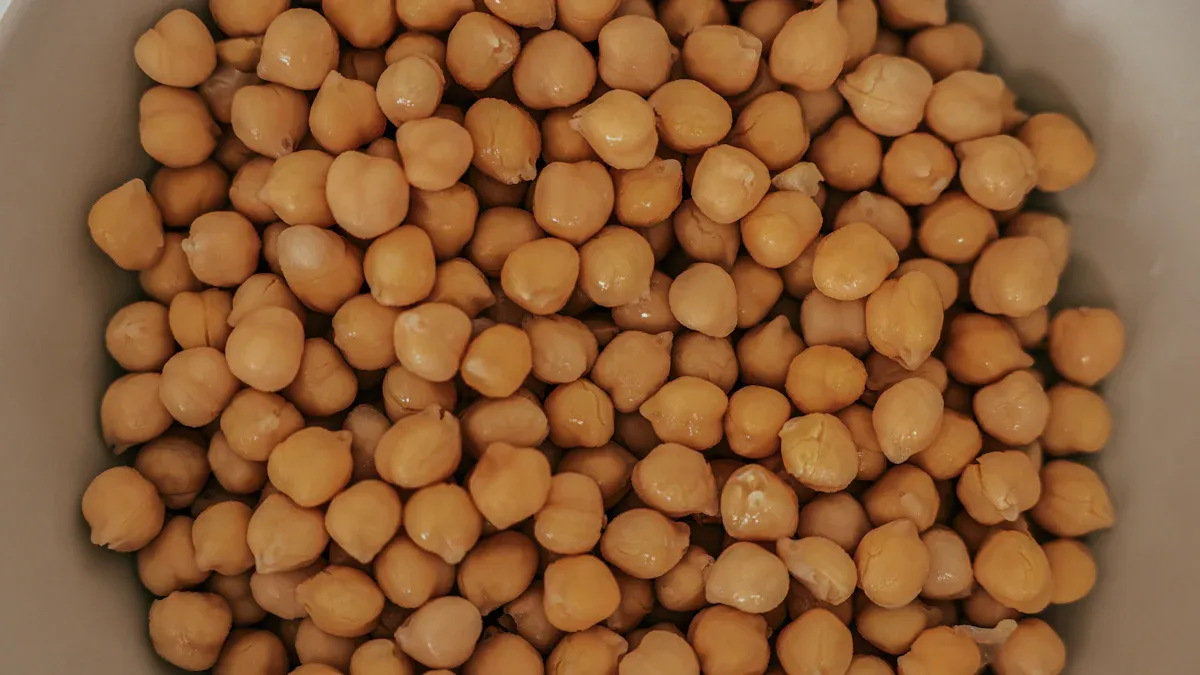
Understanding chickpea nutrition reveals many nutritional benefits. Chickpeas are a powerhouse of essential nutrients. They provide your body with what it needs to thrive. This section details the comprehensive nutritional content of chickpeas. It sets the foundation for their many health benefits.
Fiber Rich
Chickpeas are rich in fiber. You get a lot of dietary fibre from them. This fiber is important for your digestion. It also helps you feel full.
Plant Protein Source
Chickpeas are a good source of protein. They are also high in protein. This makes them a great plant-based protein option. You get essential protein for your body.
Essential Minerals
Chickpea nutrition offers many essential minerals. These minerals are vital for your body’s functions. Look at the table below to see what you get from a half-cup serving of chickpeas.
Mineral | Amount per 0.5 cup (80.0 g) serving |
|---|---|
Calcium | 40.00 mg |
Iron | 2.16 mg |
Magnesium | 48.00 mg |
Potassium | 294.40 mg |
Sodium | 8.80 mg |
Zinc | 1.20 mg |
You can also see the amounts in this chart:
Vitamins and Antioxidants
Chickpeas provide important vitamins and beneficial compounds. These compounds protect your cells. They also support various body processes.
B-Vitamins (including folate): Folate is crucial during pregnancy for neural tube development. It helps prevent congenital disabilities. B vitamins also convert food into energy. They support brain health.
Certain compounds like quercetin, kaempferol, and myricetin protect against cellular damage and inflammation. They contribute to heart health.
B vitamins: They may lower the risk of breast and lung cancers. They help manage type 2 diabetes.
Choline: This is essential for brain function. It helps produce neurotransmitters. These are chemical messengers for nerve cells.
Vitamin C: This aids in your body’s absorption of iron.
Complex Carbohydrates
Chickpeas are a good source of complex carbohydrates. These carbs give you sustained energy. They release energy slowly. This prevents quick sugar spikes. The protein and fiber in chickpeas also help this slow-release process. Hummus, made from chickpeas, provides sustained energy. Its complex carbohydrates release energy steadily. Healthy fats in tahini, an ingredient in hummus, slow carbohydrate absorption. This prevents rapid spikes in blood sugar levels.
Chickpeas have a low glycemic index. This means they do not cause a rapid rise in blood sugar.
Polyunsaturated Fats
Chickpeas contain polyunsaturated fats. These fats are important for your health. They help manage cholesterol levels. Controlling cholesterol is vital. High LDL cholesterol can clog arteries. This forms plaque and risks your heart health. Chickpeas contain polyunsaturated fatty acids. This includes linoleic acid. The unsaturated fats in chickpeas positively influence blood lipid levels. This contributes to heart health.
Supports Weight Management
Chickpeas offer significant health benefits for managing your weight. Their unique nutritional profile helps you feel full and control your calorie intake. You can effectively manage your weight by incorporating chickpeas into your diet.
Fiber for Satiety
Chickpeas are rich in fiber. This fiber helps you feel full. Soluble viscous fibre, such as galactomannans, slows stomach emptying. This increases gastric distention. You feel fuller for longer periods. This enhanced satiety helps you eat less. Chickpeas also have a low glycemic index. This means they digest slowly. Slow digestion keeps your blood sugar stable. Stable blood sugar prevents sudden hunger pangs. This sustained blood glucose helps reduce your overall calorie intake. A daily calorie deficit, from eating chickpeas, promotes weight loss over time. You could lose a pound of body fat in 20 days.
Protein for Fullness
Chickpeas also provide a good amount of protein. This plant-based protein makes you feel full after meals. High protein content stimulates gut hormones like GLP-1, GIP, and PYY. PYY is a satiety hormone. It increases feelings of fullness. Clinical studies confirm this. A randomized controlled trial in Appetite (2016) showed that eating chickpeas improves satiety. It also reduces how much food healthy adults eat later. The combined effect of protein and fiber also slows digestion. This further aids in controlling your appetite.
Calorie Control
The high fiber and protein in chickpeas work together. They help you feel satisfied. This reduces your desire to eat more. You naturally consume fewer calories. This supports your weight management goals.
Boosts Digestive Health

Chickpeas offer great health benefits for your digestive system. They help your body process food better. You can improve your overall digestive health by eating chickpeas regularly.
Bowel Regularity
Chickpeas are full of fibre. This fibre helps your digestive system work smoothly. They contain both soluble and insoluble fiber. Soluble fiber mixes with water in your gut. It forms a gel-like substance. This slows down digestion and helps your body absorb nutrients. Insoluble fiber adds bulk to your stool. This makes bowel movements easier and more regular. This dual action of fiber improves digestion. It helps food move through your system faster. This can ease constipation symptoms.
Gut Microbiome Support
Chickpeas are good for your gut health. They provide important nutrients for the good bacteria in your gut. Chickpeas contain dietary fibre and special plant compounds called phenolic compounds. These act like prebiotics. Your gut bacteria ferment these components. This process creates short-chain fatty acids (SCFAs). These SCFAs are very important. They feed your gut cells and make your gut barrier stronger. This helps your gut stay healthy. Eating chickpeas can also help diversify your gut bacteria. This means you have more types of good bacteria.
Constipation Prevention
The fibre in chickpeas works to prevent constipation. The soluble fiber draws water into your stool. This makes it softer and easier to pass. The insoluble fiber adds bulk. This helps your bowels move regularly. The prebiotics in chickpeas also feed healthy gut bacteria. Some studies suggest these prebiotics can help manage chronic constipation. By keeping your digestive system regular, chickpeas help you avoid discomfort.
Regulates Blood Sugar
Chickpeas offer powerful health benefits for blood sugar regulation. They help keep your blood glucose levels steady. This is very important for managing and preventing diabetes.
Stable Blood Glucose
Chickpeas are excellent for blood sugar regulation. They have a low glycemic index (GI) of 10. This means they digest slowly. They prevent rapid spikes in your blood sugar levels. Their high fibre and moderate protein content slow glucose absorption. This blunts post-meal glucose spikes. You can combine chickpeas with fats, fibrous vegetables, or fermented foods. This helps flatten your glucose curve even more. Studies show chickpeas significantly reduce post-meal glucose response compared to potatoes and wheat. Even when you eat them with high-GI white rice, they create a more favorable glycemic profile than rice alone. Their low digestibility and high dietary fibre deliver less glucose to your bloodstream. This controls blood sugar effectively.
Insulin Sensitivity
Chickpeas also improve your body’s insulin sensitivity. This means your cells respond better to insulin. Preclinical studies show chickpeas reduce fat deposition. This is a key factor in improving insulin sensitivity. For example, studies found that chickpeas can lessen the negative effects of a long-term high-fat diet. They help reduce body weight and fat. They also lower glucose and insulin levels after meals. The short-chain fatty acids (SCFAs) produced from chickpeas also improve insulin sensitivity. They do this by affecting fat cells in a positive way.
Diabetes Management
These health benefits make chickpeas a great choice for diabetes management. They help prevent glucose spikes. They also reduce overall diabetes complications. Chickpeas can correct dyslipidemia. This is an imbalance of fats in your blood. This helps prevent diabetes. High protein and resistant starch in chickpeas stimulate hormones. These hormones help your body secrete insulin. This aids in blood sugar regulation after meals.
Enhances Heart Health
Chickpeas offer powerful health benefits for your cardiovascular system. They help keep your heart strong and reduce your risk of heart disease. This section explains how chickpeas contribute to a healthier heart.
Cholesterol Reduction
Chickpeas are excellent for lowering cholesterol. You can reduce your total and “bad” LDL cholesterol levels by eating them regularly. A study found that consuming chickpeas for at least five weeks led to small but significant reductions in these levels. Participants saw their total cholesterol drop from about 200 mg/dL to 185.8 mg/dL. This is a decrease of about 14 mg/dL. Even a small drop like this can have a big impact. For example, lowering LDL by just 1% can reduce your heart attack risk by about 1%. The soluble fiber in chickpeas helps achieve this. It binds to cholesterol in your gut. This helps your body remove it before it enters your bloodstream. This action protects your heart.
Blood Pressure Control
Chickpeas also help you manage your blood pressure. They are rich in dietary fiber and plant protein. They also contain essential minerals like magnesium and potassium. These nutrients are vital for a healthy heart. A review of clinical trials showed that eating one serving of pulses daily can reduce systolic blood pressure by 2.25 mm Hg. Chickpeas are an exceptional source of potassium, magnesium, and soluble fiber. These components work together to support healthy blood pressure levels.
Heart Disease Risk
By lowering cholesterol and helping to control blood pressure, chickpeas significantly reduce your risk of heart disease. These health benefits make chickpeas a valuable food for maintaining your overall heart health. You protect your heart when you include chickpeas in your diet.
Strengthens Bone Health
Chickpeas offer important benefits for your bones. They help keep your bones strong and healthy. You can reduce your risk of bone diseases by including them in your diet.
Bone Mineral Support
Chickpeas provide essential minerals for strong bones. These minerals are like building blocks for your skeletal system. They help maintain bone density. You get calcium and magnesium from chickpeas. Both are crucial for building and protecting strong bones. A single cup of chickpeas gives you over 100 milligrams of calcium.
Here are some key minerals you find in one cup (164g) of chickpeas:
Mineral | Amount per 1 cup (164g) of chickpeas |
|---|---|
Calcium | 80.4 mg |
Magnesium | 78.7 mg |
Phosphorus | 276 mg |
Zinc | 2.5 mg |
Copper | 0.57 mcg |
Selenium | 6.07 mcg |
You can see the amounts of these minerals in this chart:
Osteoporosis Prevention
Chickpeas can help prevent osteoporosis. This is a condition where bones become weak and brittle. Chickpea isoflavones act like phytoestrogens. They bind to estrogen receptors in your body. This action helps manage bone metabolism. They increase osteoprotegerin (OPG) and decrease RANKL. This process reduces the formation of cells that break down bone. This is especially helpful when estrogen levels are low, such as after menopause. Studies on animals show that these compounds reduce bone loss. They also improve bone structure.
Mineral Absorption
The nutrients in chickpeas work together. They help your body absorb these important bone-building minerals. This means your body can use the calcium, magnesium, and phosphorus more effectively. This supports overall bone health.
Provides Sustained Energy
Chickpeas offer powerful benefits for your energy levels. They help you stay energized throughout the day. You can combat fatigue and support your overall vitality by including them in your diet.
Iron for Energy
Chickpeas are rich in iron. This essential mineral is vital for energy production. Your body uses iron to transport oxygen in your blood. This process fuels your cells. A lack of iron can lead to anemia. Anemia causes fatigue and weakness. Eating chickpeas helps prevent this. This is especially beneficial during pregnancy. Pregnant individuals need more iron. Chickpeas provide a natural source of this crucial nutrient.
Complex Carb Fuel
Chickpeas give you sustained energy. They contain complex carbohydrates. Your body digests these carbs slowly. This provides a steady release of glucose into your bloodstream. You avoid sudden energy spikes and crashes. The fiber and protein in chickpeas also help this slow-release process. This means you feel energized for longer periods.
Fatigue Reduction
You can reduce fatigue with chickpeas. They are a natural source of many nutrients. These nutrients collectively enhance your body’s stress response. Chickpeas contain zinc. Zinc is highlighted for combating fatigue. The combination of iron, complex carbohydrates, and zinc helps you maintain consistent energy. This prevents tiredness and supports your daily activities.
May Offer Cancer Protection
Chickpeas offer potential benefits for cancer protection. Their unique combination of nutrients helps your body fight against cellular damage. You can support your health by including them in your diet.
Antioxidant Defense
Chickpeas are loaded with antioxidants. These powerful compounds protect your cells from damage. Chickpea protein contains a special antioxidative pentapeptide, NRYHE. This pentapeptide defends against cellular damage. It boosts antioxidant enzymes like catalase and glutathione reductase. It also activates detoxification pathways. These pathways help your body remove harmful substances. Chickpea hull phenolic extracts also have antioxidant properties. They contribute to your defense against cellular damage.
Fiber and Cancer Prevention
The fiber in chickpeas plays a crucial role in cancer prevention. This dietary fibre helps your digestive system work efficiently. It promotes regular bowel movements. This reduces the time harmful substances stay in your gut. By speeding up waste removal, fiber helps protect your colon cells. This action may reduce the risk of cancer. Eating enough fiber supports a healthy gut environment.
Phytochemical Benefits
Chickpeas contain many beneficial plant compounds called phytochemicals. These compounds offer additional protection.
Chickpeas contain secondary metabolites like quercetin and myricetin. They also have phenolic acids and vitamins A, B, and E. These protect you against free radicals.
They have the highest total phenolic content among germinated seeds.
Chickpea storage proteins, including globulins, glutelins, albumins, and prolamins, show anti-proliferative capabilities. These capabilities are beneficial in treating various cancers.
You have learned about the 7 powerful health benefits of chickpeas. These powerful health benefits include better digestion, heart health, and sustained energy. Chickpeas offer many powerful health benefits for your overall well-being. Incorporate chickpeas into your balanced diet. You will gain significant chickpea health benefits. Explore new ways to enjoy these versatile legumes. Make them a staple for great health benefits.
FAQ
What are chickpeas?
Chickpeas are nutrient-dense legumes. People also call them garbanzo beans. They are a versatile food. You can find them in many dishes worldwide. They offer many health benefits.
What key nutrients do chickpeas offer?
Chickpeas provide fiber and plant protein. They also give you essential minerals like iron, magnesium, and potassium. You get important vitamins, antioxidants, and complex carbohydrates from them. They also contain healthy polyunsaturated fats.
What do chickpeas do for your digestion?
Chickpeas boost your digestive health. Their fiber helps you have regular bowel movements. This fiber also supports good gut bacteria. You can prevent constipation by eating chickpeas.
What makes chickpeas good for your heart?
Chickpeas enhance your heart health. They help lower bad cholesterol. They also assist in controlling your blood pressure. You reduce your risk of heart disease when you eat chickpeas regularly.