

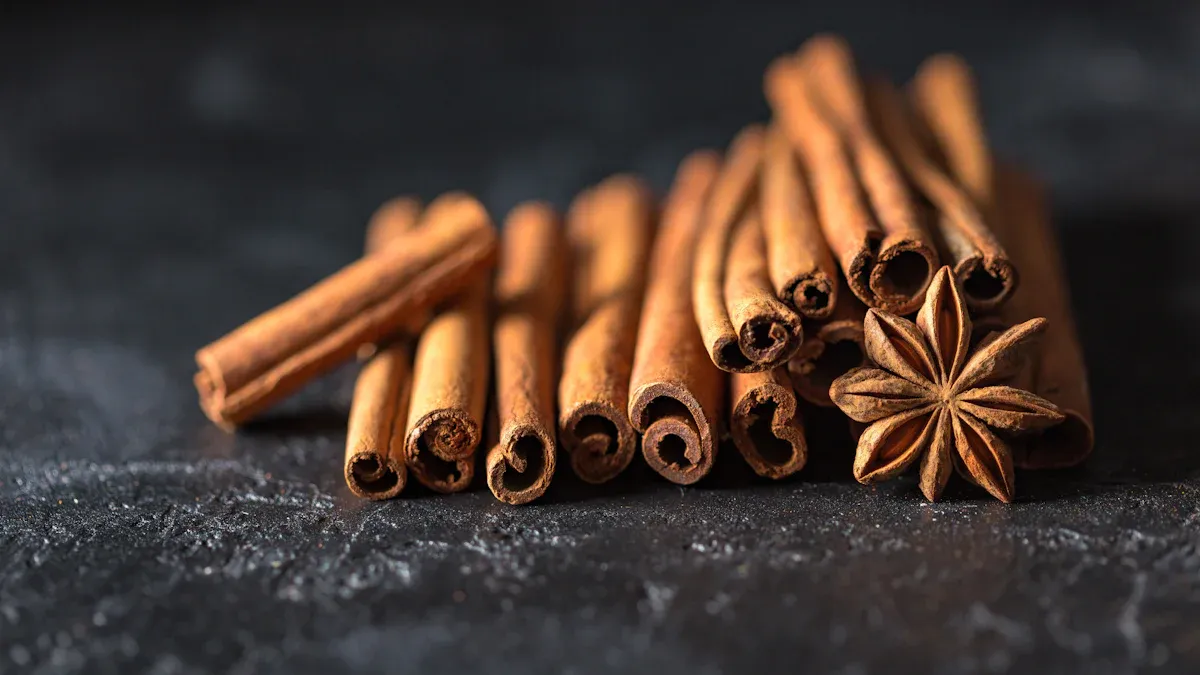
Cinnamon has graced kitchens for millennia and held a prominent place in medicine cabinets. Ancient Chinese texts from 2800 B.C. detail the use of true cinnamon, while ancient Egyptians incorporated it into their embalming practices. Dioscorides, in the 1st century CE, noted its warming properties and digestive aid. During the Middle Ages, physicians prescribed cinnamon in remedies for coughs. Beyond its distinctive flavor, cinnamon offers a wealth of cinnamon health benefits. What are these scientifically proven advantages? How can you effectively incorporate cinnamon into your diet? What distinctions exist between the various types of cinnamon? And is it safe for consumption in 2025? This comprehensive guide provides all the information you need to utilize cinnamon wisely.
Cinnamon Types
You might think all cinnamon is the same. But two main types exist. These types come from different trees. They have different properties. Knowing these differences helps you choose the right cinnamon.
Cassia Cinnamon
Cassia cinnamon is common. You find it in stores. It often comes from China. It also comes from Vietnam. You can find Indonesian Cassia. It grows on Sumatra. Vietnamese Cassia is in Yen Bai. It is also in Quang Nam. This cinnamon tastes strong. It is spicy. Its bark is thick. It is rough.
Cassia cinnamon has coumarin. Coumarin is natural. Cassia cinnamon has high coumarin. For example, ground Cassia cinnamon has 2,650 to 7,017 mg/kg. Some have up to 10,000 mg/kg. This means eat Cassia cinnamon in small amounts.
Ceylon Cinnamon
Ceylon cinnamon is “true cinnamon.” It comes from Sri Lanka. You can find it in Southern India. This cinnamon is milder. It is sweeter. It has a complex flavor. It tastes like honey. It tastes like citrus. Its bark is thin. It is layered. It crumbles easily.
Ceylon cinnamon has low coumarin. Studies show it has less than 100 mg/kg. Some research found no coumarin. This low level makes it safer. You can eat it regularly.
Key Differences
These two types of cinnamon are different. They differ in flavor. They differ in texture. They differ in chemicals.
Feature | Ceylon Cinnamon | Cassia Cinnamon |
|---|---|---|
Origin | Sri Lanka, Southern India | China, Vietnam, Indonesia |
Flavor Profile | Mild, sweet, complex with honey/citrus notes | Strong, spicy, bitter, immediate intensity |
Texture | Thin, layered bark; delicate, crumbly | Dense, single-layer bark; thick, rough |
Coumarin Content | Very low (less than 100 mg/kg) | High (up to 10,000 mg/kg) |
Safety for Regular Use | Generally safe | Use in moderation due to coumarin |
Ceylon cinnamon tastes milder. It has less cinnamaldehyde. Cinnamaldehyde gives cinnamon its taste. Cassia cinnamon has more of this. Its flavor is stronger. Ceylon cinnamon has low coumarin. People prefer it for health benefits. They use it regularly.
Cinnamon Health Benefits
Cinnamon has many good things for your body. This spice has strong parts. These parts help your body in many ways. Let’s look at how cinnamon helps your health.
Blood Sugar Control
Cinnamon helps control your blood sugar. It makes your body handle sugar better. Cinnamon lowers blood sugar levels after you eat. It slows sugar from entering your blood. It also makes insulin work better. Insulin moves sugar into your cells. Parts like Cinnamtannin B1 and Cinnamaldehyde in cinnamon help insulin. Your cells can take in sugar better. Other parts in cinnamon also boost insulin. Studies show cinnamon can lower fasting blood sugar levels. Some people saw a 6% drop. This was after taking 6 grams of cinnamon daily. They did this for 40 days. Cinnamon is good for your diet. It helps if you have diabetes. It also helps with weight loss.
Antioxidant Power
Cinnamon has many antioxidants. These are important for your body. Antioxidants protect you from damage. They fight free radicals. Free radicals can harm your cells. Cinnamon has many polyphenols. These are strong antioxidants. They help fight stress. They protect your cells. Cinnamon has cinnamaldehyde. It also has cinnamyl acetate. And it has β-caryophyllene. Flavonoids in cinnamon also fight free radicals. Eugenol is another part. It stops cell damage. These strong antioxidants help your health.
Anti-Inflammatory Effects
Inflammation is how your body reacts. It happens when you get hurt. It also happens when you get sick. But too much inflammation is bad. Cinnamon fights inflammation well. It helps your body respond in a good way. Cinnamon can lower inflammation in your body. It stops certain paths. One is NF-kB. This causes inflammation. It also lowers bad molecules. These are IL-1beta and TNF-alpha. They cause inflammation. Cinnamon can even protect your gut. This shows it can help immune cells. It can lower inflammation.
Heart Health
A healthy heart is very important. Cinnamon can help your heart. It lowers your risk of heart disease. It helps many things for your heart. Eating cinnamon daily can lower bad fats. It lowers total cholesterol. It lowers LDL (bad) cholesterol. It can also raise HDL (good) cholesterol. Some studies showed a big drop in LDL-c. They saw more HDL-c. This was with 1500 mg of cinnamon daily. Cinnamon can also lower blood pressure. You might see more help. This is if you take it for 8 weeks. These actions help your heart. You can reduce cholesterol. You can make your heart healthier.
Brain Function
Your brain can also get help from cinnamon. Studies show cinnamon may protect your brain. It helps against brain diseases. These include Alzheimer’s and Parkinson’s. Parts in cinnamon stop bad proteins. These proteins are linked to Alzheimer’s. In animal studies, cinnamon protected brain cells. It made movement better. It also lowered brain swelling. It lowered brain damage. For example, cinnamon extract can help your brain. It helps after a brain injury. Cinnamon polyphenols help brain proteins. This shows it can protect your brain.
Antimicrobial Properties
Cinnamon fights bad germs naturally. It can fight bad bacteria. It can also fight fungi. Cinnamaldehyde is a main part of cinnamon. It works very well. Lab tests show cinnamon oil can kill fungi. These fungi cause breathing problems. It can also stop bacteria. Examples are Listeria and Salmonella. Cinnamon extracts kill bacteria. They kill both Gram-positive and Gram-negative types. It can stop many fungi from growing. These include Sclerotinia sclerotiorum and Botrytis cinerea. These powers make cinnamon useful. It fights infections. It even helps keep your mouth clean.
Immunity Boost
Cinnamon can also make your immune system stronger. It helps your immune cells work. Cinnamon can stop some immune cells. These cells cause swelling. It lowers molecules that cause swelling. It also balances T cells. T cells are important for your immune system. For example, cinnamon can lower CRP and TNF-α. These show swelling in the body. It can also raise good molecules. This means cinnamon helps your immune system. It works better. It lowers too much swelling. These are big health benefits of cinnamon. They help your whole body.
How to Use Cinnamon
You know cinnamon is healthy. You may ask how to use it. This part shows ways to add it. You can enjoy its taste. You can get its health benefits.
Culinary Applications
Cinnamon is a spice. It is very useful. You can use it in many foods. In Asia, people use cinnamon powder. They put it in pastries. They add it to desserts. They use it in stews and curries. You will find it in spiced teas. It is in spiced rice. Other local foods use cinnamon. Western places use cinnamon differently. They bake bread with it. They make drinks like lattes. They also make spice sauces. They make baked goods.
New ideas came from around the world. Asian places now put cinnamon in Western sweets. Western places use it with Asian spices. In the West, cinnamon is often in sweet foods. Think of desserts. Think of baked goods. Think of holiday treats. Cinnamon rolls are an example. Plum pudding is another. Mince pies too. Many sodas also have cinnamon. Long ago, people used cinnamon in savory foods. In the Middle East, it is still common. In India, it is too. It is in curry. It is in pilau. It is in Moroccan meat tagines.
You can add cinnamon to your food easily.
Porridge or Oats: Stir cinnamon into your oats. Add fruit, nuts, or seeds. This is a healthy start.
Baked Oatmeal: Mix cinnamon into oatmeal. Do this before baking. Sprinkle more on top. Add fresh fruit after it cools.
Baked Cinnamon Apples: Take out apple cores. Fill them with cinnamon. Add dried fruits and nuts. This adds more flavor.
Spiced Sweet Potato Quick Bread: This bread has no gluten. It uses cinnamon, nutmeg, and mace. It has no sugar added.
Green Tea Infused With Apples & Cinnamon: This hot drink mixes tea’s good parts. It has cinnamon‘s flavor.
Warm Apple Cinnamon Cranberry Crisp: This is a healthy dessert. It can also be breakfast.
No-Bake Apple Cinnamon Bites: These snacks are fast and simple.
Chewy Cinnamon Apple Rings: These are tasty snacks.
Almond Gold Milk with Apricots and Cinnamon: This mix helps calm swelling.
Grilled Peaches with Cinnamon Honey Yogurt Dip: This dessert is simple. It is fresh and healthy.
Fudgy Black Bean Brownies: Cinnamon adds a small kick. It adds sweetness to these treats. They have no flour.
Savory Seasoned Popcorn: Cinnamon is a tasty topping. It has many good parts. This snack has fiber.
Baked Cinnamon-Thyme Chicken: Cinnamon adds a sweet, nutty taste. This dish is flavorful and healthy.
Cinnamon Cranberry Sauce: This has vitamins C and E. It is a different choice than applesauce.
Baked Cinnamon Acorn Squash: This fall treat is sweet and buttery. It has beta carotene. It has strong antioxidants.
Cinnamon Safety and Side Effects
You need to know about cinnamon risks. This helps you use it safely. Cinnamon has many good things. But it can also have bad effects.
Coumarin Concerns
Coumarin is a natural part of cinnamon. Cassia cinnamon has a lot of coumarin. This can hurt your liver. Too much coumarin can damage your liver. Experts set a safe daily limit. It is 0.1 mg per kg of body weight. A 60 kg adult should have about 4.8 mg daily. Too much coumarin can harm the liver. This is what French experts say. If your liver is sick, avoid high coumarin foods. But people handle coumarin well. The risk of liver damage is low. This is for most people.
Allergic Reactions
Some people are allergic to cinnamon. Your mouth might tingle or itch. Your lips, face, or tongue might swell. You might have trouble breathing. You could wheeze or get hives. Stomach pain, sickness, or loose stools can happen. In bad cases, blood pressure drops fast. You might pass out. If this happens, stop using cinnamon. Get medical help right away.