

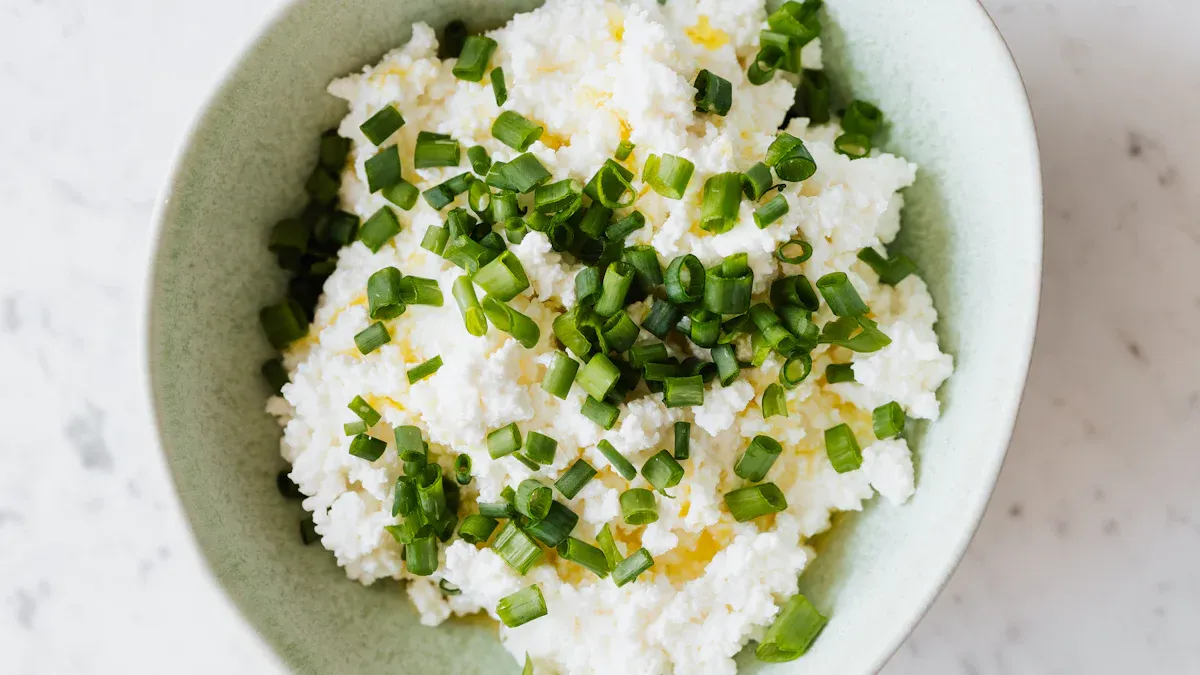
Cottage cheese is a dairy product that has become a popular health food. Many people now choose cottage cheese for its great nutrition. This market shows steady growth, as consumers increasingly seek healthy, high-protein snacks. Young consumers, in particular, are drawn to protein-rich options. You’ll find cottage cheese in many diets, valued for its high protein content and remarkable versatility.
What makes cottage cheese so good for you? What are the true health benefits of cottage cheese? This blog will explore its full nutritional profile, delving into its many health advantages and the specific nutritional benefits it offers. You will also discover all the cottage cheese benefits. We will show you practical ways to enjoy cottage cheese, highlighting the excellent Cottage Cheese Nutrition it provides.
Understanding Cottage Cheese
Brief History
Cheese has a long history, possibly starting in the Middle East around 5,000 BC. Ancient carvings from Mesopotamia, dating back to 3,000 BC, show people making a salty, sour curd mixture. This mixture was much like the cottage cheese we enjoy today. Even ancient Egyptians made a form of cottage cheese from goat’s milk, straining it with reed mats. The Roman Empire helped spread cheesemaking knowledge, leading to many new cheese types. The term ‘cottage cheese’ first appeared in America in the mid-19th century. It described simple, homemade cheese.
America’s first cheese factory opened in 1868, starting the wholesale cheese industry. During World War I, people in America ate a lot of cottage cheese. This helped save meat for soldiers. After the war, cottage cheese became even more popular. Production jumped from 30 million pounds in 1919 to 87 million pounds by 1928. Its popularity peaked in the 1970s because many people were dieting. However, sales dropped in the 1980s as yogurt became popular, and they continued to fall in the 2000s.
How It’s Made
Today, making cottage cheese involves several steps. Since the 1930s, factories have used pasteurized skim milk. Sometimes they use concentrated nonfat milk or dried nonfat milk. First, they add a bacterial culture, like Lactococcus lactis, and rennet to the skim milk. They heat this mixture to about 90 °F (32 °C) and keep it there for eight hours or more. This process makes solids, called curds, form a gelatinous skin over the liquid, which is whey.
Workers then cut these curds into cubes. This helps the whey drain away. Next, they reheat the curds to 120 °F (49 °C) for one to two hours. After draining and drying, they press the curds and rinse them with water. Finally, they add salt and a creamy dressing. Then, the cottage cheese is ready for packaging and shipping. Some modern creameries skip the first heating step, letting the bacteria curdle the milk longer. Others use crème fraîche for the dressing.
Types of Cottage Cheese
You can find cottage cheese in several varieties. The main difference is usually the fat content. You can choose non-fat, low-fat (like 1% or 2%), or full-fat cottage cheese. Another difference is the size of the curds. Some cottage cheese has small curds, while others have larger curds. The texture can vary too, from creamy to slightly firmer. You might also find flavored cottage cheese, with added fruits or vegetables, but plain cottage cheese remains the most versatile option for many uses.
Cottage Cheese Nutrition Facts
Understanding the nutrition facts of cottage cheese helps you make smart food choices. This dairy product offers a great balance of macronutrients and essential vitamins. You get a lot of goodness in each serving.
Key Macronutrients
Cottage cheese is famous for its high protein content. It also provides carbohydrates and fats. Here is what you can expect from a typical half-cup serving of low-fat cottage cheese:
Type of Cottage Cheese | Serving Size | Calories | Protein (g) | Carbs (g) | Fat (g) |
|---|---|---|---|---|---|
Lowfat 2% Milkfat | 1/2 cup | 101.5 | 15.52 | 4.1 | 2.18 |
Low Fat Cottage Cheese | 1/2 cup | 100 | 13 | 4 | 3 |
You can see that cottage cheese is a high protein food. This makes it a great choice for muscle health.
Calorie Count
Cottage cheese is a low calorie cheese option, especially the lower-fat versions. The calorie count changes based on the fat content.
Cottage Cheese Type | Serving Size | Calories |
|---|---|---|
Nonfat | 4 oz (113g) | 81 |
2% Lowfat | 1/2 Cup (113g) | 90 |
4% Small Curd | 1/2 cup (113g) | 110 |
These numbers show you can enjoy cottage cheese without adding many calories to your diet.
Sodium Levels
Cottage cheese often contains a notable amount of sodium. A 1-cup serving of low-fat cottage cheese has about 29 milligrams of sodium. This is nearly 1% of the daily recommended amount for an average adult. Some brands may have higher levels. If you watch your sodium intake, you can rinse cottage cheese under running water for three minutes. This can reduce its sodium content by 63%. For most healthy people, daily sodium intake should not go over 2,300 mg.
Health Benefits of Cottage Cheese: Protein Power
Cottage cheese offers many health benefits, largely due to its impressive protein content. You can use this food to support your body in several ways.
Muscle Growth & Repair
Cottage cheese is a high-quality protein source. It gives you essential amino acids for building and fixing your muscles. This makes it an excellent choice if you want to build and repair muscle. The casein protein in cottage cheese digests slowly. This means your muscles get a steady supply of amino acids over time. This sustained supply helps with muscle recovery and reduces soreness after tough workouts. Leucine, an amino acid in cottage cheese, actively helps your body make new muscle protein. This further supports muscle growth and recovery. Eating cottage cheese, especially before bed, can help prevent muscle loss overnight. It provides a continuous stream of nutrients.
Satiety & Weight Management
Cottage cheese is one of the best high protein foods for feeling full. High protein foods increase hormones that make you feel satisfied. They also reduce hormones that make you hungry. This helps you eat less and can support your weight loss plans. Protein is the most effective nutrient for making you feel full. Eating more protein helps you manage your food intake. This can lead to body weight loss and help you maintain it. Studies show that cottage cheese makes you feel as full as eggs.
Bone Health Support
Cottage cheese supports strong bones. It contains important minerals like calcium, magnesium, and phosphorus. Protein also helps keep your bones strong. It maintains bone mineral density. This is the amount of minerals in your bones that keeps them from breaking easily. Eating enough protein can reduce your risk of fractures as you get older.
Blood Sugar Regulation
The protein in cottage cheese can help control your blood sugar. When you eat cottage cheese with glucose, it causes your body to release more insulin. Insulin helps move sugar from your blood into your cells. This can lower your blood sugar response. Dairy foods like cottage cheese, with about 25 grams of protein, can help manage your blood sugar levels.
Gut Health & Probiotics
Cottage cheese can be a good source of probiotics. These are helpful bacteria for your gut. Specific Lactobacillus strains can survive well in cottage cheese. These probiotics offer many health benefits for your gut. They can improve digestion and help your body absorb nutrients better. Probiotics also boost your immune system and can reduce inflammation. A healthy gut can even improve your mental well-being.
Top Cottage Cheese Recipes & Uses
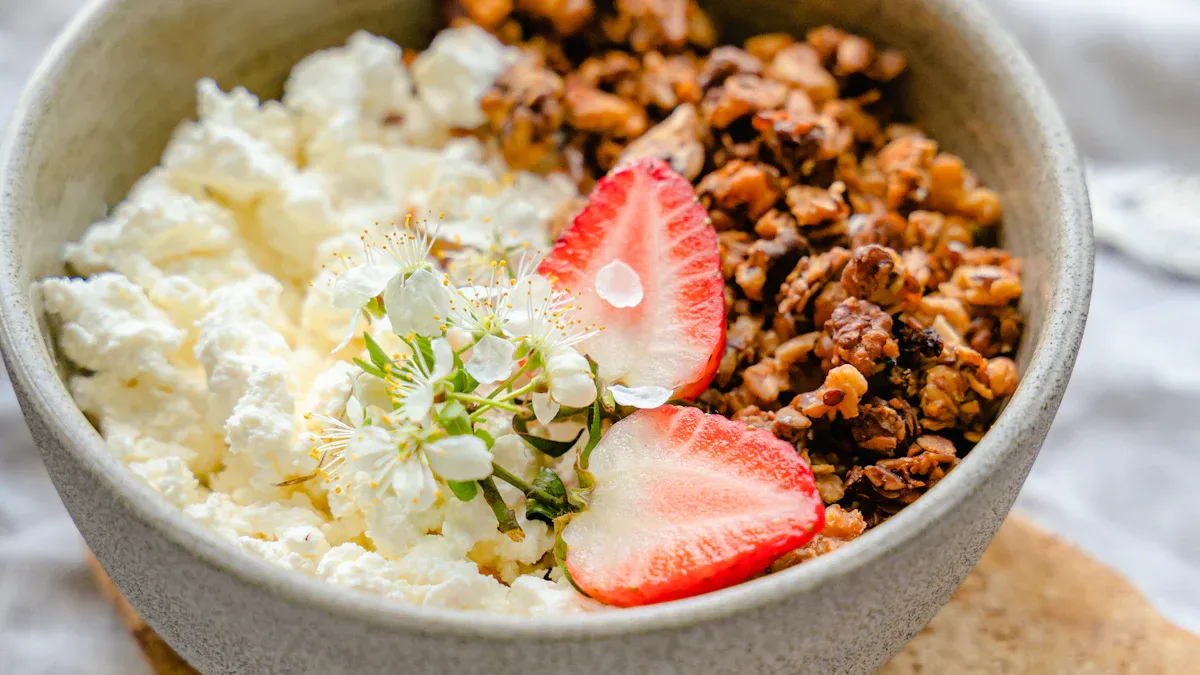
Cottage cheese is incredibly versatile. You can easily add it to many dishes. These cottage cheese recipes help you enjoy its protein benefits throughout your day. You will discover many ways to eat cottage cheese.
Breakfast Boosters
Start your day strong with cottage cheese in your breakfast. You can make creamy cottage cheese scrambled eggs or a fast egg and cottage cheese casserole. Try fluffy blender cottage cheese pancakes, using oats and banana for a smooth texture. You can also enjoy cottage cheese toast with sweet or savory toppings like smoked salmon or avocado. Stir cottage cheese into your oatmeal for extra protein and a tangy flavor. These are all healthy ways to use cottage cheese in the morning.
Savory Snacks & Meals
Cottage cheese makes excellent savory snacks and meals. You can create a savory cottage cheese bowl with vegetables, black pepper, and chives. Make Oats Paneer Cutlets, which are patties with cottage cheese, oats, potatoes, and spices. These are great for vegetarian burgers. Paneer Tikka also uses cottage cheese cubes and vegetables. You can also make cottage cheese queso or air fryer spinach cottage cheese dip. For a quick snack, try cottage cheese avocado toast. These recipes offer many options.
Sweet Treats & Desserts
You can turn cottage cheese into delicious sweet treats. Make a healthy cheesecake with cottage cheese and Greek yogurt. Blend cottage cheese for a creamy fruit dip. Try lemon blueberry cottage cheese ice cream for a refreshing dessert. You can also bake a high-protein banana bread with cottage cheese. A simple whipped cottage cheese dessert blends cottage cheese with maple syrup and vanilla. This gives you 25 grams of protein per serving. These recipes satisfy your sweet cravings.
Smoothies & Dips
Cottage cheese blends smoothly into both smoothies and dips. For the best results, use full-fat cottage cheese. Blend it thoroughly until it has no curds. You can use it as a dip for veggies with a drizzle of olive oil and dill. It works well in smoothies as a yogurt alternative. You can also make a healthy ranch dip or a cottage cheese taco dip. Experiment with chocolate, peanut butter, or strawberry cheesecake flavors for your smoothies. These recipes add protein easily.
Baking & Cooking Versatility
Cottage cheese is a secret ingredient in many baked goods and cooked dishes. You can blend it until smooth and use it in DIY Starbucks egg bites. It works well in cottage cheese bread or flatbread. Cottage cheese makes frittatas wonderfully tender. You can substitute it for ricotta cheese in creamy lemon pasta. It also replaces sour cream in corn muffins for a higher-protein option. These creative ways to eat cottage cheese show its wide range of cottage cheese uses.
Cottage Cheese: Risks & Considerations
Cottage cheese offers many benefits. However, you should know about some potential risks and considerations. Understanding these points helps you make the best choices for your health.
Sodium Content Concerns
Cottage cheese can contain high levels of sodium. Eric Rimm, a professor in Epidemiology, notes that sodium in cottage cheese can be a “hidden” concern. If you have high blood pressure, you should be careful with your intake. High sodium intake immediately affects blood pressure. Too much salt over time can lead to heart and blood vessel diseases. Health organizations suggest reducing salt in food to prevent these issues. You can choose low-fat cottage cheese varieties without added sugars to help manage this. Reducing sodium in cheese is hard because salt helps with quality and safety. Less salt can change the cheese’s texture or make it spoil faster.
Lactose Intolerance
Cottage cheese contains about 9 grams of lactose per cup. This is a moderate amount. Soft cheeses like cottage cheese, ricotta, and burrata have 1 to 6 grams of lactose per serving. This is less than milk or yogurt. Most people with lactose intolerance can eat at least one serving of these low-lactose foods daily. Hard cheeses like cheddar or Swiss have very little lactose. If you are very sensitive, lactose-free dairy products are good alternatives. These products have lactase added to break down lactose.
Saturated Fat Content
You should also consider the saturated fat in cottage cheese. The amount varies by type.
Cottage Cheese Variety | Saturated Fat (per 1/2 cup) |
|---|---|
Full-fat (4% milk fat) | 3 grams |
2% (low-fat) | 1.4 grams |
Even full-fat cottage cheese has only 3 grams of saturated fat per half-cup serving. Low-fat versions have even less.
Choosing the Right Type
You can choose the best cottage cheese for your needs.
Lactose Content: If you have lactose intolerance, cottage cheese might not be ideal. Harder, aged cheeses have less lactose.
Sodium Content: Check the label for sodium if you manage high blood pressure. Look for low-sodium options.
Added Sugars: Watch out for added sugars, especially in flavored varieties. These can change the total sugar content.
Live and Active Cultures: For gut health, pick brands that say “live and active cultures.” These contain helpful probiotics.
Fat Level: Consider the fat level and any other ingredients to match your dietary goals.
Common Allergies & Sensitivities
Dairy products like cottage cheese can cause allergies or sensitivities. Dairy allergy and lactose intolerance are common. Their symptoms can be similar.
Common Symptoms (both): Diarrhea, nausea, stomach cramps, bloating, gas.
Dairy Allergy Specific Symptoms: Rash, hives, swelling (lips, face), wheezing, tight throat, trouble swallowing, blood in stool (babies).
Severe Allergic Reaction (Anaphylaxis): Throat swelling, trouble breathing.
A dairy allergy happens when your body sees milk proteins as a threat. Lactose intolerance is a digestive problem. Your body struggles to process lactose, the sugar in milk.
You now understand the excellent nutritional value of cottage cheese. This versatile food offers great protein and many health benefits. It is a valuable source of protein and overall nutrition. Experiment with cottage cheese in your meals. You can enjoy its protein power. Make informed choices for your diet and embrace the full nutritional benefits of cottage cheese.