

A cooked cup of couscous typically cooks in minutes and has fewer calories than rice, while brown rice provides more fiber and couscous is semolina wheat pasta rather than a naturally gluten-free grain. Your best choice depends on gluten needs, blood sugar goals, portion size, and the meal.
The details below help you compare cooked-cup nutrition, glycemic index limits, practical meal uses, and the trade-offs that matter for your weeknight cooking or blood sugar plan.
Couscous Uses Wheat While Rice Comes From a Grain
With those priorities set, the first difference is the ingredient itself. Traditional Moroccan couscous is made by moistening semolina, rolling it into tiny granules, and drying it. Semolina comes from wheat, so standard couscous contains gluten.
Rice comes from the grass species Oryza sativa. Plain white rice, brown rice, and basmati rice are naturally gluten-free before seasonings, sauces, or shared-kitchen handling enter the picture. That distinction can settle your choice before nutrition numbers even matter.
Semolina and Gluten Choices
Traditional couscous does not fit a meal for celiac disease or a wheat allergy. A product labeled gluten-free may use rice, corn, or another starch, but it is a substitute for semolina couscous rather than the traditional wheat version.
Check the ingredient panel on flavored packets and prepared grain bowls. Wheat can appear in seasoning blends, broth bases, sauces, and crunchy toppings, even when the grain underneath is plain rice.
For strict gluten avoidance, choose plain rice and check shared-kitchen practices, flavored mixes, and restaurant grain bowls for wheat-containing sauces or cross-contact.
Forms of Couscous
Regular couscous has fine grains and softens in steam or hot liquid within minutes. Whole-wheat couscous uses more of the wheat kernel, which raises its dietary fiber from about 2 grams to about 6 grams per cooked cup.
Israeli pearl couscous consists of larger toasted balls with a chewier bite. It needs simmering rather than brief rehydration, so it behaves more like a small pasta than a five-minute side dish. Those forms lead directly to a fair cooked-cup comparison.
That shared serving size makes the differences in calories, carbohydrates, protein, and micronutrients easier to see.
A Cooked-Cup Comparison Shows the Main Nutrition Gaps
Because the ingredient difference is clear, cooked portions provide the most useful baseline. The table uses 1 cooked cup of plain food, not dry grains from the package. Water absorption, enrichment, and brand formulas can move a number slightly.
These figures match entries in USDA FoodData Central, which reports nutrients by measured food weight and household portions. Your finished bowl can change quickly once oil, butter, broth, cheese, or sauce is added.
| Cooked food, 1 cup | Calories | Carbohydrates | Protein | Fiber | Fat |
|---|---|---|---|---|---|
| Regular couscous | 176 | 36 g | 6 g | 2 g | 0.3 g |
| Whole-wheat couscous | 176 | 37 g | 6 g | 6 g | 0.3 g |
| White rice | 205 | 45 g | 4 g | 0.6 g | 0.4 g |
| Brown rice | 218 | 46 g | 5 g | 3.5 g | 1.6 g |
| Basmati rice | 210 | 45 g | 4 g | 0.7 g | 0.7 g |
For couscous vs rice nutrition, regular couscous has fewer calories and carbohydrates than a cup of the listed rice varieties. The difference is 29 calories compared with white rice, yet a tablespoon of olive oil adds about 120 calories. Your sauce and serving size can outweigh the base-grain difference.
Couscous is mainly a carbohydrate food, not a high-protein main dish. A cooked cup provides about 6 grams of protein, so your plate still needs beans, fish, eggs, tofu, chicken, lentils, or another protein source. Fiber and digestion explain why the variety matters as much as the calorie count.
Yet whole-grain choices can shift fullness and glucose response more than those headline numbers suggest.
Fiber and Blood Sugar Change With the Variety
Beyond the cooked-cup numbers, fiber changes how the meal feels and digests. Fiber slows movement through the digestive tract, while starch breaks into glucose through enzymes such as salivary and pancreatic amylase. More intact grain structure can make starch less immediately accessible.
Brown rice keeps its bran and germ, while whole-wheat couscous retains more wheat components than refined couscous. Those parts contribute fiber, magnesium, and B vitamins. Your meal may feel more filling when it includes a whole-grain choice plus vegetables and protein.
Whole-Grain Choices and Meal Composition
Glycemic index ranks foods eaten in a fixed amount of available carbohydrate. Dinner works differently because protein, fat, acidity, cooking level, and portion size all affect blood sugar after you eat. A bowl of starch eaten alone produces a different response than the same portion beside salmon, lentils, or roasted vegetables.
| Choice | Fiber direction | Practical blood sugar consideration |
|---|---|---|
| White rice | Lowest | Portion size carries extra weight, especially with rice eaten alone. |
| Basmati rice | Low | Its glycemic index can be lower than that of some white rice types, yet a serving still supplies substantial starch. |
| Brown rice | Higher | Bran adds fiber and minerals and may make a plate feel more filling. |
| Regular couscous | Low to moderate | Small grains absorb sauces quickly and can be easy to over-serve. |
| Whole-wheat couscous | Higher | Extra fiber makes it a stronger wheat-based choice for a regular rotation. |
Couscous vs rice for diabetes has no automatic winner. A measured starch portion, the grain variety, and foods beside it matter more than a single glycemic index number. Your blood sugar plan may work better with brown rice or whole-wheat couscous than with a large serving of refined starch alone.
Rice Structure and Digestion
Rice starch contains amylose and amylopectin. Amylopectin has a branched structure that digestive enzymes can access quickly, while higher-amylose rice can digest more slowly. Basmati rice often contains more amylose than sticky short-grain rice.
That structure helps explain why basmati may fit some blood sugar plans better than certain white rice varieties. Cooling cooked rice can also create some resistant starch through retrogradation. Refrigerate rice promptly in shallow containers, then heat it thoroughly before your next meal.
The digestion details point to a practical rule: choose the grain around your goal, then measure the amount. That brings the comparison from nutrition theory to an actual dinner plate.
Weight management, steadier energy, and dietary restrictions each point toward a different everyday pick.
Your Health Goal Determines the Better Everyday Choice
Once blood sugar and fiber are in view, portion size becomes the next deciding factor. A large restaurant bowl can hold 2 to 3 cups of starch before toppings enter the picture. That amount can push carbohydrate and calorie intake far beyond the serving you intended.
No. Brown rice and whole-wheat couscous offer more fiber than refined options, while plain rice is the safer base for your gluten-free meals. The better choice is the one that fits your dietary need and the rest of the plate.
Goals and Suitable Choices
- Weight goals: Start with a measured portion of brown rice or whole-wheat couscous, then fill much of your bowl with vegetables and protein.
- Blood sugar awareness: Pair a smaller starch serving with beans, salmon, chicken, tofu, nonstarchy vegetables, and a source of fat.
- Gluten avoidance: Use plain rice as your base, then inspect seasoning blends, broth, sauces, and packaged alternatives for wheat ingredients.
- Endurance fueling: Choose lower-fiber white rice or regular couscous around demanding activity when your stomach prefers easy-digesting carbohydrates.
- Meal prep: Cook brown rice in a larger batch, while couscous suits a fast side dish that reaches the table in about 5 minutes.
For weight goals, fullness comes from the complete plate rather than starch alone. Roasted broccoli, chickpeas, grilled chicken, and a half-cup of whole-wheat couscous make a more substantial lunch than a large bowl dressed only with oil. You can build the same pattern with brown rice.
Individual guidance matters with diabetes, pregnancy, kidney disease, or an eating disorder history. A registered dietitian or qualified clinician can help you fit carbohydrate foods into a personal eating plan. Cooking time and texture also matter because a healthy option has to work on a busy Tuesday.
Convenience often decides whether a nutritious staple becomes a repeat meal or stays in the cupboard.
Cooking Time and Texture Influence the Better Meal Fit
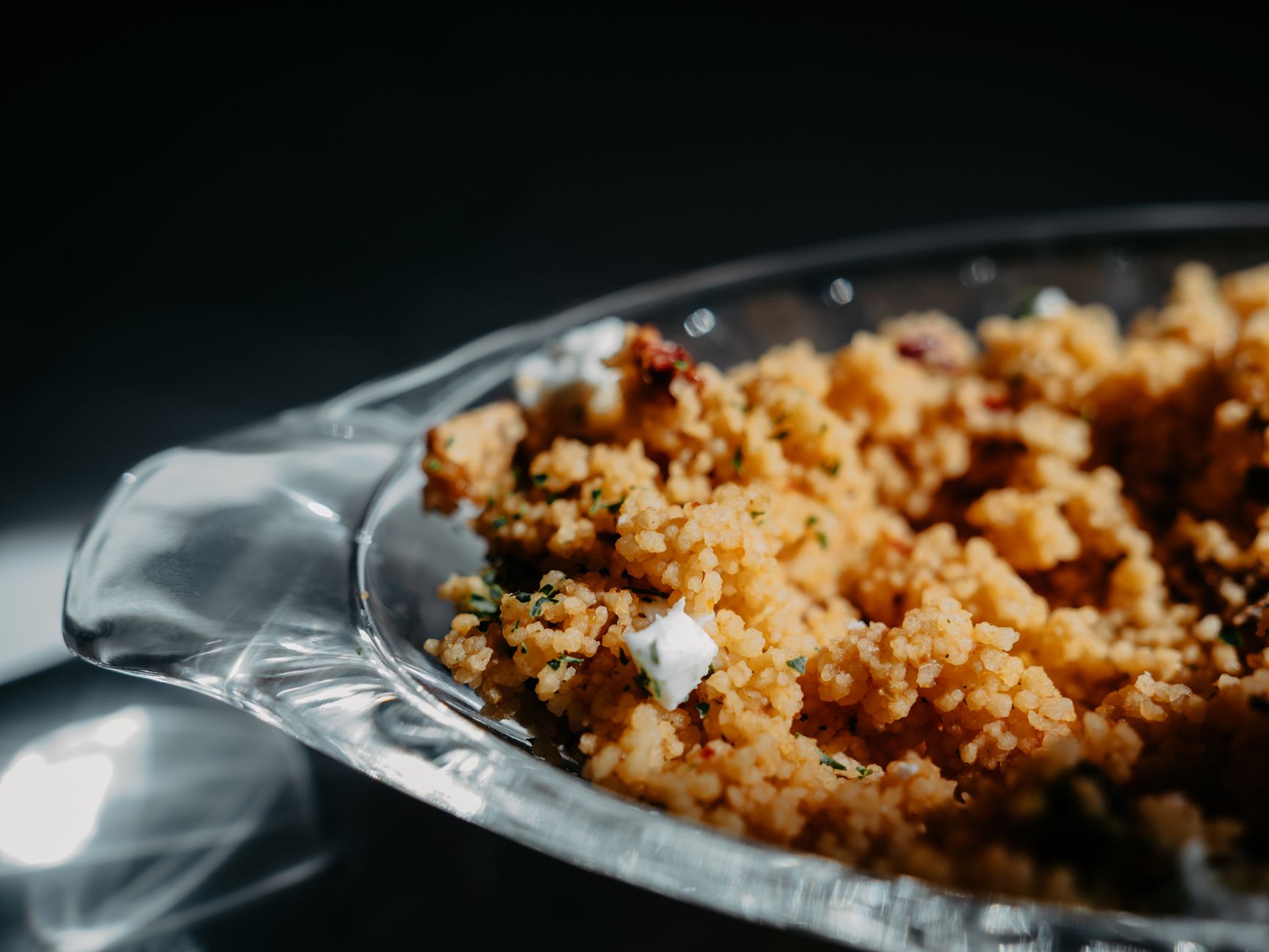
Because daily routines shape food choices, preparation time can be decisive. Many supermarket boxes contain couscous that has already been steamed and dried, so hot liquid rehydrates it in roughly 5 minutes. White rice usually takes 15 to 20 minutes on the stovetop, while brown rice may need 35 to 50 minutes.
That speed makes couscous useful beside sheet-pan vegetables or rotisserie chicken. Rice rewards a little more planning with a broader range of textures, from fluffy long-grain bowls to creamy risotto. Your recipe should determine which texture earns the longer cooking time.
Couscous and Flavor Absorption
Fine couscous is light, granular, and mild after you fluff it with a fork. Broth, lemon, parsley, cumin, and pan juices cling to its small surface area. Fold it into a salad with cucumber and chickpeas or serve it beneath a vegetable tagine.
Israeli pearl couscous holds up better in warm salads because its larger toasted pieces stay chewy. Regular couscous can turn soft quickly under heavy sauce. Use the fine version where you want absorbed flavor rather than a distinct grain bite.
Rice Texture and Added Ingredients
Rice offers a wider texture range. Long-grain white rice stays fluffy, short-grain rice turns stickier, arborio rice releases starch for creamy risotto, and seasoned sushi rice has a noticeable cling. Curry, stir-fry, rice pudding, and grain bowls each benefit from a different rice type.
A tablespoon of oil adds about 120 calories, which is far more than the plain couscous vs rice calories gap in the table. Creamy sauces, sweet glazes, fried toppings, and oversized scoops can turn a modest side into the largest calorie source on your plate. Measure fats with a spoon rather than pouring from the bottle.
Season plain grains with citrus, herbs, garlic, toasted spices, and broth, then control oil and salt rather than inheriting a packaged flavor blend.
Speed and texture narrow the kitchen choice, but rice type still changes the final verdict. A direct look at brown rice, basmati rice, and quinoa makes the trade-offs clearer.
For instance, chewy whole grains suit grain bowls, while lighter options may better support delicate dishes.
Rice Type and Meal Style Clarify the Practical Verdict
After texture narrows the field, brown rice stands out for fiber-focused everyday meals. Its bran gives it a nutty chew that works with black beans, roasted squash, and grilled vegetables. That same firmness can feel out of place beside delicate fish or a soft stew.
Regular couscous earns shelf space through speed, while whole-wheat couscous is the stronger wheat-based pick for dietary fiber. Neither traditional version suits celiac disease because both begin with semolina wheat. Your gluten-free pantry needs rice or a clearly labeled substitute instead.
Basmati Rice and Couscous Trade-Offs
At dinner, the quick-cooking semolina option and fragrant long-grain rice can both fit a balanced plate, but they serve different needs. Basmati provides a naturally gluten-free base with fragrant, separate grains that work especially well beneath curries. Whole-wheat couscous offers more fiber than regular couscous and reaches the table faster.
Basmati rice can also have a lower glycemic index than some white rice varieties, although it still contains about 45 grams of carbohydrate per cooked cup. Keep your portion measured and add vegetables, protein, and fat. That combination matters more than treating basmati as a free pass.
Quinoa as a Separate Pantry Option
Quinoa is a seed, not rice or pasta. It has more protein and fiber than refined couscous or white rice per cooked cup, and its complete protein profile includes all nine essential amino acids. A serving still does not replace every protein food on your plate.
Its earthy flavor works well in a bean salad, though the higher cost and distinct taste may not suit every recipe or budget. You may prefer quinoa when protein and fiber are the priority, but rice and couscous remain better fits for plenty of familiar dishes.
- Fast vegetable sides: Choose regular couscous for a 5-minute base beneath roasted peppers, zucchini, and lemon-herb chicken.
- Fiber-focused lunches: Choose brown rice or whole-wheat couscous, then add lentils and crisp vegetables for texture.
- Wheat-free curries: Choose basmati rice, whose separate grains carry sauce without introducing semolina wheat.
- Sticky bowl meals: Choose short-grain rice for sushi-style toppings because couscous lacks that clinging texture.
- Post-activity plates: Choose white rice or regular couscous beside protein and fruit when lower fiber feels more comfortable.
Those meal examples show why no pantry staple wins every comparison. Your dietary limits, the recipe, and the amount served determine the useful answer.
Ultimately, the best choice is the one that matches your needs, meal, and realistic portion.
Bottom Line
In practical use, brown rice and whole-wheat couscous bring more dietary fiber than refined versions. Plain rice avoids wheat, basmati suits fragrant curries, and regular couscous solves a fast supper. Build your serving around vegetables and protein, then watch oils, sauces, and bowl size.
The narrow calorie difference between cooked grains rarely decides the finished meal. A half-cup starch portion beside salmon and broccoli looks very different from a 3-cup restaurant bowl with creamy sauce. Choose the base that fits your meal, your digestion, and your gluten needs.
FAQ
Is couscous healthier than rice?
Neither food wins in every situation. Your choice depends on the variety and the plate around it: brown rice and whole-wheat couscous bring more fiber, while plain rice works for wheat avoidance. Regular couscous can still fit your meals as a quick carbohydrate side with vegetables and protein.
What is the nutritional difference between couscous and white or brown rice?
Regular couscous provides 176 calories, 36 grams of carbohydrate, 6 grams of protein, and 2 grams of fiber per cooked cup. White rice provides 205 calories and 0.6 grams of fiber, while brown rice provides 218 calories and 3.5 grams of fiber. Your choice between refined and whole-grain versions creates the biggest fiber difference.
Which has more protein, fiber, and fewer calories: couscous or rice?
At 6 grams of protein and 176 calories per cooked cup, regular couscous beats the listed rice varieties on protein and calories. Whole-wheat couscous has the most fiber in the table at 6 grams per cup. Brown rice provides 3.5 grams of fiber and remains a strong whole-grain option for your meals.
Is couscous a carb or protein?
Couscous is mainly a carbohydrate food made from semolina wheat. A cooked cup has about 36 grams of carbohydrate and about 6 grams of protein, so your meal benefits from a separate protein source such as lentils, tofu, eggs, fish, poultry, or beans.
Which is healthier, couscous or basmati rice?
Basmati rice is the stronger choice for your wheat-free meals because plain basmati is naturally gluten-free. Whole-wheat couscous has more fiber than regular couscous and can suit your plate when wheat is tolerated. Portion size, sauce, vegetables, and protein still shape the finished meal.
Is couscous better than rice for diabetes?
Portion size, fiber, and the rest of the meal matter more for blood sugar than either side dish alone. Your blood sugar response depends on serving size, the couscous or rice variety, and foods beside it. Brown rice or whole-wheat couscous paired with protein, vegetables, and fat may suit many balanced plates better than a large refined starch serving alone.
