

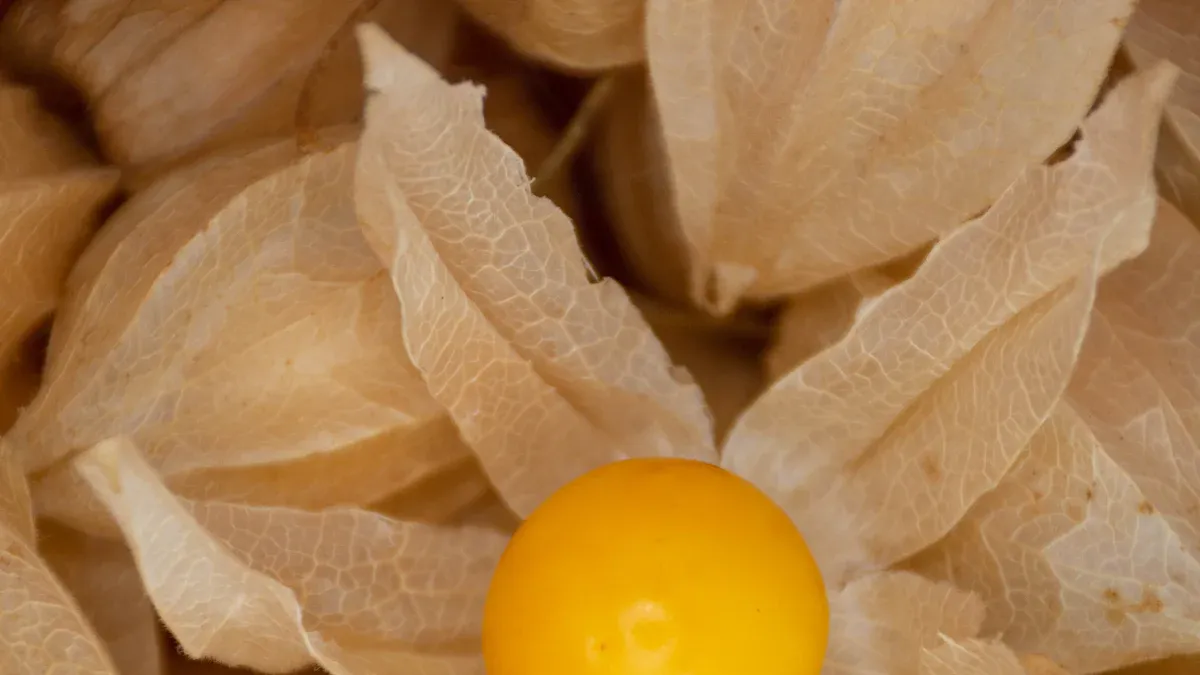
Cut leaf ground cherry, known scientifically as Physalis angulata, is a small fruit that grows in meadows and fields across southern North America. You can spot it by its simple leaves and bright yellow flowers. Only the ripe fruit is safe to eat, since other plant parts are toxic.
Native range: southern North America, up to Massachusetts and Connecticut
Fruit: edible, fleshy, 20–40 mm long, used medicinally
Leaves: simple, alternate, with toothed or entire edges
Flowers: yellow, with five fused petals
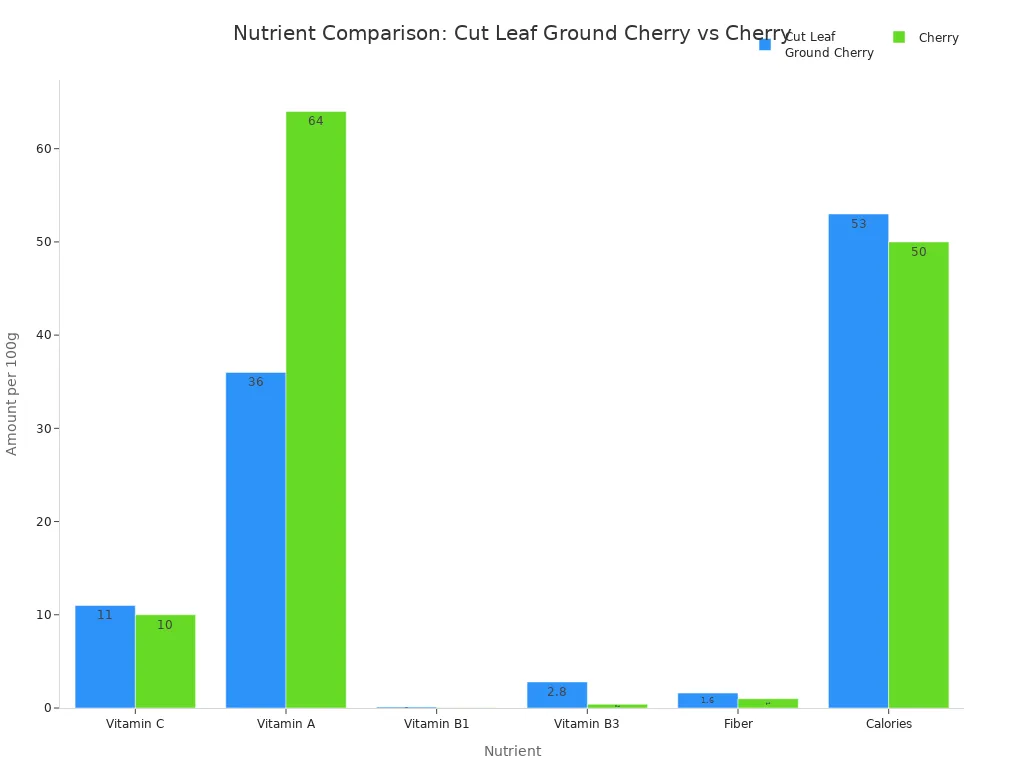
Take a look at how the nutrition stacks up:
Nutrient | Cut Leaf Ground Cherry | Cherry |
|---|---|---|
Vitamin C | 11 mg | 10 mg |
Vitamin A | 36 µg | 64 µg |
Vitamin B1 | 0.11 mg | 0.03 mg |
Vitamin B3 | 2.8 mg | 0.4 mg |
Fiber | 1.6 g | 1 g |
Calories | 53 kcal | 50 kcal |
Sugar | 8.49 g | N/A |
You get a boost for your health from bioactive compounds, like physalins and flavonoids. These help your immune system work better. If you want a fruit that’s tasty and easy to use, just stick with the ripe ones and skip the leaves or stems.
Key Takeaways
Cut leaf ground cherry is a nutritious fruit packed with vitamins A and C, which support your immune system and overall health.
Always eat only the ripe fruit, which is light yellowish-orange. The leaves and unripe fruit are toxic and can make you sick.
This fruit contains antioxidants that help protect your body from damage and may lower the risk of diseases like cancer and diabetes.
You can enjoy cut leaf ground cherry in various dishes, including muffins, salads, and salsas, adding a mild, sweet flavor to your meals.
Store ripe fruit in a dry, dark place, or freeze it for later use. This way, you can enjoy its health benefits anytime.
Cut Leaf Ground Cherry
Description
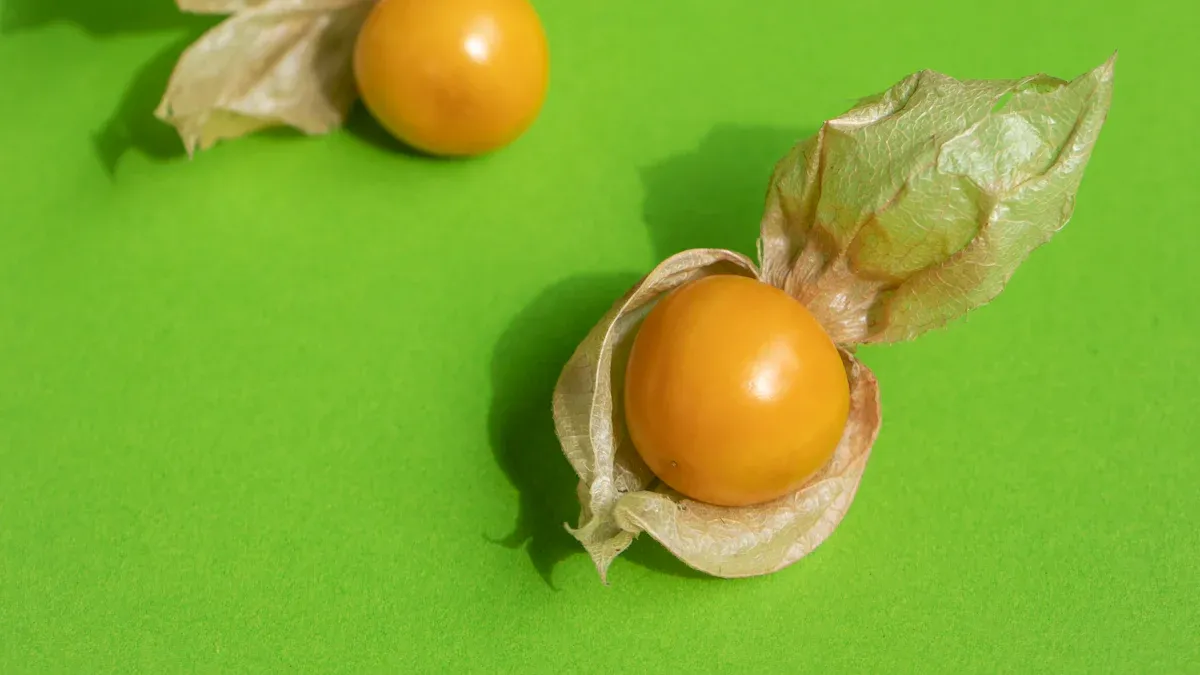
When you look at a cut leaf ground cherry, you see a plant that stands out in the world of physalis fruit. This plant, known as Physalis angulata, grows as an upright herb in fields and meadows. You might spot it in southern North America, but it can also pop up in gardens or along roadsides. The leaf is smooth and shaped from ovate to lanceolate, usually measuring between 1.5 to 4 inches long and 1 to 2.5 inches wide. Some leaves have deep serrations, while others look smooth along the edges. The yellow flowers catch your eye, sometimes with spots, sometimes without. Each physalis fruit forms inside a ribbed calyx that puffs up as the fruit matures. This unique structure helps protect the fruit until it is ready to eat.
Unique Features
You can tell the cut leaf ground cherry apart from other physalis species by looking at its leaf and flower details. Here’s a quick table to help you spot the differences:
Feature | Description |
|---|---|
Structure | Erect herb |
Leaf Characteristics | Smooth, deeply serrated, ovate to lanceolate, 1.5-4 in. long, 1-2.5 in. wide |
Leaf Margin | Irregularly toothed or may be smooth |
Flower Color | Yellow, usually without spots or occasionally with distinct spots |
Fruit | Small, light yellowish-orange, enclosed in a ribbed calyx that inflates at maturity |
The leaf shape and margin give this physalis fruit its name. The calyx, which looks like a little lantern, keeps the physalis fruit safe as it grows. You will notice that the leaf appears more serrated than in other physalis plants.
Toxicity and Safety
You need to be careful with the cut leaf ground cherry. The leaf, stem, and unripe physalis fruit all contain toxic compounds. Research shows that these parts have solanine and other solanidine alkaloids. The highest toxin levels are in the immature physalis fruit. Eating these can make you very sick, and in some cases, the toxins can be deadly. Only eat the fully ripe physalis fruit, which turns a light yellowish-orange and drops easily from the plant. Never eat the leaf or any green parts. If you stick to the ripe fruit, you can enjoy the unique taste and health benefits of this special physalis.
Nutrition Profile
Vitamins and Minerals
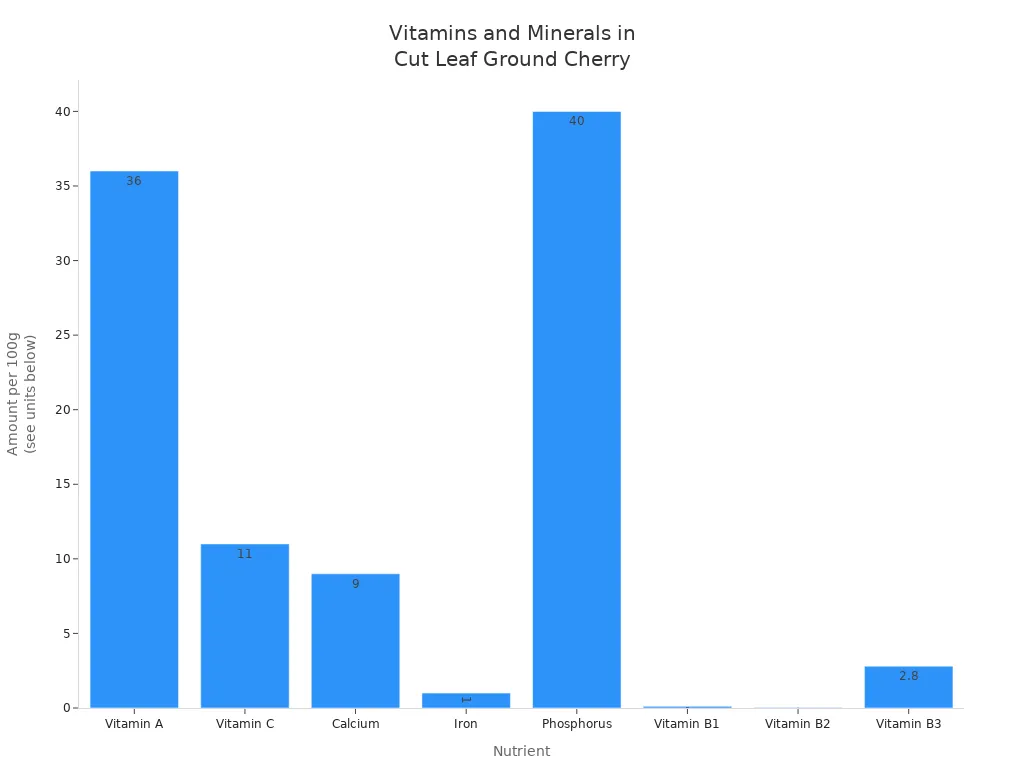
You get a lot of nutrition from cut leaf ground cherry. This fruit packs a punch with vitamins and minerals that help your body stay healthy. If you eat 100 grams, you get a good source of vitamin C, which helps fight scurvy and keeps your immune system strong. You also get vitamin A, thiamin (vitamin B1), riboflavin (vitamin B2), niacin (vitamin B3), calcium, iron, and phosphorus. These nutrients help your body grow, heal, and stay active.
Here’s a quick look at the nutrition you find in cut leaf ground cherry:
Nutrient | Value | % Daily Value |
|---|---|---|
Vitamin A | 36µg | 4% |
Vitamin C | 11mg | 12% |
Vitamin B1 | 0.11mg | 9% |
Vitamin B2 | 0.04mg | 3% |
Vitamin B3 | 2.8mg | 18% |
Calcium | 9mg | 1% |
Iron | 1mg | 13% |
Phosphorus | 40mg | 6% |
Protein | 1.9g | 5% |
Calories | 53kcal | 3% |
You can see that physalis fruit gives you a mix of vitamins and minerals. If you want a snack that helps your body fight scurvy and keeps your bones strong, this fruit is a smart choice.
Beta Carotene and Antioxidants
Cut leaf ground cherry contains beta carotene, which your body turns into vitamin A. This helps your eyes and skin stay healthy. You also get antioxidants like physalins and flavonoids. These antioxidants protect your cells from damage and help your body fight off sickness. If you want to boost your health, eating ripe physalis fruit gives you strong antioxidant effects.
Tip: Antioxidants help your body fight stress and keep you feeling good. You get these benefits when you eat ripe physalis fruit.
The fruit is low in calories, so you can enjoy it without worrying about your diet. The antioxidants in physalis help your body heal faster and may lower your risk of getting sick.
Comparison to Other Ground Cherries
You might wonder how cut leaf ground cherry stacks up against other physalis species. The most common comparison is with Physalis peruviana, also called Cape gooseberry. Both fruits belong to the physalis family, but they have some differences.
Aspect | Cut Leaf Ground Cherry (Physalis angulata) | Other Ground Cherry (Physalis peruviana) |
|---|---|---|
Fruit Weight | 1.32–1.83 g per fruit | 161.60 g per plant |
β-Carotene Content | 0.056–0.093 mg/g | 26.62 mg/kg |
Total Soluble Solids | Similar across lines | N/A |
Cut leaf ground cherry has smaller fruit and less beta carotene than Physalis peruviana. Both types of physalis offer antioxidants, but the Cape gooseberry has more beta carotene. If you want a fruit with a mild taste and good nutrition, cut leaf ground cherry is a great pick. You get a good source of vitamin C and plenty of antioxidants, which help your body fight scurvy and stay healthy.
Health Benefits
Booster of Immunity
You get a strong booster of immunity when you eat cut leaf ground cherry. The fruit contains vitamin C and antioxidants that help your body fight off sickness. Vitamin C helps your skin heal faster and keeps your immune system working well. Antioxidants protect your cells from damage. You also get immune system support from special compounds in physalis. These compounds help your body respond better to allergies and infections.
Here’s a look at what clinical studies found about the immune-boosting effects of cut leaf ground cherry:
Study Focus | Findings |
|---|---|
Immune-boosting effects of Physalis angulata | Exhibits immunomodulatory activity and various therapeutic effects including antiallergic and antimalarial properties. |
Vitamin C helps your body heal wounds by making more collagen. This process helps your skin and tissues recover after injury. Antioxidants in the fruit help your body fight stress and heal faster. You get these health advantages when you eat ripe physalis fruit.
Cognitive Health
Cut leaf ground cherry offers health benefits for your brain. The antioxidants in physalis help protect your brain cells from damage. You may notice better memory and focus when you include this fruit in your diet. Some studies show that eating foods rich in antioxidants can help prevent Alzheimer’s and other brain problems. The leaf and fruit contain compounds that support cognitive health and may help you stay sharp as you age.
You get health advantages from the vitamins and minerals in physalis. Vitamin B1 and B3 help your nerves work well. These nutrients support your brain and help you think clearly. Eating physalis fruit may lower your risk of memory loss and help you stay alert.
Liver and Kidney Protection
You can protect your liver and kidneys with cut leaf ground cherry. The antioxidants in physalis help your organs stay healthy. These compounds fight off toxins and reduce stress on your liver and kidneys. Some research shows that the leaf and fruit may help prevent damage from diabetes and cancer therapy. You get health benefits from the plant’s ability to support organ function.
Physalis fruit contains bioactive compounds that help your body remove harmful substances. These compounds may lower your risk of liver disease and kidney problems. Eating the fruit supports healing and helps your organs work better.
Arthritis Relief
You may find relief from arthritis when you eat cut leaf ground cherry. Scientific studies show that the leaf contains compounds that fight inflammation and reduce pain. Here are the main compounds responsible for arthritis relief:
Alternariol monomethyl ether: Most potent TNF-α inhibitor.
3’-hydroxyalternariol monomethyl ether: Highest anti-inflammatory potential, significantly reducing INF-γ and IL-1β levels.
Alternariol: Demonstrated anti-inflammatory properties.
These compounds help your joints feel better and reduce swelling. You get healing benefits from the anti-inflammatory effects of physalis. The fruit and leaf may help you move more easily and feel less pain.
Inflammation Reduction
Cut leaf ground cherry helps your body fight inflammation. The antioxidants and special compounds in physalis lower swelling and redness. You get health benefits from the plant’s ability to calm your immune system. Eating the fruit may help with diabetes, cancer, and prevention of heart disease.
The leaf and fruit contain cancer-fighting properties that protect your cells. You get healing effects from the antioxidants, which help your body recover from injury and illness. The fruit supports wound healing and scurvy avoidance, making it a smart choice for your health.
Note: Always eat only the ripe fruit. The leaf and unripe parts can be toxic.
Culinary Uses
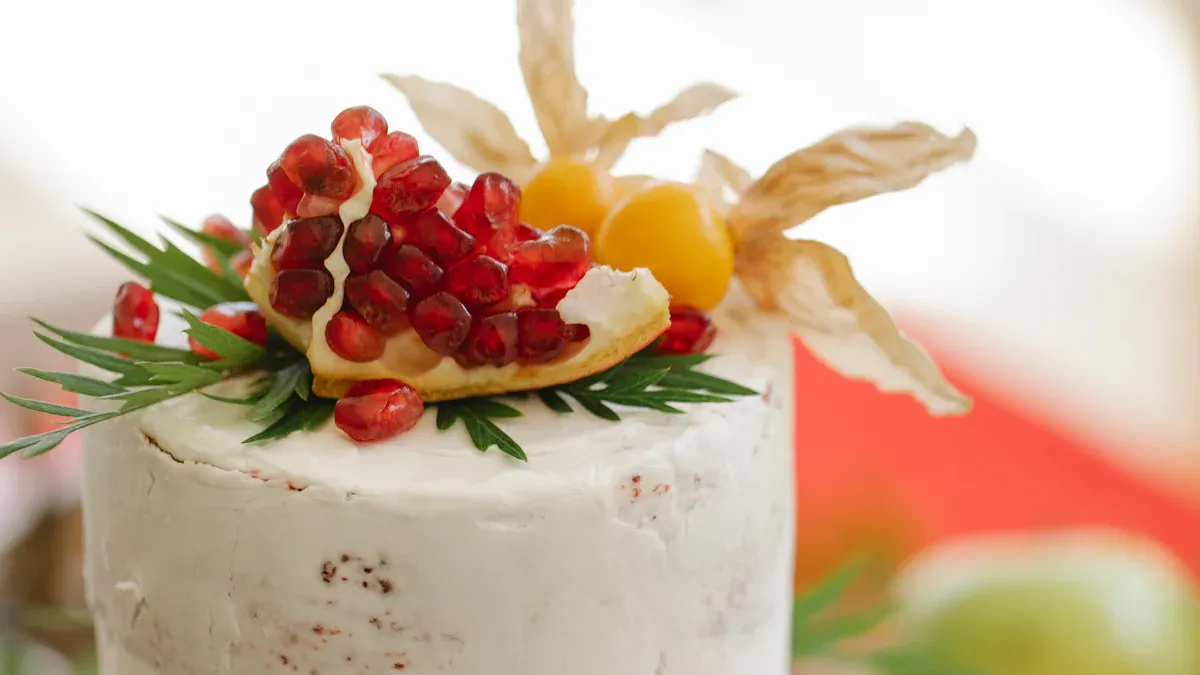
Preparation Tips
When you want to enjoy cut leaf ground cherry, you need to know how to prepare physalis safely. First, check that the fruit is ripe. Ripe fruit looks light yellowish-orange and drops from the plant easily. Remove the papery husk before eating. Never eat the leaves, stems, or unripe fruit because those parts can be toxic. If you wonder how to prepare physalis for snacking, just wash the ripe fruit and eat it fresh, or slice it for salads.
Tip: Always double-check the color and firmness of the fruit. Soft, golden fruit means it’s ready for your table.
Recipes
You might ask what dishes use cut leaf ground cherry. This fruit works well in both sweet and savory recipes. Here are some popular ways to use it:
Ground cherry muffins
Miniature ground cherry crumbles
Ground cherry coffee cake
Savory chutney
Hot sauce
Ground cherry salsa
Fresh salads
Jams
Baked goods
Smoothies
If you want to know how to prepare physalis for baking, try adding it to muffins or coffee cake. For a tangy twist, mix it into salsa or chutney. You can blend it into smoothies for a burst of flavor.
Storage Advice
You can keep cut leaf ground cherry fresh with simple storage methods. Store the fruit in a dry, dark place, like a cardboard box in a basement furnace room. You don’t need to refrigerate it. If you want to save ground cherries for later, peel off the husk and freeze them in a zip lock bag. They won’t clump together, so you can grab a handful anytime. For longer storage, make freezer jam with the fruit.
Ground Cherries in Cooking
Cut leaf ground cherry brings a mild, sweet flavor to your kitchen. You can use it like other ground cherries, but the taste is softer and less tart. Try it in baked goods, salads, or jams. If you enjoy cooking with fruit, this physalis variety gives you plenty of options. You get a unique flavor that works in both sweet and savory dishes.
You get a lot from cut leaf ground cherry. This fruit gives you vitamin C and A, which help your heart, bones, and immune system. Take a look at some key benefits:
Benefit | What It Does |
|---|---|
Immunity Booster | Helps fight off colds and infections |
Heart Health | Keeps blood vessels healthy |
Bone Strength | Supports strong bones and muscles |
Wound Healing | Speeds up recovery from cuts and scrapes |
You can enjoy it in many ways. Try it in salsa, pie, or salad. Add it to your diet with a crumble, preserves, or a fresh salad. Always eat only the ripe fruit for safety.
FAQ
What does cut leaf ground cherry taste like?
You get a mild, sweet flavor with a hint of tartness. The taste feels similar to pineapple or tomato. Ripe fruit gives you the best flavor for snacking or cooking.
What part of the plant can you eat safely?
You should eat only the ripe fruit. The leaves, stems, and unripe fruit contain toxins. Always check the color before eating. Ripe fruit looks light yellowish-orange.
What recipes work best with cut leaf ground cherry?
You can use this fruit in muffins, jams, salads, salsa, and chutney. Try adding it to baked goods or smoothies for a sweet twist. Fresh fruit works well in desserts.
What is the best way to store cut leaf ground cherry?
You can store ripe fruit in a dry, dark place. Peel off the husk before freezing. Frozen fruit stays fresh for months. You do not need to refrigerate it.