

Dementia is a group of symptoms caused by brain changes that impair memory, thinking, judgment, or behavior enough to disrupt daily independence. Forgetting a name can happen with age; getting lost on a familiar route, missing pills, or struggling with a checkbook needs closer attention.
This overview helps you recognize patterns, prepare for evaluation, respond to urgent confusion, and make practical care decisions for yourself or someone close to you.
Daily Function Separates Dementia From Ordinary Forgetfulness
Because independence is the key dividing line, memory loss alone does not establish a diagnosis. Dementia can affect language, orientation, planning, judgment, visual skills, and behavior alongside recall. You may first notice the change in bills, cooking, appointments, driving, or medication routines.
A single misplaced key usually has little meaning by itself. Repeatedly placing keys in a freezer, then accusing a neighbor of theft, suggests a broader problem with memory, reasoning, and awareness. That pattern is more useful to document than a general feeling that something seems off.
Everyday slips differ from a pattern of decline
Age is the strongest known risk factor, but aging itself does not cause this syndrome. Symptoms can begin before later life, depending on the brain condition involved. Your next step is to watch for changes that persist, worsen, or make routine tasks unsafe.
- Repeated memory lapses: Asking for the same information within minutes or relying heavily on written prompts for familiar facts can signal difficulty holding new information.
- Planning trouble: Losing track of a monthly bill, a three-step recipe, or the order of a routine errand may point to declining executive skills.
- Time confusion: Forgetting the season, date, or reason for arriving at a familiar location can affect safe navigation and scheduling.
- Language changes: Pausing for basic words, using vague substitutions, or losing the thread of a conversation may show more than normal word-finding delay.
- Judgment shifts: Sending money to a scammer, ignoring hygiene, or making uncharacteristic choices can create immediate financial or safety risks.
These changes matter most when they represent a departure from a person’s usual abilities. Keeping examples with dates gives a clinician something concrete to assess, and it also clarifies whether the decline is gradual or sudden.
Whether the change disrupts managing everyday tasks is often the clearest clue that closer attention is warranted.
Warning Signs Become More Concerning When Independence Changes
With that daily-function test in mind, a repeated change in safety, work, relationships, or self-care deserves medical review. The 10 warning signs below are not a home diagnosis tool. They help you describe dementia symptoms with enough detail for a useful appointment.
Ten warning signs appear in familiar routines
| Sign | Concrete example | Why it matters |
|---|---|---|
| Memory loss | Repeating a story several times in one visit | New information does not stay available |
| Planning difficulty | Unable to balance a checkbook once handled with ease | Executive skills may be changing |
| Familiar task trouble | Cannot operate a long-used coffee maker | Sequencing and learned routines may be affected |
| Disorientation | Gets lost driving to a usual grocery store | Place and route awareness may be reduced |
| Visual-spatial difficulty | Misjudges stairs or struggles to park | Vision processing can change apart from eyesight |
| Language change | Stops mid-sentence and cannot retrieve common words | Communication may become less reliable |
| Misplacing items | Puts a wallet in a laundry basket and cannot retrace steps | Memory and problem-solving may both be involved |
| Poor judgment | Gives bank details to an unsolicited caller | Financial harm can happen quickly |
| Social withdrawal | Stops attending a card group after struggling to follow play | Embarrassment can hide cognitive change |
| Mood change | New suspicion, apathy, irritability, or fearfulness | Behavior may shift before memory complaints dominate |
One missed appointment is not enough to prove a brain disorder. A cluster of missed appointments, unpaid bills, repeated questions, and getting lost on a known route provides a much clearer clinical picture. That distinction becomes especially important when confusion appears quickly.
Gradual decline differs from sudden confusion
Normal aging may mean slower recall, such as needing extra time to remember a name but recalling it later. Mild cognitive impairment (MCI) involves measurable cognitive change while most independent daily tasks remain intact. Dementia involves a decline severe enough to interfere with those tasks.
| Pattern | Typical course | Daily-life effect | Best response |
|---|---|---|---|
| Normal aging | Slow and mild | Routine tasks remain manageable | Track changes and mention concerns at a routine visit |
| Mild cognitive impairment | Usually gradual | Independence is mostly preserved, though tasks may take longer | Arrange clinical assessment and monitor function |
| Dementia | Usually gradual and progressive | Finances, medicines, driving, meals, or hygiene become unreliable | Seek a full evaluation and begin safety planning |
| Delirium | Sudden onset over hours or days | Attention and alertness may fluctuate sharply | Seek same-day or emergency medical assessment |
Delirium can result from infection, dehydration, medication effects, pain, surgery, or metabolic illness. A person may seem clear at breakfast and severely confused by afternoon. That rapid fluctuation is not typical of a slowly progressive neurodegenerative condition.
Sudden confusion is not a routine memory concern. Seek same-day or emergency assessment for abrupt change, stroke-like signs, fever, head injury, dehydration, or rapid decline after a medication change.
Call emergency services for facial drooping, one-sided weakness, new speech difficulty, severe headache, loss of consciousness, or a suspected stroke. A routine evaluation is appropriate for gradual symptoms that persist over weeks or months. This urgent-care distinction helps separate reversible illness from longer-term cognitive decline.
Once urgent and reversible causes are considered, the pattern of changes can point toward different underlying brain disorders.
Different Brain Conditions Create Different Patterns of Decline
Once the timing is clear, the symptom pattern can point clinicians toward likely causes. Alzheimer’s disease is the most common cause worldwide, but it is only one of several types of dementia. Your safety concerns and treatment options can differ depending on the underlying condition.
| Brain condition | Common pattern | Clinical clue |
|---|---|---|
| Alzheimer’s disease | Gradual loss of recent memory followed by broader cognitive change | Repeating questions and forgetting recent events |
| Vascular it | Slowed thinking, planning difficulty, or step-like decline | History of stroke or blood-vessel disease |
| Lewy body it | Fluctuating attention, visual hallucinations, and movement changes | Dream enactment during sleep or Parkinsonism |
| Frontotemporal it | Behavior, personality, or language changes before major memory loss | Loss of social restraint or altered speech patterns |
| Mixed it | Features of more than one brain disease | Alzheimer’s changes plus vascular injury |
Protein and blood-vessel changes leave distinct clues
Alzheimer’s disease involves beta-amyloid buildup outside nerve cells and tau tangles within them. Those changes damage communication between neurons and can spread through connected brain regions over time. Early difficulty remembering recent events is common, although symptoms vary from person to person.
Lewy body it involves alpha-synuclein deposits in brain cells. Visual hallucinations, marked swings in alertness, REM sleep-behavior disorder, and Parkinsonism can occur together. You should report dream enactment, shuffling steps, or hallucinations because these details can affect medicine choices.
Vascular it can follow strokes or injury to the brain’s small blood vessels. Reduced blood flow can disrupt networks used for attention, planning, and processing speed. More than one process may occur at once, especially later in life, which is why a single symptom rarely tells the whole story.
Frontotemporal it may begin with disinhibition, apathy, compulsive behavior, or language difficulty rather than forgetfulness. Symptoms can begin before age 65, although younger-onset conditions remain less common than later-life cognitive disorders. These differences explain why a careful diagnostic workup matters.
Because similar symptoms can arise from many sources, assessment must look beyond a single diagnosis for contributing factors.
A Full Evaluation Identifies Causes and Treatable Contributors
Because several conditions can mimic brain disease, no single quiz, blood test, or scan confirms most diagnoses. it diagnosis combines symptom history, cognitive testing, functional assessment, medical examination, laboratory work, medication review, and imaging when appropriate. A neurologist, geriatrician, primary care clinician, or neuropsychologist may take part in that process.
Appointment preparation improves the clinical picture
Specific examples are more useful than a vague report of forgetfulness. Bring notes from someone who has seen the changes firsthand, since insight can fade as impairment progresses. An unpaid utility bill or a driving error may reveal more than a test score alone.
- Symptom timeline: Write down the month or year symptoms began and whether change was gradual, step-like, or sudden.
- Missed daily tasks: List concrete incidents involving meals, bills, routes, appointments, hygiene, or medication doses.
- Complete medicine list: Include prescriptions, over-the-counter products, supplements, alcohol use, and any recent dose changes.
- Health history: Note strokes, diabetes, sleep apnea, hearing changes, depression, infections, and head injuries.
- Family observations: Ask relatives or close friends to describe changes in behavior, language, mobility, or safety.
- Clinical questions: Ask what may be reversible, which tests are needed, whether driving is safe, and when follow-up should occur.
Bring this information even if the appointment is several weeks away. A dated record helps distinguish progressive symptoms from an abrupt illness, and it gives your clinician a clearer starting point for testing.
Testing answers different parts of the puzzle
Cognitive testing checks recall, attention, language, reasoning, and visual-spatial skills. Functional assessment looks at whether a person can still manage shopping, money, medicines, transportation, and household tasks. The combination matters because an abnormal score alone does not show how daily life is affected.
Laboratory tests may check for thyroid disease, vitamin B12 deficiency, infection, metabolic illness, and other contributors to confusion. Depression, poor sleep, untreated hearing loss, and medication side effects can also cloud thinking. Finding one of these problems can change the care plan, even when it does not explain every symptom.
MRI or CT imaging may reveal prior strokes, bleeding, tumors, fluid buildup, or patterns of brain shrinkage. The National Institute on Aging explains that assessment draws on history, testing, physical examination, laboratory work, and imaging when appropriate. That broad approach prevents a scan or memory screen from being treated as a stand-alone answer.
With the likely causes and contributors clarified, care can target symptoms while preserving daily abilities wherever possible.
Treatment Focuses on Symptoms, Function, and Reversible Problems
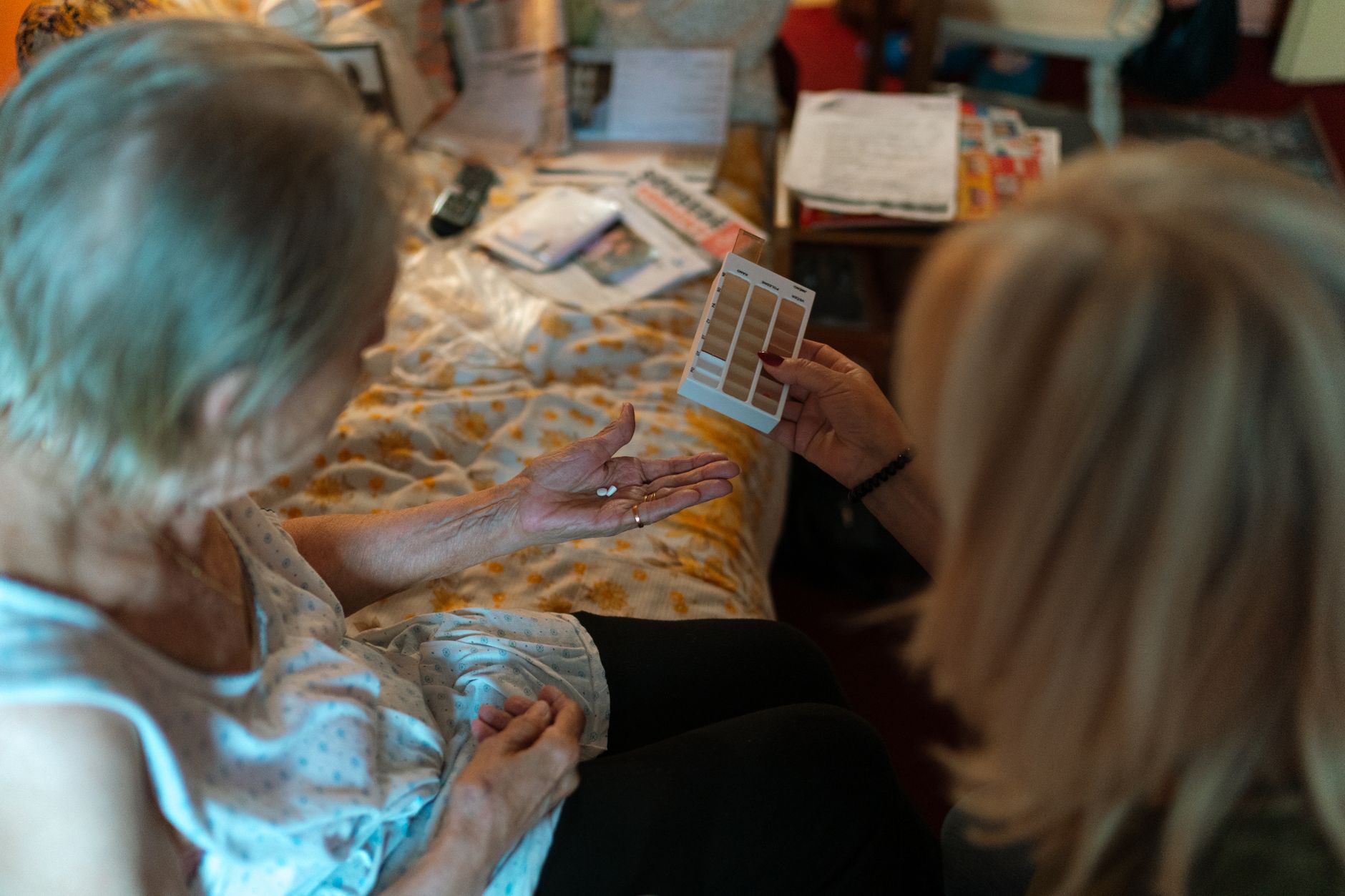
After evaluation clarifies the likely pattern, care usually combines medical treatment with practical daily support. Most neurodegenerative forms cannot be reversed, but it treatment can still reduce symptoms, address reversible contributors, and preserve function. Your care plan should reflect the diagnosis, other health conditions, home setup, and personal values.
Medical options have clear limits and tradeoffs
Prescription medicines may be used for cognition, mood, sleep, agitation, hallucinations, or related symptoms in selected situations. Some disease-modifying therapies are available for narrowly defined patients with certain forms of mild Alzheimer’s disease. Eligibility requires detailed clinical review because potential benefit, medical risks, monitoring demands, and treatment burden must all be weighed.
Treating thyroid disease, vitamin B12 deficiency, infection, medication side effects, depression, poor sleep, or hearing problems may improve thinking when those factors contribute. That does not mean every case is reversible. It means a careful workup should not overlook problems that can be treated.
Daily routines also matter. Regular meals, daylight exposure, meaningful activity, hearing support, comfortable sleep routines, and calm communication can reduce friction. A familiar song during dressing or a labeled kitchen drawer may work better for your household than a complicated new device.
Supplements, brain games, and lifestyle changes do not reverse established neurodegenerative disease. They may support general health, but they do not replace clinical care or safety planning.
These limits make early planning more valuable, not less. The next practical decisions usually involve medicines, driving, money, home hazards, and caregiver support.
Practical safeguards turn those decisions into routines that protect both the person and the people helping them.
Safety Planning Reduces Preventable Harm at Home
As daily tasks become less reliable, small safeguards can prevent larger emergencies. A stove burner left on at night or two doses taken from the same pill bottle can signal risk before a major crisis occurs. You can introduce support more successfully while the person can still discuss preferences and take part in decisions.
Daily safeguards protect routines and independence
- Simplify communication: Use one instruction at a time, short sentences, and a calm pause before repeating yourself.
- Set visual cues: Place calendars, labels, and a large clock where morning routines begin.
- Supervise medicines: Use a locked organizer or direct oversight after missed or doubled doses appear.
- Review driving risks: Track near misses, getting lost, dents, traffic tickets, and family concerns before an accident forces the issue.
- Guard finances: Set account alerts, limit access to large transfers, and discuss scam calls without blame.
- Reduce fall hazards: Clear loose rugs, improve lighting, and keep frequently used items within easy reach.
Advance-care planning works best before a hospitalization or serious safety event. Discuss health care preferences, powers of attorney, advance directives, housing wishes, and the people who can help with appointments, meals, transportation, and respite. Your family can then act on stated wishes instead of guessing during a crisis.
it care for caregivers also requires rest. Respite may come from relatives, adult day programs, home-care services, or local support groups. Regular breaks reduce the chance that exhaustion turns a manageable routine into an unsafe one.
Caregiver support matters, yet long-term well-being also benefits from habits that protect the brain and circulation.
Risk Reduction Supports Brain and Blood-Vessel Health
Alongside safety planning, long-term health choices can influence risk without guaranteeing prevention. No number one trigger causes cognitive decline. it causes include Alzheimer’s-related changes, blood-vessel injury, Lewy body disease, frontotemporal disorders, genetics, aging, and health factors that build over decades.
High blood pressure, diabetes, smoking, physical inactivity, hearing loss, depression, social isolation, and sleep problems can affect brain health through blood vessels, inflammation, sensory input, and daily stimulation. The 2020 Lancet Commission identified modifiable factors across the life course. That finding explains why risk reduction involves more than memory exercises.
- Manage blood pressure: Work with a clinician to control high blood pressure because damaged vessels can reduce blood flow to the brain.
- Address diabetes: Keep diabetes care on track because persistently high blood sugar can harm blood vessels over time.
- Avoid smoking: Stopping smoking supports circulation and reduces a major vascular risk factor.
- Stay physically active: Choose movement that fits your abilities, health conditions, and balance needs.
- Check hearing changes: Seek hearing evaluation because untreated hearing loss can increase isolation and make communication harder.
- Treat mood and sleep: Bring persistent depression, snoring, insomnia, or daytime sleepiness to a health professional.
These habits may lower risk for some people, especially through healthier blood vessels and stronger social engagement, but they cannot promise prevention or reversal. Primary care teams can coordinate referrals, while memory clinics can help with complex symptoms. The National Institute on Aging and local Area Agencies on Aging provide practical information on respite, transportation, meals, and caregiver groups.
Taken together, timely evaluation, practical support, and steady planning offer the clearest path forward for families.
Bottom Line
Early action is most useful when cognitive changes begin to affect ordinary life. Record specific examples, bring a complete medication list, address immediate safety concerns, and involve trusted support before decisions become urgent. You do not need to wait for a final diagnosis to make the next day safer.
Sudden confusion needs urgent medical attention because delirium, stroke, infection, dehydration, head injury, or medication effects may be treatable. Gradual decline calls for a thorough evaluation that looks at function as well as memory. That distinction gives you a practical path forward.
FAQ
What is dementia, and is it a normal part of aging?
it is a syndrome involving cognitive decline that interferes with independent daily tasks such as managing medicines, finances, meals, or transportation. It is not a normal part of aging. Normal aging may slow recall, but familiar tasks usually remain manageable.
What are the 10 warning signs of dementia?
The 10 recognized signs include worsening memory loss, planning difficulty, trouble with familiar tasks, disorientation, visual-spatial problems, language changes, misplacing items, poor judgment, social withdrawal, and mood or personality changes. A persistent shift that affects independence carries more concern than an isolated lapse.
What are the five early signs of dementia?
Five initial signs are repeated memory lapses, trouble planning or solving problems, confusion about time or place, word-finding difficulty, and new changes in judgment or mood. You may notice these signs first in bills, driving, medication routines, work tasks, or conversations.
What are the earliest signs of dementia?
Early signs can include repeating questions, forgetting recent events, losing track of bills, trouble finding common words, getting confused in a familiar place, or showing new poor judgment. Your record of when these changes began and how they affect daily tasks helps guide evaluation.
What is the difference between dementia and normal aging?
Normal aging can make recall slower, yet familiar daily tasks remain manageable. This syndrome involves decline that interferes with independence, such as getting lost on a known route, missing medicine doses, or being unable to complete a routine financial task that was once familiar.
What causes dementia, and what is the most common type?
Alzheimer’s disease is the most common cause, but vascular it, Lewy body it, frontotemporal it, and mixed brain disease can also cause progressive decline. Your clinician considers symptoms, medical history, cognitive testing, and imaging when appropriate to identify likely contributors.
