

Federally certified organic products follow defined farming and processing standards, whereas a natural label is a narrower package claim without a matching farm-to-factory rulebook. You can see both terms on one shelf, but only organic requires documented certification and inspection.
This guide helps grocery shoppers weigh label language, certification paperwork, percentage statements, category-specific claims, and broader nutrition considerations before choosing food for the cart.
Organic And Natural Labels Describe Different Evidence
At the shelf, a claim can look more meaningful than it is. Organic food follows documented production rules from the farm through handling, while a “natural” food label may describe only the absence of certain artificial ingredients or processing methods. That difference affects what you can reasonably infer from the front panel.
A carton of eggs can say natural without explaining the hens’ feed, antibiotic use, outdoor access, or the crop practices used to grow that feed. By contrast, organic certification requires records, inspections, and compliance with standards set through the USDA National Organic Program. Your label choice is therefore a choice between a verified production system and a limited marketing description.
| Label type | Regulation clue | Production clue | Grocery example |
|---|---|---|---|
| Organic item | The label follows federal organic rules. | The food excludes genetic engineering and restricts many synthetic crop inputs. | Organic apples may carry the USDA Organic seal. |
| Natural item | The claim lacks a full federal production standard. | The package may not reveal how crops or animals were raised. | Natural cereal may still contain refined grains and added sugar. |
| Non-GMO item | The claim addresses genetic engineering, not every farm practice. | The food can still come from conventional farming. | Non-GMO corn chips can contain added oil and salt. |
| Conventional item | The food meets food-law requirements without organic rules. | The farm may use methods outside the organic standard. | Conventional spinach may cost less than its organic counterpart. |
| Crop-input check | An organic label restricts many synthetic crop sprays. | A natural claim does not make that statement. | Berries need label review rather than a front-panel assumption. |
| Additive check | Organic processed food follows ingredient restrictions. | Natural food can still contain permitted ingredients. | Natural yogurt may contain sugar and thickeners. |
| Processing check | An organic seal does not mean unprocessed. | Natural wording lacks a uniform processing limit. | Organic cookies remain cookies in the pantry. |
| Value check | Organic items carry verification and compliance costs. | Natural items may have no outside production review. | Your selection can rest on household values and shelf price. |
For a plain apple, organic offers stronger evidence about how the crop was grown. For a packaged snack, the ingredient list and nutrition facts label may matter more than natural wording, especially where sugar, sodium, and refined grains change the food’s overall quality. The verification behind organic starts with a specific federal program.
Its standards depend on documented practices and regular oversight, not simply a producer’s own description.
Federal Organic Certification Requires Records And Inspection
That stronger evidence comes from a formal compliance process. Organic certification generally requires farms, processors, and handlers to maintain an organic system plan, keep purchase and production records, and undergo inspection by an accredited certifying agent. You can look for the certifier statement near the ingredient panel or on the package back.
The USDA National Organic Program sets the national standards and accredits certifying agents that verify them. Operations with annual organic sales below $5,000 may be exempt from certification, but they cannot use the USDA Organic seal. Those limits help you distinguish a federal claim from a loose use of the word organic.
Crop Rules Restrict Inputs And Prohibit Genetic Engineering
Crop standards prohibit genetically modified organisms, also called GMOs, in certified organic production. They also restrict most synthetic pesticides and fertilizers, although some substances are allowed after review for specific uses. Your organic food label does not mean zero pest control; it means the farm follows a narrower approved-input system.
Soil fertility plans commonly rely on crop rotation, compost, cover crops, and approved materials rather than routine synthetic inputs. The Organic Materials Review Institute, known as OMRI, evaluates whether many products fit organic standards, but its listing does not replace certification. The USDA National Organic Program remains the rulebook behind the federal label.
Livestock Standards Set A Baseline For Feed And Care
Animal products under organic rules come from livestock fed organic feed and raised without antibiotics or added growth hormones. Outdoor access is also required, though the practical conditions can vary by farm, climate, species, and facility design. You may need farm-specific details where pasture time or stocking density shapes your decision.
Organic livestock language does not settle every concern about transport, slaughter practices, pasture conditions, or animal density. Check farm-specific information where those details matter to your purchase.
Certification gives organic its distinct meaning, but package wording still changes what a product can claim. Percentage thresholds explain why a cereal box, soup can, or frozen meal may use different organic language on the front.
Those front-panel differences follow defined percentage cutoffs that determine which wording manufacturers may use.
Organic Percentage Claims Set Clear Package Thresholds
Those package claims follow three main percentage levels. Salt and water do not count toward the calculation, which can matter in bread, broth, soup, and frozen meals with several ingredients. You can use the exact phrase on the package to gauge how much of the formula is certified.
- 100% organic: The product contains only organic ingredients, apart from salt and water.
- Organic label: The food contains at least 95 percent organic ingredients, excluding salt and water.
- Made with organic: The package contains at least 70 percent organic ingredients but cannot carry the USDA Organic seal.
- Below 70 percent: The ingredient panel may identify organic ingredients, but the front panel faces tighter claim limits.
A product labeled 100% organic gives the strongest ingredient-level claim, but it still may be highly processed. Organic cookies can contain sugar, and organic frozen pizza can contain substantial sodium. Your next check should be the nutrition facts label, not the color of the package or a leaf graphic.
Look for the USDA Organic seal, the name of the certifying agent, and wording such as “made with organic ingredients.” A box labeled “made with organic oats” may use organic oats while its sweetener, flavoring, or oil follows different sourcing rules. That distinction becomes sharper once natural claims enter the picture.
Unlike regulated percentage statements, these terms can mean different things depending on the product category.
Natural Claims Vary By Food Category
Unlike the organic system, natural wording does not provide one complete production standard. The Food and Drug Administration (FDA) has stated that it does not object to “natural” on food labels when nothing artificial or synthetic, including added color, would normally be expected in that food. The FDA position does not address pesticide use, GMO status, animal feed, or overall nutrition.
The Federal Trade Commission (FTC) can act against deceptive advertising, but it does not operate an organic-style certification program for natural foods. That means a natural claim needs context from the product category and the rest of the package. You should treat it as one clue rather than a full account of how food was made.
Produce, Meat, And Packaged Foods Have Different Limits
Fresh produce described as natural may come from farms using synthetic pesticides or genetically engineered seed. A separate organic or non-GMO statement is needed before the label speaks to those practices. Your produce choice may therefore depend on production methods, price, freshness, and whether the item is available in a form you will use.
Meat and poultry claims work differently because they receive category-specific oversight. Natural meat claims commonly focus on artificial ingredients, added color, and minimal processing, not on feed, outdoor access, antibiotics, or living conditions. Those details require separate label language or farm information.
Packaged foods reveal the widest gap between a front label and the food itself. A natural fruit drink can still provide added sugar, while natural crackers can contain refined flour and high sodium. Check the ingredient list first, then compare serving size, added sugar, fiber, and sodium on the nutrition facts label.
Natural does not mean free of synthetic pesticides, non-GMO, antibiotic-free, organically grown, minimally processed, or nutritionally superior. Use the claim as a narrow starting point until the package confirms more.
This limitation keeps a health halo from doing too much work. Nutrition, residue exposure, food safety, and ingredient quality each involve separate facts, so the organic vs natural food comparison cannot end with one word on the front panel.
A more useful judgment considers nutrition, contamination risks, and processing alongside the label.
Health And Safety Depend On The Full Food Choice
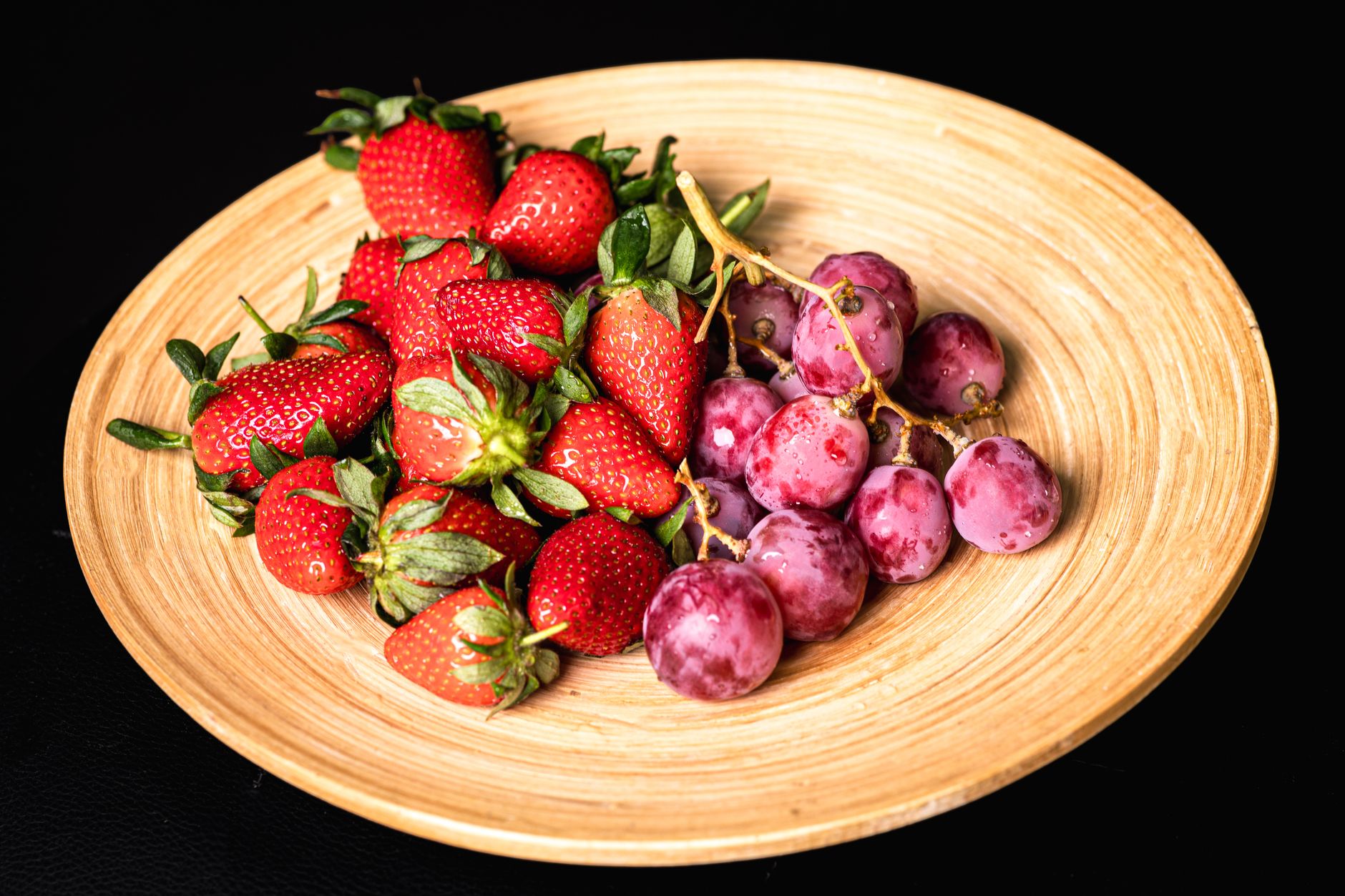
That broader review matters because production standards and nutrition are not the same measure. Organic rules may reduce exposure to certain synthetic pesticide residues, yet an organic sweetened cereal is not automatically a nutrient-dense breakfast. Mayo Clinic states that available evidence does not show an across-the-board nutrition advantage for organic food.
Food safety also does not come from a seal alone. Organic and conventional produce can carry bacteria from soil, water, handling, or kitchen cross-contact. You still need to rinse produce under running water, refrigerate perishables promptly, and keep raw meat away from ready-to-eat foods.
Residues And Nutrients Need Separate Judgments
Laboratories detect trace crop chemicals through chromatography and mass spectrometry. These methods separate compounds by physical behavior before identifying them, which makes residue testing more precise than a simple clean-versus-dirty claim. Detection does not automatically show harm, but it explains why residue conversations need careful context.
Organic produce is not free of pest-control materials because approved substances may be used under organic rules. The key difference is the permitted-input list and the certification process behind it. You can choose organic for that production approach without assuming that every organic item has a major nutritional advantage.
Whole Foods Carry More Weight Than Front-Panel Language
Fiber, protein, added sugar, sodium, and portion size shape your meal more directly than a natural claim. A conventional bag of plain frozen vegetables can support your eating pattern better than an organic dessert with several teaspoons of added sugar. The ingredient list tells you what is in the product; the nutrition facts label shows the amounts that matter per serving.
Organic does not mean 100% natural, local, unprocessed, or risk-free. Separating those terms helps you spend attention where it counts: the food’s ingredients, your household priorities, and the production practices you actually want to support. Those tradeoffs become especially clear in a grocery budget.
Price limits often require selective choices rather than treating every purchase as an all-or-nothing decision.
A Practical Budget Strategy Matches Labels To Priorities
Because labels answer different questions, the best purchase is not always the item with the most claims. Higher shelf prices, limited availability, and uncertain personal value lead some households to skip organic food. Conventional fruits, vegetables, beans, whole grains, and frozen produce can still provide useful nutrients at a lower unit price.
A family that buys berries three times a week may assign more value to organic berries than to organic cookies. Another household may choose conventional apples so it can buy more produce overall. Your grocery plan works better when it reflects what you eat regularly rather than an all-or-nothing label rule.
Cart Priorities Can Keep Comparisons Grounded
- Frequent foods: Put more of your grocery budget toward foods your household eats several times each week.
- Animal products: Choose organic eggs, milk, or meat where organic feed and antibiotic limits match your concerns.
- Ingredient length: Favor foods with recognizable, useful ingredients before relying on natural wording.
- Nutrition details: Compare added sugar, sodium, fiber, protein, and serving size for the amount you will actually eat.
- Unit price: Review fresh, frozen, canned, store-brand, and seasonal options by price per ounce or pound.
At a neighborhood market, local tomatoes may be neither organic nor natural-labeled, yet a farmer may explain growing methods directly. In a supermarket aisle, organic carrots, natural chicken breast, non-GMO tortilla chips, and plain conventional oats each answer different questions. You can choose among them without treating any single label as a complete quality score.
A useful routine is to inspect the seal, ingredient panel, nutrition facts label, and unit price together. This four-part check makes the difference between organic and natural food easier to use during an ordinary shopping trip instead of turning it into a confusing shelf decision.
Ultimately, clear priorities help shoppers weigh competing package claims with less confusion.
Label Takeaways
Organic is a verified production standard with certification, records, inspections, GMO restrictions, and limits on many synthetic pesticides. Natural is a limited claim that can vary by food category and does not automatically describe farming methods, processing, or nutrition. You get the clearest answer by matching the label to the question you actually have.
Use the USDA Organic seal where production practices, livestock feed, and certified handling matter to you. Then read the ingredient list and nutrition facts label to judge added sugar, sodium, fiber, and portion size. A carefully planned cart does not need to be all organic to fit your budget and food priorities.
FAQ
What is the difference between organic and natural food?
Organic follows certified federal production rules, while natural generally refers to limited ingredient or processing claims. You can verify organic through the USDA Organic seal and certifier statement.
Is the term “natural” regulated by the USDA or FDA?
FDA guidance on natural food labeling remains limited, while the USDA National Organic Program administers organic certification. Your natural claim does not receive the same farm-to-factory standard as organic certification.
What does the USDA Organic seal guarantee?
Certified products must meet applicable federal organic standards for production and handling before carrying the USDA Organic seal. It does not guarantee that your food is unprocessed, local, or more nutritious.
Does organic mean 100% natural?
No. Organic refers to defined production rules and allowed ingredients, while natural has no complete federal production standard. Your organic packaged food may still be processed or contain added sugar.
Which is better, all natural or organic?
Organic gives you clearer evidence about farming, animal feed, genetic engineering, and processing rules. Natural may help you avoid certain artificial ingredients, but your package needs more details before it matches organic standards.
Are organic foods healthier or safer than natural foods?
Organic may reduce exposure to certain synthetic pesticide residues, but neither label makes food automatically healthier or safer. You should compare ingredients, added sugar, sodium, storage, and food-handling needs.
