

Diverticulitis is inflammation around small pouches in the colon, sometimes involving infection, and it can cause focused lower-left abdominal pain, fever, nausea, and bowel changes. You need prompt medical evaluation for worsening pain, vomiting, a rigid abdomen, or trouble keeping fluids down because these signs can point to a complication.
This page helps you sort routine diverticulosis from an acute episode, understand testing and treatment, and make practical food and follow-up decisions during recovery.
Diverticula, Diverticulosis, and Diverticulitis Describe Different Colon Changes
With those distinctions in mind, the location of the pouches explains why symptoms can feel so specific. Small outward bulges can form where blood vessels pass through the muscular wall of the large intestine. These pouches, called diverticula, commonly appear in the sigmoid colon, the curved lower section on the left side of your abdomen.
Three Terms Mark Different Stages
| Term | What it means | What it may mean for you |
|---|---|---|
| Diverticula | Small pouches in weak spots of the colon wall. | They may never cause symptoms or come to your attention. |
| Diverticulosis | The presence of diverticula without active inflammation. | A clinician may find it during a colonoscopy or CT scan done for another reason. |
| Diverticulitis | Inflammation involving a pouch and nearby tissue, with infection in some cases. | Focused abdominal pain, bowel changes, fever, or tenderness may develop. |
| Diverticular disease | The broad label for symptoms or complications related to diverticula. | Your care depends on whether symptoms reflect inflammation, bleeding, or another bowel problem. |
Diverticulosis becomes more common with age, but only a minority of those with pouches develop an inflamed episode. Pressure inside the colon may contribute over time, especially at natural weak points in the bowel wall. A high-fiber diet affects stool bulk and transit, which is one reason your long-term eating pattern matters after recovery.
For example, a colonoscopy may show several sigmoid pouches even though you have no pain, fever, or bowel disruption. That finding alone is not a flare and does not mean a recent meal caused damage. The distinction becomes useful when a new pain pattern appears.
That difference leads to the symptom pattern that deserves attention. Localized pain and body-wide illness signals can help your clinician decide how quickly testing is needed.
That distinction becomes most important when a familiar bowel pattern shifts into focused discomfort or illness.
Localized Pain and Bowel Changes Can Signal an Acute Flare
Because the pouches are usually concentrated in the lower colon, discomfort tends to stay in one area rather than move around like ordinary gas. Acute lower-left abdominal pain is the classic pattern in the United States, where sigmoid colon pouches are common. Your pain can also occur on the right side or lower pelvis because anatomy varies.
Pain, Fever, and Bowel Changes Form the Common Pattern
Tenderness may worsen with walking, coughing, or pressure on the sore area. Fever, nausea, bloating, constipation, diarrhea, and reduced appetite can occur alongside pain. A normal temperature early in an episode does not rule out inflammation, so your full symptom pattern matters more than one measurement.
| Possible cause | Pattern that may overlap | Detail that changes your next step |
|---|---|---|
| Inflamed colon pouch | Focused lower abdominal soreness with bowel changes. | Persistent pain and fever call for clinical evaluation. |
| Irritable bowel syndrome | Cramping, bloating, constipation, or loose stool. | IBS does not cause colon inflammation, so new fever or marked tenderness needs medical review. |
| Appendicitis | Abdominal pain and nausea. | Intensifying right-lower pain may need urgent evaluation. |
| Kidney stone or urinary infection | Lower abdominal discomfort and nausea. | Burning urination, blood in urine, or pain moving toward the groin points clinicians toward urinary causes. |
| Pelvic or gynecologic condition | Pelvic pain, nausea, and bowel pressure. | Pregnancy, vaginal bleeding, or a new pelvic symptom changes urgency and the testing needed. |
Older adults and those taking medicines that suppress immune activity can have less dramatic fever or pain despite significant inflammation. Steroid medicines, transplant-related drugs, chemotherapy, and some immune-modifying therapies can change symptom intensity and complication risk. Tell the clinician about these medicines because your treatment threshold may be lower.
Symptoms alone cannot confidently separate an inflamed pouch from appendicitis, urinary disease, or a pelvic condition. A localized ache may be the first signal, while its pace, fever, and your ability to drink fluids determine how urgently care is needed.
That uncertainty is why severe warning signs should not wait for a home remedy. Fast action matters most when pain becomes widespread or your body shows signs of serious infection.
When those changes escalate beyond localized discomfort, prompt evaluation can prevent dangerous complications from worsening.
Severe Symptoms Need Urgent or Emergency Medical Care
As pain intensifies, waiting several days can allow dehydration, infection, or an obstruction to become harder to manage. Contact a clinician promptly for new abdominal pain with fever, especially when discomfort grows over hours, limits movement, or does not settle. Your clinician can determine whether same-day office care or emergency evaluation fits the pattern.
Severe pain with a hard or rigid abdomen can signal irritation of the abdominal lining from a bowel perforation. Emergency evaluation is safer than trying to manage that pattern at home.
Emergency Signs Need Fast Medical Review
- Spreading severe pain Seek emergency care for pain that becomes intense, widespread, or sharply worse with movement.
- High fever Get urgent medical help for a high temperature with shaking chills, worsening weakness, or marked abdominal tenderness.
- Persistent vomiting Inability to keep fluids down can cause dehydration and may signal obstruction or severe illness.
- Fainting or confusion Call emergency services for fainting, confusion, severe dizziness, or a racing heartbeat.
- Blocked bowel signs Contact a clinician for major swelling and inability to pass stool or gas.
- Rectal bleeding New rectal bleeding needs prompt medical advice, particularly with dizziness or pain.
Sepsis is the body’s extreme response to infection and can involve rapid breathing, a fast pulse, confusion, low blood pressure, or profound weakness. Seek emergency help for these signs rather than driving yourself while faint or disoriented. Your safety comes first when alertness or blood pressure may be affected.
Pregnancy requires special attention because pelvic pain has several possible causes and imaging choices may differ. New abdominal symptoms during pregnancy, or while you take immune-suppressing medicine, merit timely contact with an obstetric or prescribing clinician. That urgency leads directly to the testing used to identify the source.
Because urgent symptoms can resemble several conditions, targeted testing clarifies both the cause and immediate risk.
Diagnosis Defines Severity and Rules Out Similar Conditions
Once urgent risks are considered, the first clues come from your history and physical exam rather than from a scan alone. A clinician asks about the location and timing of pain, prior episodes, bowel habits, food and fluid intake, medications, pregnancy possibility, and past colon screening. Those details help distinguish a short-lived bowel upset from an illness needing imaging.
Examination and Laboratory Work Build the Clinical Picture
Vital signs show whether fever, low blood pressure, or a rapid pulse is present. An abdominal exam checks for focused tenderness, guarding, swelling, and irritation of the abdominal lining. Blood work may show inflammation or dehydration, while urine testing can help separate a urinary cause from a bowel source.
CT Imaging Maps the Extent of Inflammation
A computed tomography (CT) scan uses X-rays and computer processing to create cross-sectional images of the abdomen and pelvis. It can show thickened colon tissue and nearby fat inflammation, as well as an abscess, bowel obstruction, fistula, or bowel perforation. Your scan result helps determine whether outpatient care is safe.
CT of the abdomen and pelvis can also identify other sources of pain, including appendicitis, colitis, kidney stones, and some pelvic conditions. That broader view matters because these conditions can feel similar during the first 24 hours. The American College of Radiology identifies CT as a key imaging choice for suspected acute disease.
| Finding | What it describes | Why it changes care |
|---|---|---|
| Uncomplicated inflammation | Localized colon and surrounding tissue inflammation without a major structural problem. | A clinician may direct outpatient care with close follow-up. |
| Abscess | A contained pocket of infected fluid near the colon. | Hospital-based care and, at times, image-guided drainage may be needed. |
| Perforation | A hole that allows bowel contents or air beyond the colon wall. | Emergency evaluation and surgical input may be needed. |
| Fistula or obstruction | An abnormal connection or blocked passage involving the bowel. | These findings require specialist planning because routine outpatient care does not fit. |
After inflammation settles, a colonoscopy may be advised after an initial episode, complicated diverticulitis, or overdue colorectal cancer screening. The exam is usually scheduled after recovery because an acutely swollen colon has a higher procedural risk. That timing follows advice from the American Gastroenterological Association.
With the scan-defined severity in hand, the treatment plan becomes more specific. Mild inflammation and a pelvic abscess do not call for the same level of care.
Once imaging separates uncomplicated inflammation from complications, care can be matched to the level of concern.
Treatment Depends on Scan Findings and Overall Illness
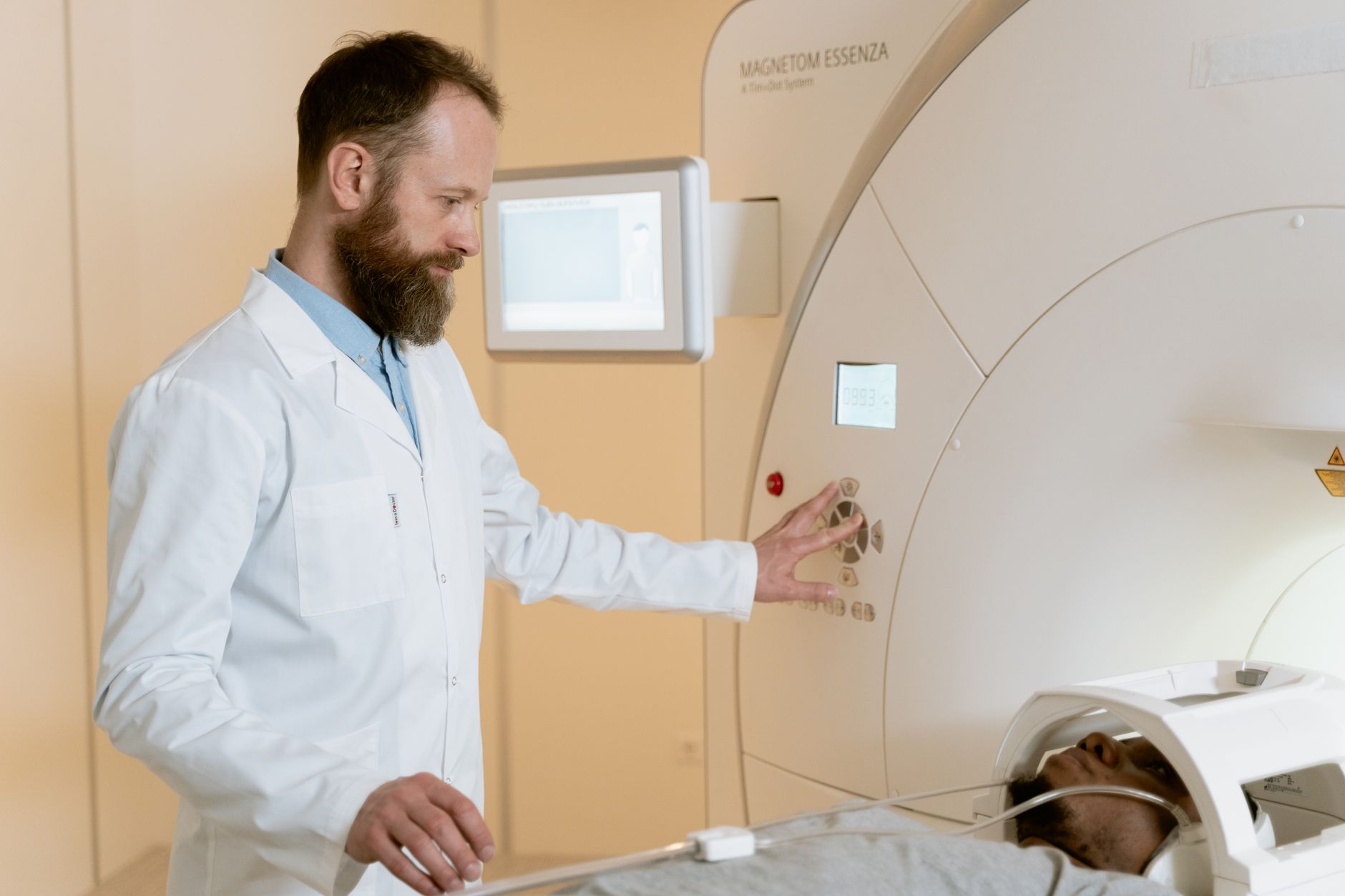
For mild disease without an abscess, obstruction, perforation, or severe systemic illness, outpatient care may be appropriate. Your clinician may use pain relief, hydration, short-term food adjustments, symptom checks, and a defined follow-up plan. The safest plan reflects your exam, medical history, and ability to take fluids.
Uncomplicated Episodes Need Close Follow-Up
Antibiotics are not routine for every immunocompetent adult with mild uncomplicated disease. Selective use accounts for symptom severity, frailty, vomiting, lab findings, and immune status instead of treating every episode the same way. That approach aligns with guidance from the American Gastroenterological Association.
Do not borrow leftover antibiotics or stop a prescribed course without medical guidance. Drug selection and duration depend on allergies, kidney function, prior medication exposure, scan findings, and local resistance patterns. Your clinician also needs to know about anti-inflammatory pain medicines and blood thinners.
Complications Require Hospital-Level Care
Complicated diverticulitis may require intravenous fluids, antibiotics, bowel rest, repeat exams, and consultation with a gastroenterologist or colorectal surgeon. An abscess large enough for drainage may be reached through the skin with CT or ultrasound guidance. A small catheter then allows infected fluid to leave.
Diverticulitis surgery can involve colon resection, which removes the damaged segment and reconnects the remaining bowel. In selected urgent settings, surgery may require a temporary opening on the abdominal wall. Your surgical decision should reflect the complication, your health status, and recovery goals rather than a fixed number of past episodes.
A clear contrast helps. One CT scan may show small localized inflammation while you can drink water and your pain stays controlled, which can fit outpatient treatment. Another may show free air or a pelvic abscess, moving care toward hospitalization because infection has spread beyond the bowel wall.
Call the clinician overseeing the episode when pain, fever, vomiting, or weakness worsens after an outpatient plan begins. A symptom change can alter the level of care needed.
After the acute phase settles, food choices serve a different purpose than they did during pain and nausea. Temporary restrictions should not become lifelong rules without a clinical reason.
After the acute problem settles, longer-term eating and activity habits can support recovery and reduce recurrence risk.
Recovery Nutrition and Daily Habits Support Lower Future Risk
During active symptoms, a clear liquid diet may be used briefly when a clinician advises it. Water, broth, plain gelatin, and other transparent liquids can reduce stool bulk for a short period while pain or nausea remains active. Your plan should move forward once fluids stay down and symptoms begin to settle.
Food Progression Matches the Recovery Stage
- Acute phase Follow clinician-directed short-term liquids only when pain, nausea, or inflammation makes regular food difficult.
- Early recovery Move toward low-fiber soft foods as pain settles and fluids stay down without vomiting.
- Fiber return Add fiber gradually rather than making a sudden large increase that worsens gas and bloating.
- Long-term pattern Build meals around beans, vegetables, fruit, whole grains, and other fiber-rich foods when suitable.
- Fluid intake Drink enough fluids as fiber rises because fiber holds water in stool.
Dietary fiber is the part of plant foods that passes through digestion without being fully broken down. Soluble fiber forms a gel-like material, while insoluble fiber adds bulk; both can affect stool consistency and movement through the colon. The National Institute of Diabetes and Digestive and Kidney Diseases describes these two fiber functions.
Nuts, Seeds, Corn, and Popcorn Do Not Need Routine Avoidance
Older advice suggested that small food particles could lodge in a pouch and trigger inflammation. Current evidence does not show that nuts, seeds, corn, or popcorn routinely cause attacks after recovery. You do not need to avoid these foods unless your clinician gives you a personal reason.
During active symptoms, texture and tolerance matter more than tiny seeds becoming trapped. A short-term diverticulitis diet may limit rough, high-fiber foods while the bowel is irritated, then expand as pain and nausea ease. That gradual shift helps prevent a sudden fiber increase from causing extra bloating.
Daily Habits Affect Recurrence Risk
- Raise fiber slowly Add plant foods across several days so your gut can adjust without a sudden surge of bloating.
- Keep fluids steady Pair higher-fiber meals with regular drinks to keep stool softer and easier to pass.
- Move your body Regular walking, cycling, or similar activity supports bowel movement and weight management.
- Avoid smoking Smoking is linked to higher risk of complicated disease and poorer digestive health.
- Review pain medicines Discuss repeated NSAID use, including ibuprofen or naproxen, because these medicines may raise risk in some settings.
- Protect follow-up visits Keep colonoscopy and specialist appointments so your plan reflects scan findings and screening history.
Weight, low activity, smoking, and frequent NSAID exposure are linked to higher risk, but they do not explain every episode. it causes usually overlap: pressure within the colon, tissue structure, gut bacteria, inflammation, diet, and medication exposure can all contribute. These habits matter most after your clinician confirms that acute inflammation has resolved.
Those prevention steps work best alongside fast recognition of a new pain pattern. Knowing the main safety points can help you act before symptoms become severe.
Together, these practical steps make it easier to recognize when self-care is appropriate and when medical help is essential.
Bottom Line
Focused lower abdominal pain with fever, nausea, or bowel changes needs medical attention because symptoms alone cannot rule out an abscess, obstruction, or perforation. Your safest path is prompt evaluation for a new flare, care matched to CT-defined severity, and a gradual return to fiber-rich eating after recovery.
Food myths should not crowd out the priorities that matter more: hydration, follow-up, movement, medication review, and fast action for severe symptoms. A clear plan with your clinician gives you a better way to manage both the current episode and future risk.
FAQ
What is diverticulitis, and how is it different from diverticulosis?
Diverticulosis means you have diverticula, or small pouches, in the colon without active inflammation. it means a pouch and nearby tissue have become inflamed, which can cause pain, fever, tenderness, nausea, and bowel changes.
What are the symptoms of a diverticulitis flare-up?
A it flare-up may cause acute lower-left abdominal pain, tenderness, fever, nausea, bloating, constipation, or diarrhea. Your pain can occur on the right side or in the pelvis based on colon anatomy, and older age or immune-suppressing medicines may make symptoms less obvious.
How is diverticulitis diagnosed?
A clinician uses your symptom history, physical exam, vital signs, and laboratory tests to assess abdominal pain and inflammation. A computed tomography CT scan can confirm colon inflammation and show complications such as an abscess, perforation, fistula, or obstruction.
What is the treatment for diverticulitis?
it treatment depends on severity. Your clinician may use outpatient monitoring, hydration guidance, short-term dietary changes, and pain control for mild uncomplicated illness, while abscesses, perforations, obstruction, or severe infection can require hospitalization, intravenous antibiotics, drainage, or surgery.
When does diverticulitis require hospitalization or surgery?
Hospitalization may be needed for severe pain, persistent vomiting, dehydration, significant infection, an abscess, bowel obstruction, or perforation. it surgery is considered for certain complications or selected repeated episodes, with decisions based on your scan findings, health, and recovery needs.
What foods should you eat or avoid during a diverticulitis flare-up?
During active symptoms, your clinician may advise a temporary clear liquid diet followed by low-fiber soft foods as you improve. Avoiding nuts, seeds, corn, and popcorn for life is not routinely necessary, though your personal plan may differ because of symptoms or another digestive condition.
