

A handful becomes more likely to slow bowel movements when fiber rises without enough fluids, not because nuts alone are inherently binding. A 1-ounce serving commonly supports regularity, but a sudden large serving, too little water, or a FODMAP sensitivity can leave your stool harder, your abdomen bloated, or both.
Your best choice depends on nut type, serving size, food form, IBS symptoms, fluid intake, and warning signs that need medical care.
Nuts Usually Support Regular Bowel Movements
With that baseline in mind, nuts generally add fiber rather than directly causing constipation. A 1-ounce handful of almonds, pistachios, or peanuts can replace lower-fiber snacks such as crackers or candy, giving your digestive tract more dietary fiber to work with.
Fiber adds material to stool, and adequate hydration helps that material stay easier to pass. For your routine, the bigger issue is usually the full day of eating, drinking, activity, and bathroom habits rather than one handful of nuts.
Several Daily Factors Shape Constipation
Constipation rarely comes from one food in isolation. Low fluid intake, limited activity, stress, travel, skipped meals, delayed bathroom trips, and certain medicines can each change how stool moves through your colon.
- Low fluid intake: Less liquid can leave stool drier and harder to pass.
- Sudden routine changes: Travel, disrupted sleep, and unfamiliar bathrooms can delay your normal urge to go.
- Low-fiber meals: Refined snacks may replace beans, fruit, vegetables, and whole grains that add bulk.
- Limited movement: Long sedentary periods can disrupt the rhythm that supports regular bowel movements.
- Medicine effects: Some pain medicines, antacids, iron supplements, and prescriptions can alter bowel habits.
A new bag of nuts may get blamed because it stands out in your memory, while a long flight or two days of low water intake created the larger shift. Inadequate fiber, inadequate liquids, limited activity, routine changes, and some medicines are all linked with constipation in guidance from the National Institute of Diabetes and Digestive and Kidney Diseases.
Peanuts Have a Similar Fiber Role
Peanuts are legumes rather than tree nuts, but they can still fit a regularity-focused eating pattern. The answer to do peanuts cause constipation is usually no, because a 1-ounce serving provides about 2.4 grams of fiber.
Your experience can differ after a very large serving, especially if peanuts replace fruit, vegetables, or water-rich foods. Track the whole day before blaming a handful of nuts, because a two-day pattern tells you more than a single uncomfortable afternoon.
Track the whole day before blaming a handful of nuts. A two-day pattern tells you more than a single uncomfortable afternoon.
That wider view brings the next detail into focus: fiber works best when fluid intake keeps pace.
Adequate fluids help fiber soften stool and move it through the digestive tract more comfortably.
Fiber and Hydration Work as a Team
Because daily patterns matter, water becomes the key partner for dietary fiber. Insoluble fiber from nut skins and plant foods holds water and adds bulk, while soluble fiber forms a gel-like material that may help stool retain moisture.
Nuts contain both soluble fiber and insoluble fiber, although the balance differs by variety, processing method, and whether skins remain intact. Gut bacteria also ferment part of the fiber, producing short-chain fatty acids that affect the colon’s environment.
Fiber Changes Stool Structure
Insoluble fiber may speed passage for some adults, while soluble fiber may help soften stool by holding moisture. That difference explains why a food can support bowel regularity for you without producing the same result for somebody else.
A sudden fiber increase can pull more water into intestinal contents and increase bacterial fermentation. Bran cereal, berries, beans, and nuts eaten together at breakfast may create gas and pressure because several high-fiber foods raise the load at once.
Hydration Needs Vary by Person
Steady drinking across the day usually works better than trying to catch up with several large glasses at night. Pale yellow urine, thirst, hot weather, sweating, exercise, alcohol intake, and your clinician’s advice all offer useful clues about your fluid needs.
Dark yellow urine can signal that you need more fluid, although foods, supplements, and medicines can also change urine color. Kidney or heart conditions may require fluid limits, so your safest target may differ from a generic recommendation.
Once fiber and hydration rise together at a comfortable pace, nut type becomes the next practical choice for your digestion.
Digestive comfort also depends on the specific nut you choose, since fiber content and tolerance vary.
Nut Types Differ in Fiber and Digestive Tolerance
After fluids are covered, fiber content helps you choose the best nuts for bowel regularity. FoodData Central values show that almonds, pistachios, and peanuts provide more fiber per ounce than cashews.
| Nut, 1-ounce serving | Fiber | Digestive detail |
|---|---|---|
| Almonds | 3.5 grams | High-fiber choice with firm skins that add texture and bulk. |
| Pistachios | 3.0 grams | Fiber-rich, though FODMAPs may bother sensitive digestion. |
| Peanuts | 2.4 grams | Legumes with useful fiber and a familiar snack format. |
| Brazil nuts | 2.1 grams | Moderate fiber; keep portions modest because selenium is highly concentrated. |
| Walnuts | 1.9 grams | Less fiber per ounce, with a softer texture and polyunsaturated fats. |
| Cashews | 0.9 grams | Lower fiber and a higher FODMAP load for some adults with IBS. |
These figures are rounded from FoodData Central data, and brand formulas, added ingredients, and serving weights can shift the final number. Almonds, pistachios, and peanuts offer more fiber per ounce, while walnuts still contribute plant nutrients despite their lower fiber density.
Cashews provide less fiber than almonds, but fiber alone does not determine how your stomach feels. Your tolerance, meal pattern, and portion size matter just as much.
FODMAPs Can Change the Experience
FODMAPs are short-chain carbohydrates that can draw water into the intestine and ferment quickly. That process may cause pressure, cramping, gas, loose stool, or a backed-up sensation that feels similar to constipation.
Cashews and pistachios may be high in FODMAPs at certain serving sizes, which can matter for irritable bowel syndrome (IBS). That practical distinction aligns with portion guidance from Monash University, a leading source for low-FODMAP diet information.
No specific nut consistently causes constipation across every diet. The more useful question is which nut, amount, and preparation line up with your repeatable symptoms, which leads directly to portion size.
Even a well-tolerated variety can cause trouble when portions are large or fiber increases too quickly.
Large Portions and Rapid Fiber Changes Can Cause Discomfort
With tolerance in mind, a standard serving gives you a useful starting point. One ounce is about a small closed handful, not the amount that can disappear during a movie, workday, or long drive.
Nuts are calorie-dense because fat provides 9 calories per gram. Fat does not directly cause constipation, but a large amount may feel heavy in your stomach and slow the sensation of stomach emptying.
Portion Size Changes the Digestive Load
Two or three handfuls deliver much more fat, fiber, and fermentable material than a standard serving. Fullness can show up before food reaches the colon, so a heavy feeling does not automatically mean nuts caused a bowel blockage.
- More total fiber: A large serving can increase bulk faster than your digestive tract can comfortably adjust.
- More fermentable material: Pistachios and cashews may increase gas or cramping in FODMAP-sensitive digestion.
- More dietary fat: Large portions may feel slow or heavy in your stomach.
- Less room for fluids: Salty nuts can make you thirsty, yet you may not drink enough water afterward.
- Changed meal patterns: A large snack may crowd out fruit, vegetables, beans, and other moisture-rich foods.
The answer to can eating too many nuts cause constipation is that it can worsen hard stool in some situations, mainly through a large fiber load paired with too little fluid. Discomfort can also change your eating and bathroom routine, which may prolong the problem.
Gradual Changes Are Easier on Your Gut
Start with about 1 ounce, or less during a sensitive spell, and hold that amount for several days before increasing it. Chew thoroughly because coarse nut pieces can feel rough in a stomach already unsettled by bloating.
Your gut bacteria need time to adjust to added fermentable material. A bowel change after a giant serving does not prove that nuts are the problem, so repeat the food in a smaller amount with water before drawing that conclusion.
A bowel change after a giant serving does not prove that nuts are the problem. Repeat the food in a smaller amount, with water, before drawing that conclusion.
Serving size also changes across food forms, so a spoonful of nut butter is not identical to a bowl of whole nuts.
How nuts are packaged and eaten can quietly change the amount you consume at one time.
Whole Nuts, Nut Butters, and Snack Mixes Affect Portions Differently
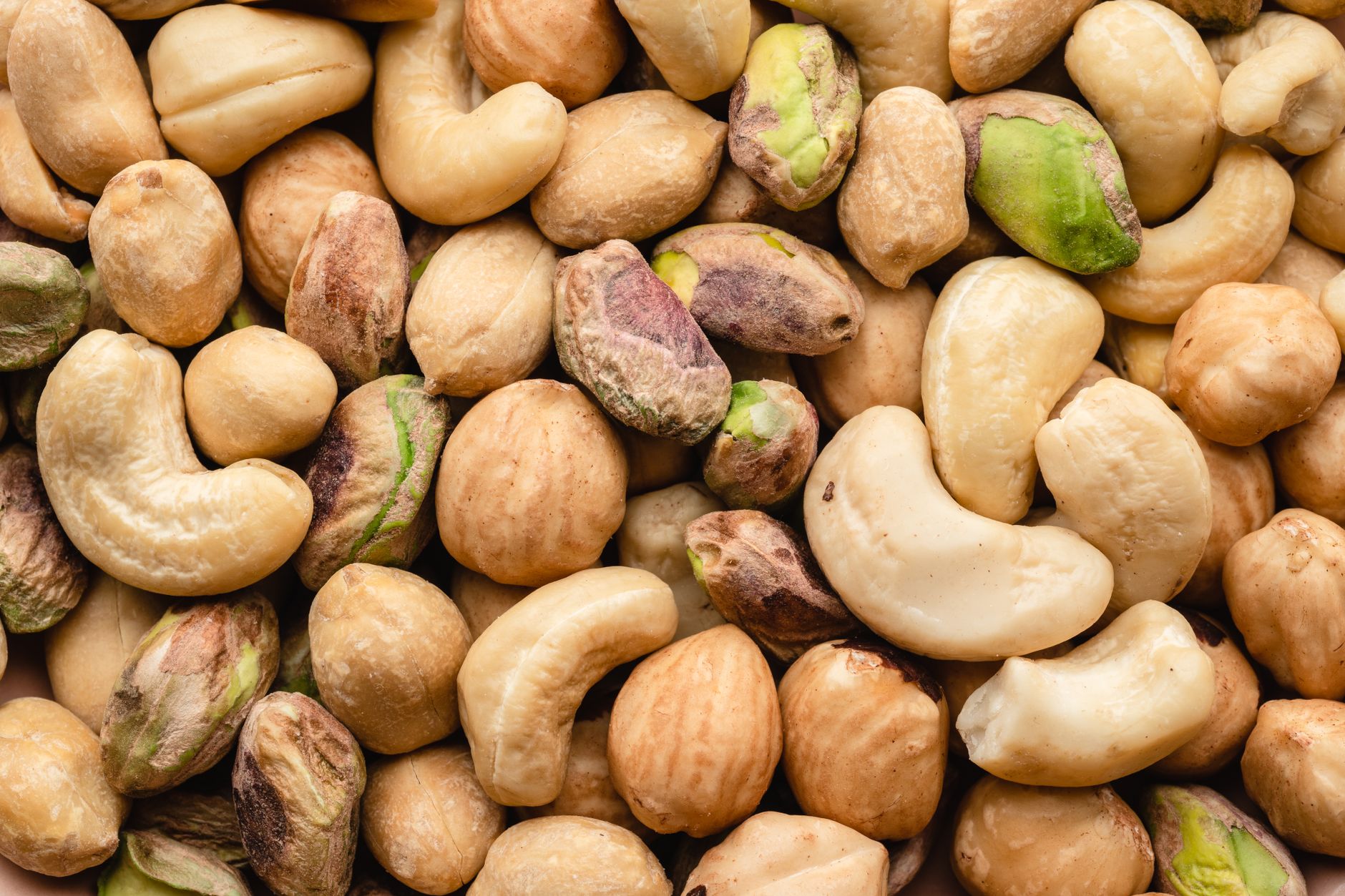
Because serving size matters, texture can change how quickly you eat. Whole almonds and walnuts require chewing, which makes a 1-ounce portion easier for you to see and pace.
Nut butter can be nutritious, but smooth versions spread quickly and may contain less intact fiber structure per usual serving than whole nuts. Salted, roasted, and candy-coated products also change the rest of your snack pattern.
| Food form | What changes | Routine effect |
|---|---|---|
| Whole plain nuts | Intact structure and visible portion | Fiber comes with slower eating and clearer portion awareness. |
| Natural nut butter | Ground texture and dense spoonfuls | A serving can grow quickly, so pair it with fruit or whole-grain toast. |
| Salted roasted nuts | More sodium and thirst | Salt does not directly cause constipation, but your fluid intake may fall behind. |
| Candy-coated nut mix | Added sugars, refined grains, and larger portions | It may crowd out fruit, vegetables, beans, and water during the day. |
Sodium Does Not Directly Dry Stool
In the colon, stool water is regulated by absorption and transit rather than a direct sodium-driven drying effect. Still, a routine built around pretzels, cheese crackers, sweetened trail mix, and salty nuts may displace higher-fiber foods such as beans, vegetables, whole grains, and fruit.
Roasted nuts without heavy coatings remain a reasonable option for your snack routine. Pairing a modest serving with foods that supply moisture and different fiber types makes more sense than eating several handfuls alone.
That food-form difference sets up a gentler approach during an active constipation spell.
Those portion differences make a gradual, simpler approach especially useful when constipation is already present.
A Gentle Nut Plan Can Support Constipation Relief
With portions under control, pairing nuts with moist, fiber-rich foods can make a snack feel less dry and more balanced. Oats contain beta-glucan, a soluble fiber with gel-forming properties, while fruit and vegetables provide water along with plant fiber.
The goal is steady intake rather than a sudden flood of roughage. Your digestion may tolerate a small almond serving with oatmeal better than several handfuls of nuts eaten alone.
Simple Nut Pairings Add Variety
- Oatmeal and walnuts: Add chopped walnuts to cooked oats and drink water alongside breakfast.
- Yogurt, berries, almonds: Use a modest almond portion with berries for fiber and a softer texture.
- Apple and peanut butter: Spread natural peanut butter thinly on apple slices instead of eating several spoonfuls alone.
- Bean grain bowl: Sprinkle chopped pistachios over beans, brown rice, and cooked vegetables for varied plant foods.
- Trail mix reset: Mix nuts with unsweetened dried fruit and whole-grain cereal, then portion it before leaving home.
Digestion may already feel full, tight, or slow during constipation. Bran cereal, beans, raw vegetables, and several handfuls of nuts on the same day can worsen bloating and gas because they raise fiber and fermentation all at once.
Raise one source at a time, then watch your stool consistency and abdominal comfort for several days. That slower method also makes it easier to tell whether a specific nut triggers symptoms.
Daily Habits Help Your Colon Respond
Regular meals can trigger the gastrocolic reflex, a normal signal that prompts colon movement after eating. A short walk after a meal may also help your body follow its usual bathroom rhythm.
Repeatedly holding back from the bathroom can dull the urge over time. Stool remains in the colon longer, more water is absorbed, and the result may be harder stool that has little to do with nuts.
That practical routine works only when the nut itself agrees with your digestion, especially if IBS or food sensitivity is involved.
Still, a careful routine may need adjustment when personal sensitivities outweigh the usual digestive benefits.
Individual Digestive Triggers Can Matter More Than Nuts
After you establish a steady routine, a food-and-symptom record can turn a vague hunch into useful evidence. Note the nut type, amount, preparation, time eaten, fluids, bowel movement, stress, travel, and symptoms for 1 to 2 weeks.
Your notes may show that cashews after lunch cause discomfort while almonds at breakfast do not. A clear pattern helps you adjust one variable instead of removing every nut without evidence.
IBS Can Amplify FODMAP Reactions
Irritable bowel syndrome (IBS) may involve constipation, diarrhea, abdominal pain, and bloating. A FODMAP-sensitive gut may react to pistachios or cashews through fermentation and water shifts in the intestine rather than through a true blockage.
That reaction can feel like constipation even when stool frequency has not changed. A clinician or registered dietitian can help you tailor food changes during persistent IBS symptoms, particularly if several foods trigger pain or bloating.
Allergy Symptoms Need Different Care
Food allergy is different from digestive discomfort. Hives, swelling of the lips or tongue, wheezing, faintness, or trouble breathing after nuts needs urgent medical care.
Bloating or constipation alone does not diagnose an allergy, but repeat symptoms deserve attention. Your symptom pattern, timing, and amount eaten can help a clinician distinguish food sensitivity from another digestive condition.
Non-Nut Factors Can Explain Hard Stool
- Iron supplements: Iron may contribute to constipation, so tell your clinician about every supplement you take.
- Pain medicines: Some opioid pain medicines can slow bowel movement frequency.
- Antacid products: Certain antacids can alter stool consistency depending on their ingredients.
- Travel schedules: Different meals, shared bathrooms, and disrupted sleep can delay the urge to go.
- Pelvic floor issues: Muscle coordination problems can make stool difficult to pass even with adequate fiber.
- Thyroid conditions: Low thyroid function can slow digestion and contribute to persistent constipation.
Magnesium occurs naturally in nuts, but that fact does not make a nut serving a medical treatment for constipation. Persistent symptoms call for medical review instead of escalating food changes alone.
Food choices can support regularity, but they cannot replace professional assessment when constipation continues or worsens.
Persistent Constipation Needs Medical Evaluation
Because food is not the only cause, certain symptoms need timely medical attention. Rectal bleeding, severe or worsening abdominal pain, vomiting, fever, unexplained weight loss, or a major new bowel-habit shift may point beyond a food-related adjustment.
Seek urgent care for severe pain with vomiting, marked abdominal swelling, or an inability to pass stool or gas. Those symptoms can signal a problem that cannot be managed by changing snacks or drinking extra water.
Repeated Symptoms Deserve a Clinical Review
Contact a clinician if constipation persists despite routine changes, returns repeatedly, or begins after a new medicine or supplement. Bring a food-and-symptom record that includes nut portions, fluids, bowel movement frequency, stool appearance, and pain.
That record gives your clinician details that memory may blur after several weeks. Children, pregnant adults, older adults, and adults with kidney, heart, or digestive conditions may need individual guidance on fiber and fluids.
Food Changes Have Clear Limits
Constipation can stem from pelvic floor coordination problems, thyroid disorders, neurologic conditions, structural concerns, or medicine effects. Nuts cannot diagnose or treat those causes.
Your next step depends on symptom pattern, duration, health history, and red flags. That medical boundary keeps the central point clear as the final takeaway comes together.
With warning signs addressed, nuts fit best into a broader, individualized strategy for supporting regular bowel movements.
Bottom Line on Nuts and Constipation
Nuts are not a default cause of constipation. Your result depends on portion size, hydration, total dietary fiber, food form, and digestive sensitivity.
A small serving of whole nuts alongside water and varied plant foods may fit a regularity-focused routine. A sudden large intake can leave your gut uncomfortable, while persistent pain, bleeding, vomiting, weight loss, or lasting bowel changes belong with a clinician rather than a larger snack bowl.
FAQ
Do nuts cause constipation, or can they help you poop?
With roughly 3 grams of fiber per ounce, almonds often support regularity more than they hinder it. A 1-ounce serving of almonds, pistachios, or peanuts can support regular bowel movements when your hydration is adequate, but a sudden large serving or personal sensitivity may cause bloating or harder stool.
Why do I feel constipated after eating nuts?
A large serving, a rapid jump in fiber, or too little fluid can leave you feeling backed up. Travel, stress, skipped meals, iron supplements, and delayed bathroom trips can also explain a bowel change that seems connected to nuts.
Which nuts are highest in fiber for constipation relief?
Almonds provide about 3.5 grams of fiber per ounce, pistachios provide about 3.0 grams, and peanuts provide about 2.4 grams. Those choices are among the best nuts for bowel regularity, but your portion size and hydration still determine whether the added fiber feels comfortable.
Can eating too many nuts make constipation worse?
Several handfuls paired with little water can worsen constipation in some adults by delivering a large fiber load. Two or three handfuls also add substantial fat and fermentable material, which can leave your stomach feeling heavy or bloated before bowel movements change.
Do salted, roasted, or nut-butter products affect constipation differently?
Salted and roasted nuts do not directly cause constipation, but salty snacks may increase thirst while your fluid intake falls behind. Nut butter can fit your meals, though whole nuts make portion size easier to see and retain more chewing structure than a dense spoonful.
How much water should I drink when increasing nuts and fiber?
Your fluid needs depend on body size, weather, exercise, alcohol intake, medicines, and medical conditions. Drink regularly across the day, use thirst and pale yellow urine as practical clues, and follow personal fluid limits from your clinician if you have kidney or heart conditions.
