

With their modest carbohydrate load, fresh tomatoes rarely produce major intestinal gas. You may still feel bloated, burpy, or overly full after a tomato meal when acidity, a large portion, or ingredients such as onion and garlic change your digestive response.
Below, you can sort out fresh tomatoes, sauces, FODMAPs, reflux, and food intolerance patterns if digestive symptoms keep showing up after tomato-based meals.
Fresh Tomatoes Rarely Cause Major Intestinal Gas
That difference between a plain tomato and a rich meal matters because most fresh tomatoes do not supply enough fermentable carbohydrate to create substantial flatulence on their own. A sliced tomato in a sandwich or salad contains water, modest fiber, and small amounts of carbohydrates that reach the colon. For your digestion, that is usually a lighter load than beans, onions, garlic, or a large wheat-based meal.
Intestinal gas forms when gut bacteria break down carbohydrates that were not fully absorbed in the small intestine. Hydrogen, methane, and carbon dioxide are common byproducts of that process. Beans, lentils, onions, garlic, and certain fruits contain carbohydrates that fuel this bacterial activity more readily than a standard serving of tomatoes.
Fiber Changes Can Add Temporary Pressure
A sudden jump in fiber can create bloating even when the food itself is not a classic gas trigger. Tomatoes contain fiber, and that fiber feeds bacteria in your colon. Moving from very little produce to several cups of raw vegetables each day can change stool volume and fermentation within a few days.
Your overall meal pattern gives better clues than a single ingredient. A lunch with tomatoes, raw broccoli, chickpeas, and sparkling water combines fiber, fermentable carbohydrates, and swallowed gas. That combination can explain tomatoes and bloating without proving that tomatoes caused the problem alone.
Repeated Reactions Carry More Weight Than One Meal
One uncomfortable dinner cannot identify a reliable trigger. Pizza, chili, salsa, and pasta sauce bring several ingredients into your digestive tract at once, often with large portions, fast eating, or carbonated drinks. A pattern becomes more useful after the same tomato form causes similar symptoms on two or three separate occasions.
Track a repeated pattern before cutting out tomatoes for months. A plain tomato at lunch and a rich tomato meal at dinner are not the same digestive exposure.
Because upper-abdominal discomfort can feel like lower-gut gas, the next step is separating belching, reflux, and bloating from true intestinal fermentation.
That distinction matters because similar sensations can arise from several digestive processes with different triggers.
Gas, Bloating, Fullness, and Reflux Have Different Causes
That distinction helps because pressure after eating does not always come from extra gas in your colon. Intestinal gas means belching or passing gas, while bloating describes pressure, visible distention, or a stretched feeling in the abdomen. You can feel bloated without producing more gas than usual.
| Symptom pattern | What may be happening | Tomato connection |
|---|---|---|
| Belching soon after a meal | Swallowed air, carbonation, or reflux | Tomato acidity may aggravate upper-digestive symptoms |
| Lower-abdominal rumbling and flatulence | Colonic fermentation | Beans, onion, or garlic may be stronger suspects |
| Tight, swollen abdomen | Bloating, food volume, constipation, or sensitivity | Large portions may feel uncomfortable without excess fermentation |
| Burning behind the breastbone | Acid reflux or GERD | Tomato acidity can aggravate burning in sensitive people |
Acidity Can Feel Like a Gas Problem
Tomatoes contain citric acid and malic acid, which give ripe fruit its sharp taste. For someone with gastroesophageal reflux disease (GERD), acidic foods may aggravate heartburn, chest burning, a sour taste, or frequent belching. The word “gas” may describe reflux moving upward rather than fermentation moving through your colon.
Large servings can add fullness on top of acidity. Eating too many tomatoes may leave you overly full, loose-stooled, or irritated around the mouth from acidic juice. Spicy dishes with chile peppers, oil, and garlic can make that upper-digestive discomfort feel stronger.
Severe chest pain, breathing trouble, fainting, or pain spreading to an arm or jaw needs urgent medical care rather than a food experiment.
Once you separate lower-gut gas from upper-gut irritation, the tomato preparation and portion size become much easier to judge.
With the symptom type clarified, preparation and quantity often determine whether a meal feels tolerable.
Preparation and Portion Size Change Your Digestive Response
That clearer symptom picture matters because cooking changes texture, not the basic fermentation potential of tomatoes. Heat softens tomato cell walls, while sauces and processed forms can concentrate flavor and make larger servings easy to eat. Your comfort may shift because of portion size, added fat, salt, or seasonings rather than the cooked tomato itself.
| Tomato form | What may affect your comfort | Practical example |
|---|---|---|
| Raw sliced tomato | Fiber, skin texture, and meal volume | A few slices in a turkey sandwich |
| Cherry tomatoes | Large snack portions add bulk and fiber | Two handfuls eaten quickly at a desk |
| Cooked tomatoes | Portion size and recipe fat | Tomatoes folded into scrambled eggs |
| Canned tomatoes | Concentration and added ingredients | Tomatoes simmered with onion and beans |
| Paste or juice | Concentrated flavor, acidity, and rapid intake | Tomato juice alongside breakfast |
| Salsa | Onion, garlic, peppers, chips, and serving size | Several scoops with a restaurant meal |
Cherry Tomatoes Add Up Quickly
The small size of cherry tomatoes does not make them a separate gas category. You can eat 20 cherry tomatoes quickly without noticing the portion, which adds fiber and food volume. That amount may cause fullness or bloating in a sensitive gut even when five or six tomatoes feel comfortable.
Gradual fiber changes usually feel easier on the digestive system. A plate built around tomatoes, raw broccoli, chickpeas, and sparkling water stacks several sources of fullness and fermentation in one sitting. Your reaction to that meal says little about tomatoes alone.
Concentrated Products Need Ingredient Context
Tomato paste delivers dense tomato solids in a small spoonful, while tomato juice skips much of the chewing that slows intake. Neither form automatically creates intestinal gas. Portion size, meal pace, and reflux sensitivity can affect abdominal pressure, especially during a digestive flare.
That ingredient context becomes even more important with tomato sauces and processed tomato products, which commonly include stronger triggers than tomatoes.
Ingredients added during processing can outweigh the fruit itself, especially in concentrated, seasoned versions.
Tomato Sauces Often Contain Stronger Gas Triggers
That recipe difference explains why a plain tomato may feel fine while marinara causes pressure later. A jarred sauce can contain onion, garlic, added sugar, oil, cheese, cream, and seasoning blends before it reaches your pasta. Onion and garlic contain fructans, a FODMAP carbohydrate group that can ferment in the colon.
Yes, but the sauce ingredients and the meal around it are usually the better suspects. Your symptoms may come from a mix of fructans, wheat, dairy, fat, carbonation, and portion size rather than the tomato base.
Mixed Meals Make a Single Cause Hard to Prove
- Pizza night: Wheat crust, cheese, fatty toppings, sauce, and carbonated drinks can all contribute to pressure or belching.
- Chili bowl: Beans, onions, garlic, tomato, and a large serving create a high-fermentation meal for your colon.
- Creamy pasta: Garlic, cream, cheese, oil, and wheat may matter more than the red sauce beneath them.
- Restaurant salsa: Onion, garlic, jalapeno, chips, and rapid snacking can make your symptoms difficult to trace.
- Tomato soup: Cream, butter, broth additives, and a grilled cheese sandwich may alter your response.
Fat slows stomach emptying, which can leave you overly full and aggravate reflux when you are susceptible. Dairy can cause gas or loose stools with lactose intolerance because lactose reaches the colon without full digestion. The whole meal matters, not only the red ingredient.
Several Foods Create More Fermentation Than Tomatoes
Foods that cause gas and bloating more reliably include beans, lentils, onions, garlic, and sugar alcohols in some sugar-free products. Cruciferous vegetables such as broccoli and Brussels sprouts can also increase gas for some diets. Carbonated drinks add swallowed gas directly to your stomach instead of feeding intestinal bacteria.
Ultra-processed meals can add high fat, sodium, sweeteners, and rapid eating to the same plate. That mix can make your abdomen feel overfilled even with a modest amount of tomato sauce. FODMAP serving limits add another layer for people with irritable bowel syndrome (IBS).
Because FODMAP load changes with serving size and meal combinations, a low-FODMAP label alone cannot predict your response.
Even seemingly gentle choices can become troublesome when portions grow or other fermentable foods join the meal.
Low-FODMAP Tolerance Depends on Your Serving and Meal
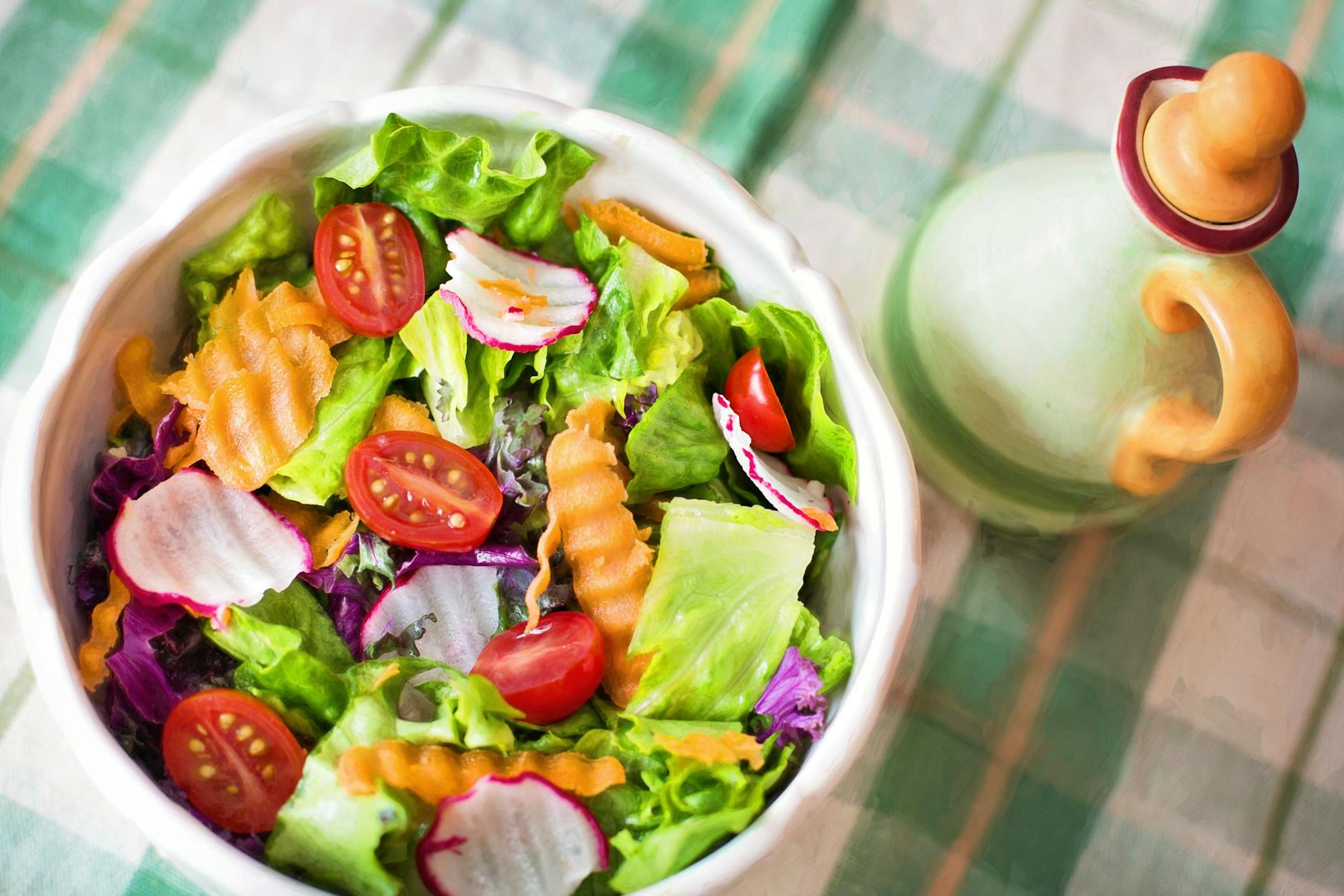
That meal-level view is useful because fresh tomatoes fit many low-FODMAP eating plans at standard serving sizes. FODMAPs are short-chain carbohydrates that may be poorly absorbed in the small intestine. Water can move into the bowel around these compounds, and bacteria can ferment what reaches the colon.
Fresh tomato portions appear low in FODMAPs in many meal plans, but a large mixed meal can still create symptoms. Monash University lists portions because carbohydrate load can change as serving size rises.
FODMAP Load Builds Across One Sitting
A small amount of several fermentable foods can create a larger combined load. For someone with IBS, that sequence may bring pain, bloating, altered stool, or urgency. You may tolerate tomatoes at lunch but react after pasta sauce, garlic bread, onions, and dessert at dinner.
Fructose malabsorption can also complicate the picture. Fructose that is not fully absorbed can reach the colon and ferment, while stress, constipation, fat intake, and eating speed can amplify your discomfort. A single reaction does not confirm fructose malabsorption or a tomato intolerance.
IBS Can Magnify Normal Digestive Stretching
In IBS, altered gut-brain signaling and heightened sensitivity can make normal digestive stretching feel more uncomfortable. A small amount of gas may hurt more during a flare because your nerves register normal pressure more intensely. That mechanism explains why the same meal can feel easy one week and rough the next.
Food intolerance is different from a food allergy. Hives, lip swelling, wheezing, or throat tightness after tomatoes can signal an allergic reaction and need prompt medical advice. For recurring digestive symptoms without those signs, your food record provides cleaner evidence than broad restriction.
A short, structured diary can turn that evidence into a practical next step.
Tracking those variables over several days can reveal patterns that memory alone tends to miss.
A Food Diary Can Identify Your Personal Trigger Pattern
That record works best when it captures details that memory usually loses. Track food, timing, and symptoms for 7 to 14 days instead of relying on the last uncomfortable dinner. A tomato slice needs its own entry, separate from a bowl of garlic-heavy sauce.
Useful Diary Entries Separate Ingredients and Symptoms
- Tomato form: Record raw, cherry, canned, paste, juice, salsa, or sauce so preparation does not blur your pattern.
- Portion estimate: Use measures such as three slices, one cup, or half a jar instead of vague descriptions.
- Meal companions: List onion, garlic, beans, dairy, wheat, fried foods, sweeteners, and carbonated drinks beside the tomato item.
- Symptom timing: Mark pressure, belching, flatulence, burning, cramps, stool changes, and the time each symptom began.
- Body factors: Add stress, poor sleep, constipation, menstrual-cycle timing, and unusual physical activity where relevant.
A Narrow Test Produces Cleaner Clues
Start with a modest serving of plain fresh tomato or a lightly cooked version beside familiar foods. On another day, try a tomato sauce or mixed dish with a similar tomato portion. Look for a pattern across more than one exposure instead of reaching a verdict after one Tuesday lunch.
Your next test should change only one major variable. An onion- and garlic-free sauce can separate a tomato response from a fructan response, while a lower-fat meal can reveal whether fullness or reflux played a role. Water during the day, a slower eating pace, a gentle walk after meals, and skipping carbonated drinks may also reduce pressure.
A clinician, registered dietitian, or gastroenterologist can guide a formal elimination and reintroduction plan when symptoms are frequent. That measured approach also keeps a minor digestive puzzle from masking symptoms that deserve medical attention.
Still, patterns that persist or worsen warrant professional guidance rather than prolonged self-experimentation.
Persistent Symptoms Need Medical Evaluation
That careful tracking has limits when symptoms interfere with daily life. Recurring bloating deserves a closer look when it disrupts eating, sleep, work, or leaving home. A clinician can review GERD, IBS, lactose intolerance, celiac disease, constipation, infection, and medication effects instead of assuming tomatoes explain every symptom.
Red Flags Need Prompt Care
- Unexplained weight loss: Weight loss without a clear reason needs medical review, especially alongside ongoing abdominal symptoms.
- Blood in stool: Red blood or black, tar-like stool needs prompt clinical attention rather than dietary trial and error.
- Persistent vomiting: Repeated vomiting can lead to dehydration and may signal a problem beyond food sensitivity.
- Severe abdominal pain: Intense, worsening, or localized pain should be assessed promptly, especially with fever.
- Major bowel change: New constipation, diarrhea, narrow stools, or urgency that persists deserves evaluation.
- Trouble swallowing: Food sticking, pain with swallowing, or ongoing anemia calls for medical assessment.
Gentler Foods Depend on Your Tolerance
Rice, oats, bananas, cooked carrots, and peppermint tea feel gentler for some diets during a gas flare. Another person may react differently because tolerance, meal size, and an underlying condition shape the useful choice. Your symptoms may also come from constipation, reflux, lactose intolerance, IBS, food ingredients, or a medical condition rather than one food.
Tomatoes may be part of your personal pattern, but a repeated problem deserves discussion with a clinician, dietitian, or gastroenterologist. Bring your diary so the appointment begins with portions, timing, and symptoms instead of guesses.
Armed with those details, you can weigh tomatoes realistically within your own broader digestive picture.
Bottom Line on Tomatoes and Digestive Comfort
Fresh tomatoes rarely produce substantial intestinal gas by themselves. Your discomfort may come from acidity and reflux, a sudden fiber increase, a large serving, or ingredients such as onion, garlic, beans, dairy, wheat, fat, and carbonation. A 7- to 14-day food-and-symptom record can separate a plain tomato response from a crowded meal response.
No. A repeatable response after plain tomato servings gives a stronger clue than one rich restaurant meal, while severe or persistent symptoms call for clinical care.
FAQ
Do tomatoes cause gas and bloating?
A typical serving of fresh tomatoes rarely produces major intestinal gas on its own. You may feel bloated after a tomato meal because of portion size, acidity, a sudden fiber increase, constipation, or ingredients such as onion, garlic, beans, dairy, wheat, fat, and carbonated drinks.
Why am I so gassy after eating tomatoes?
Your symptoms may come from the full meal rather than the tomato. Onion, garlic, beans, cheese, wheat, added sweeteners, fatty foods, and carbonated drinks are stronger gas triggers for many diets. A repeated pattern after plain tomato servings points more clearly toward your personal digestive sensitivity.
Are tomatoes high in FODMAPs?
At standard low-FODMAP serving sizes, fresh tomatoes are generally considered a suitable choice. Larger portions and concentrated tomato products may feel less comfortable for you, especially when they appear with onion, garlic, wheat, or other fermentable foods.
Can tomato sauce cause more gas than fresh tomatoes?
Ingredients such as onion, garlic, sweeteners, oil, dairy, and large pasta portions can make tomato sauce more gas-producing. Check the ingredient list and compare your response to a plain tomato meal and a sauce meal on separate days.
What are the symptoms of eating too many tomatoes?
A large amount may leave you overly full, bloated, or loose-stooled, especially after a sudden rise in produce intake. Tomato acidity may also aggravate heartburn, sour belching, or upper-abdominal burning. Your symptoms may be stronger with spicy, oily, or heavily seasoned tomato dishes.
How can I eat tomatoes without getting gas?
Start with a modest serving of plain fresh tomato beside familiar foods and eat slowly. You can also choose an onion- and garlic-free sauce, avoid carbonated drinks with the meal, and track symptoms for 7 to 14 days before deciding whether tomatoes are a personal trigger.
