

Does horchata have dairy is answered by the recipe, not its creamy color: traditional Mexican horchata can use rice, water, cinnamon, and sugar without milk, while restaurant and bottled versions may include cow’s milk, cream, or condensed milk. You need the current ingredient list to know.
Different Mexican, Spanish, packaged, and restaurant versions create different risks. This explanation helps you choose horchata for lactose intolerance, milk allergy, vegan diets, or simple dairy-free eating.
Horchata Can Be Dairy-Free but Never Automatic
The same pale, cinnamon-speckled drink can come from soaked rice and water or from a richer batch containing cow’s milk. Horchata describes a family of sweet drinks rather than one protected formula, so dairy is optional instead of required. Your glass cannot be judged by appearance alone.
A traditional recipe and the batch served today are two separate facts. A water-based family recipe may contain only plant ingredients, while a restaurant mix can contain milk solids before it reaches the dispenser. That distinction explains why is horchata dairy free has no universal yes-or-no answer.
Rice sediment, a thick pour, and a creamy color do not identify dairy. Check ingredients before relying on flavor, texture, or appearance.
Dietary stakes also change the decision. Someone avoiding dairy by preference may accept uncertainty differently than someone managing a cow’s-milk allergy, where a small amount of milk protein or cross-contact can matter. The traditional Mexican preparation provides the clearest starting point.
Water-based rice horchata offers a useful baseline, though its ingredients can shift dramatically across regions.
Mexican Rice Horchata Traditionally Uses Water Instead of Milk
That recipe distinction starts with the base: Mexican horchata is commonly made by soaking rice in water for several hours, then blending it with cinnamon, sugar, and sometimes vanilla. It belongs to the agua fresca tradition, a chilled beverage built with water, fruit, grains, seeds, or flowers. You can make a full pitcher without adding any dairy.
Rice and Cinnamon Create the Creamy Profile
Fine rice particles and released starch stay suspended after blending, which gives the drink its cloudy white color. Vigorous blending disperses tiny solids through the liquid, much like rice milk, so the surface can look creamy even without cow’s milk. Your palate reads that smooth texture as richness.
Cinnamon adds warmth, while sugar softens rice’s mild grain flavor. Straining removes the coarsest particles but leaves enough starch for body, especially in a batch that has rested in the refrigerator. That is why dairy-free horchata can taste almost dessert-like.
Family Recipes Leave Room for Variations
Home recipes can include almonds, coconut, vanilla, or plant-based milk for extra body. Those additions may introduce nut, soy, or oat allergens, but they do not automatically make the drink dairy-based. Check every added ingredient rather than assuming the rice base tells the whole story.
- Soaked rice: Rice supplies starch and a soft grain foundation once it has absorbed water and been blended.
- Cold water: Water keeps the classic agua fresca style separate from a milk beverage.
- Ground cinnamon: Cinnamon creates tan flecks and the familiar aromatic finish without adding dairy.
- Granulated sugar: Sugar balances the mild rice flavor and makes the drink feel fuller on your tongue.
- Vanilla extract: Vanilla appears in numerous modern recipes without changing the dairy status.
Rice is only one branch of the horchata family. Spain and Central America use different ingredients, and those bases can change both texture and the need for your ingredient check.
Those regional differences matter because the grain, nut, or seed base can introduce entirely different dairy considerations.
Regional Styles Change the Base and the Dairy Risk
Beyond rice, Spanish horchata de chufa is traditionally made with tigernuts, water, and sugar. Tigernuts, also called chufa, are small tubers rather than tree nuts. Their natural fat and fiber produce a rounded texture that can feel rich without cream.
| Style | Common base | Dairy status to verify |
|---|---|---|
| Mexican horchata | Rice, water, cinnamon, sugar | Traditional water versions contain no dairy, but restaurant recipes may add milk. |
| Spanish horchata de chufa | Tigernuts, water, sugar | Classic preparation contains no dairy, though packaged products still need a label check. |
| Central American styles | Seeds, nuts, grains, or rice | Ingredients vary widely and may include milk or sweetened condensed milk. |
| Coconut horchata | Coconut, water, rice, or plant milk | Plant ingredients can be dairy-free, but added cream changes that status. |
Spanish horchata de chufa is closely associated with Valencia, where chufa is the defining ingredient. The classic formula is generally dairy-free, but bottled products can add stabilizers, flavorings, or milk ingredients that depart from that standard. Your package label settles the question more reliably than the style name.
Central American versions may feature morro seeds, sesame, peanuts, almonds, grains, or rice. A seed-and-nut blend can be dairy-free while still creating a serious allergen concern for you. Regional variation is exactly why the name horchata alone cannot confirm what is in the cup.
That flexibility also leaves room for richer modern formulas. Milk additions are the point where a plant-based drink becomes a dairy drink.
Even traditionally dairy-free bases can change once contemporary recipes favor creamier textures and added richness.
Modern Additions Can Put Dairy Into Horchata
Restaurant recipes sometimes begin with rice water and then add dairy for a thicker, sweeter finish. Cow’s milk, cream, half-and-half, evaporated milk, and sweetened condensed milk all change the drink’s dietary status. A menu can call it a rice beverage while your order still contains dairy.
Milk Ingredients Appear Under Several Names
Sweetened condensed milk deserves special attention because it is milk with much of its water removed and sugar added. Its dense sweetness softens cinnamon bitterness and gives a batch a dessert-like character. Evaporated milk is also concentrated milk, although plain evaporated milk has no added sugar.
- Milk powder: Dried milk can appear in powdered mixes that need only water before serving.
- Whey proteins: Whey is milk-derived and can appear in flavor blends or premade bases.
- Casein ingredients: Casein is a milk protein that matters for strict milk avoidance.
- Butter flavorings: Some butter-based flavorings are derived from dairy, so the full ingredient list matters.
- Half-and-half additions: This milk-and-cream blend adds both lactose and milk proteins to the batch.
Dirty Horchata Depends on the Pour
Dirty Horchata is a cocktail-style name for horchata mixed with coffee, alcohol, or both. The word dirty refers to the darker coffee or spirit addition, not to one set recipe. You may still have a dairy-free version if the horchata uses water and the drink contains no dairy creamer or cream liqueur.
Caffeine is a separate issue. Plain rice or tigernut horchata has no caffeine, while a coffee-spiked Dirty Horchata does. Once coffee, alcohol, or cream liqueur enters the recipe, a direct ingredient check is more useful than the menu description.
Those added ingredients make restaurant ordering the next practical concern. A quick, specific conversation can reveal whether restaurant horchata contains milk before it reaches your table.
Because those additions are often invisible in the finished drink, asking the preparer becomes essential.
Restaurant Horchata Needs a Direct Ingredient Check
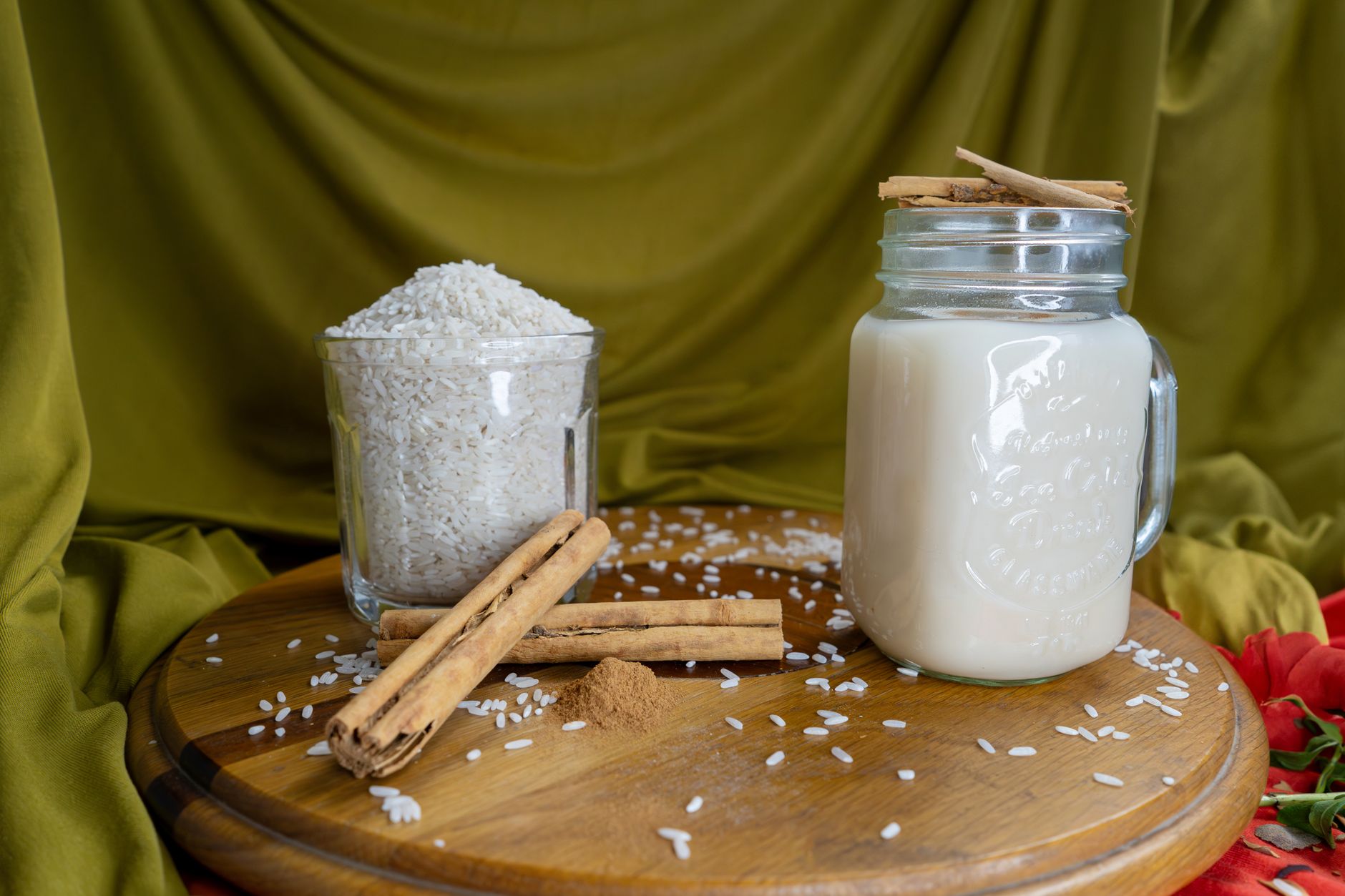
Behind one counter, horchata may come from a house-made pitcher; behind another, it may come from a powdered mix or shelf-stable concentrate. Menus rarely explain which method the kitchen uses. You may need staff to ask a manager, check the package, or confirm the current batch.
A Specific Ordering Script Gives Better Answers
Vague questions about whether a drink is safe can produce vague replies. Ask about the actual liquid base and the ingredients that commonly change dairy status. Use this wording:
“Is your horchata made with water or milk? Does it contain sweetened condensed milk, evaporated milk, cream, or a mix with dairy ingredients?”
For a chain such as Cafe Rio, recipe details can differ by location, supplier, and menu revision. A restaurant name is not an ingredient statement. Ask about the current mix or house-made batch rather than relying on an old online menu or another location’s answer.
Shared Equipment Matters for Milk Allergy
Milk residue can move through a blender jar, ladle, pitcher, dispenser nozzle, or ice scoop. This is cross-contact, and it matters more for a milk allergy than for a dairy preference. Your order may need a clean container and utensil even after staff confirm the recipe has no dairy.
- Name the concern: State that you avoid milk ingredients instead of describing a general preference.
- Ask about the base: Confirm whether the batch begins with water, dairy milk, or a prepared mix.
- Name condensed milk: Mention sweetened condensed milk and evaporated milk because both are common red flags.
- Ask about equipment: Check whether blenders, pitchers, ladles, or dispensers contact dairy drinks.
- Skip uncertainty: Choose another beverage if staff cannot verify ingredients or preparation tools.
Restaurants require a conversation because the recipe is not always visible. Packaged horchata gives you a printed ingredient source, although that source still needs a close read.
When no preparer is available to ask, the package itself becomes the most immediate source of answers.
Labels Reveal Dairy Risks in Bottled Drinks and Mixes
A package ingredient panel shows what went into that bottle, carton, concentrate, or powdered mix. The allergen statement can also flag milk in plain language. Check both, because front labels may emphasize cinnamon, rice, or a traditional-style image without describing the full formula.
Plant Ingredients Are Helpful but Not a Guarantee
Water, rice, tigernuts, almonds, oats, coconut, and plant-based milk point toward a non-dairy formula. Still, a plant ingredient does not promise that the entire product avoids dairy. A mix can list rice flour near the top and milk powder farther down the same panel.
Food labels in the United States must identify major food allergens, including milk, under federal labeling rules. That declaration can help you spot a direct milk ingredient, but voluntary shared-equipment statements are not standardized. That approach aligns with Food and Drug Administration allergen-labeling requirements.
Current Package Details Matter
Formulas can change without changing the product name. Compare the carton or pouch in your hand rather than relying on an old photo, a delivery listing, or memory from a previous purchase. Serving directions matter too, because a powder may instruct you to prepare it with cow’s milk.
- Read ingredients: Scan for milk, cream, whey, casein, butter, and milk powder.
- Read allergens: Look for a milk declaration near or below the ingredient list.
- Check directions: See whether preparation calls for water, cow’s milk, or another liquid.
- Check each package: Use the carton in your kitchen, not an older product image online.
- Contact manufacturers: Ask the company about cross-contact where that detail affects your decision.
Label reading answers the ingredient question, but different dietary needs use different safety thresholds. Lactose intolerance, milk allergy, and vegan diets call for separate standards.
Yet finding milk on a label does not carry the same implications for every person avoiding dairy.
Lactose Intolerance, Milk Allergy, and Vegan Diets Need Different Standards
Lactose is a sugar in milk, while casein and whey are milk proteins. Lactose intolerance involves reduced lactase activity in the small intestine, and lactase is the enzyme that breaks lactose into absorbable sugars. A confirmed dairy-free batch avoids lactose entirely, which is why can lactose intolerant people drink horchata depends on the recipe.
| Dietary need | What matters most | Practical standard for horchata |
|---|---|---|
| Lactose intolerance | Lactose content | Choose a confirmed dairy-free batch; tolerance for milk-containing versions differs by person. |
| Cow’s-milk allergy | Milk proteins and cross-contact | Avoid milk-derived ingredients and ask about shared blenders, pitchers, and utensils. |
| Vegan eating | All animal-derived ingredients | Confirm plant-only ingredients, including sweeteners and flavor additions. |
A milk allergy can involve an immune response to proteins such as casein or whey, which differs from lactose digestion. A small dairy amount that another person tolerates may still be unsuitable for you. Seek individualized advice from a qualified healthcare professional for allergy-related food decisions.
Vegan status requires a wider review. Horchata is vegan only when every component is plant-derived, with no dairy, honey, or animal-based flavor addition. Egg is absent from standard rice and chufa recipes, but a dessert-inspired blend still needs an ingredient check.
Gluten status also depends on the formula and manufacturing environment. Rice and tigernuts contain no gluten themselves, yet oat ingredients, malt flavoring, or shared processing can change the result. Making a batch from identified ingredients gives you greater control.
That control is easiest in your own kitchen. A water-based preparation removes the uncertainty of restaurant concentrates and premade mixes.
For anyone seeking the strictest certainty, making the drink yourself eliminates many outside variables.
A Confirmed Plant-Based Recipe Gives You the Most Control
A personal blender lets you choose every ingredient, from the rice or tigernuts to the sweetener and amount of cinnamon. A basic batch uses a plant base, cold water, cinnamon, sugar, and optional vanilla. You control the source of each ingredient, the sweetness level, and how finely the drink is strained.
A Water-Based Preparation Keeps Ingredients Clear
- Soak the base: Cover rice or tigernuts with water until they soften enough to blend smoothly.
- Blend with water: Process the softened base with fresh water and cinnamon until the liquid turns cloudy.
- Sweeten lightly: Add sugar to your preferred level, then blend again until it dissolves.
- Strain as desired: Pour through a fine sieve or cloth for a smoother drink with less graininess.
- Chill before serving: Refrigerate the mixture and stir before pouring because fine solids settle.
A fine-mesh strainer changes texture more than nutrition. Larger particles settle quickly, while smaller starch particles stay suspended longer and keep the drink opaque. Leave it less strained for a rustic pour or strain twice for a cleaner finish.
Plant Milks Change the Style Without Adding Dairy
Almond, oat, coconut, or soy milk can add fullness without cow’s milk, provided the carton itself contains no dairy ingredients. That choice moves the drink away from the water-based agua fresca style. Your recipe can remain plant-based, though nut, soy, or oat allergies may still matter.
Guelaguetza, Sonoratown, and Chichen Itza show how horchata takes distinct forms in Los Angeles food settings, from rice-centered pours to coconut variations. Their names matter less than the batch in front of you. A formula made only from plant ingredients is dairy-free, vegan, caffeine-free, and egg-free; gluten still requires its own ingredient and cross-contact check.
That level of control makes the final choice clearer, provided each dietary concern receives its own check.
Bottom Line
Creaminess is a texture clue, not a dairy clue. Rice starch, tigernut oils, sugar, and fine blending can make water-based horchata feel rich, while milk, cream, evaporated milk, and sweetened condensed milk can appear in modern batches. You get the most reliable answer by verifying the current recipe, reading labels, and asking about shared equipment where milk allergy affects the decision.
FAQ
Recipe details determine whether a particular serving fits your needs. These answers cover the ingredient differences that matter most before you order, buy, or make horchata.
Does traditional Mexican horchata have dairy?
Soaked rice, water, cinnamon, and sugar form the base of this Mexican drink, with no dairy required. Family and restaurant recipes differ, though, and some versions include cow’s milk, cream, evaporated milk, or sweetened condensed milk. Your specific glass needs confirmation rather than an assumption.
Can lactose-intolerant people drink horchata?
A dairy-free batch contains no lactose from cow’s milk, making it suitable for many lactose-intolerant people. A milk-containing version may cause symptoms for lactose-intolerant people, though individual tolerance varies. Check the recipe for milk, cream, evaporated milk, sweetened condensed milk, whey, and milk powder.
Is horchata usually vegan?
Plant-only recipes qualify as vegan when they exclude dairy, honey, and animal-derived flavor additions. Rice, water, cinnamon, sugar, and tigernuts fit vegan eating. Your restaurant or packaged version still needs an ingredient check because creamy modern recipes may include milk.
Why does horchata taste like milk?
Blended rice starch or tigernut fat forms a cloudy suspension that gives horchata a smooth, pale, creamy impression. Sugar and cinnamon deepen that sensation. You may taste a milk-like richness even where the recipe contains only water and plant ingredients.
Which horchata ingredients can contain dairy?
Cow’s milk, cream, half-and-half, evaporated milk, sweetened condensed milk, milk powder, whey, casein, and butter-based flavorings can all add dairy to horchata. Premade mixes are a common source because they may contain milk powder or flavor blends. Your safest move is to read the full ingredient list or ask about the current batch.
How can you tell whether restaurant horchata is dairy-free?
Ask whether the batch is made with water or milk and whether it contains sweetened condensed milk, evaporated milk, cream, or a dairy-containing mix. Staff may need to check a package or ask a kitchen manager for the answer. For a milk allergy, you should also ask whether blenders, pitchers, or ladles contact dairy drinks.
