

In a side-by-side comparison, flaxseed delivers more fiber and ALA, while hemp seed brings more protein and a milder taste. When you choose between them, you are really choosing between more bulk for digestion and more staying power for meals.
This article covers the nutrition, benefits, and everyday uses of flaxseed and hemp seed, helping anyone deciding what to sprinkle into smoothies, yogurt, oatmeal, or baked goods.
Key Takeaways
- Flaxseed favors fiber. That makes it the stronger pick when you want more dietary fiber in a small serving.
- Hemp seed favors protein. Hemp hearts add more protein per spoonful, which helps meals feel more filling.
- Ground flax absorbs better. Whole seeds vs ground flaxseed matters because the outer shell limits digestion.
- Hemp hearts are ready fast. Their soft texture blends into yogurt, oatmeal, and smoothies with no grinding.
- Goal sets the choice. Fiber, protein, and omega-3 fatty acids point to different seeds, not one universal winner.
- Both can fit together. You can use flax for bulk and hemp for protein in the same bowl.
The Nutrient Tradeoffs That Separate Them
Flaxseed leans toward dietary fiber and omega-3 fatty acids, while hemp seed leans toward protein and a softer bite. A small serving of each can look similar in calories, but the nutrient density shifts in ways that change how you use them.
Flaxseed vs hemp seed nutrition is less about a single winner and more about a clear job split. One seed adds bulk and plant fats, and the other adds protein with a mild nutty taste that disappears into food.
| Nutrient | Flaxseed | Hemp Seed |
|---|---|---|
| Calories | Similar range per small serving | Similar range per small serving |
| Protein | Lower | Higher |
| Fiber | Much higher | Low |
| Omega-3 fat | High in ALA | Lower, but still present |
| Texture | Best ground for use | Soft, ready to eat as hearts |
| Notable minerals | Magnesium, manganese | Magnesium, manganese, iron |
Cronometer and the USDA FoodData Central database show the same broad pattern in plain numbers, even though brand and form can shift the exact totals. That makes label reading more useful than chasing a single better seed.
Protein changes the balance, and ease of use makes hemp feel like the simpler choice.
Why Flaxseed Pulls Ahead For Fiber And Omega-3s
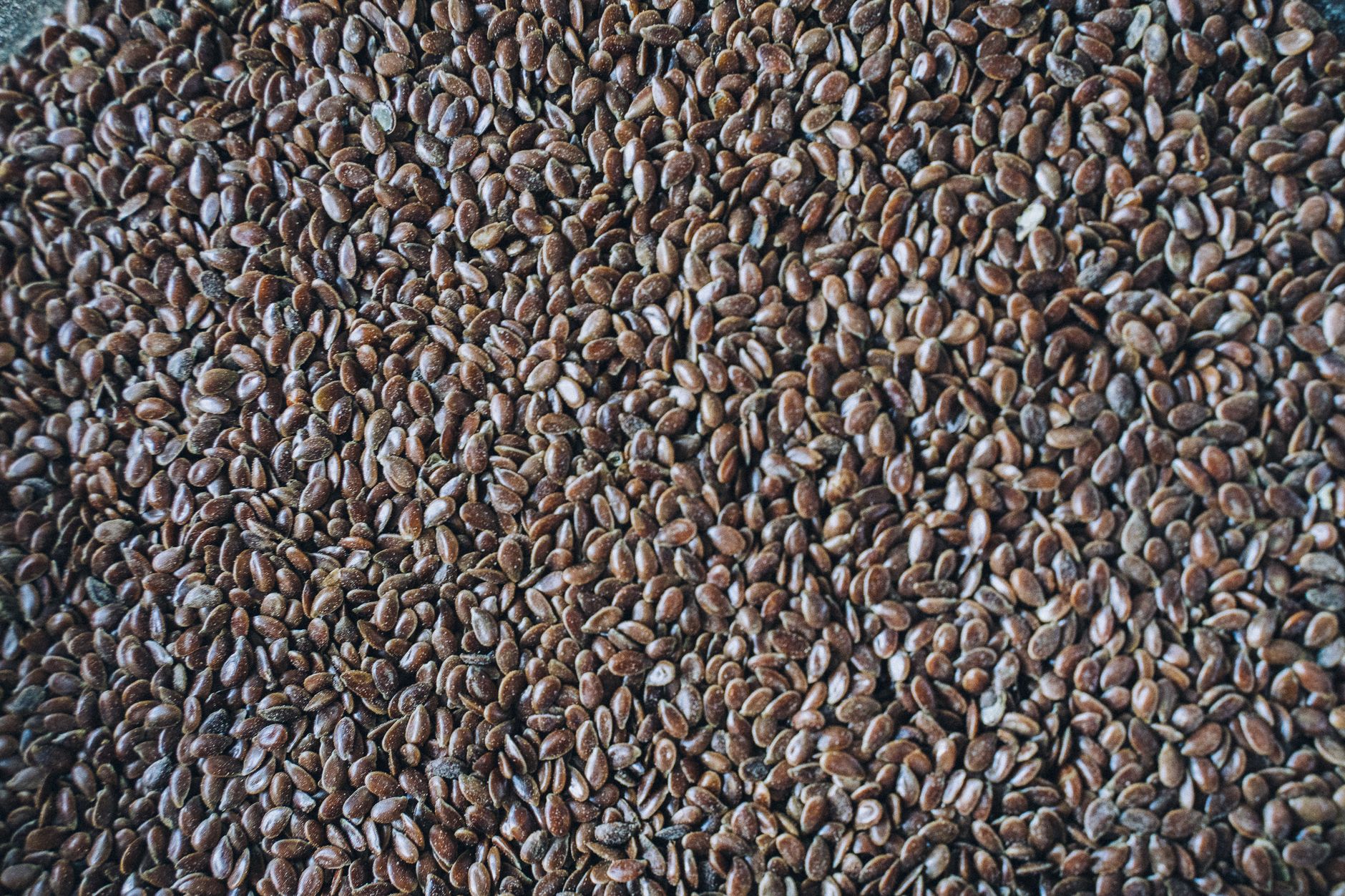
Flaxseed carries far more alpha-linolenic acid, or ALA, than hemp seed. ALA is the plant omega-3 fatty acid your body can use directly, even though conversion into EPA and DHA stays limited, which is why flax matters in plant-based eating.
Fiber changes how flaxseed acts in the gut
Ground flaxseed brings both soluble and insoluble dietary fiber, and that mix is the main reason it feels different in meals. Soluble fiber swells with water, which can help stool move more smoothly, while insoluble fiber adds bulk.
A 2023 review in Nutrients linked flax fiber with steadier bowel habits in many adults, though the effect depends on total fluid intake and the rest of your diet. That is why a spoonful stirred into dry cereal does less than the same spoonful in yogurt or oatmeal.
Lignans make flaxseed stand out
Flaxseed also contains lignans, a group of plant compounds that hemp seed does not provide in meaningful amounts. Lignans matter because they add a nutritional layer beyond fat and protein, and that separates flax from many other seeds.
The practical result is simple: flaxseed gives you more than one reason to use it. You get fiber, ALA, and lignans in a single ingredient, which is why flaxseed vs hemp seed benefits tilt toward flax for digestion-focused meals.
Ground flaxseed pulls water into the digestive tract more than hemp hearts do, so your fluid intake affects the result. Dry use without enough liquid can feel rough instead of helpful.
How to use flax without wasting it
- Grind it. Whole flaxseed can resist digestion, so the nutrients stay less available.
- Stir it in. Oatmeal, yogurt, and applesauce hold the seed well without changing flavor much.
- Store it cold. Ground flax goes stale faster because the oils are exposed.
- Start small. A larger fiber jump can bring gas or bloating for sensitive stomachs.
That mix of fiber, ALA, and lignans makes flax the stronger fit for stool regularity and plant omega-3 intake, and hemp seed takes a different lane from there.
Those differences are only part of the story, because form and freshness shape the nutrients you actually absorb.
Where Hemp Seed Wins On Protein And Ease
Hemp hearts are the shelled interior of hemp seed, and that shell removal changes both texture and use. The result is a softer seed with a higher protein share, which is why it shows up in protein-forward breakfasts and snacks.
Hemp seed also carries a more balanced omega-6 to omega-3 pattern than many seeds. That balance matters less as a headline and more as a reason the flavor stays mild instead of sharp or grassy.
Protein makes hemp hearts practical
One serving of hemp hearts supplies more protein than flaxseed, and that edge is especially useful in meals that need staying power. You can stir it into oatmeal, blend it into smoothies, or scatter it over salad without grinding, soaking, or cooking.
Bob’s Red Mill, along with standard nutrition databases, reflects the same everyday advantage: hemp hearts are easy to add and easy to eat. That convenience matters on rushed mornings, where a seed that disappears into food gets used more than one that needs prep.
Mild flavor keeps recipes flexible
Hemp seed tastes nutty and soft, not bitter or earthy. That makes it useful in dishes where flaxseed might stand out, such as plain yogurt with fruit or a green salad with citrus dressing.
For a quick breakfast, hemp hearts fit best into oatmeal and smoothies. For lunch, they work in a grain bowl or on avocado toast, and that low-effort pattern is where hemp seed vs flaxseed often breaks in hemp’s favor.
Hemp hearts behave like a ready-to-use topping, while flaxseed acts more like a functional ingredient. That difference decides which one you reach for on busy days.
Why hemp seed feels easier day to day
- No grinding. Hemp hearts are shelled and ready to use right away.
- Soft texture. The bite blends into foods without crunch overload.
- Neutral taste. You can add it to sweet or savory meals.
- Protein boost. It fits meals that need more protein without meat or dairy.
That ease of use matters more than any single number on the label, and it sets up the practical part of the choice, how form and storage affect what you actually get.
Practical habits matter most when the goal is keeping each seed useful from the first spoonful to the last.
Forms, Absorption, And Daily Serving Habits
Ground flaxseed and whole flaxseed are not interchangeable. The outer shell of whole flax can stay intact through digestion, so grinding it changes absorption and makes the fiber and fats more available.
Ground flaxseed has the edge for use
Ground flaxseed mixes into food and gives off less crunch. Whole flaxseed can still work in baking for texture, but its nutritional payoff depends on how well it breaks down during digestion.
That is why pantry choice matters. A bag of whole flax looks simple, yet a coffee grinder or dedicated mill turns it into a much better food ingredient for most meals.
Hemp hearts need less handling
Hemp hearts are the shelled form, and they are the version most people use in a normal kitchen. Whole hemp seed has more outer material and a firmer bite, so it is less common in everyday bowls and smoothies.
The texture difference is small in words and obvious on a spoon. Hemp hearts melt into soft foods, while whole flaxseed tends to sit apart until it is ground.
Daily habits that keep both seeds useful
- Use a small spoonful first. Your gut may need time to adjust to more fiber.
- Keep ground flax chilled. The oils degrade faster once the seed is milled.
- Seal hemp hearts well. The softer oils stay fresher in an airtight container.
- Mix into moist foods. Yogurt, oatmeal, soups, and smoothies help texture and swallowing.
- Drink water with flax. Fiber works better when liquid is part of the meal.
Serving size depends on the rest of your day, but the main idea stays steady: start modestly, use the right form, and store each seed so the oils do not stale before you finish the package.
With the choice framed around needs instead of winners, the takeaway becomes easier to put into practice.
Choosing The Right Seed For Your Health Goal
Goal-based picking works better than chasing a single winner. Fiber-focused meals lean toward flaxseed, protein-focused meals lean toward hemp seed, and a mixed diet can use both without conflict.
Match the seed to the goal
- Digestive regularity. Flaxseed fits best because its fiber load is much higher.
- Plant omega-3 intake. Flaxseed again has the edge because of its ALA content.
- Protein support. Hemp hearts fit better because the protein content is stronger.
- Satiety in meals. Hemp seed works well in bowls, while flax thickens and adds bulk.
- Quick topping use. Hemp hearts win because they need no grinding or soaking.
Watch tolerance and storage
Large fiber jumps can cause gas, bloating, or loose stools, especially with ground flaxseed. People with bowel narrowing, swallowing trouble, or seed allergies need extra caution and a clinician’s advice before making seeds a daily habit.
Stored seed can also go stale. Flaxseed oil oxidizes faster after grinding, while hemp hearts keep better in a sealed container away from heat and light.
Mix both seeds in one meal
A simple bowl of oatmeal can hold one spoon of ground flaxseed and one spoon of hemp hearts at the same time. That pairing gives you fiber from flax and protein from hemp without forcing a tradeoff.
Chia seeds can join that mix too, since they bring their own thick, gel-like fiber. The trio works best in pudding, overnight oats, or yogurt, where texture has room to expand instead of clumping.
Flaxseed vs hemp seed becomes much easier once you stop asking which one is superior and start asking what the meal needs. That shift gives you a cleaner result in the kitchen and a better fit in your routine.
Wrap Up
The sharpest split is simple: flaxseed wins for fiber, ALA, and lignans, while hemp seed wins for protein and convenience. Your best choice depends on the gap you want to fill in your meals, and that answer can change from breakfast to dinner.
FAQ
Which is healthier, flaxseed or hemp seed?
Neither seed is healthier in every situation. Flaxseed gives you more fiber and ALA, while hemp seed gives you more protein and a softer texture, so the better choice depends on your meal and goal.
What is the difference between flaxseed and hemp seed nutrition?
Flaxseed is richer in fiber and plant omega-3 fats, while hemp seed carries more protein and a smoother fat profile for everyday eating. Both add minerals such as magnesium and manganese, but they fill different roles.
Is ground flaxseed better than whole flaxseed?
Ground flaxseed is easier for your body to use because the outer shell has already been broken open. Whole flaxseed can still add texture, but much of its content may pass through with less digestion.
How much flaxseed or hemp seed should you eat per day?
A moderate serving works best for most meals, and larger amounts can strain digestion, especially with flaxseed. Your tolerance, fluid intake, and total fiber intake should guide the amount you use.
Can you eat flaxseed, chia seeds, and hemp seeds together?
Yes, you can combine them in oatmeal, smoothies, yogurt, or pudding. Flax gives fiber and ALA, chia thickens with gel, and hemp adds protein, so the mix can cover several nutrition goals at once.
