

Fruits and vegetables that start with Z refers to a short group of edible names, led by zucchini on the vegetable side and jujube on the fruit side. Some entries are cultivars, some are regional names, and some are dried or botanical labels that can change how you sort them.
You can use this list for homework, trivia, shopping, or a simple A-to-Z check, with the common answers first and the unusual ones clearly separated.
Key Takeaways
- Zucchini leads. It is the most reliable vegetable answer for Z lists.
- Several Z items are cultivars. Zebra tomato and zebra eggplant are varieties, not separate species.
- Some names are regional. Zwetschge and Zanzibar yam may appear in local or trade use.
- Fruit labels can shift. Jujube, salak, and Zante currants sit in different food categories.
- Short Z lists are normal. Fewer edible Z names exist than for most other letters.
- Context matters. Homework, cooking, and botany may call for different answers.
The Fastest Way To Sort Z Foods
A kitchen shelf makes the split easy to see: zucchini sits in the produce bin, while Zante currants sit in the baking aisle. That difference gives you the cleanest way to sort foods that start with Z, because everyday produce, dried fruit, and specialty names do not belong in the same bucket.
Label each item as common, uncommon, or obscure, and your list stays usable. For most searches, zucchini covers the vegetable side and jujube covers the fruit side, then you can add rarer names only when the task calls for a broader A to Z fruit and vegetable list.
| Category | Best Z Examples | How You Would Use Them |
|---|---|---|
| Common | Zucchini | Salads, sautés, noodles, baked dishes |
| Uncommon | Jujube, salak, zebra tomato | Snacks, desserts, produce trivia |
| Obscure | Zwetschge, Zanzibar yam, Zizania latifolia | Regional lists, botany notes, specialty references |
Start with the item you would actually shop for, not the one that sounds most unusual. That keeps homework answers clean and keeps your list from turning into a pile of trivia.
That sorting method also helps with pictures and flash cards, since common items need no explanation while rare ones often do. Once that frame is set, the vegetable list makes the most sense.
As the categories widen, the fruit side reveals even more regional and obscure entries.
Vegetables Beginning With Z
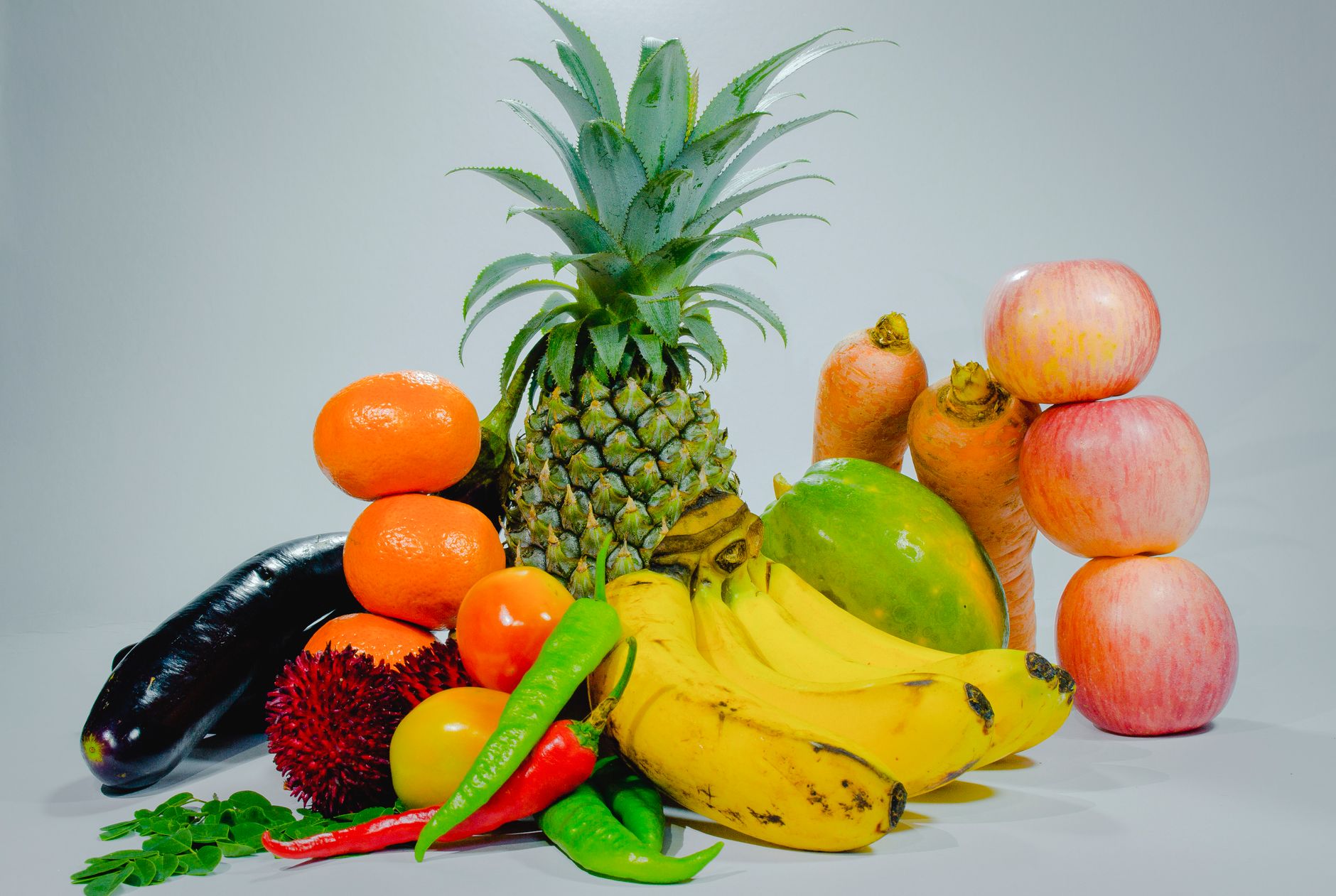
That grocery-aisle test points straight to zucchini, which is the standard answer for vegetables that start with Z. In US produce sections, you usually see it as a green or yellow summer squash, so it is the safest choice for school lists and general reference.
Zucchini As The Everyday Answer
Zucchini has a mild flavor and a soft seed cavity, so it cooks quickly and picks up seasoning well. Botanically, it comes from the squash family, and in the kitchen it acts like a vegetable because you serve it in savory dishes.
Zucchini blossoms belong here too. You can stuff or fry them because the petals are delicate and the flavor is gentle. That detail matters when a list asks for more than one Z vegetable, since blossoms count as a distinct edible part even though they come from the same plant.
Patterned Cultivars That Start With Z
Zebra eggplant is a striped eggplant cultivar, not a separate species. Zebra tomato works the same way, since the striped skin marks a cultivar rather than a new plant family.
These names matter because they show how a Z list can include foods that sound rare yet still belong to familiar crops. You can use them for a produce alphabet list, but you would not treat them as separate botanical categories.
Specialty Greens And Regional Vegetables
Zizania latifolia appears in botanical and regional food references, and it shows how quickly a Z list moves from kitchen staples into specialist territory. The plant is linked to edible stems in some Asian food traditions, so the name matters more in plant identification than in a typical grocery run.
That contrast sets up the fruit side, where the same mix of common, uncommon, and obscure names becomes even more obvious. Fruits beginning with Z spread across fresh produce, dried fruit, and regional labels.
Such variety is easier to appreciate when the names are sorted by origin and usage.
Fruits Beginning With Z
That botanical shift becomes easier to see once you move from squash to fruit names. Jujube is the fruit name most tied to Ziziphus mauritiana, and that link matters because the Latin species name shows up in plant catalogs and market references.
Jujube And Its Botanical Name
Ziziphus mauritiana produces jujube, which is why the scientific name matters for homework or plant ID. The fruit can appear fresh or dried, and that change affects texture more than category.
A plant name can hide the food name, and this one is a good example. The Latin label helps you connect the edible fruit to the tree, while the common name helps you recognize it on a list or in a market conversation.
Salak And Alternate Spellings
Zalacca is another name for salak, a tropical fruit with scaly skin. The surface looks rough, almost reptile-like, but the flesh inside is the part people eat.
That alternate naming is common in produce references, and it explains why a Z fruit list can feel inconsistent at a glance. One label may point to the same fruit under a different name, so spelling matters as much as category.
Dried And Cultivar-Based Fruit Names
Zante currants are dried grapes used mainly in baking, and the drying process is what changes their use. They are not fresh currants in the garden sense, so the name can mislead anyone scanning too quickly.
Zinfandel grapes also belong in a Z fruit list because the cultivar name starts with Z. Zabergau Reinette is another apple cultivar that shows up in orchard records, and Zhe fruit adds yet another botanical name that broadens the list without making it common.
That split becomes clearer when the labels used by growers and cooks are compared.
Botanical labels can be useful, but kitchen labels decide what lands on the plate. A fruit may be the edible part of a plant, yet cooks still treat it like a vegetable when it tastes savory.
Rare Names And Regional Z Produce
Regional vocabulary and specialist terms take over once the familiar names are out of the way. That is where zephyr squash, Zwetschge, and Zanzibar yam come in, each with a narrower footprint than zucchini or jujube.
Regional Names Worth Recognizing
Zephyr squash appears in some produce lists as a specialty summer squash, and its pale skin helps distinguish it from standard zucchini. Zwetschge refers to a plum type used in European contexts, so the word is more regional than everyday for US kitchens.
Zanzibar yam shows up more as a regional or trade name than as a supermarket staple. That makes it useful for an extended alphabetical list, but not as the answer most people expect.
Why Rare Entries Still Matter
- Homework flexibility. Some prompts ask for any fruits and vegetables that start with Z, not just the best-known ones.
- Backup terms. A broader list gives you options for class assignments, quizzes, and alphabet games.
- Category clues. The rarer the name, the more likely it is to be regional, historical, or tied to a cultivar.
- Species caution. That pattern helps you avoid confusing a food label with a separate species.
That pattern leads straight into classification, where botany and kitchen language often split apart.
Those naming differences matter most when the same ingredient needs to work in the kitchen.
Botanical Labels Versus Kitchen Labels
A tomato is a fruit in botany, but kitchens still use it like a vegetable because the flavor is savory. That same split explains why zucchini, zebra tomato, and zebra eggplant can sit in different naming systems at once.
Fruit In Science, Vegetable In Cooking
Botany defines fruit as the seed-bearing part that develops from a flower. Cooking classifies foods by taste and use, so a savory item ends up in the vegetable basket even when plant science says fruit.
That distinction shows up in Z names more than you might expect. Zebra tomato is still a tomato cultivar, and zucchini blossoms are edible plant parts, yet your recipe file may list them in different ways depending on the dish.
Cultivars Are Not Separate Species
Zebra eggplant and zebra tomato are patterned cultivars, which means the stripe pattern comes from breeding within a known crop. The color and skin markings can change, while the core identity of the plant stays the same.
Clear labeling helps when a worksheet asks for fruits, vegetables, or both. It also keeps your A to Z fruit and vegetable list from mixing plant science with grocery shelf language.
Those texture differences are the main takeaway when planning how to use each ingredient.
Simple Ways To Use Z Produce In Recipes
Zucchini works in more dishes than almost any other Z item because it has a mild taste and soft texture. Slice it into sautés, spiralize it into noodles, fold it into breads, or layer it into casseroles when you want a vegetable that does not dominate the pan.
Cook Zucchini Three Ways
- Sauté thin slices. High heat gives you browning without turning the center mushy.
- Swap in noodles. Spiralized zucchini stands in for pasta in quick skillet meals.
- Bake into batter. Grated zucchini adds moisture to breads and muffins.
- Layer in casseroles. Its mild flavor sits well with tomato, cheese, or herbs.
Use Blossoms, Jujube, Salak, And Currants
Zucchini blossoms suit stuffing or frying because the petals are tender and the shape holds filling well. Jujube can go into sweet snacks, salak works in fruit salads or eaten fresh, and Zante currants bring a tart note to baking.
One practical trick is to match the ingredient to its texture. Firm fruit like jujube can hold shape in a snack box, while dried Zante currants disperse through batter and give you small bursts of sweetness.
What To Remember
Z produce is short, but it is not empty. Zucchini gives you the clearest vegetable answer, while jujube, salak, and Zante currants handle the fruit side with support from a handful of regional and botanical names. Once you sort common items from rare labels, the list becomes easy to use for homework, trivia, and cooking.
FAQ
What vegetable starts with Z?
Zucchini is the clearest vegetable answer in this group. Zebra eggplant, zebra tomato, and zephyr squash can also fit depending on how strict your list needs to be.
What fruit starts with Z?
Jujube, from Ziziphus mauritiana, is a strong fruit answer. Salak, also called zalacca, and Zante currants are useful additions when you need a broader list.
Is zucchini a fruit or a vegetable?
Because it develops from a flower and contains seeds, zucchini is botanically a fruit. In cooking, it is treated as a vegetable because people use it in savory dishes.
Can you give me a list of fruits and vegetables that start with Z?
Yes. Zucchini, zucchini blossoms, zebra eggplant, zebra tomato, jujube, salak, Zante currants, zephyr squash, Zwetschge, and Zanzibar yam are the names most worth learning.
What foods start with Z?
Fresh produce, dried fruit, and cultivar names all show up in the list. Zucchini, jujube, salak, and Zante currants are the most practical examples for a basic alphabet list.
