

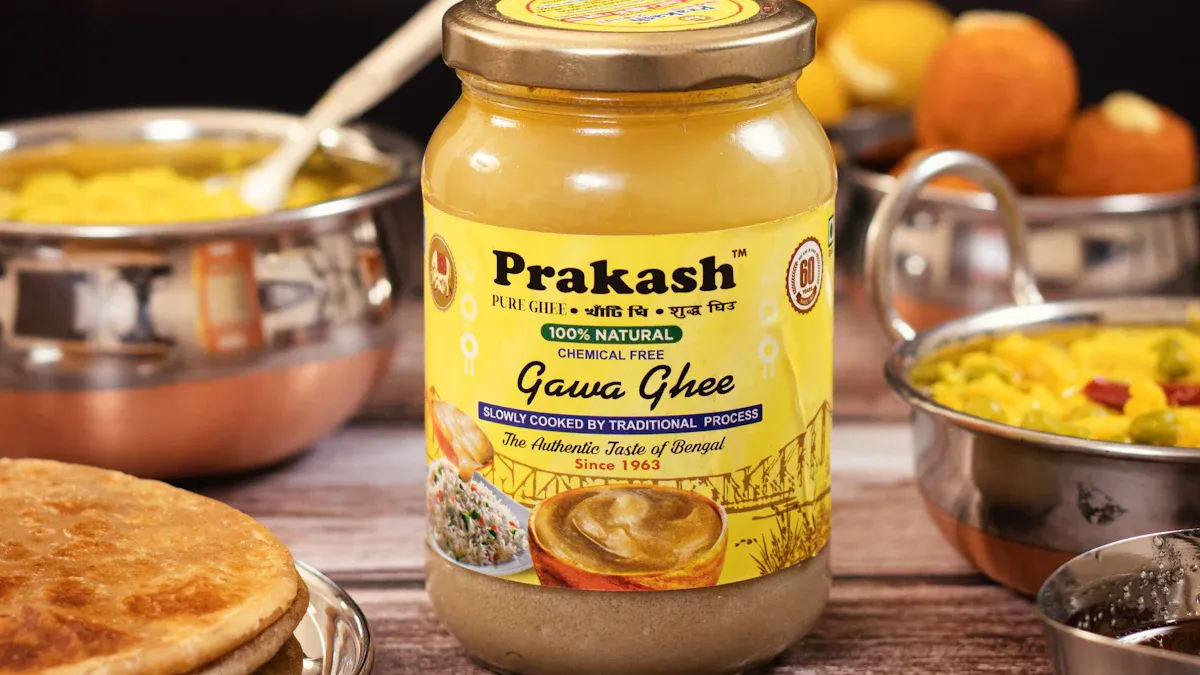
Ghee: Clarified Butter holds a significant place in ancient Indian and Ayurvedic traditions. This golden fat offers unique properties. This blog explores what Ghee: Clarified Butter is, how people use it, and its potential health implications. Its popularity continues to rise. The Ghee: Clarified Butter market projects a 7.2% growth from 2026 to 2033. Many kitchens now embrace Ghee: Clarified Butter for its rich flavor and versatility in cooking. People also recognize the health benefits of Ghee: Clarified Butter. It contributes to overall health. Ayurveda considers Ghee: Clarified Butter a sacred food.
Key Takeaways
Ghee is a special type of butter. It is made by cooking butter longer to remove water and milk parts. This gives ghee a nutty taste and a higher cooking temperature.
Ghee has many good things for your body. It helps your stomach work better. It also has vitamins A, D, E, and K, which are good for your bones and immune system.
Ghee is good for cooking at high heat. It does not burn easily. You can use it for frying, searing, and roasting foods.
Ghee has a lot of fat and calories. Eat it in small amounts. This helps keep your diet balanced and healthy.
What Is Ghee: Clarified Butter
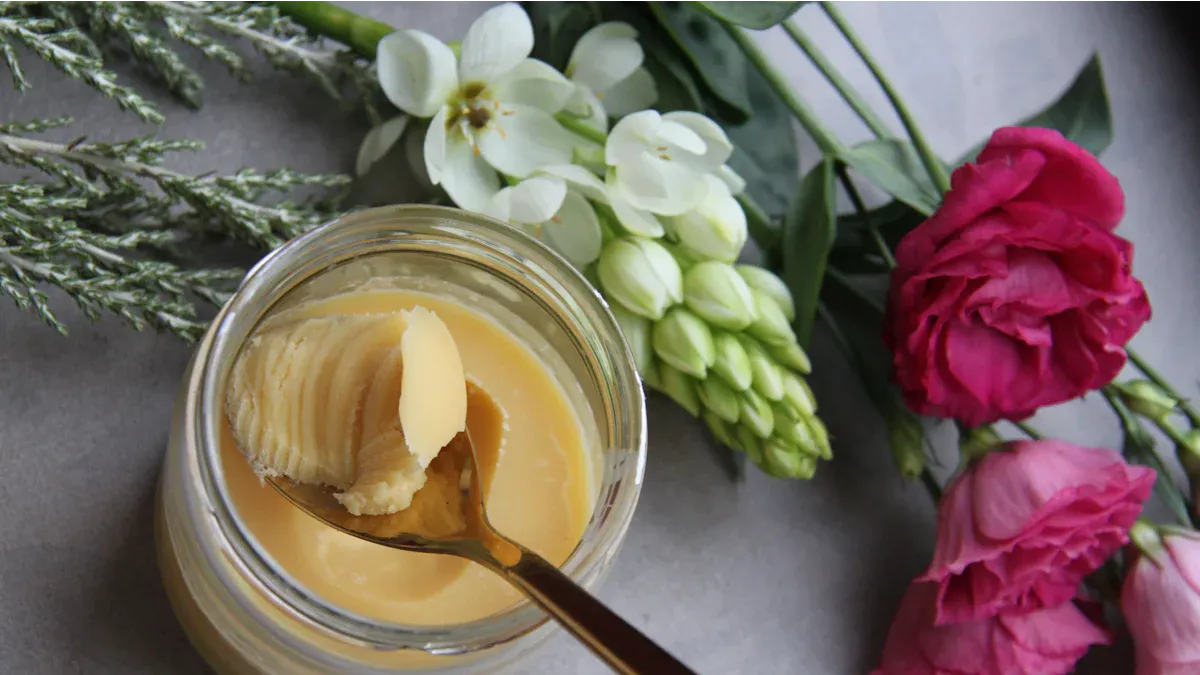
Ghee Definition
Ghee is a specialized form of clarified butter. It primarily consists of triacylglycerols. These are esters formed from glycerol and three distinct fatty acids. Its molecular structure includes C-H and C-C bonds, which characterize its carbon skeleton. Ghee also contains unsaturated fatty acids. Specific C=O and C-O stretching vibrations confirm the presence of ester groups. A key characteristic of ghee is its moisture-free state. The chemical properties of ghee largely depend on the fatty acid chains within its triacylglycerol structure. Spectroscopic analysis shows peaks for C-H and C-C bonds, indicating its carbon skeleton. It also confirms unsaturated fatty acids. The C=O stretching of ester groups validates the triacylglycerols. The absence of broad peaks in the 3200–3700 cm−1 range signifies its moisture-free composition.
Ghee Production Process
Making ghee involves a careful heating process that removes water and milk solids from butter. This process transforms regular butter into golden ghee.
Traditional methods for making ghee often begin with fresh milk. The Bilona method, an ancient Ayurvedic process from India, follows several steps:
Fresh A2 Milk: The process starts with pure A2 milk from cows raised on organic fodder.
Turning Milk into Curd: People boil the fresh A2 milk. They then culture it overnight to form curd.
Hand-Churning the Curd: Workers churn the curd using a traditional wooden churner, called a Bilona. This separates butter from buttermilk.
Slow Heating: They slowly heat the collected butter on a low flame in clay or steel pots. Water evaporates, leaving pure ghee.
Hand-Filtration: People carefully filter the ghee to remove any residue. Then they store it.
Another traditional approach involves fermenting cream into yogurt before churning it into butter. This method creates a more complex, mildly sour flavor in the resulting ghee. The fermentation converts some sugars into butyric acid. Butyric acid supports digestive health and reduces inflammation.
The production process involves specific temperature ranges. Initial melting of butter mass or blocks occurs between 60°C and 80°C. When melting butter from aged cream, the temperature reaches 80°C. It then holds at 80-85°C for 30 minutes. The final heating temperature for clarification and aroma development is 114±2°C. This careful heating ensures the creation of high-quality ghee.
Ghee vs. Clarified Butter
Many people use the terms ghee and clarified butter interchangeably. However, they have distinct differences in their preparation and characteristics. Both start by heating butter to evaporate water and separate milk solids. Clarified butter is made by straining the mixture at this point.
Ghee, however, undergoes a longer cooking process. Makers cook ghee until the milk solids turn a dark golden brown and settle. This indicates a browning reaction, known as the Maillard reaction, has occurred. This additional cooking time leads to a nuttier flavor in ghee compared to clarified butter. The extended cooking allows milk proteins to undergo chemical changes. These changes produce a slightly toasted aroma and a nutty flavor. This browning of milk solids is a key chemical difference. It influences the final taste profile of ghee.
Ghee is cooked for a longer duration than clarified butter. This ensures all moisture is removed. It also ensures the milk solids are browned. This complete removal of moisture and the browning of milk solids are chemical alterations. They contribute to ghee’s longer shelf life and higher smoke point (482°F) compared to clarified butter (450°F). In India, ghee must meet specific legal requirements. These include a butyro refractometer reading, an R.M. value, and maximum percentages for free fatty acids and moisture content. India also has an Agmark Ghee Grading Scheme, which sets standards for quality. These specific regulations highlight the distinct identity of ghee.
Ghee Nutritional Profile
Ghee offers a unique nutritional profile. It provides a concentrated source of energy and essential nutrients. Understanding its composition helps people appreciate its role in a balanced diet. This section explores the key components of ghee nutrition.
Macronutrient Content
Ghee primarily consists of fat. It contains very few other macronutrients. A 100-gram serving of ghee shows this breakdown:
Macronutrient | Amount per 100g |
|---|---|
Carbohydrates | 0 g |
Fat | 99.5 g |
Protein | 0.3 g |
This composition makes ghee a calorie-dense food. It provides energy mainly from its fat content.
Essential Fat-Soluble Vitamins
Ghee is a good source of fat-soluble vitamins. These vitamins are crucial for various bodily functions and overall health. Ghee nutrition includes important vitamins like A, D, E, and K.
Vitamin | IU/g Value |
|---|---|
Vitamin A | 28.21 ± 0.142 |
Vitamin D | 11.42 ± 0.425 |
Vitamin E | 31.55 ± 1.109 |
Vitamin K | Present (no specific IU/g value provided) |
Ghee acts as an excellent carrier for these fat-soluble vitamins. It helps the body absorb them effectively. Ancient doctors recognized ghee’s bioavailability. They incorporated it into many Ayurvedic herbal formulations. Studies suggest using ghee as a base for herbal formulations can enhance their bioavailability and bioassimilation. This means the body can use these nutrients more efficiently.
Fatty Acid Composition
Ghee contains a diverse range of fatty acids. These include saturated, monounsaturated, and polyunsaturated fats. Ghee is composed of 60-70% saturated fat. It also contains 10.6% polyunsaturated fatty acids (PUFA). Monounsaturated fatty acids are also present. Ghee also contains conjugated linoleic acid (CLA). CLA is a fatty acid with potential health benefits.
Ghee Type | CLA Concentration (mg/g fat) |
|---|---|
Low CLA Ghee | 12.18 |
High CLA Ghee | 19.54 |
The specific fatty acid profile contributes to the unique properties of ghee.
Ghee Versus Butter
People often compare ghee and butter. Both come from milk, but they have important differences. These differences come from how makers prepare them.
Compositional Differences
Butter contains milk solids and water. Ghee is different. Makers cook butter longer to remove these parts. This process leaves behind pure butterfat. So, ghee is almost entirely fat. Butter has a higher water content and contains milk proteins and sugars.
Smoke Point Advantage
Ghee has a much higher smoke point than butter. The smoke point is the temperature at which a fat begins to burn and smoke. This happens because makers remove the milk solids from ghee. These solids burn at lower temperatures. This makes ghee better for high-heat cooking.
Fat Type | Smoke Point (°C) | Smoke Point (°F) |
|---|---|---|
Butter | 150 | 302 |
Ghee | 250 | 482 |
Ghee’s high smoke point means it does not break down easily. This prevents the formation of harmful compounds during cooking.
Lactose and Casein Levels
Many people avoid dairy due to lactose or casein sensitivities. Ghee offers a good alternative. The clarification process removes most milk solids. This includes lactose and casein. Commercially produced ghee samples show very low lactose content, often less than 0.05 mg per 100 grams. Ghee contains minimal protein, typically less than 0.10 grams per 100 grams. This makes ghee suitable for many people with dairy sensitivities.
Flavor and Texture
Ghee has a distinct flavor. It tastes rich, nutty, and slightly caramelized. This comes from the longer cooking process. The milk solids brown during this time. This browning creates new flavor compounds. These include δ-decalactone and butyric acid. These compounds give ghee its unique aroma and taste. Butter has a creamy, milky flavor. Ghee also has a granular texture at room temperature, while butter is smooth and solid.
Health Benefits of Ghee
Ghee offers many health benefits. Its unique composition contributes to overall well-being. People have recognized these therapeutic properties for centuries. Ayurveda, an ancient Indian system of medicine, highly values ghee for its profound health benefits.
Digestive Health Support
Ghee plays a significant role in supporting digestive health. Ayurveda states ghee enhances ‘agni,’ which is the digestive fire. This improves the body’s ability to absorb and assimilate nutrients. Ghee is the primary dietary source of butyric acid. This component is crucial for maintaining gut immunity. It also fosters a healthy microbiome. Butyrate, a short-chain fatty acid, serves as the primary energy source for colon cells. It supports gut barrier function. Butyrate also possesses anti-inflammatory properties. Studies suggest it may alleviate constipation. It reduces pain during defecation and improves peristalsis. Butyric acid in ghee supports gut health by reducing inflammation. It promotes the growth of beneficial gut bacteria. Its anti-inflammatory properties contribute to overall digestive wellness.
Ghee also contains pentadecanoic acid C15. This odd-chain fatty acid supports a healthy inflammation response. It protects against undesirable bacteria. The process of making ghee concentrates C15 to a more therapeutic level. Research comparing C15 to fish oil (EPA) found C15 to be safer. It is effective at a significantly lower dose. This offers nutritional support for protecting against the proliferation of undesirable bacteria. These ghee benefits make it a valuable addition for improving digestion.
Rich in Vitamins A, D, E, K
Ghee is rich in essential fat-soluble vitamins. These vitamins are crucial for promoting bone and brain health. They also boost the immune system. Ghee contains Vitamins A, D, E, and K. Ghee can increase Vitamin A intake. This is beneficial for people with gluten sensitivity, leaky gut syndrome, or inflammatory digestive diseases. These conditions affect vitamin A absorption. Vitamin D is also present in ghee. This is crucial, especially during winter months when sunlight exposure is limited. Vitamin E acts as an antioxidant. It helps repair damaged skin. It also balances hormones, improves vision, and balances cholesterol. Ghee contains Vitamin K2. This vitamin helps calcium move into bones and teeth for stronger bones. It also moves calcium out of arteries and soft tissues. This reduces calcifications and the risk of heart disease. Grass-fed ghee is particularly abundant in K2. Ghee’s major nutritive effect is aiding the absorption of these fat-soluble vitamins from other vitamin-dense foods. This includes liver, steak, and lamb. Increased intake and absorption of vitamin A retinol is critical. It maintains eye health, immune function, and skin health. These are significant ghee benefits.
Antioxidant Properties
Ghee possesses natural antioxidant properties. It contains vitamins A and E. These vitamins are powerful antioxidants. They help protect the body’s cells from damage caused by free radicals. This protection contributes to overall health. The presence of these vitamins gives ghee therapeutic properties. They help combat oxidative stress. This is a key factor in many chronic diseases.
Anti-Inflammatory Effects
Ghee exhibits significant anti-inflammatory effects. It contains conjugated linoleic acid (CLA). CLA modulates cytokine production and oxidative stress pathways. This exhibits anti-inflammatory properties. Butyrate, a short-chain fatty acid found in ghee, also demonstrates anti-inflammatory effects. These effects are particularly strong within the gut. The presence of beneficial fatty acids like CLA and butyrate contributes to ghee’s overall anti-inflammatory characteristics. Vitamins D, K2, A, and E also play a role. Ghee’s anti-inflammatory activity is measured by reduced biomarkers. These include CRP, TNF-α, IL-6, and arachidonic acid. Conjugated linoleic acid and omega-3 fatty acids in ghee suppress inflammatory responses. Linoleic acid in cow ghee decreases inflammatory mediators. These include leukotrienes, prostaglandins, and interleukins. Ghee’s potential to lower arachidonic acid metabolites and decrease leukotriene secretion is also noted. This helps prevent complications like cardiovascular disease (CVD) and atherosclerosis. Short-chain fatty acids (SCFAs) in ghee can reduce inflammation. Medium-chain fatty acids (MCFAs) and conjugated linoleic acid (CLA) modulate cytokine production and oxidative stress pathways. These anti-inflammatory effects are among the key health benefits of ghee.
Immunity Boosting Ghee Benefits
Ghee offers several immunity-boosting benefits. A2 ghee contains essential vitamins (A, D, E, K). These vitamins strengthen the immune system. They prevent infections. They activate infection-fighting cells. They protect against free radicals and reduce inflammation. Ghee promotes gut health by providing butyric acid. Butyric acid nourishes intestinal walls. It reduces inflammation. It supports beneficial bacteria. This boosts overall immunity. Ghee possesses natural anti-inflammatory properties due to omega-3, omega-9, and conjugated linoleic acid. These help manage inflammation. They protect against autoimmune diseases. Ghee enhances nutrient absorption. This is especially true for fat-soluble vitamins (A, D, E, K). It also helps absorb beneficial herbs like turmeric, ashwagandha, tulsi, and giloy. This maximizes their immune-boosting effects. In Ayurveda, A2 ghee is a ‘Rasayana.’ It builds strength, vitality, and protects against infections. This contributes to overall health and mental well-being. Ghee supports respiratory health by lubricating lungs and sinuses. It supports brain health through omega fatty acids. This indirectly contributes to a robust immune system. It improves concentration, memory, and emotional balance. These comprehensive ghee benefits make it a valuable food for maintaining strong health. It even combats obesity by supporting metabolic functions. The health benefits of ghee extend to supporting heart health through its fatty acid profile and anti-inflammatory actions.
Potential Risks and Considerations
While ghee offers several benefits, people should understand its potential risks. Like any fat, it requires mindful consumption.
High Saturated Fat
Ghee contains a high amount of saturated fat. Approximately 60% of ghee is saturated fat. The American Heart Association advises limiting saturated fat intake to less than 6% of total daily calories. This recommendation helps reduce the risk of heart disease. A healthy diet focuses on whole grains, lean proteins, and many fruits and vegetables. It also reduces animal fat, salt, sugar, and processed foods. The World Health Organization suggests reducing overall fat intake. They recommend cooking by steaming or boiling instead of frying. They also suggest substituting ghee with polyunsaturated fat-rich oils like soybean or sunflower oil. Some experts, like registered dietitian Candace O’Neill, suggest the perceived benefits of ghee might be overstated. She states there is no significant difference in fat and vitamin content between ghee and butter.
Calorie Density
Ghee is a calorie-dense food. It provides a lot of energy in a small amount. People should consider its caloric contribution to their daily diet.
Type of fat per tbsp. | Ghee | Butter |
|---|---|---|
Calories | 120 | 102 |
Saturated | 10 g | 7 g |
Monounsaturated | 3.5 g | 3 g |
Polyunsaturated | 0.5 g | 0.4 g |
Another comparison shows:
Ghee | Butter | |
|---|---|---|
Calories | 123 | 100 |
Fat | 14 grams | 11 grams |
These figures show ghee has more calories and fat per tablespoon than butter.
Trace Allergen Risk
Ghee production removes most milk solids, including lactose and casein. This makes it suitable for many people with dairy sensitivities. However, very small trace amounts of milk proteins might remain. Individuals with severe dairy allergies should exercise caution. They might still experience a reaction.
Importance of Moderation
Due to its high saturated fat and calorie content, moderation is key. Incorporate ghee into a balanced diet. It can be a flavorful addition. However, excessive consumption can contribute to higher calorie intake. This impacts overall health goals. A balanced diet considers all food components.
Cooking with Ghee
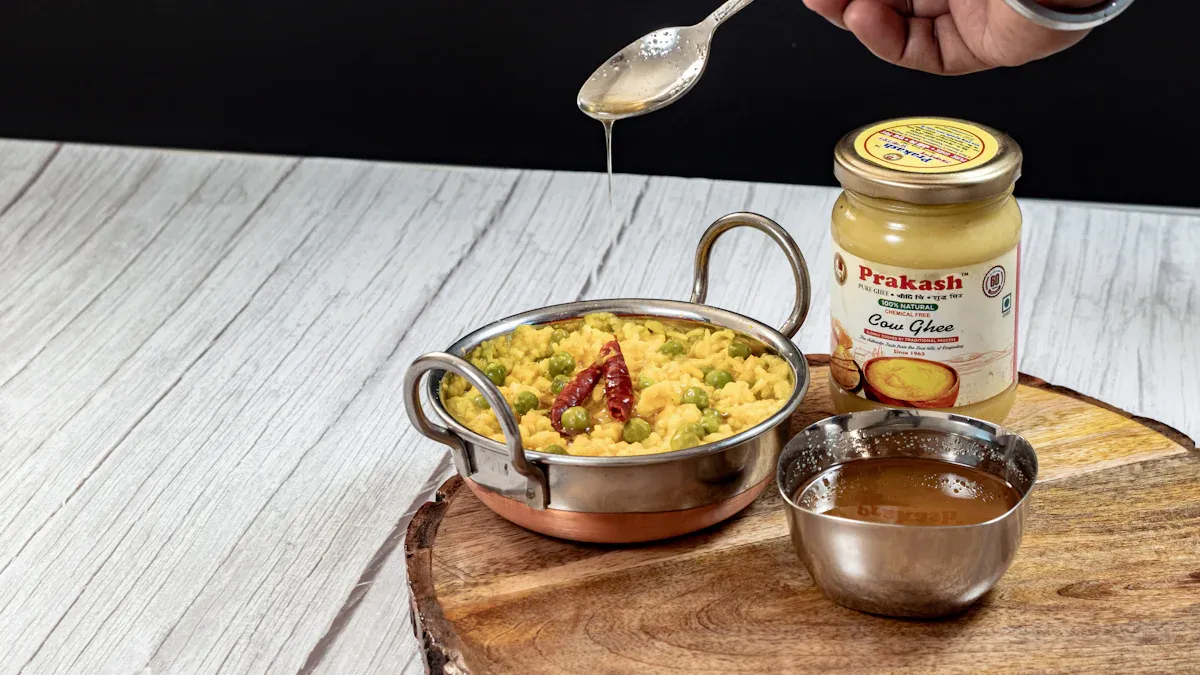
Ghee is a versatile fat in many kitchens. People appreciate its unique properties for various culinary tasks. Understanding how to use ghee helps cooks maximize its benefits.
High-Heat Applications
Ghee excels in high-heat cooking. Its high smoke point makes it ideal for searing, frying, and roasting. The absence of milk solids prevents it from burning quickly. This provides significant cooking advantages.
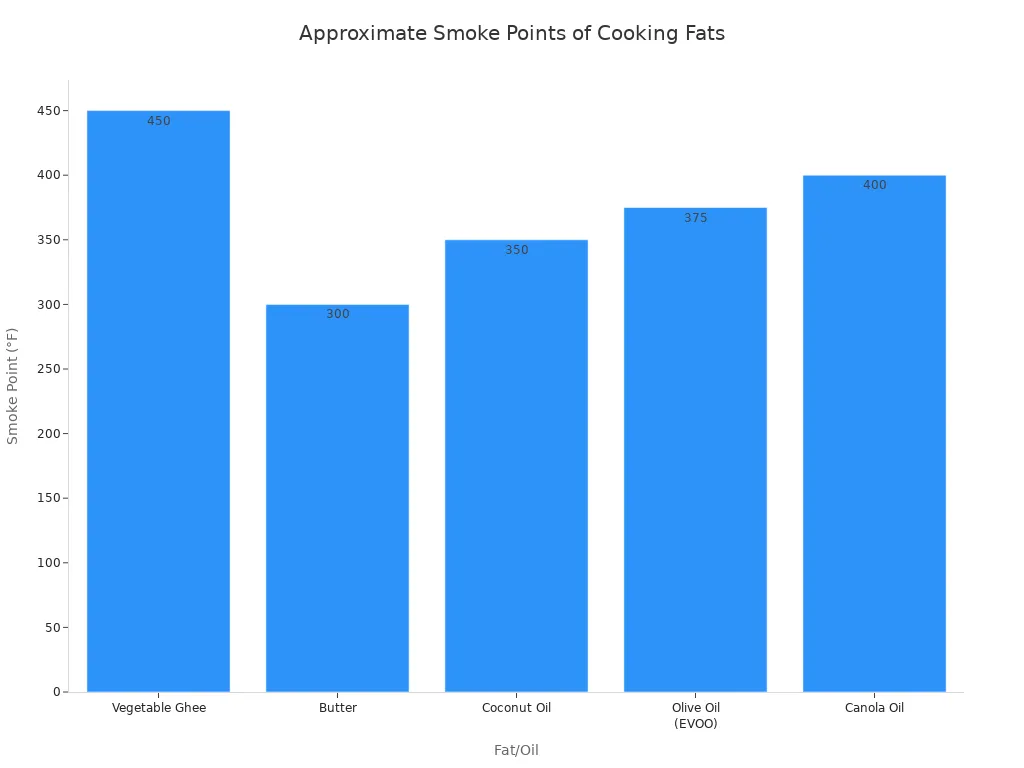
Vegetable ghee has a smoke point of approximately 450°F (232°C). This is much higher than most common cooking fats. Its composition of refined plant oils, low moisture, and removed milk solids allows it to withstand high heat. It does not burn easily. It maintains stability during cooking. This makes ghee perfect for deep-frying, searing, roasting, and stir-frying.
Flavor Enhancement
Ghee adds a rich, nutty flavor to dishes. Its distinct taste comes from the browning of milk solids during its creation. This process creates complex flavor compounds. Many culinary traditions use ghee for this reason.
Paneer Butter Masala: Ghee gives a distinct nuttiness to the velvety tomato and onion gravy. It complements the paneer’s creaminess.
Dal Makhani: Ghee adds a luxurious texture to this slow-cooked dish. It is generously added to black lentils and kidney beans.
Ghee Roast Dosa: Ghee is expertly spread on the dosa. It gives a distinctive aroma. This elevates it from a simple breakfast item.
Shahi Pulao: Ghee works its magic into each grain of basmati rice. It enhances the flavor of seasoned meat and spices. This creates an authentic pulao.
Gajar Ka Halwa: Ghee slow-cooks grated carrots. It provides a rich, buttery undertone. This turns the dessert into a celebration.
Ghee is an integral part of India’s diverse and flavorful culinary landscape. It is deeply rooted in tradition.
Baking and Roasting
Bakers use ghee for its rich flavor and texture. It can replace butter in many recipes. Ghee adds a delicate crispness to baked goods. It also imparts a golden color. Roasting vegetables with ghee gives them a delicious, caramelized crust.
Traditional Culinary Uses
Ghee holds a sacred place in Indian cooking. People use it in religious ceremonies and daily meals. It is often drizzled over rice, lentils, and curries. This enhances their taste and nutritional value. Ghee is also a base for many Ayurvedic preparations.
Making Ghee at Home
Step-by-Step Guide
Making ghee at home is a rewarding process. It allows you to control the quality. First, start with unsalted butter. Place the butter in a heavy-bottomed pot. Melt it over medium-low heat. The butter will foam as it melts. Then, it will simmer. Milk solids will separate and sink to the bottom. Continue cooking until the milk solids turn golden brown. The liquid will become clear and golden. This is how to make ghee. Carefully skim any foam from the top. Remove the pot from the heat. Let it cool slightly. Strain the golden liquid through a fine-mesh sieve lined with cheesecloth. This separates the pure ghee from the browned milk solids. This completes the process of making ghee.
Required Equipment
You need a few basic items for making ghee. A heavy-bottomed pot prevents burning. A fine-mesh sieve and cheesecloth are essential for straining. You also need an airtight container for storage. Glass jars with tight-fitting lids work best. These items ensure a smooth process for how to make ghee.
Storage and Shelf Life
Proper storage extends the life of your homemade ghee. Store it in an airtight, odorless, and dry container. Glass jars are ideal. Keep the ghee away from direct light, moisture, heat, and air. A cool, dark pantry or cupboard is a good spot. Homemade ghee can last up to a year when stored correctly. It can last even longer in the fridge. Always use a clean, dry spoon to scoop out ghee. This prevents contamination. Refrigerating ghee can significantly extend its shelf life. Freezing ghee can preserve its freshness for even longer periods. Ensure it is in a freezer-safe, airtight container.
Tips for Quality Ghee
For the best quality ghee, use high-quality unsalted butter. Grass-fed butter often yields a richer flavor. Cook the butter slowly over low heat. This prevents burning and ensures proper separation of milk solids. Do not rush the making ghee process. The color of the finished ghee should be golden. The aroma should be nutty. These tips help you achieve excellent homemade ghee.
Ghee: clarified butter is a unique fat. It offers distinct properties from its ancient origins. This blog explored its culinary uses and potential health benefits of ghee. Ghee provides many benefits. However, people must consume it in moderation. They should also consider individual dietary needs. Ghee is calorie-dense. It contains saturated fat. Readers can experiment with ghee in their cooking. They will discover its rich flavor and versatility. Ghee plays a role in a healthy diet. It is a flavorful fat, not a miracle cure. A balanced diet incorporates all food components for optimal health.
FAQ
Is ghee suitable for people with lactose intolerance?
Ghee is generally suitable for people with lactose intolerance. The clarification process removes most lactose and casein. This makes it a dairy product many sensitive individuals can consume. Ancient texts of ayurveda often recommend ghee for its digestibility.
Can ghee help with weight loss?
Ghee contains healthy fats. These fats can promote satiety. This helps reduce overall calorie intake. However, ghee is calorie-dense. People must consume it in moderation. Ayurveda suggests ghee supports metabolism when used appropriately in an ayurvedic diet.
What is the best way to store ghee?
Store ghee in an airtight container. Keep it in a cool, dark place. This prevents spoilage. Ghee does not require refrigeration. It has a long shelf life at room temperature. This storage method aligns with traditional ayurveda practices.
How does ghee fit into an Ayurvedic diet?
Ayurveda considers ghee a vital food. It balances all three doshas. Ghee enhances digestion and nutrient absorption. It also acts as a carrier for herbs. Many ayurveda recipes feature ghee for its therapeutic properties. It is a cornerstone of ayurvedic cooking.