

Ginger low FODMAP refers to ginger used in modest servings that fit a low FODMAP diet, especially fresh root, ground ginger, and simple tea. The form matters because sweeteners, juice concentrates, and other add-ins can change the FODMAP load even when ginger itself stays the main flavor.
You can use ginger for IBS-friendly cooking, shopping, and symptom tracking without turning every meal into a label puzzle. The details below show where serving size, product type, and hidden ingredients change the answer.
Key Takeaways
- Fresh root works well. Small amounts of fresh ginger fit most low FODMAP meal plans without much fuss.
- Ground spice needs portions. Dried ginger is still useful, but the teaspoon can turn into too much fast.
- Tea needs a clean label. Ginger and water stay simple; honey, inulin, and sweeteners change the picture.
- Pickles need label reading. Pickled ginger can fit, but sugar syrups and added fibers can push it off course.
- Packaging matters more than the root. Candies, juices, concentrates, and sauces can start with ginger and still bring problem ingredients.
What Ginger Adds To A Low FODMAP Diet
Fresh ginger, ground spice, and plain tea can add flavor without the onion-garlic burden that often complicates IBS meals. Gingerols and related compounds create the sharp bite, so you get brightness without relying on high-fructan seasoning.
That difference matters because Monash University and FODMAP Friendly both focus on serving size, not blanket yes-or-no rules. A low FODMAP diet works best when you measure what you use and watch how your gut responds.
Many cooks reach for ginger when nausea, bloating, or a heavy-stomach feeling shows up. The label still does not guarantee comfort, though, because your own tolerance during reintroduction can shift the result even when the ingredient itself fits FODMAP limits.
Fresh Ginger Brings Flavor With A Low Fructan Load
Fresh ginger root keeps the ingredient list short: ginger plus whatever liquid or fat you cook with. That simplicity helps because there is less room for hidden FODMAPs, especially when you grate a small amount into rice, soup, or dressing.
A small knob gives you more control than a jarred sauce with ten ingredients. That difference matters when you are building meals that need both flavor and predictable digestion.
Digestive Comfort Is Not The Same As FODMAP Safety
Some people feel calmer after ginger tea or ginger broth, while others notice more burning or rumbling. Sensitivity can come from spice heat, acidity, caffeine in a blend, or a larger portion rather than from ginger itself.
That distinction keeps your choices clearer. Ginger works as a useful tool, not a promise, and that mindset helps you judge meals with less guesswork.
Those small label differences become clearer once you compare how ginger appears in fresh, ground, and pickled forms.
Serving Sizes That Keep Ginger In Range
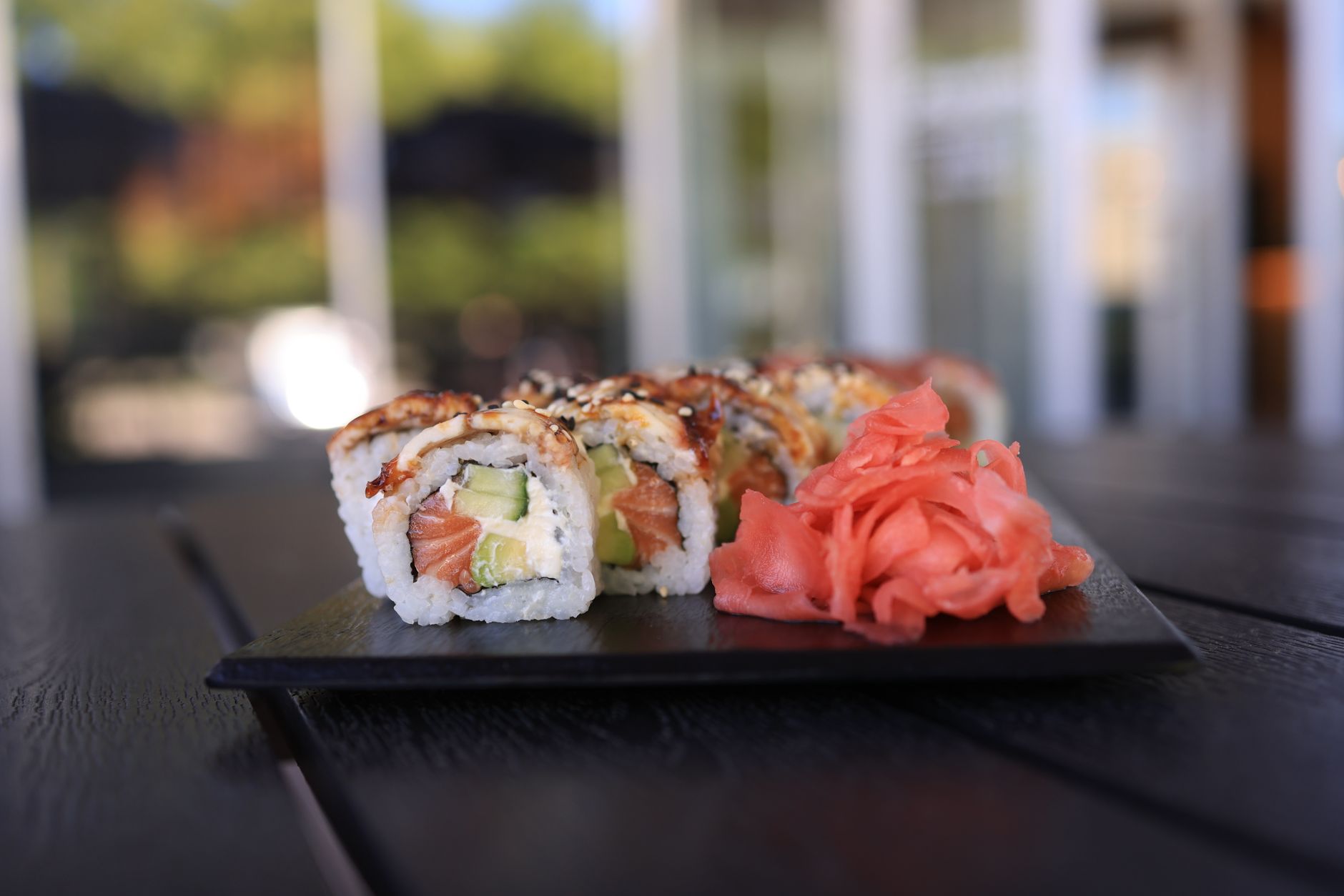
Portion size is the line that matters most for ginger low FODMAP use. Fresh ginger, ground ginger, and tea each behave a little differently, so the easiest plan is to match the form to the meal.
Monash University lists low FODMAP foods by serving, not by vibe, and that approach is useful here. A teaspoon in a marinade can fit neatly, while a large latte-style drink with ginger syrup can become a different story.
| Ginger form | Practical amount | Kitchen use |
|---|---|---|
| Fresh ginger | About 1 teaspoon grated, or a thin 1 inch piece | Stir-fries, soups, dressings, rice |
| Ground ginger | About 1/4 teaspoon in a dish | Baking, spice blends, sauces |
| Ginger tea | Tea made from ginger and water only | Sipping, broths, warm drinks |
| Pickled ginger | Small condiment portions | Sushi, bowls, snack plates |
Those amounts are practical kitchen measures, not a promise that every stomach will react the same way. Small portions tend to be safer for IBS routines, while larger amounts raise the chance of symptom trouble simply because the load rises.
Ground spice needs extra care because volume stacks fast. Two generous shakes from a jar can turn into far more than intended, and a measuring spoon saves you from accidental overuse.
Fresh Ginger Works Best In Loose, Grated Portions
Fresh ginger has a juicy fiber structure, so grating or mincing spreads its flavor across a dish without needing much of it. You get better distribution in a stir-fry, broth, or vinaigrette, which means the serving stays controlled.
A thumb-sized piece is easy to eyeball, but the same piece can vary a lot in weight. A kitchen scale settles that question fast, which is useful during reintroduction or any period of symptom tracking.
Ground Ginger Packs More Heat Per Spoon
Ground ginger is dried and concentrated, so a little goes a long way. The spice can work in pumpkin soup, quick breads, or dry rubs, yet it is the form most likely to be overpoured because the jar seems harmless.
A leveled spoon gives a clearer boundary than a free pour. That small habit keeps flavor steady and makes FODMAP math much easier.
Pickled Ginger Needs A Label Check Before The Cart
Pickled ginger can fit a low FODMAP pattern, but the brine matters. Plain vinegar, salt, and ginger are one thing; sugar syrup, honey, inulin, or fruit concentrate are another.
Sushi ginger often contains added sweeteners, and that is where label reading pays off. The ginger itself may be fine, while the package around it shifts the ingredient profile in a hurry.
Hidden extras often matter more than the ginger itself, especially when packaged versions rely on sugary or acidic additions.
Fresh, Ground, And Pickled Ginger In Everyday Use
Fresh ginger gives the brightest flavor, while ground ginger brings deeper warmth and a drier finish. Pickled ginger sits apart again, with a sweet-tart snap that works more like a condiment than a cooking spice.
Each form works like a different tool in the same drawer. The choice changes storage, intensity, and the kind of dish that benefits most, which is why fresh ginger vs ground ginger comes up so often in low FODMAP kitchen planning.
Fresh Ginger Fits Wet Heat And Short Cooking Times
Fresh ginger shines in soups, steamed vegetables, curry-style bowls, and quick pan sauces. Heat softens its sharp edge, but a short cook still leaves enough brightness to carry fish, chicken, tofu, or rice.
That makes it a strong choice for batch cooking. You can portion a root, freeze the extra pieces, and grate only what the recipe needs.
Ground Ginger Fits Dry Blends And Baking
Ground ginger behaves more like cinnamon or cumin than like a fresh root. It spreads through batter, oats, spice mixes, and rubs without adding moisture, which helps in recipes where liquid balance matters.
It also stores longer than fresh ginger once opened, so pantry use is convenient. The tradeoff is intensity, and that is why teaspoons matter so much here.
Pickled Ginger Fits Snacks And Simple Plates
Pickled ginger works best as a sidekick, not the main event. A few slices can sharpen sushi, cold noodles, rice bowls, or a snack plate with cucumber and tofu.
Sweetened versions deserve extra care, because the pickle liquid can carry more than vinegar. A short ingredient list is your safest shortcut when sorting through jars in the store.
That kind of ingredient scrutiny matters just as much when you start thinking about preserving ginger for later use.
Packaged Ginger Products And The Ingredients To Question
Ingredient lists can be louder than the front label. A bottle that says ginger may still carry honey, high-fructose sweetener, or added fiber that matters more than the root itself.
Tea bags, candies, juices, concentrates, sauces, and pickles all deserve the same close look. Ginger starts as a low FODMAP ingredient, then a second or third ingredient can change the answer fast.
Honey, high-fructose corn syrup, agave, inulin, chicory root fiber, and large amounts of apple or pear juice are the main names to question. These additions can raise the FODMAP load even when ginger remains near the front of the label.
Ginger Tea Stays Simple Only With A Clean Formula
Ginger tea low FODMAP choices are easiest to judge when the blend contains ginger and water alone. Herbal blends that add fruit pieces, natural flavors, or sweet syrups need a closer look because the ginger no longer tells the whole story.
Loose ginger slices steeped in hot water are straightforward. Bottled ginger beverages are less predictable, since they may lean on sweeteners or juice concentrates for taste.
Concentrates Candies And Sauces Need Extra Skepticism
Ginger juice concentrate is a frequent trap because concentration changes the ingredient balance. The same goes for crystallized ginger, chewy candies, simmer sauces, and syrup-heavy drinks, which often use sugar or juice to mask the bite.
A short front label can still hide a long ingredient line. That is why the package name alone cannot settle the low FODMAP question.
The Front Label Rarely Tells The Full Story
A jar may advertise ginger, turmeric, or citrus and still include onion powder, garlic, or chicory root. Those extra ingredients matter more than the headline flavor for gut comfort.
Garlic and onion are especially common in savory sauces, while honey and fruit juice show up in sweet products. Those are the places where a quick scan saves you from an accidental mismatch.
Once ginger is measured carefully, the discussion shifts from storage to what it can realistically do for digestion.
Cooking, Freezing, And Storing Ginger Without Waste
A thumb-sized root in the crisper can dry out before use, which is why prep habits matter. Portioning ginger early gives you control over flavor and helps keep servings steady across the week.
Fresh ginger freezes well, especially after peeling or cutting into chunks. You can grate it straight from the freezer, which keeps your hands cleaner and your portions tighter.
Grate Before You Need It
Grating a larger piece onto parchment or into an ice cube tray makes later cooking easier. A frozen teaspoon-size portion drops into a pan or mug without forcing you to guess.
That small bit of planning helps in batch cooking. You get the same flavor from Monday soup to Thursday stir-fry, and the serving stays much easier to track.
Wrap, Freeze, And Label The Pieces
A sharp knife makes it easy to slice the ginger into short lengths before freezing the pieces in a single layer. Separate pieces are faster to grab, and they thaw unevenly if they are packed into one clump.
Labeling by date keeps older pieces moving. That habit cuts waste and keeps your ginger stock fresh enough to taste bright rather than woody.
Store Ground Ginger In A Cool Dry Cabinet
Ground ginger loses punch faster than fresh root, especially near a warm stove. A tight lid and a cabinet away from steam preserve the aroma that makes the spice worth using.
Because the flavor fades, you may be tempted to dump in extra. A measuring spoon works better than guesswork, especially in baking or spice blends.
That balance between flexibility and tolerance brings the discussion to its practical takeaway.
Using Ginger For Digestion Without Overstating The Evidence
Ginger can be part of a low FODMAP routine without becoming a health claim. Some people feel less nausea or a calmer stomach after ginger tea, and others feel no change at all.
That difference matters because symptom relief and FODMAP tolerance are separate questions. A food can fit the diet and still bother your gut for reasons that have nothing to do with FODMAPs.
IBS Sensitivity Can Follow Heat Acid Or Additives
Capsaicin is the fiery compound in chili, not ginger, but ginger still carries a sharp sensory bite that can bother a sensitive gut. Acidic drinks, caffeine blends, and sweetened syrups can stack on top of that and create symptoms that look like a ginger issue.
That is why a plain ginger infusion is easier to judge than a bottled beverage. The fewer additives in the cup, the clearer the signal.
Low FODMAP Recipe Ideas Stay Simple And Flexible
Fresh ginger works well in chicken soup, carrot-ginger puree, sesame noodles, and rice bowls with cucumber. Ground ginger fits oatmeal, pumpkin bread, and dry spice rubs for tofu or salmon.
When a similar flavor works better without ginger, turmeric, cumin, paprika, and black pepper can fill different roles. Turmeric gives earthiness, cumin adds warmth, paprika brings color and mild smoke, and black pepper sharpens the finish.
Monash FODMAP lists many spices as low FODMAP in sensible amounts, which is why a measured spice rack matters more than a rule that bans flavor. That approach keeps meals varied while staying close to your own tolerance.
Bottom Line
Three checks matter most here: the form, the serving size, and any added ingredients. Fresh root, ground spice, simple tea, and some pickled products can fit the pattern, but packaged sweeteners and sauces can change the answer fast.
That makes ginger useful rather than tricky. Keep the ingredient list short, measure the portion, and let your own IBS response settle the final call.
FAQ
Is ginger low FODMAP?
In modest servings, this knobby root is generally considered low FODMAP. Fresh root, ground spice, and ginger tea made from ginger and water can fit that pattern, though your own tolerance still matters during IBS reintroduction.
How much ginger is low FODMAP?
Small portions are the safest starting point. A little fresh grated ginger, a measured pinch of ground ginger, or a simple ginger infusion fits far better than a large concentrated drink or a heavily sweetened product.
Is pickled ginger low FODMAP?
A jar of pickled slices can still fit a low FODMAP plan, but the brine decides a lot. Vinegar and salt are one thing, while honey, syrup, or added fibers can shift the product away from a safer choice.
Is ginger tea low FODMAP?
A mug brewed with only ginger and water is often low FODMAP. Bottled drinks and blended teas need a label check because sweeteners, fruit juice, and other add-ins can change the ingredient profile.
What ingredients can make ginger products high FODMAP?
Honey, high-fructose sweeteners, inulin, chicory root fiber, apple juice, pear juice, onion, and garlic are common troublemakers. A ginger product can start with ginger and still miss the low FODMAP mark because of those extras.
What can I use instead of ginger in a low FODMAP recipe?
Turmeric, cumin, paprika, and black pepper can each fill part of ginger’s job, depending on the dish. They change the flavor rather than copy it, which is useful in soups, rubs, and rice dishes.
