

Green amaranth leaves are a vibrant, often overlooked leafy green vegetable. Ancient cultures globally revered amaranth for its sustenance and historical significance. Today, amaranth gains popularity as a nutritional powerhouse. Many consider this leafy vegetable amaranth a true superfood. Its impressive nutrition and versatility offer significant health benefits. This superfood contributes to overall health. Leafy amaranths provide great health.
Key Takeaways
Green amaranth leaves are a superfood. They have many vitamins, minerals, and antioxidants. These help your body stay healthy.
Amaranth leaves offer health benefits. They can lower bad cholesterol and blood pressure. They also help reduce swelling in the body.
You can cook amaranth leaves in many ways. You can sauté, steam, or boil them. They taste great in soups and stews.
Growing amaranth is easy. It likes warm weather and good soil. You can harvest the leaves often for fresh meals.
Nutritional Benefits of Green Amaranth Leaves
Green amaranth leaves offer a powerhouse of nutrition. This nutritious plant provides many essential compounds for good health. People consider amaranth a superfood due to its rich nutritional content. It supports overall well-being.
Essential Vitamins and Minerals
Green amaranth leaves are packed with vital vitamins and minerals. They provide significant amounts of vitamin C, vitamin A, vitamin K, and folate. These vitamins support various bodily functions. For instance, green amaranth leaves contain 43 mg of Vitamin C per 100 grams. This amount contributes significantly to daily vitamin C needs. The leaves also offer important minerals. These include calcium, iron, magnesium, zinc, copper, and manganese. Amaranth is an excellent source of iron. This makes it beneficial for individuals with anemia. Compared to many other greens, amaranth provides a superior source of carotene, iron, calcium, protein, and vitamin C.
Antioxidants and Phytonutrients
Amaranth is rich in antioxidants and phytonutrients. These compounds protect the body from damage. They fight harmful free radicals. Green amaranth leaves contain a variety of powerful antioxidants:
Chlorophyll a
Chlorophyll b
Total carotenoid
Betacyanin
Betaxanthin
Ascorbate (Vitamin C)
Beta-carotene
Flavonoids
Phenolics
Betalain
These pigments and compounds contribute to the plant’s vibrant color and its health-promoting properties. The total phenolic content in green amaranth leaves is notably high.
Vegetable | Total Phenolic Content (mg GAE/100 g) |
|---|---|
Green Leaved Amaranth | 93.33 |
Garden Spinach Leaf | 58.14 |
This table shows green amaranth leaves have more phenolic compounds than spinach.
Protein and Fiber Content
Green amaranth leaves are a valuable source of protein and dietary fiber. This makes them an excellent addition to any diet. Amaranth is naturally gluten-free. It offers a good plant-based protein option. According to nutrition summaries, 100 grams of Amaranth Leaves contain 2.46g of protein. This protein content supports muscle health and overall body function. The dietary fiber content in green amaranth leaves also varies. One study found the highest content was 9.55 g per 100 g fresh weight (FW) in one genotype. Another genotype had 6.02 g per 100 g FW. The average across studied amaranths was 7.51 g per 100 g FW. Amaranth leaves generally have higher total dietary fiber levels compared to amaranth grains. This fiber aids digestion and promotes gut health.
Health Benefits of Amaranth Leaves
The health benefits of amaranth leaves are extensive. Consuming amaranth regularly can significantly improve health. The compounds in green amaranth leaves help ease inflammation. They contain phenolic acids, like 2-caffeoylisocitric acid. These compounds may reduce inflammation. Extracts from amaranth species also show anti-inflammatory activity. They reduce the gene expression of pro-inflammatory cytokines. These include IL-1, IL-6, and TNF. Bioactive peptides in germinated amaranth also have anti-inflammatory properties.
Amaranth may also help lower cholesterol levels. It can contribute to better cardiovascular health. Furthermore, amaranth helps lower blood pressure. This is due to its dietary nitrates.
Dietary nitrates reduce blood pressure.
They suppress platelet aggregation.
They protect against ischemic diseases.
They improve endothelial function.
Nitric oxide and nitrites promote vasodilation by increasing blood flow.
These actions support healthy blood pressure regulation. The health benefits of amaranth leaves also include alleviating pain. This applies to pain associated with chronic conditions like diabetes. Its rich source of potassium further supports heart health. Amaranth boosts immunity. It provides essential vitamins and minerals that strengthen the body’s defenses. This makes it a valuable food for maintaining overall health and immunity.
Culinary Uses of Amaranth Leaves
Amaranth offers a versatile ingredient for many dishes. People use its edible leaves in various culinary traditions worldwide. This section explores how to prepare and cook amaranth, along with global inspirations and ways to incorporate it into everyday meals.
Preparing Amaranth Greens
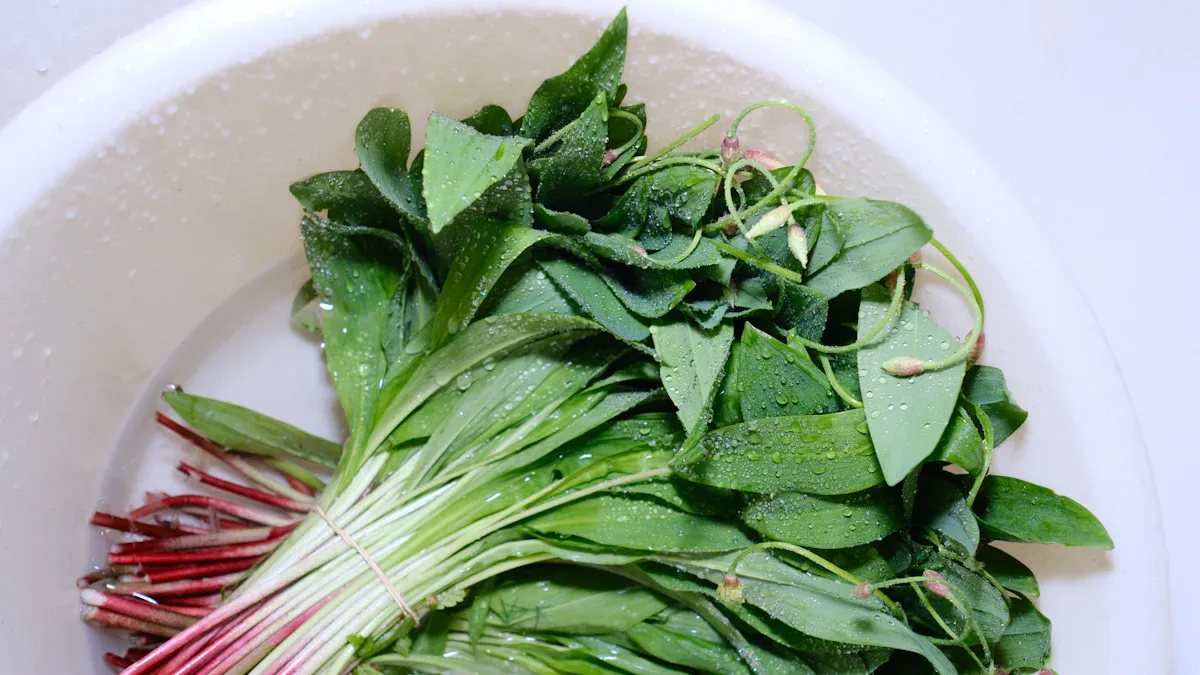
Proper preparation of amaranth greens ensures cleanliness and enhances flavor. Begin by washing your hands thoroughly with soap before handling the leaves. Next, chop off the roots while the bunch remains intact. If the roots are already removed, trim any dark stem tips. Separate the good leaves from the bunch, discarding any rotten, squished, or discolored ones. For smaller leaves like amaranth, pluck the good leaves and tender stalks, discarding the hard main stem.
To wash the leaves effectively:
Fill a large bowl with water and fully submerge the leaves.
Gently massage them with your fingertips for a few minutes to dislodge dirt.
Let them rest for about 2 minutes to allow dirt to settle at the bottom.
Carefully lift the leaves out of the water by hand or using a spider strainer. Avoid tilting the bowl to prevent settled dirt from mixing back in.
Repeat this step 2-3 times until no sediment is visible in the water.
Place the washed leaves in a colander to drain excess water. Optionally, spread them on newspaper to blot away remaining water. Wait a few minutes until they are dry.
Important Washing Tips:
Do not use hot or saline water. It will cause the leaves to wilt.
Never use soap or detergent. Residues can be harmful if ingested.
If you have a large quantity of leaves, wash them in batches. This ensures effective cleaning.
Cooking Methods and Recipes
Amaranth greens adapt well to various cooking methods. People commonly sauté, steam, or boil them. They also add them to soups and stews. Young leaves of Amaranthus dubius are often eaten raw or cooked.
Sautéing is a popular method for amaranth. Here are some simple recipes:
Garlic Balsamic Amaranth:
Ingredients: 1 1/2 tablespoons olive oil, 2 cloves garlic (diced), 1 bunch amaranth greens (coarsely chopped), 2 tablespoons balsamic vinegar, dash of red pepper flakes (optional), salt and pepper to taste.
Preparation: Heat olive oil over medium-high heat in a large pan. Sauté diced garlic for about 30 seconds. Add amaranth greens and stir frequently until wilted (about 4 minutes). Add balsamic vinegar and red pepper flakes, tossing to distribute. Add salt and pepper to taste. Remove from heat and serve immediately.
Spicy Amaranth with Onions and Tomatoes:
Ingredients: 4 Cups Washed and chopped Amaranth leaves, 1 cup thinly sliced yellow onion, 1/2 c chopped tomatoes, 1 tbs green garlic, 2-3 Thai Green chillies, 2 Anaheim peppers, 1/2 tsp turmeric, 1/2 tsp cumin seeds, 2 tsp oil, 1/2 tsp chili flakes (optional), salt to taste.
Instructions: Heat oil, add cumin until it crackles. Sauté onions and garlic until translucent. Add tomatoes, peppers, green chillies, turmeric and sauté until slightly cooked. Add amaranth leaves and salt, stir and cook until wilted and moisture dries. Sprinkle chili flakes if using, mix, and serve.
Steaming helps retain nutrients. Amaranth leaves can be steam blanched for about 5 minutes. This process helps preserve their nutritional content, especially when preparing them for drying. Boiling is another option, often used when adding amaranth to soups or stews.
Global Culinary Inspirations
Amaranth features prominently in many global cuisines. Its versatility makes it a staple in various traditional dishes.
In African cooking, amaranth leaves are a common ingredient. People know them as Efo Tete in Yoruba. They frequently use them in soups and stews. Examples include:
African Style Amaranth (mchicha)
Amaranth leaves (biteku teku) stew: This vegetable stew recipe uses amaranth leaves as a key ingredient. People know it by various names across Africa, including biteku-teku, efo tete, and ndunda.
Efo Riro (Nigerian Beef and Vegetable Stew): This popular recipe features fresh amaranth leaves, plum tomatoes, and smoky unrefined red palm oil. People often season it with ground crayfish, fermented nuts and seeds like locust beans, and ground red chile peppers. The amaranth used is often cockscomb amaranth, also known as efo shoko, Lagos spinach, or celosia, which has green leaves. In Uganda, people prepare young Amaranthus dubius leaves with onions, tomatoes, and peanut sauce.
Indian cuisine also embraces amaranth. Here are some traditional preparations:
Blanch raw amaranth greens in salted water for a few seconds until wilted, then shock in an ice bath. Squeeze out water and coarsely chop. Coarsely pulse or pound 1 teaspoon of salt with serrano, garlic, ginger, onion, and turmeric in a food processor or mortar and pestle. Cook the ground aromatics with oil in a skillet for 5 minutes. Add caraway and garum masala and cook for 5 more minutes. Add coconut milk and amaranth, then simmer for about 10 minutes until slightly thickened. Pan-fry paneer cheese on one side or warm it in the greens when adding coconut milk. Adjust seasoning for salt and serve with rice or flatbread.
Heat oil in a thick-bottom pan, add mustard and cumin seeds until they crackle. Add curry leaves, chana, and urad dals. Add turmeric and crushed garlic, sauté until fragrant. Add chopped onions and sauté until translucent, then add salt. Add chopped amaranth stems (dantu) and sauté for 3 minutes. Add amaranth leaves and red chili powder, mix, and cover for 3 minutes, stirring occasionally. Dry roast coriander seeds for 2 minutes, then add dry red chili, cumin, and sesame seeds, roasting for an additional 2-3 minutes. Blend the roasted spices with fresh garlic to make masala powder. Add the masala powder to the curry, mix well, sauté for a couple of minutes, adjust salt, and turn off the heat.
Wash and soak masoor and moong dals for 10 minutes. Wash and roughly chop amaranth leaves and stems. Heat oil in a pressure cooker, splutter mustard seeds, add green chili, hing, and cumin seeds. Sauté chopped tomatoes for a minute. Add chopped amaranth leaves to the sautéed tomato and sauté. Add drained dal and 3 cups of water. Add kootu podi, grated coconut, salt, and turmeric powder. Mix well. Close the pressure cooker and cook for 4 whistles. Let the pressure release naturally. Open the pressure cooker, mix well, and serve hot with rice.
Incorporating Amaranth into Meals
Adding amaranth in your diet is easy and beneficial for your health. Its nutritional value makes it a great addition to many meals.
For breakfast, consider these creative ideas:
Amaranth Pancakes: Finely chop amaranth leaves and incorporate them into pancake batter for added nutrition and a subtle green color.
Amaranth Porridge: Stir finely chopped amaranth leaves into a breakfast porridge made from cooked amaranth grain. This is similar to how people add spinach to savory porridges or oatmeal for a nutritional boost.
You can also boost the nutritional content of pasta sauces. Incorporate amaranth leaves into a homemade dried greens powder. This powder can then be added directly to pasta sauces. This simple step enhances the health benefits of your meals.
Growing Green Amaranth
Cultivation Basics
Green amaranth adapts to many soil types. It thrives best in fertile, well-drained loam. This plant prefers well-draining soil. An ideal pH is around 6-6.5, slightly acidic. Gardeners amend heavy clay or sandy soil with organic matter. The plant requires good deep soil for root anchorage. Green amaranth thrives in temperatures between 60°F and 85°F. It tolerates cold down to 20°F and heat up to 95°F. It grows well across the United States in hardiness zones 2a-11b. This crop needs adequate sunlight. It has low water needs. Oversaturation can cause diseased seedlings or moldy seeds. Heat does not bother this plant. It enjoys hot days and thrives when other crops wilt.
Planting and Care
Gardeners plant seeds initially 2-3 inches apart. They thin plants to 6-8 inches apart as they grow. Some varieties become quite large. For grain types, one plant per square is recommended. Callaloo amaranth can get quite large. One plant per square is suggested. For plants grown for cutting, a spacing of 12-18 inches apart is recommended. This allows for adequate growth. For Willow-leaf amaranth, a specific watering recommendation is 0.5 cups of water every 9 days. This applies when the plant is in a 5-inch pot and not exposed to direct sunlight. Gardeners water regularly. They allow the soil to dry out completely between watering sessions. Proper care ensures a healthy crop.
Harvesting Amaranth
For best flavor, gardeners harvest leaves when young, from early to midsummer. Young leaves are tender and taste similar to spinach. They contain less oxalic acid than mature leaves, which can affect flavor and nutrient absorption. Young greens are ideal for salads and sandwiches. Larger leaves suit cooking. For optimal tenderness, harvest young shoots. Plants can re-sprout after cutting. The ‘cut and come again’ method promotes continuous production. This technique involves harvesting outer leaves while preserving the central growing point. This enables ongoing production from a single plant, allowing multiple harvests.
Managing Pests and Diseases
Green amaranth is generally hardy. Gardeners monitor for common garden pests. Aphids and leaf miners sometimes affect these plants. Good garden hygiene helps prevent disease. Proper spacing promotes air circulation. This reduces fungal issues. A healthy plant resists pests and diseases better.
Green amaranth leaves offer exceptional nutritional value and culinary adaptability. This makes them a powerful addition to any healthy diet. Readers can easily incorporate amaranth in your diet. This nutrient-dense leafy green supports overall health. Its accessibility, whether from local markets or home gardens, makes it a valuable part of a healthy lifestyle. Embracing diverse and healthy leafy greens contributes significantly to well-being and good health. This plant promotes better health for everyone.