

Milled seeds create a smoother, faster-setting pudding when mixed with a liquid base and chilled briefly. The texture lands closer to custard than gel, and you avoid the speckled bite that whole seeds leave behind.
This guide covers the essentials of making ground chia seed pudding, including the best liquid balance, a lump-free mixing method, and chilling tips for anyone who wants a velvety breakfast or dessert base.
Key Takeaways
- Start at 1:4. One part ground chia to four parts liquid gives you a spoonable base with room to adjust.
- Stir in stages. A quick whisk after the first rest keeps dry pockets from forming.
- Pick liquid by texture. Milk, plant milk, yogurt, and juice each change body, sweetness, and density.
- Flavor early. Vanilla, sweetener, cocoa, or fruit puree mix in best before chilling.
- Top at the end. Fruit, nuts, coconut, and granola stay crisp when added just before serving.
- Ground chia sets fast. A short chill works, but overnight gives the cleanest spoonable texture.
Ground Chia Sets the Tone for a Silkier Pudding
Finely milled chia absorbs liquid faster than whole seeds, so the mixture thickens with less waiting and feels smoother on the tongue. That happens because the seed coat has already been broken, which gives water more surface area to work on and removes the crunchy specks you get from whole chia.
Why the texture changes
Whole chia forms a gel around each seed, which gives the classic tapioca look. Ground chia spreads that gel through the liquid, so the finished bowl feels closer to a custard. You get a cleaner spoonful, and the result works well in breakfast jars, snack cups, or a small dessert after dinner.
Why the set time changes
Because the particles are smaller, the mixture starts thickening within minutes instead of taking a long soak. That faster gel formation comes from soluble fiber, which swells as it meets liquid and creates body without cooking. In practical terms, the batch moves from thin to spoonable before the fridge has to do all the work.
That speed gives you more control, but it also means clumps can form fast, so the mixing method matters as much as the ingredients. Once you know that, the ratio becomes the next piece that keeps the texture creamy instead of heavy.
How the base comes together determines whether the seeds stay dispersed or turn into stubborn clumps.
The Ratio That Keeps Texture Creamy, Not Pasty
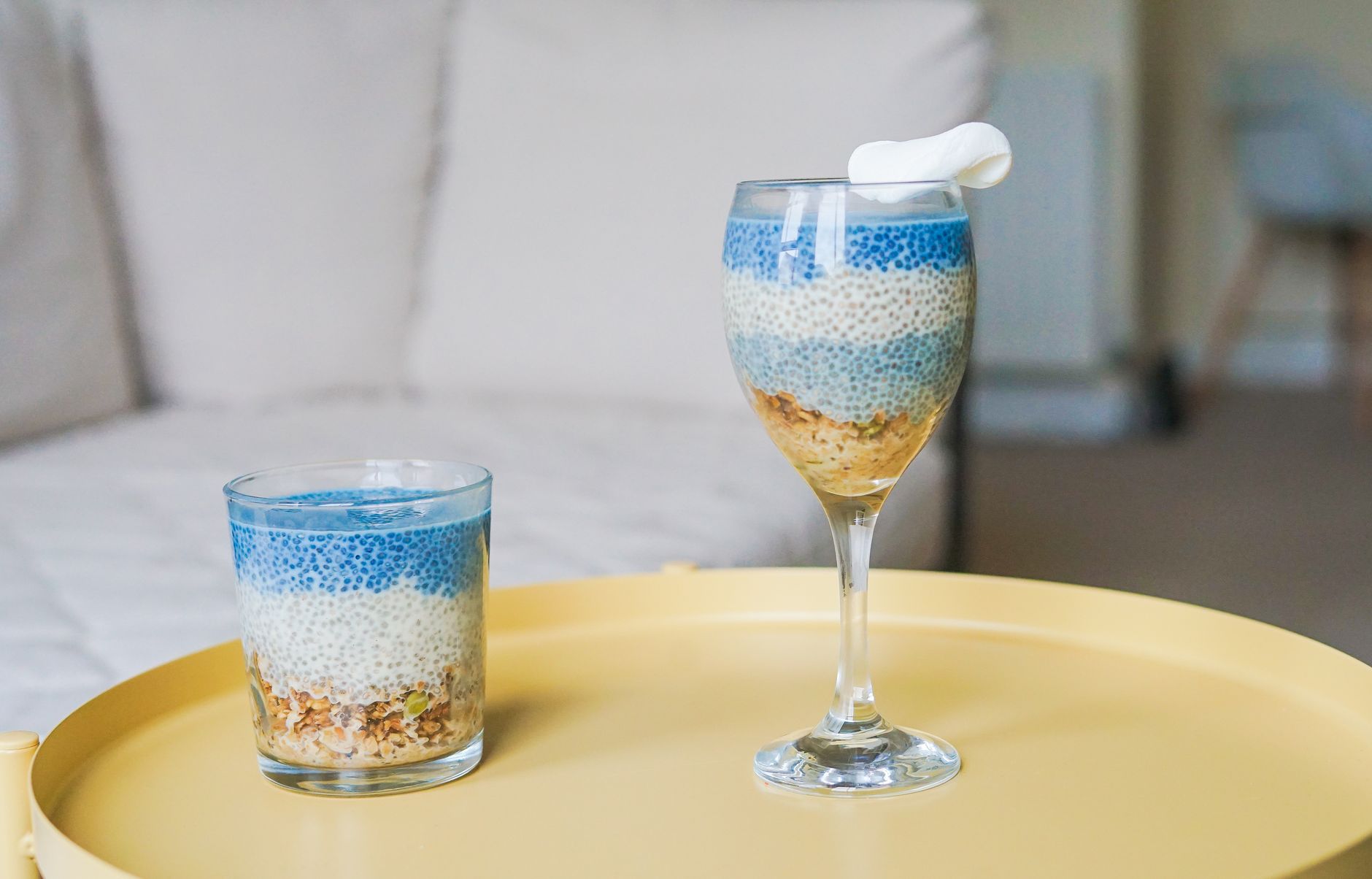
Start with one part ground chia to four parts liquid, then adjust after the bowl sets. That ratio gives you a spoonable base without turning into paste, and it leaves room for milk, yogurt, or juice to shift the body in different directions.
| Liquid base | Texture result | Flavor impact |
|---|---|---|
| Milk | Rich and smooth | Neutral, slightly sweet |
| Plant milk | Light to medium body | Depends on the blend; almond stays mild, oat tastes rounder |
| Yogurt | Thick and creamy | Tangy and fuller tasting |
| Juice | Soft and loose | Bright and fruit-forward |
Milk gives you the most familiar finish, while oat milk adds gentle body that suits vanilla and cinnamon. Yogurt makes chia pudding with yogurt feel dense and dessert-like, and juice shifts the bowl toward a lighter fruit cup. That choice changes sweetness too, so your sweetener may need to stay modest.
A slightly looser mix works well for meal prep because it tightens in the fridge, while a reduced liquid amount gives you a thicker spoonful for a layered jar. The trick is to change only one variable after the first batch, or you lose track of what shaped the final texture.
Almond, oat, and dairy all behave differently because protein, fat, and starch bind water in different ways. Oat milk tends to feel fuller because beta-glucans add body, while yogurt thickens through milk proteins and live cultures already present in the cup. That chemistry explains why the same ground chia pudding can feel airy in one liquid and dense in another.
That liquid choice also sets up the mixing step, because clump control depends on how quickly the seed meal hydrates. The next section shows you how to build a smoother base without chasing lumps around the bowl.
A smooth mixture still needs time in the cold to thicken fully and hold its shape.
A Fast Mixing Method That Prevents Clumps
The dry particles need contact with liquid in stages, not all at once. Dumping everything into a bowl invites little pockets that trap dust-dry chia inside, and those pockets stay gritty even after chilling.
Build the base in stages
Pour in most of the liquid, whisk in the ground chia, then add the rest after the mixture loosens. Vanilla extract, sweetener, cocoa powder, and fruit puree go in before the first chill, so the flavor spreads evenly through the batch. A blender helps with fruit puree, but a coffee grinder only handles the seed, not the finished pudding.
- Whisk the liquid. Start with milk, plant milk, yogurt, or juice in a medium bowl or jar.
- Add the ground chia. Sprinkle it in while whisking so the powder disperses evenly.
- Blend in flavor. Stir in vanilla, sweetener, cocoa powder, cinnamon, or fruit puree before chilling.
- Pause briefly. Let the mixture stand for 5 to 10 minutes so it starts to swell.
- Stir again. Break up the early gel before the cold sets the texture in place.
Use the right tool for the seed
A spice grinder or coffee grinder turns whole chia into a fine meal in seconds, and a blender works too if you already have fruit in the mix. Ground seed stores better if you keep it dry and sealed, because humidity can start the same swelling process you want in the bowl, only in a far messier way.
Dry chia meal clumps faster than whole seeds once liquid hits it, so a second stir is not optional. That small pause is what turns a lumpy batch into a smooth one.
Once the mix is even, the fridge finishes the job. The chill period decides whether you get a pudding that holds a spoon or a bowl that still feels thin at breakfast.
Once the pudding has set, small flavor changes can make it feel entirely new.
Overnight Chilling for the Cleanest Set
The mixture thickens in two stages, and the first one starts within minutes. A longer rest in the refrigerator lets the fiber network finish absorbing liquid, which gives you the cleanest texture and the most even spoonful.
- Early thickening. The first 10 to 15 minutes bring the biggest change in body.
- Cold setting. Several hours in the refrigerator smooth out the texture and reduce any loose liquid.
- Overnight finish. A next-day rest gives the most stable result for make-ahead jars.
Ground chia usually firms up faster than whole-seed pudding, so a short chill can work for same-day serving. For breakfast the next day, a jar mixed before bed gives you the most even set by morning, and it travels well in a sealed container.
That timing also helps during meal prep, since you can mix several jars at once and let the refrigerator do the work. Once that base is set, flavor is the easiest place to add variety without changing the texture rules.
Toppings and storage matter because they can preserve that texture or quietly undo it.
Flavor Paths From Vanilla to Chocolate
A plain vanilla base gives you the widest range of options because it stays neutral enough for fruit, spice, or cocoa powder. Sweetener choice matters here too, since maple syrup brings a round flavor, honey tastes floral, and date syrup adds a deeper caramel note.
Start with vanilla, then branch out
Vanilla extract and a small amount of sweetener give the bowl balanced flavor without making it taste heavy. From there, cocoa powder turns the mix into chocolate chia pudding, cinnamon makes it taste warm, berry puree adds brightness, and mango or pineapple pushes it toward a tropical jar.
Ground chia seed pudding also handles yogurt well, which gives you a thicker spoonful and a sharper flavor edge. That works well with berries or cocoa because the tang keeps the bowl from tasting flat.
Use simple flavor pairings
Chocolate and banana form a familiar pair because banana adds body and mild sweetness. Berry puree with vanilla tastes lighter, while mango with coconut milk gives a softer, creamier finish. Each pairing changes how much sweetener you need, so taste the liquid base before you commit to a full jar.
- Vanilla and berry. Fresh berries add color, acid, and a clean finish.
- Chocolate and banana. Cocoa powder and banana make a dense, dessert-style cup.
- Cinnamon and apple. Diced apple adds crunch while cinnamon gives warmth.
- Mango and coconut. Coconut milk deepens the texture and softens tart fruit.
These flavor paths also fit a cholesterol-conscious or satiety-focused breakfast pattern because chia seeds carry fiber and omega-3 fatty acids. That does not make the bowl a treatment for anything, but it does explain why the texture feels filling for a small serving.
Those flavor choices matter most once the base is chilled, because toppings and storage can either sharpen the result or flatten it. The last step is keeping the texture steady until you serve it.
With those fixes in mind, the main takeaway becomes easier to keep straight.
Serving, Storage, and Texture Fixes That Save the Batch
Crisp toppings make the soft base feel complete, and they add contrast that keeps each bite interesting. Fruit, chopped nuts, coconut flakes, and granola all work, but granola should go on at the last minute so it stays crunchy.
Top it with texture
Fresh strawberries, blueberries, sliced banana, toasted almonds, pumpkin seeds, and shredded coconut all add a different kind of bite. A spoonful of jam or fruit compote works too, although it softens faster than fresh fruit and changes the sweetness of the whole bowl.
Refrigerated chia pudding keeps for about 4 to 5 days in a sealed container. Toppings belong on top right before serving, since berries leak, nuts soften, and granola loses its snap once it sits in the liquid.
Fix the most common texture problems
Thin pudding needs another short chill or a small amount of extra ground chia whisked in, followed by a second rest. Thick pudding loosens with a splash of milk or plant milk, while gritty pudding often needs a brief reblend or a more thorough whisk before cooling.
Too much seed meal can make the bowl feel dry and heavy, so add liquid in small splashes. A loose mix can always thicken in the fridge, but a stiff one needs more help.
One cup of prepared chia pudding can fit neatly into a breakfast plan that leans on fiber for fullness, but satiety depends on the rest of the meal too. Pairing it with fruit or yogurt gives you more volume, while nuts add fat that slows the pace of eating.
That balance is why ground chia seed pudding works so well for meal prep: it is flexible, fast, and easy to correct before serving. Once you know how the liquid behaves, the batch becomes far less fussy than it looks.
What to Remember
The texture lives or dies on the ratio, the stir, and the chill. Keep the mix near one part ground chia to four parts liquid, stir it twice, then give it enough refrigerator time to settle into a smooth spoonful. From there, vanilla, cocoa, fruit, or yogurt can take it in almost any direction.
FAQ
What is the ratio for ground chia seed pudding?
Start with one part ground chia to four parts liquid. That ratio gives you a spoonable base, and you can nudge it looser or thicker after the first batch sets in the fridge.
Do you need to grind chia seeds before making chia pudding?
Whole seeds work, but grinding them gives a smoother texture and faster thickening. You also lose the seed-by-seed chew, so the bowl feels closer to a creamy custard than a gel with specks.
How long does ground chia seed pudding need to chill?
The mix starts thickening within minutes, but several hours in the refrigerator gives the cleanest set. Overnight chilling works well for meal prep and gives you the most even texture the next day.
Can you make chia pudding with yogurt or dairy-free milk?
Yes, yogurt adds body and a tangy edge, while dairy-free milk changes thickness based on the blend. Oat milk tends to feel fuller, almond milk stays lighter, and coconut milk brings a richer mouthfeel.
Is chia seed pudding good for weight loss?
Chia seeds contain fiber and omega-3 fatty acids, so the bowl can fit a satiety-focused eating pattern. Portion size, toppings, and total calorie intake still matter, and your overall meal plan matters more than any single ingredient.
