


You might wonder if the keto diet helps or harms your health. Many people choose keto for weight loss or better blood sugar control. Recent studies show keto can improve heart health by lowering blood pressure and helping you lose weight. Some people see real Health Benefits. However, you may face risks like low blood pressure, kidney stones, constipation, or nutrient gaps. Keto is popular, but not for everyone. Before you start keto, talk to your doctor to make sure it fits your needs.
Key Takeaways
The ketogenic diet can aid in weight loss by shifting your body to burn fat for energy instead of carbs.
Keto may improve blood sugar control, making it beneficial for those with diabetes or prediabetes.
Be aware of potential nutrient deficiencies when following keto; include a variety of nutrient-dense foods.
Monitor your heart health, as the keto diet can affect cholesterol levels; consult your doctor if you have concerns.
Always seek medical advice before starting keto, especially if you have existing health conditions.
Ketogenic Diet Overview

What Is Keto?
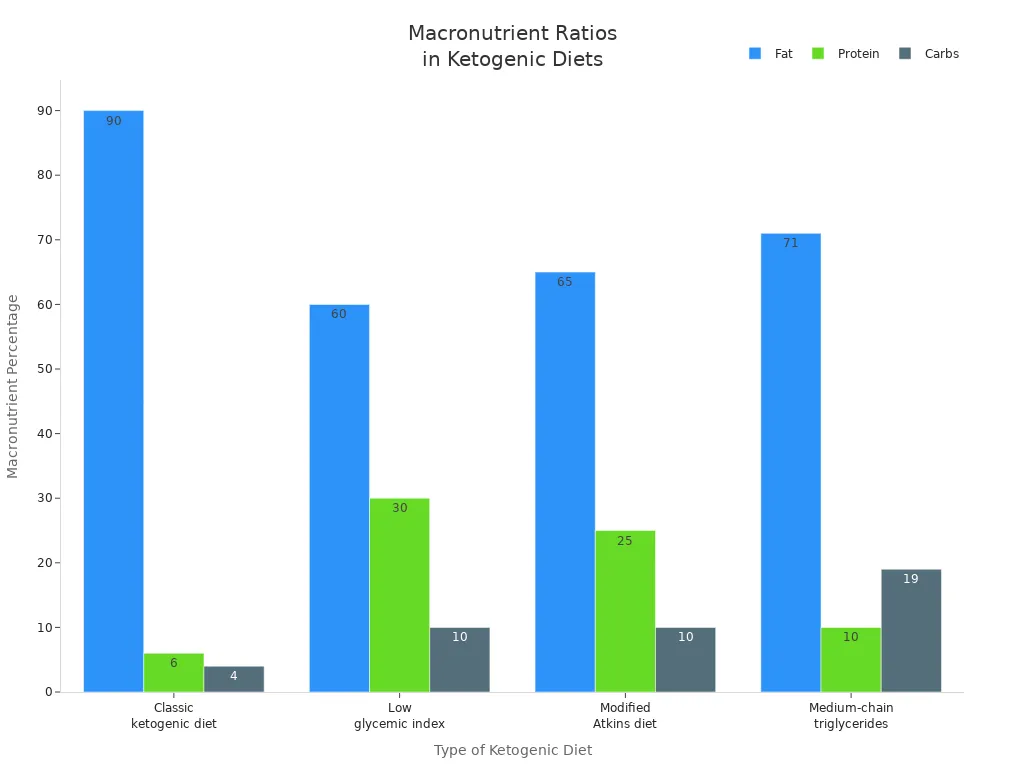
You may hear people talk about the keto lifestyle. This approach centers on a very low carb, high fat, and moderate protein diet. The main goal is to change how your body gets energy. Instead of using glucose from carbs, your body uses fat as its main fuel. This process is called ketosis. The ketogenic diet comes in several forms, but most share similar macronutrient ratios.
Type of Ketogenic Diet | Fat (%) | Protein (%) | Carbs (%) |
|---|---|---|---|
Standard ketogenic diet (SKD) | 70 | 20 | 10 |
Classic ketogenic diet | 90 | 6 | 4 |
Modified Atkins diet | 65 | 25 | 10 |
Low glycemic index treatment | 60 | 30 | 10 |
Tip: The keto diet is not just one plan. You can find several versions, but all focus on high fat and low carb intake.
How It Works
When you follow a keto diet, you eat so few carbs that your body must switch its energy source. Your liver starts to break down fats into molecules called ketone bodies. These ketones replace glucose as your main energy supply. This shift is known as ketosis. You may notice your body burns fat more efficiently. Some people experience weight loss and better blood sugar control.
Aspect | Ketogenic Diet | Standard Diet |
|---|---|---|
Main Energy Source | Ketone bodies | Glucose |
Fat Use | High (fat oxidation and ketone use) | Low (mainly carb use) |
Glucose Tolerance | Improved | Standard |
Gut Microbiome | Changes in gut bacteria | Typical gut bacteria |
Typical Foods
You will find that the keto diet includes many high-fat foods and avoids most carbs. Here is a quick guide:
Included Foods:
Avocados, nuts, and seeds
Olive oil, coconut oil, butter
Leafy greens, broccoli, and other non-starchy vegetables
Cheese and other low-carb dairy
Meat, fish, and eggs
Berries (in small amounts)
Excluded Foods:
Bread, pasta, rice, and other grains
Potatoes, corn, and other starchy vegetables
Most fruits except for berries
Beans and lentils
Sugar, honey, and sweetened foods
Milk (due to sugar content)
Note: The keto diet focuses on foods that keep your carb intake very low. Always check food labels to avoid hidden sugars.
Health Benefits
Weight Loss
You may notice that many people choose the keto diet for weight loss. This diet changes how your body uses energy. When you eat very few carbs, your body starts to burn fat for fuel. This process can help you lose weight faster than some other diets. Studies show that people on keto often lose more weight in the first few months compared to those on low-fat diets.
Keto helps you feel full longer. The diet increases the release of satiety hormones and lowers the hunger hormone ghrelin. You may find it easier to eat less without feeling hungry all the time. Some people lose weight from both fat and lean mass, but most of the loss comes from fat.
Tip: Drinking enough water and eating enough fiber can help you avoid constipation while losing weight on keto.
Blood Sugar Control
The keto diet can help you manage blood sugar levels, especially if you have diabetes or prediabetes. Eating fewer carbs means your blood sugar does not spike as much after meals. Research shows that people with type 2 diabetes who follow a keto diet often see big improvements in blood sugar control.
Study | Participants | Duration | Key Findings |
|---|---|---|---|
Westman et al. (2008) | 84 obese diabetic patients | 24 weeks | Significant reduction in HbA1c and diabetic medications eliminated in 95.2% of LCKD group |
Hussain et al. (2012) | 363 overweight and obese subjects (102 with T2D) | 24 weeks | Significant reduction in blood glucose levels and HbA1c with LCKD (p<0.0001) |
Goday et al. (2016) | 89 obese diabetic patients | 4 months | Decreased fasting glucose, HbA1c, and triglycerides in VLCKD group |
Saslow et al. (2017) | 25 obese diabetic patients | 32 weeks | Significant reduction in HbA1c and triglycerides in VLCKD group |
You can also see improvements in insulin sensitivity. Many studies report lower HOMA-IR scores, which means your body uses insulin better. This effect helps lower the risk of diabetes and supports long-term health.
Study Type | HOMA-IR Reduction | Population Characteristics |
|---|---|---|
Controlled Clinical Trial | -2.0 | Obese individuals without diabetes (6 weeks) |
Meta-Analysis | -0.4 to -3.4 | Various studies, including obese diabetic patients |
Notable Study | -3.4 | Obese diabetic patients (BMI > 30 kg/m²) |
Neurological Effects
The keto diet started as a treatment for epilepsy. Doctors found that it could reduce seizures in children who did not respond to medicine. Today, you can see the diet used for other brain conditions as well. Research shows that keto may help with Alzheimer’s disease, Parkinson’s disease, and autism spectrum disorder.
Study | Condition | Intervention | Duration | Results |
|---|---|---|---|---|
Taylor et al. | Alzheimer’s Disease | Ketogenic Diet | 12 weeks | Significant improvements in memory and cognition. |
Vanitallie et al. | Parkinson’s Disease | Ketogenic Diet | 28 days | Mean total decrease in UPDRS scores of 43.4%. |
Evangeliou et al. | Autism Spectrum Disorder | Ketogenic Diet | 6 months | Improved behavior, cognition, and communication. |
You may wonder how keto helps the brain. Here are some key mechanisms:
The diet reduces inflammation in the brain and lowers harmful molecules called reactive oxygen species.
It helps your brain cells make more energy by boosting mitochondria.
Keto gives your brain an alternative fuel when glucose is low.
The diet changes gut bacteria, which can affect mood and thinking.
Ketone bodies protect brain cells and support healthy brain function.
Note: Doctors often use the keto diet to treat epilepsy in children and adults who do not respond to regular medicine.
Other Benefits
You can find more health benefits from the keto diet beyond weight loss and blood sugar control. Many people report feeling less hungry. The diet lowers the hunger hormone ghrelin and increases satiety hormones. You may find it easier to stick to your eating plan.
Keto can improve some cholesterol markers, but results vary. Some people see lower triglycerides and higher HDL (good cholesterol), while others may see higher total cholesterol.
The diet may help with acne, as it lowers insulin and reduces inflammation.
Some studies show that keto can help manage obesity and lower the risk of heart disease.
Doctors use the diet to treat epilepsy, with a 30–40% reduction in seizures compared to standard care.
Early research suggests possible benefits for certain cancers and neurological diseases.
Callout: The keto diet has a long history as a treatment for epilepsy. Today, you can see it used for many other health conditions.
Potential Risks

When you consider the ketogenic lifestyle, you need to know what potential risks may come with it. While many people see benefits, the keto diet can also cause health problems if you do not follow it carefully. Here is what you should watch for:
Nutrient Deficiencies
You may face nutrient deficiencies when you follow a strict keto diet. This happens because you cut out many fruits, grains, and some vegetables. These foods provide important vitamins and minerals. Common nutrient deficiencies reported among people on keto include:
Folate (B9)
Biotin (B7)
Selenium
Choline
Vitamins A, E, D
Chromium
Iodine
Magnesium
Molybdenum
You can lower your risk of deficiencies by making smart choices. Try to eat a variety of nutrient-dense foods, such as leafy greens, nuts, seeds, and lean proteins. Drink plenty of water and plan your meals ahead of time. If you feel unsure, consult a healthcare consultant before starting the diet. Regular exercise and gradual changes can also help your body adjust.
Heart Health
You might wonder what the keto diet does to your heart. Research shows mixed results. Some studies link keto to higher LDL cholesterol, while others do not show big changes. You may see improvements in triglycerides, blood pressure, and blood sugar control. The size and volume of LDL particles may increase, which could lower heart disease risk. However, higher total cholesterol and LDL cholesterol levels can raise concerns.
The diet often improves triglyceride levels, blood pressure, weight, and glycemic control.
Some people see higher total cholesterol and LDL cholesterol, so you should monitor these levels.
The impact on heart health may depend on your genetics and how long you stay on the diet.
Long-term studies give mixed answers. One study found that a keto diet every other day protected against heart failure, but continuous use for eight weeks did not. Another study showed that high levels of β-hydroxybutyrate (BHB), a ketone body, linked to a higher risk of heart failure in some people, especially women. You should talk to your doctor if you have a history of heart disease or high cholesterol.
Kidney and Digestive Issues
You may also face kidney and digestive problems on keto. Kidney stones are more common in people on this diet than in the general population.
Evidence Type | Finding | Incidence |
|---|---|---|
Kidney Stones | Pooled incidence in ketogenic diet patients | 5.6% |
General Population | Annual incidence in men | 0.3% |
General Population | Annual incidence in women | 0.25% |
Uric acid stones are the most common type, followed by calcium-based stones. The diet can cause changes in your urine, such as lower citrate levels, which normally protect against stones. Acidosis from high protein and low alkali intake can also play a role.
Digestive issues like constipation are frequent. You may get constipated because the diet is low in fiber. To help your digestion, increase your water intake and eat high-fiber, keto-friendly foods like leafy greens, nuts, seeds, and avocados. Gradually starting the diet and focusing on whole foods can also help your gut adjust.
Who Should Avoid Keto
Some people should not try the keto diet due to health risks. If you have certain medical conditions, the diet may be unsafe. You should avoid keto if you have:
Impaired liver function
High triglycerides that could cause pancreatitis
Gall bladder diseases
Poor nutritional status
Abdominal tumors
Decreased gastrointestinal motility
Other conditions that make keto unsafe include:
Pyruvate carboxylase deficiency
Porphyria
Fat metabolism disorders
Carnitine deficiency (primary)
Carnitinepalmitoyltransferase (CPT) I or II deficiency
Carnitinetranslocase deficiency
Medium-chain, long-chain, or short-chain acyl dehydrogenase deficiency
Long-chain or medium-chain 3-hydroxyacyl-CoA deficiency
Abnormal blood chemistry
History of pancreatitis or kidney failure
Active gall bladder disease
Gastric bypass surgery
Impaired gut function
Note:
A gestational ketogenic diet can harm fertility and increase the risk of fatal ketoacidosis during lactation. Prenatal and early postnatal exposure to keto may change brain structure and slow growth in newborns. Animal studies show that high ketone levels can cause abnormal development in embryos.
Children, pregnant women, and people with certain metabolic disorders face higher risks. The diet is not usually recommended for adults with epilepsy, except in special cases. If you have diabetes, you must watch for diabetic ketoacidosis, a dangerous condition where ketone levels get too high. Always talk to your doctor before starting keto, especially if you have any of these health issues.
Safety and Myths
Common Misconceptions
You may see many myths about the keto lifestyle on social media. Some people believe that your body goes into a dangerous state called ketoacidosis when you follow this diet. In reality, ketosis is a natural process that helps your body burn fat for energy. Ketoacidosis is a serious condition linked to diabetes, not to the keto diet itself. Another common myth is that all low-carb diets are the same. Researchers often use different definitions for “low carb,” which can cause confusion. You might also hear that you can eat unlimited fats and still stay healthy. The truth is, the quality of your food matters. Personalizing your approach and focusing on whole foods will help you get the most benefit from keto.
Safe Practices
You can follow some best practices to make your keto journey safer. Start your diet when your schedule is less busy, so your body can adjust. Manage your electrolytes by adding salt to your food and eating non-starchy vegetables. Keep your protein intake moderate, since too much protein can stop ketosis. Prepare for the “keto flu,” which may cause fatigue or digestive issues in the first week. If you follow a vegan lifestyle, you may find keto hard to maintain because of limited protein sources.
Tip: Drink plenty of water and eat a variety of keto-friendly foods to avoid nutrient gaps.
Medical Guidance
You should watch for certain symptoms when following a keto diet. If you notice changes in liver function, headaches that last more than a week, or severe fatigue, seek medical advice. Gastrointestinal problems like nausea or vomiting may also need attention. Signs of hyperketosis, such as rapid breathing or irritability, mean you should stop the diet and talk to a doctor.
Symptoms | What They Mean |
|---|---|
Changes in liver function tests | May need medical evaluation |
Persistent headaches | Seek help if they last longer than a week |
Fatigue | Could signal dehydration or nutrient issues |
Severe digestive problems | Monitor for nausea or vomiting |
Signs of hyperketosis | Rapid breathing, irritability, lethargy |
Healthcare professionals, especially dietitians, play a key role in guiding you through keto. They help you personalize your plan, monitor your health, and provide support. Most experts agree that strong scientific evidence and clear guidelines are important for safe use of the diet.
You have learned what health benefits and risks come with the ketogenic diet. Keto may help you lose weight, improve blood sugar, and support heart health. You might face side effects like headaches, digestive issues, or vitamin deficiencies. The diet is not a one-size-fits-all solution. What works for one person may not work for you. Before starting or stopping keto, talk to your healthcare provider. Think about what fits your health goals, lifestyle, and what you can maintain long term.
📝 Tip: Personal preferences and medical needs should guide your decision about the ketogenic lifestyle.
FAQ
What is ketosis and how do you know you are in it?
Ketosis happens when your body uses fat for energy instead of carbs. You may notice less hunger, more energy, or a fruity smell on your breath. You can use urine or blood test strips to check ketone levels.
What foods should you avoid on a ketogenic diet?
You should avoid bread, pasta, rice, potatoes, most fruits, beans, and sugary foods. These foods have high carb content. Always check food labels for hidden sugars or starches.
What side effects might you experience when starting keto?
You may feel tired, get headaches, or have digestive issues like constipation. Some people call this the “keto flu.” Drinking water and eating more fiber can help you feel better.
What groups should not follow the ketogenic diet?
Children, pregnant women, and people with liver, kidney, or metabolic disorders should avoid keto. You should talk to your doctor if you have health concerns before starting this diet.
What can you do to make keto safer and easier?
You can plan meals, drink plenty of water, and eat a variety of keto-friendly foods. Tracking your nutrients and working with a dietitian helps you avoid deficiencies and side effects.