

Fonio is an ancient grain that you may know as a rising superfood. Many people choose fonio because it is gluten-free and rich in fiber, protein, iron, and zinc. You get a food with a low glycemic index that helps support your health. The global market for fonio keeps growing fast, showing more people want this grain:
The fonio market size in 2024 is projected to be USD 98.7 million, with a CAGR of 9.2% from 2025 to 2033.
The market is expected to reach USD 218.3 million by 2033.
You can see how fonio compares to other grains in the table below:
Nutrient | Fonio (per ½ cup cooked) | Comparison to Other Grains |
|---|---|---|
Protein | 3 grams | Similar to white & brown rice |
Calcium | Higher than many grains | N/A |
Thiamine (B1) | 0.015 mg (12.5% RDI) | N/A |
Fiber | Moderate | N/A |
Gluten-Free | Yes | N/A |
You find fonio packed with B vitamins, calcium, iron, copper, zinc, and magnesium. Many health-conscious eaters now look to fonio for its unique nutrition and the Health Benefits of Fonio.
Key Takeaways
Fonio is a gluten-free superfood rich in fiber, protein, and essential nutrients, making it a great choice for health-conscious eaters.
With a low glycemic index, fonio helps manage blood sugar levels, making it suitable for those with diabetes or looking for steady energy.
Fonio’s high fiber content promotes digestive health and helps you feel full, supporting weight management.
This ancient grain cooks quickly and can be used in various dishes, from salads to baked goods, adding nutrition and variety to your meals.
Fonio is safe for gluten-free and vegan diets, making it a versatile option for many dietary needs.
What Is Fonio?
Ancient Grain Origins
You discover fonio as an ancient grain with deep roots in West African history. People have cultivated this african heritage grain for thousands of years. Archaeologists found the earliest remains of white fonio at the Late Tichitt site in Mali, dating back to 850 BC. This makes fonio one of the oldest domesticated grains in Africa. You see fonio as an ancient african superfood that has nourished generations.
Type of Fonio | Domestication Region | Earliest Known Remains | Date |
|---|---|---|---|
White Fonio | Inland Delta, Mali | Late Tichitt site | 850 BC |
Black Fonio | Nigerian Highlands | N/A | N/A |
Farmers in Guinea, Nigeria, and Mali continue to grow fonio today. Guinea leads production with over 483,000 tonnes in 2021. Nigeria and Mali also contribute significant amounts. You recognize fonio as a symbol of african heritage grain and resilience.
Types of Fonio
You find two main types of fonio: white fonio (Digitaria exilis) and black fonio (Digitaria iburua). Each type has unique features.
Characteristic | White Fonio (Digitaria exilis) | Black Fonio (Digitaria iburua) |
|---|---|---|
Height | Shorter than 1.4 m | Can reach up to 1.4 m |
Spikelet Color | White to fawn yellow | Reddish or dark brown |
Distribution | Senegal to Chad | Jos-Bauchi Plateau, Nigeria, northern Togo, Benin |
White fonio grows across West Africa, while black fonio is more limited to certain regions. You notice that both types offer nutritional benefits and versatility in cooking.
Why Fonio Is Popular
You see fonio gaining popularity for several reasons. This ancient grain is gluten-free and contains 2-3 times more fiber than white rice. You get a complete protein source, as fonio provides all nine essential amino acids. This appeals to vegetarians, vegans, and anyone seeking plant-based nutrition. Fonio also supplies iron, magnesium, and B vitamins, which support energy and overall health.
Tip: You can use fonio as a side dish, add it to baked goods, or substitute it for rice in your favorite meals.
You notice that fonio supports sustainable agriculture. Farmers grow fonio in tough climates, helping local communities and the environment. As more people learn about fonio, you see it celebrated as an ancient grain and a nutritious choice for modern diets.
Nutritional Benefits of Fonio
Key Nutrients
You discover fonio as a whole grain with a rich nutrient profile. This grain stands out as a nutritional powerhouse because it contains important vitamins and minerals. You get fiber, protein, iron, zinc, and B vitamins when you eat fonio. The following table shows the concentrations of these nutrients per 100 grams:
Nutrient | Concentration per 100g |
|---|---|
Fiber | 0.30 g |
Protein | 10.69 g |
Iron | Rich in Iron |
Zinc | Source of Zinc |
B Vitamins | B1 and B3 |
You benefit from magnesium and phosphorus in fonio, which help support bone health and energy production. Fonio is gluten-free, so you can enjoy it even if you have gluten sensitivities. You find that fonio contains more protein and fiber than brown rice, making it a smart choice for boosting your daily nutrition.
Tip: You can cook fonio in just five minutes, which makes it a convenient option for busy days.
Low Glycemic Index
You may wonder how fonio affects your blood sugar. Fonio has a glycemic index of 57, which is lower than white rice, wheat, and corn. The table below compares the glycemic index of fonio to other grains:
Grain | Glycemic Index |
|---|---|
Fonio | 57 |
White Rice | Higher |
Wheat | Higher |
Brown Rice | 50 |
Durum Wheat | 47 |
Corn | Higher |
You see that fonio’s resistant starch content, especially in the brown variety, supports a healthy gut microbiome and helps slow down the release of sugar into your bloodstream. Scientific studies show that fonio’s slowly digestible starches lead to a gradual rise in blood sugar. This makes fonio a good choice for people who want to manage diabetes or maintain steady energy levels.
Study Focus | Key Finding |
|---|---|
Resistant starch in brown fonio | Supports gut health and low glycemic impact |
Systematic review of millets (including fonio) | Lower mean glycemic index than rice and refined wheat |
Glycemic index of white and brown fonio | Both varieties have low glycemic index, helpful for blood sugar management |
Slowly digestible starches in fonio | Gradual release of blood sugar, supports diabetes and obesity control |
Plant-Based Protein and Amino Acids
You get high-quality plant-based protein from fonio. This whole grain contains about 7% protein by weight. Fonio’s amino acid profile is unique because it provides methionine and cystine, which are rare in other grains. These sulfur-containing amino acids help support muscle function, exercise recovery, and metabolism.
Amino Acid | Quantity (g/100g) |
|---|---|
Lysine | 0.160 |
Arginine | 0.160 |
Cysteine | 0.180 |
Methionine | 0.384 |
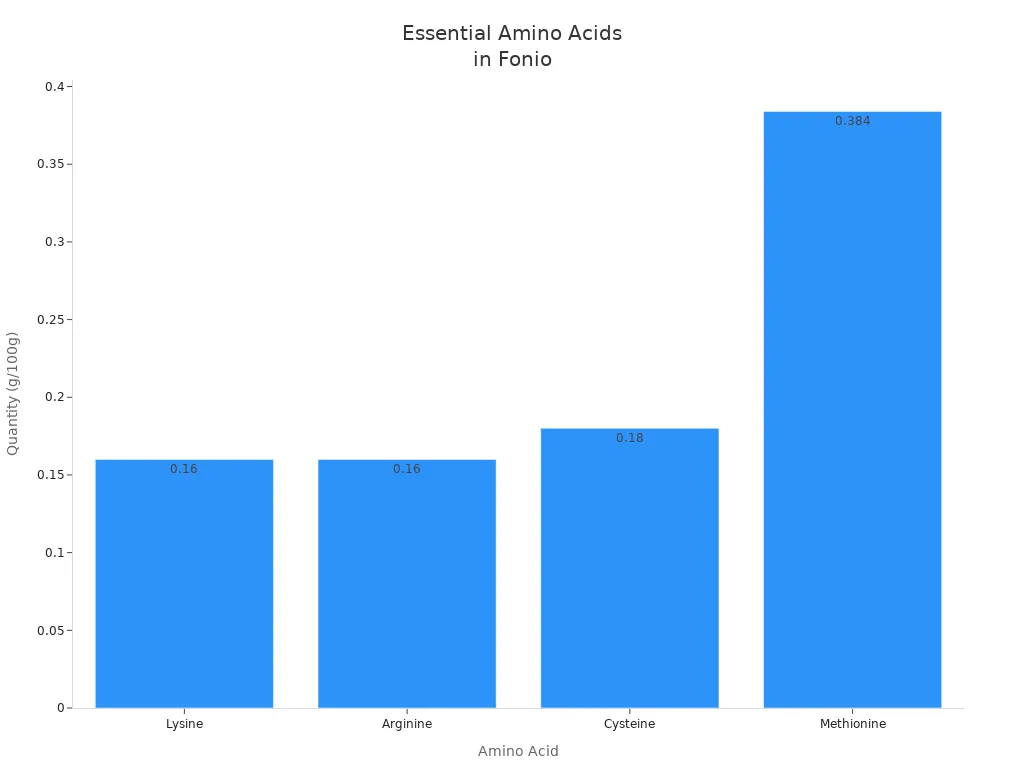
You find that fonio contains all nine essential amino acids, which makes it a complete protein source. This is important for people who follow plant-based diets. Fonio’s protein and fiber content is two to three times higher than brown rice. You can use fonio to add variety and nutrition to your meals.
Note: Fonio’s quick cooking time means you can prepare healthy meals in minutes.
You see that the nutritional benefits of fonio make it a smart choice for anyone who wants to improve their nutrition. You get a whole grain that is gluten-free, nutrient-dense, and easy to prepare. Fonio’s nutrient profile supports your health and fits into many diets.
Health Benefits of Fonio
Digestive Health
You may wonder what makes fonio good for your digestive system. Fonio contains a rich amount of fiber, which helps your body move food smoothly through your digestive tract. When you eat fonio, you support regular bowel movements and help prevent constipation. People with gluten sensitivity or celiac disease can enjoy fonio because it is naturally gluten-free. This makes it a safe grain for many who have trouble digesting wheat or barley.
Fonio is also easy to digest. The small grain size and soft texture mean your stomach does not have to work hard to break it down. Researchers have found that the way fonio’s cell walls stay intact during cooking helps your body digest starch more efficiently. Larger fonio particles slow down starch digestion, which can be helpful for your gut. These qualities show why the health benefits of fonio include better digestive comfort and support for people with sensitive stomachs.
Tip: If you want a gentle grain that supports your digestive health, fonio is a smart choice.
Blood Sugar Support
You might ask what makes fonio different from other grains when it comes to blood sugar. Fonio has a low glycemic index. This means your body absorbs it slowly, so you do not get sudden spikes in blood sugar. People who want to manage their blood sugar levels can benefit from adding fonio to their meals.
Fonio contains resistant starch. This type of starch passes through your small intestine without breaking down. As a result, it does not raise your blood sugar quickly. The fiber and plant-based protein in fonio also help keep your blood sugar steady. Studies show that eating fonio as part of your diet can lead to lower blood glucose levels. The American Diabetic Association points out that fiber in foods like fonio plays a key role in controlling blood sugar. These facts highlight the health benefits of fonio for people who want stable energy and better blood sugar management.
Grain | Glycemic Index | Blood Sugar Impact |
|---|---|---|
Fonio | Low | Slow, steady increase |
White Rice | High | Rapid spike |
Wheat | High | Rapid spike |
Weight Management
You may look for foods that help you feel full and satisfied. Fonio stands out because its fiber content helps you feel full after eating. When you feel full, you are less likely to snack between meals. This can help you manage your weight more easily.
Fonio’s low glycemic index also means you get steady energy without crashes. You avoid the hunger that comes from sudden drops in blood sugar. The plant-based protein in fonio supports muscle health, which is important when you want to maintain a healthy weight. By choosing fonio, you add a nutrient-dense grain to your meals that supports your overall wellness.
Note: The health benefits of fonio make it a valuable part of a balanced diet for anyone interested in weight management and long-term health.
Fonio for Special Diets
Gluten-Free
You may look for grains that fit gluten-free diets. Fonio stands out because it is naturally gluten-free, making it safe for people with celiac disease or gluten intolerance. You get a grain that does not contain wheat, barley, or rye. Fonio’s gluten-free properties mean you can enjoy it without worrying about digestive discomfort. Many people choose fonio for gluten-free recipes, such as breakfast porridge, salads, or side dishes.
Fonio is one of the most nutritious cereals available.
Rich in methionine and cysteine, which support your body’s functions.
Traditionally eaten as a healthy first meal in many cultures.
High in calcium and iron compared to other grains.
Linked to benefits like preventing constipation and supporting heart health.
Tip: You can add fonio to your meals for a safe and nutritious gluten-free option.
Low FODMAP
You may need foods that are gentle on your digestive system. Fonio fits well into a low FODMAP diet because it does not contain fermentable sugars that can cause bloating or discomfort. You can eat fonio if you have sensitive digestion or want to avoid foods that trigger symptoms. The fiber in fonio helps keep your gut healthy, and its easy-to-digest nature makes it a good choice for people with digestive concerns.
Fonio promotes gut health by introducing diverse plant-based foods.
Linked to better gut microbiome diversity, which supports overall wellness.
Contains unique amino acids that help with protein synthesis.
Vegan-Friendly
You may follow a vegan diet and look for grains that provide complete nutrition. Fonio is a plant-based food that offers essential amino acids, including methionine and cysteine. You get minerals like calcium, iron, zinc, magnesium, and copper. Fonio also contains more fiber than white rice, which supports your digestive health.
Nutrient | Description |
|---|---|
Essential Amino Acids | Fonio provides all essential amino acids, especially methionine. |
Minerals | You get calcium, iron, zinc, magnesium, and copper from fonio. |
Fiber | Fonio is a rich source of gut-healthy fiber. |
Gluten-Free | Fonio is suitable for people with gluten sensitivities. |
You can cook fonio quickly, making it a convenient choice for busy days. Many vegans use fonio to add variety and nutrition to their meals.
Cooking with Fonio
How to Cook Fonio
You can prepare fonio quickly and easily. Most culinary experts recommend a 2:1 ratio of water to fonio for stovetop cooking. You bring the water to a boil, add fonio, cover the pot, and let it simmer for one minute. After that, you let it stand covered for four minutes until the water is absorbed. This method keeps the nutrients in the grain.
Method | Water to Fonio Ratio | Cooking Time |
|---|---|---|
Stovetop | 2:1 | 1 minute simmer, 4 minutes stand |
Fonio Porridge | 4:1 | Not specified |
Basic Fonio | 1:1 | 2 minutes cook, 5-10 minutes stand |
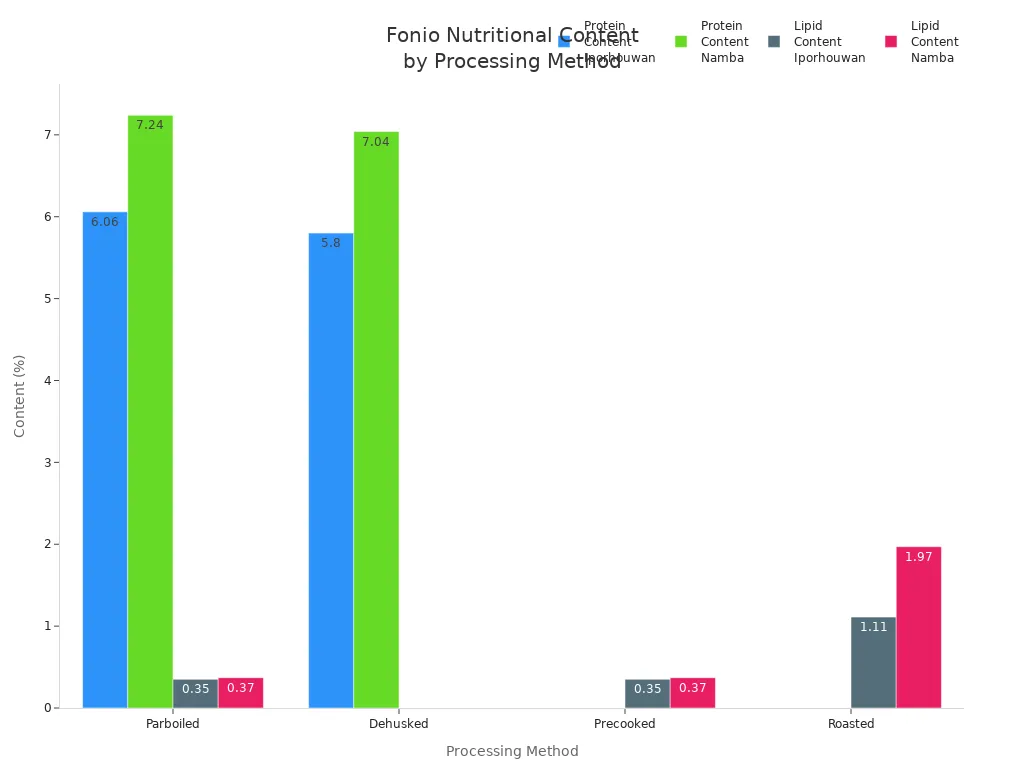
Tip: Parboiled fonio keeps the highest protein, iron, and zinc content. You get the most nutrition when you use gentle cooking methods.
Easy Recipes
You find many fonio recipes in West African cuisine. Fonio porridge is a popular breakfast. You cook fonio with extra water to make it soft and fluffy. Jollof fonio is another favorite. You cook fonio with tomatoes, onions, and spices for a flavorful dish. Chicken Yassa with fonio is a Senegalese meal where you serve seared chicken over fonio. Fonio grits and shrimp give you a savory option for lunch or dinner.
Fonio Porridge: A warm, nutritious breakfast.
Jollof Fonio: A spicy, tomato-based dish.
Chicken Yassa with Fonio: A classic Senegalese recipe.
Fonio Grits and Shrimp: A protein-rich meal.
You can also try fonio beer, which is a traditional fermented drink in some regions.
Everyday Meal Ideas
You can use fonio in many ways each day. You substitute fonio for rice, couscous, or quinoa in your meals. You add cooked fonio to soups and stews for extra nutrition. You sprinkle fonio over salads for a new texture. Fonio flour works well in baking bread, cookies, and cakes. You can also use fonio as a base for grain bowls with vegetables and beans.
Use fonio as a side dish with roasted vegetables.
Make a salad with fonio, cucumbers, tomatoes, and lemon juice.
Add fonio to soups for more fiber and minerals.
Bake with fonio flour for gluten-free treats.
Prepare a spiced pilaf with fonio, cinnamon, and cardamom.
Note: Fonio is rich in fiber, iron, B vitamins, and essential amino acids. You support your health by adding fonio to your daily meals.
You discover fonio as a whole grain packed with health benefits. The table below shows what makes fonio stand out:
Benefit | Description |
|---|---|
Whole Grains | Higher fiber than refined grains |
Gluten-Free | Safe for gluten sensitivities |
Low Glycemic Index | Helps manage blood sugar |
Gut Health | Supports healthy gut bacteria |
B-Vitamins | Important for energy and pregnancy |
Protein | Aids muscle and tissue repair |
You get extra advantages when you choose fonio:
Methionine and cysteine support hair, skin, and nails.
Resistant starch helps lower blood sugar.
Calcium benefits vegans and those who avoid dairy.
Low calorie count makes it a smart choice for weight control.
Try fonio in your meals and explore new superfoods for better health. 🌱
FAQ
What is fonio?
Fonio is a tiny ancient grain from West Africa. You find it packed with nutrients like fiber, protein, and iron. People use fonio in many dishes because it cooks quickly and tastes mild.
What makes fonio a superfood?
You call fonio a superfood because it contains all nine essential amino acids, is gluten-free, and has a low glycemic index. You get more minerals and vitamins than in many other grains.
Tip: You can add fonio to salads, soups, or breakfast bowls for extra nutrition.
What does fonio taste like?
You taste fonio as light and nutty. The texture feels fluffy, similar to couscous or quinoa. You can pair fonio with sweet or savory foods.
What diets can include fonio?
You include fonio in gluten-free, vegan, and low FODMAP diets. You find fonio safe for people with celiac disease or sensitive digestion.
Diet Type | Fonio Friendly? |
|---|---|
Gluten-Free | ✅ |
Vegan | ✅ |
Low FODMAP | ✅ |
What is the best way to cook fonio?
You cook fonio by boiling water, adding fonio, and letting it steam for a few minutes. You use a 2:1 water-to-fonio ratio. Fonio cooks faster than rice or quinoa.
Note: You can prepare fonio in under five minutes for a quick meal.