

Potassium, a vital mineral, is crucial for your overall well-being and directly impacts your Heart Health. This essential mineral profoundly influences your cardiovascular system, actively supporting a healthy heart. You can significantly lower your heart’s risk of cardiovascular disease; research indicates an 18% reduction in cardiovascular events for every 1,000 mg increase in potassium intake. Utilizing natural sources, especially herbal options, offers a natural and delicious way to boost your potassium levels. This natural, plant-based strategy supports your heart and overall health, providing natural protection against hypertension and other cardiovascular concerns.
Key Takeaways
Potassium is very important for your heart. It helps control blood pressure and keeps your heart beating steadily.
Many herbs like parsley, cilantro, and dill have a lot of potassium. They also have other good things for your heart, like antioxidants.
Eating fruits and vegetables high in potassium helps your heart. Examples are bananas, avocados, potatoes, and spinach.
Herbs give your heart more than just potassium. They have things that fight bad stuff in your body and help your heart stay healthy.
You can easily add herbs to your food every day. This makes your meals taste good and helps your heart stay strong.
Potassium’s Impact on Heart Health

Blood Pressure Regulation
Potassium is crucial for your cardiovascular system. It helps reduce high blood pressure, lowering your risk of stroke and other cardiovascular diseases. This mineral prevents atherosclerosis and reduces vessel-wall cholesterol content. Your dietary potassium intake is inversely related to stroke risk, contributing to heart health.
This essential mineral works to counteract sodium’s effects, a key factor in hypertension. It hinders the Na+-Cl- cotransporter, increasing sodium excretion. This mechanism is effective even with elevated sodium intake, offering a natural way to manage hypertension. A potassium-induced natriuresis helps lower blood pressure. This natural process supports cardiovascular health.
A randomized trial showed that potassium chloride supplementation significantly reduced diastolic blood pressure in participants with hypertension. This highlights its role in managing hypertension and promoting heart health. Obtaining potassium from natural sources is a safe and effective strategy for preventing cardiovascular diseases and ensuring the safety of your cardiovascular system. This natural approach supports your overall health.
Fluid Balance and Nerve Function
Potassium also maintains cellular fluid balance, vital for your health. The Na+-K+-ATPase pump actively transports this mineral into your cells and sodium out, creating an electrical gradient essential for fluid balance. It supports cellular hydration, ensuring water and nutrients enter cells. It works with other electrolytes to keep your body’s fluid levels in equilibrium. This ensures your cells maintain proper hydration, vital for your health and the safety of your cardiovascular functions. This natural balance is key for cardiovascular safety.
Furthermore, potassium is essential for nerve signal transmission, crucial for your heart rhythm. It controls voltage across cell membranes, establishing the ‘resting potential’ for accurate neuron firing. When a signal arrives, sodium enters, and this mineral then exits to reset the cell. This repolarization, guided by potassium, is crucial for predictable pacing and synchronized heartbeats.
Stable potassium levels ensure timely neurotransmitter release. Your heart’s rhythm relies on potassium movement, resetting each cell after contraction. This mineral helps maintain the resting membrane potential of heart cells, keeping them primed for orderly firing. Imbalances in potassium can alter cell membrane properties, leading to detrimental effects on impulse generation and conduction throughout your heart. This impacts your cardiovascular health and can contribute to heart disease. Embracing natural sources of potassium is a natural way to support your cardiovascular system and overall health. This natural approach is a form of herbal medicine for cardiovascular diseases prevention, promoting safety and well-being.
Herbs and Other Foods High In Potassium
You can significantly boost your potassium intake through various natural sources. These include medicinal herbs, fruits, and vegetables. Obtaining nutrients from whole foods is always a superior choice. Natural vitamins are easily recognized by your body. This reduces the risk of contamination and adverse effects. Natural vitamins often link to cofactors.
These cofactors boost the bioavailability and absorption of nutrients. They also aid their transport across cell membranes. Natural vitamins are significantly more bioavailable than synthetic ones. They are more potent and function similarly to those from whole foods. They are also less likely to contain contaminants and pose fewer side effects compared to synthetic vitamins. Studies consistently show that synthetic nutrients cannot replace a healthy, balanced diet. Your body best uses nutrients when you consume them in whole food form. This happens alongside a wide array of food compounds. This approach ensures your health and safety.
Top Potassium-Rich Herbs
Several medicinal herbs offer a good source of potassium. They also provide additional herbal benefits for your heart health.
Parsley: This popular herbal ingredient is a powerhouse. Parsley contains 554mg of potassium per 100 grams. It offers antioxidants and anti-inflammatory properties. These properties support your heart and overall health.
Cilantro: You can find 521mg of potassium per 100 grams in cilantro. This medicinal herb also provides antioxidants. These compounds help protect your heart from damage.
Dill: Dill offers heart health benefits through its flavonoids. These compounds possess antioxidant and anti-inflammatory properties. They protect your heart. Animal studies suggest dill extract may lower cholesterol and triglyceride levels. One tablespoon (6.6 grams) of dill seeds provides 1–5% of the Daily Value for potassium. This makes it a valuable herbal addition to your diet for safety and health.
Basil: This aromatic herbal plant is more than just a flavor enhancer. Basil contains compounds that support cardiovascular well-being. It contributes to your daily potassium needs. Its anti-inflammatory properties help maintain heart safety.
Chives: Chives contribute to heart health primarily through folate. Folate is a B vitamin. It plays a role in preventing cardiovascular disease and stroke. As an allium vegetable, chives may also have a positive relationship with heart disease. This is similar to garlic. Garlic has shown to reduce inflammation linked to heart conditions. One tablespoon of chopped chives provides 8.88 mg of potassium. This medicinal herb is a small but mighty contributor to your health and safety. These herbal remedies are excellent for hypertension management.
Fruits High In Potassium
Many fruits are excellent fruits high in potassium. They are delicious ways to boost your potassium intake.
Banana: A medium-sized banana contains 422 mg of potassium. This makes it a well-known potassium-rich food.
Avocado: This creamy fruit is a fantastic good source of potassium. A single avocado can provide 975mg of potassium. This is 21% of your Daily Value.
Cantaloupe: One cup of cantaloupe offers 473mg of potassium. This is 10% of your Daily Value.
Honeydew: Similar to cantaloupe, honeydew also provides significant potassium.
Apricots: Both fresh and dried apricots are rich in potassium.
Grapefruit: This citrus fruit contributes to your potassium needs.
Prunes, Raisins, and Dates: These dried fruits are concentrated sources of potassium.
Acerola Berries: These small berries are known for their high vitamin C content. They also offer a good amount of potassium.
Here is a quick look at some fruits high in potassium:
Fruit | Potassium per 100g | Potassium per serving |
|---|---|---|
Avocado | 485mg (10% DV) | 975mg per avocado (21% DV) |
Banana | 358mg (8% DV) | 537mg per cup sliced (11% DV) |
Cantaloupe | 267mg (6% DV) | 473mg per cup (10% DV) |
These potassium-rich foods are vital for managing hypertension and ensuring heart safety. They are natural herbal remedies for hypertension.
Vegetables High In Potassium
You can find many vegetables high in potassium. These vegetables are essential for your health and safety.
Potatoes: A medium raw potato with skin (213 g) provides 19% of the Daily Value (DV) for potassium. This makes it a significant source.
Sweet Potatoes: Mashed sweet potatoes offer 536mg of potassium. This is 11% of your Daily Value.
Beets: One cup of beets contains 518 mg of potassium. This is 11% of the Daily Value.
Parsnips: These root vegetables are also a good source of potassium.
Spinach: This leafy green is incredibly nutrient-dense. One cup of spinach provides 839 mg of potassium. This is crucial for your heart and health.
Swiss Chard: Swiss chard is another leafy green with high potassium content. One cup offers 961 mg of potassium.
Tomatoes: Fresh tomatoes and tomato products are rich in potassium.
White Beans: These legumes are excellent foods high in potassium. One cup of white beans provides 1004 mg of potassium. This is a substantial amount for your health and safety.
Lentils: Lentils are another type of legumes. One cup of lentils offers 732 mg of potassium. These pulses high in potassium are great for managing hypertension.
Here is a table showing the potassium content of some vegetables:
Vegetable | Potassium per Medium/Cup | Potassium per 100g | Potassium per 200 Calories |
|---|---|---|---|
Potato | 926mg (20% DV) | 535mg (11% DV) | 1151mg (24% DV) |
Baked Potato (without skin) | 676mg (14% DV) per 173g | N/A | N/A |
Mashed Sweet Potatoes | 536mg (11% DV) | 210mg (4% DV) | 416mg (9% DV) |
You can see how much potassium these vegetables high in potassium provide. They are vital for your heart and overall health.
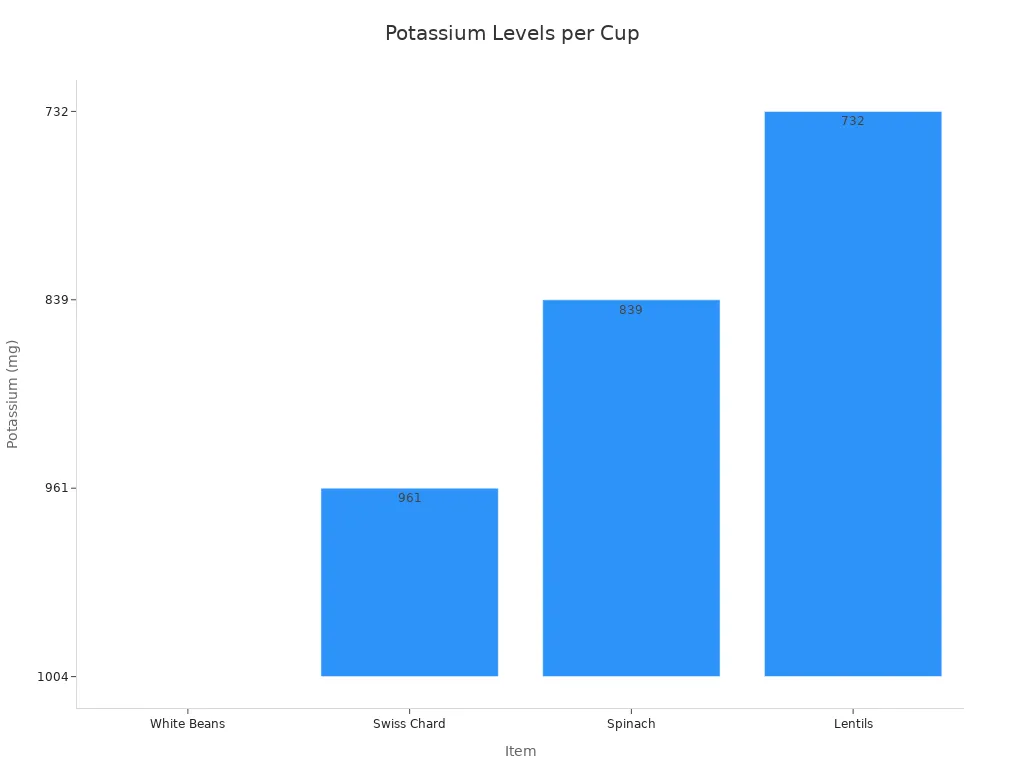
This chart highlights the impressive potassium levels in beans, Swiss chard, spinach, and lentils. Incorporating these potassium-rich foods into your diet is a smart strategy for hypertension management and heart safety. These herbal remedies are natural ways to support your health.
Beyond Potassium: Herbal Benefits for Heart Health
Herbs offer more than just potassium for your cardiovascular system. These medicinal plants contain many compounds that boost your overall health and provide significant safety for your heart. They work together to support your heart health and manage conditions like hypertension.
Antioxidant Power
Many herbal ingredients are rich in antioxidants. These compounds protect your heart cells from damage. You find polyphenols, flavonoids, alkaloids, and carotenoids in many medicinal herbs. Caffeic acid, a type of hydroxycinnamic acid, shows natural antioxidant and cardioprotective properties. It improves heart rate and helps with hypertension by enhancing nitric oxide. Kaempferol, a common flavonoid, also protects your heart. It reduces cardiac cell death in diabetic rats.
Spices like rosemary, sage, and oregano are excellent sources of antioxidants. They contain many phenolic compounds. Clove offers eugenol, while rosemary provides carnosol and rosmarinic acid. Cinnamon has cinnamaldehyde, and turmeric contains curcumin. Basil gives you orientin and viceninare. These antioxidants protect your cardiovascular cells. For example, beta-carotene stops LDL oxidation, which helps prevent atherosclerosis. Lycopene also protects your cardiovascular cells by reducing inflammation and increasing nitric oxide levels. This helps slow atherosclerosis progression. These herbal compounds are vital for your health and safety.
Anti-Inflammatory Effects
Inflammation can harm your cardiovascular system. Many medicinal herbs contain compounds that fight inflammation. This helps protect your heart. Thyme’s essential oil blocks the COX-2 enzyme, which reduces inflammation. Garlic contains sulfuric compounds and antioxidants that have anti-inflammatory effects. Turmeric’s curcumin is a strong anti-inflammatory agent. Cloves also offer powerful anti-inflammatory benefits. Ginseng has ginsenosides, which reduce inflammatory markers. Green tea’s polyphenols, especially EGCG, also have anti-inflammatory properties. These herbal remedies contribute to your heart’s safety and overall health, helping manage hypertension.
Essential Vitamins and Minerals
Beyond potassium, herbs provide other vital nutrients for your cardiovascular health. Magnesium is abundant in many plant foods. It is crucial for energy production, blood pressure regulation, and nerve function. Low magnesium levels can predict heart disease. Copper, also found in some herbal sources, helps with growth, metabolism, and red blood cell formation. B vitamins, like folate, vitamin B6, and vitamin B12, are essential for energy and red blood cell creation. Deficiencies in these vitamins can affect your heart. Adequate intake supports your heart health by addressing high homocysteine levels, which link to cardiovascular issues. These medicinal compounds from herbs support your overall health and cardiovascular safety.
Incorporating Potassium-Rich Herbs Daily
You can easily add potassium-rich herbs to your daily meals. This boosts your nutrient intake. It also helps manage conditions like hypertension. These herbal additions make your food taste great. They also support your heart health.
Fresh Herb Uses
Fresh herbs bring vibrant flavors and many health benefits to your plate. They contain high water content. They also have strongly scented compounds and essential oils. These release when you cut or heat them. These compounds, called polyphenols, act as antioxidants. Herbs add depth of flavor. This lets you reduce salt, added sugars, and fat in your dishes. This is great for managing hypertension. Fresh herbs add wonderful flavor to a meal. You should add them at the end of cooking. This keeps their fresh taste. Herbs impact your health as well as flavor. If you watch your salt intake, herbs and spices add flavor without increasing sodium. This is a smart strategy for hypertension.
For example, fresh dill pairs well with salmon. A “Mustard Dill Salmon” recipe shows this. Dill gives a bright flavor when combined with grainy mustard. You can sprinkle fresh parsley over soups. Add basil to your salads. Mix cilantro into your tacos. These simple steps increase your potassium intake. They also provide powerful herbal benefits.
Cooking with Dried Herbs
Dried herbs offer a different flavor profile than fresh ones. Fresh herbs have a bright, herbaceous taste. You experience this best right after harvesting. Dried herbs have a sharper, more concentrated flavor. This comes from moisture loss during heating. Some delicate herbs, like peppermint, cilantro, and parsley, may lose flavor when you heat them for drying. Freeze-dried herbs taste very close to fresh herbs. They are a good choice for cooked dishes. Their concentrated flavors enhance meals without adding extra moisture.
You can use dried herbs effectively. Use a 3:1 ratio when you substitute fresh herbs with dried ones. For example, use 1 teaspoon dried for 1 tablespoon fresh. Adjust this based on the herb’s strength. Add dried herbs early in the cooking process. This gives them time to rehydrate. It also lets them blend their flavors into the dish. Crush dried herbs between your fingers before adding them. This releases their essential oils. It enhances their aroma and taste. You can also rub dried herbs in your hands.
This releases fragrant aromas. Grind dried herbs with a mortar and pestle. This brings out their essence. Cook dried herbs on low heat. This helps release their oils. Add dried herbs early in soups and stews. This allows them to rehydrate and infuse the dish with flavor. Gently crush dried herbs with your fingers or a spoon. You can lightly toast dried herbs in a dry skillet. Be careful not to burn them. Rehydrate dried herbs in oil, vinegar, or other liquid for at least 10 minutes. Then mix them into uncooked dishes like dressings or sauces. This lets flavors infuse. These herbal remedies are great for adding flavor and nutrients. They also help manage hypertension.
Creative Meal Ideas
You can easily add potassium-rich herbs to all your meals. This helps manage hypertension.
Breakfast: Start your day with an omelet. Include spinach, pine nuts, onion, green pepper, and broccoli. Try Toasted Pistachio and Cherry Overnight Oats. This provides 740 mg of potassium per serving. You can also enjoy herbal tea. This is a great breakfast beverage. A cinnamon spinach pudding makes a good morning snack. Spinach and cinnamon are both potassium sources.
Lunch: Make a Roasted Tomato Basil Soup. It offers 415 mg of potassium per serving. A Citrusy Papaya Cauliflower Ceviche is another flavorful option.
Dinner: Prepare a Moroccan Spiced Sweet Potato, Chickpea, and Spinach Stew. This provides about 50% of your daily potassium needs. Finish it with fresh herbs. Quinoa, Lentil, and Mushroom Stuffed Acorn Squash is also a hearty choice.
Snacks: Mung bean Kampferia galanga is an option for an afternoon snack. Spices potato schotel can be an evening snack.
Flavor Boosters: Add fried onion and garlic to your main meals. This reduces salt and increases potassium. These herbal remedies support your health. They are natural ways to fight hypertension.
Potassium-rich herbal sources and other natural foods are crucial for your robust heart health. These natural sources support your cardiovascular system. They offer a simple, natural way to manage hypertension.