

Lentils, edamame, tofu, and cauliflower rice often anchor these meals, keeping portions satisfying while calories stay in check. To keep the math working, tofu, seitan, lentils, chickpeas, edamame, and soy yogurt do the heavy lifting while oil, nuts, and rich sauces stay controlled.
This guide covers practical meal ideas for anyone trying to eat plant-based while keeping portions satisfying, with protein targets, smart ingredient choices, and easy breakfasts and lunches that travel well.
Key Takeaways
- Protein density matters. Seitan, tofu, edamame, lentils, and beans give you the most protein for the fewest calories.
- Volume beats heaviness. Broth, greens, mushrooms, and crisp vegetables make a meal feel larger without pushing calories up.
- Sauce can shift the math. Oil, nut butter, avocado, and creamy vegan dressings often change the calorie total more than the main protein.
- Meal prep works best by portion. Build repeatable servings around a set protein amount, then add vegetables and grain portions around it.
- No tofu meals still work. Seitan, tempeh, chickpeas, lentils, and edamame can carry a full week of lunches and dinners.
The Protein Targets That Make Vegan Meals Work
A meal only feels high protein when the number is clear, not when the ingredient list looks long. A bowl with lentils, rice, and vegetables can still land too low in protein per serving, while a smaller plate built around tofu or seitan can feel more filling with fewer calories.
For weight loss, satiety matters more than giant portions. Protein slows gastric emptying, so food leaves your stomach more slowly, and fiber from beans, greens, and cruciferous vegetables adds bulk without much energy. The National Academies of Medicine sets the protein RDA at 0.8 grams per kilogram of body weight per day, and active vegan eaters often plan higher across the day to match training or appetite.
What a useful meal target looks like
A practical lunch or dinner often works well around 20 to 30 grams of protein, because that range leaves room for vegetables and still feels like a real meal. Breakfast can sit a bit lower and still work, as long as you avoid the sugar-only pattern that fades fast by midmorning.
Your meal prep gets easier once each container follows the same protein range. That repeatability matters more than fancy recipes, because the portion math stays stable from Monday through Friday.
Why calorie control changes the ingredient order
A tight calorie target pushes vegetables and proteins ahead of sauces, oils, and starches in the lineup. Tofu, tempeh, lentils, and seitan bring protein; vegetables, broth, and salsa add volume; oils, nuts, and cheese substitutes can raise energy fast without making the plate much bigger.
High-protein meals tend to blunt hunger better than low-protein meals at similar calorie levels, and that pattern shows up again and again in appetite research. The mechanism is partly hormonal and partly mechanical, since protein-rich foods need more chewing and slow the pace of eating. That logic also explains why high protein vegan meals under 500 calories often feel easier to sustain than low-protein plates.
Creamy textures work just as well at breakfast, especially when you want a meal that feels substantial.
The Best Low-Calorie Vegan Proteins Ranked
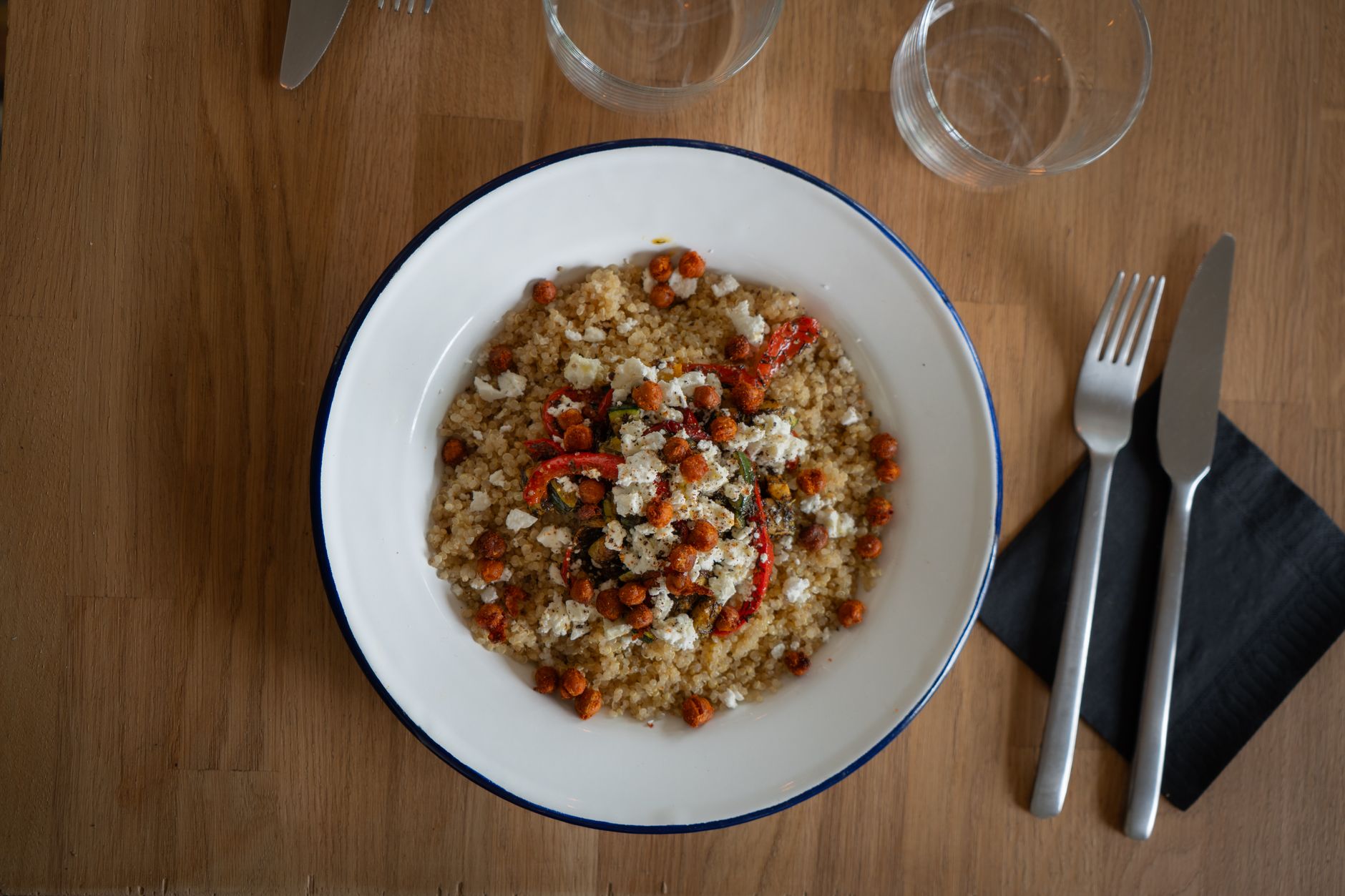
That protein-first logic shows up clearly at the grocery aisle. Seitan sits near the top for protein density because wheat gluten contains a very high share of protein and very little fat. Tofu and edamame follow closely for many kitchens because they cook fast, take on flavor well, and stay easy to portion.
| Protein source | Why it matters | Best use |
|---|---|---|
| Seitan | Very high protein for modest calories, though it contains gluten. | Stir-fries, wraps, skillet meals |
| Tofu | Flexible texture and strong protein per serving. | Scrambles, bowls, soups, sheet pan meals |
| Edamame | Fast, filling, and easy to measure in portions. | Salads, grain bowls, snack boxes |
| Lentils | Protein plus fiber, which helps meals feel complete. | Soups, chili, salads, pasta sauces |
| Tempeh | Firm bite with a richer, nuttier profile than tofu. | Sandwiches, bowls, pan-seared mains |
| Beans and chickpeas | Budget-friendly protein that works across many cuisines. | Curries, salads, chili, wraps |
| Soy yogurt and nutritional yeast | Useful for breakfast protein and savory depth. | Bowls, sauces, toppings |
How the protein-to-calorie ratio changes the choice
On a busy weeknight, seitan often delivers the best protein payoff for the fewest calories when you want a lighter plate. Tofu sits in the middle and gives you more texture range, while lentils and chickpeas bring extra fiber that can be worth the slightly higher calorie load.
Nutritional yeast adds a cheesy, savory note with very little bulk, so it works best as a finish rather than the base. Soy yogurt serves a different role: it can replace a richer dairy-style layer without pushing the bowl into heavy territory. That balance gives you more room for easy high protein vegan recipes without sacrificing flavor.
Those same ingredients can carry into midday meals, where portability matters as much as protein.
Breakfasts That Stay Light but Fill You Up
A scramble or bowl that starts with soy food gets ahead of the hunger curve before your day starts spinning. Tofu absorbs turmeric, garlic, black salt, and herbs, so it can taste rich even without much oil.
Tofu scrambles work especially well with mushrooms, spinach, and peppers because those vegetables add volume and moisture. A dry pan, a splash of broth, and a skillet lid give you browning without turning breakfast greasy, which keeps the calorie count steadier.
Fast breakfast builds you can repeat
- Tofu scramble bowl. Add peppers, spinach, and nutritional yeast for a savory start with strong protein per serving.
- Soy yogurt bowl. Stir in berries, chia, and a small portion of oats for texture and balance.
- Overnight oats upgrade. Pair oats with soy yogurt so the bowl lands higher in protein than oats alone.
- Breakfast hash. Use diced potatoes sparingly, then lean on tofu and vegetables for most of the volume.
Busy weekdays reward repetition, not novelty. A breakfast that takes five minutes to reheat or three minutes to stir together beats an elaborate plan that sits untouched by Thursday.
That habit also helps high protein vegan breakfast ideas stay realistic for meal prep, because your shopping list narrows to a few reliable items. From there, lunch can use the same logic with slightly larger portions and sturdier textures.
A satisfying dinner follows the same formula, only with more emphasis on warmth and comfort.
Lunches Built for Meal Prep and Portable Eating
That same repeatable structure works especially well once lunch has to travel. Bean and lentil salads hold up in the fridge because both ingredients keep their shape after a day or two, which makes them useful for portable lunches when you want fiber, protein, and a dressing that stays bright instead of soggy.
A chickpea salad with chopped celery, herbs, cucumber, and mustard dressing gives you crunch without much calorie load. Lentil tabbouleh does something similar, since the parsley and lemon carry the flavor while the legumes do the filling work.
Meal prep boxes that travel well
A bowl built on brown rice, roasted broccoli, and tofu stays flexible because each component can be packed separately or mixed together. Tempeh works just as well, especially after a quick soy sauce, garlic, and vinegar marinade.
The most useful batch-cooking move is to prep one grain, one legume, one roasted vegetable tray, and one protein anchor. That four-part setup lets you assemble high protein vegan meals for weight loss without cooking from scratch every day.
Keep sauces in a separate cup. A tablespoon of oil or a heavy nut dressing can shift the calorie total more than another half-cup of greens.
Meal prep brands like Trifecta Nutrition often frame plant-based prep around protein and portion control, and the same logic works in a home kitchen. Pack the protein base tight, leave space for vegetables, and treat the sauce as seasoning rather than the main event.
Once lunch is handled, dinner can lean on the same rules but with warmer textures and a bit more comfort-food appeal.
Still, other protein sources bring useful variety when you want different textures on the table.
Dinners Under 500 Calories That Still Feel Substantial
A broth-based soup can feel larger than a creamy pasta bowl because liquid and vegetables create volume with less energy. That is why stir-fries, skillet meals, and big bowls of vegetables work so well for evening meals that need to stay light.
Roasted cauliflower, zucchini, or Brussels sprouts build strong flavor as water evaporates and natural sugars concentrate. Air-frying does a similar job with less added oil, so the vegetables taste richer without quietly turning the meal heavy.
Low-calorie dinner patterns that hold up
- Tofu stir-fry. Toss tofu with broccoli, snap peas, and ginger sauce over a modest rice portion.
- Lentil chili. Use tomatoes, onions, and peppers to stretch the pot without much added calorie load.
- Seitan skillet. Sear strips with cabbage and mushrooms for a fast, savory plate.
- Chickpea soup. Build on broth, carrots, celery, and herbs for a large bowl that still feels controlled.
A useful dinner rule is to let vegetables fill the plate edge to edge before you add starch. That order keeps portions honest and makes high protein vegan recipes low calories work without the feeling that something is missing.
Seitan shines here because it brings a meaty chew without the calorie load of many richer vegan mains. Chickpeas and lentils also fit, though they need tighter portioning than seitan or tofu to keep the total in range.
Even a modest swap can trim calories while keeping enough protein to make the meal feel complete.
No-Tofu Options for Variety and Texture
In a wrap or grain bowl, seitan stands out as the easiest tofu-free protein because it soaks up marinades and slices cleanly. The texture matters as much as the macros, since a firmer bite can make a low-calorie plate feel more complete.
Tempeh gives a firmer, nuttier bite than tofu because the fermented soybeans stay intact, which changes both mouthfeel and flavor. That firmer structure also means you can pan-sear it with less risk of falling apart, which helps in sandwiches and grain bowls.
Good stand-ins when tofu gets repetitive
Lentils are the easiest legume switch for soups, chili, and cold salads. Edamame works better in bowls and snack portions, while chickpeas fit curries, salads, and mash-style fillings that need body.
One practical detail matters here: legumes carry more carbohydrate than seitan or tofu, so the serving size has to do more work. That trade-off can still fit a calorie deficit, especially when your plate leans on vegetables and broth around the legume base.
That balance is what makes the approach sustainable once planning shifts from theory to everyday cooking.
Swaps That Cut Calories Without Cutting Protein
That flavor control is where a lot of low-calorie vegan cooking succeeds or falls apart. Broth, salsa, mustard, vinegar, and blended vegetables can give a meal enough flavor that you do not miss a cream-heavy sauce. A cauliflower-based sauce, for example, adds body and color without the same calorie load as a cashew blend.
Oil, nut butter, avocado, and vegan cheese substitute portions deserve the most attention because they shift calories quickly. Trim those parts before you trim tofu, tempeh, or lentils, since the protein base is what keeps the meal satisfying.
Nutritional yeast earns its place as a finish, not a filler. A small shake can add savory depth to tofu, soup, or roasted vegetables without making the plate dense.
Oil-free cooking does not have to mean dry food. Steam-sautéing with a few tablespoons of broth, then finishing with lemon or vinegar, gives you browning, moisture, and a cleaner calorie profile than a heavy pour of oil.
That same swap logic keeps easy high protein vegan recipes practical for weeknight cooking, which is where most plans either succeed or fade away.
What to Remember
The most filling vegan plates use protein as the anchor, vegetables as the volume, and sauces as a controlled accent. Once you start measuring the calorie-heavy extras, high protein vegan recipes low calories stop feeling restrictive and start feeling structured.
FAQ
How do you make vegan recipes high in protein but low in calories?
Start with seitan, tofu, edamame, lentils, or soy yogurt, then add vegetables, broth, and herbs for bulk and flavor. Keep oil, nut-based sauces, and rich toppings in small portions so the protein stays the focus.
What are the best low-calorie vegan protein sources?
Seitan gives the strongest protein density, while tofu, edamame, lentils, tempeh, chickpeas, and beans cover most everyday meals. Soy yogurt and nutritional yeast help with breakfast and flavor, even though they work best as supporting ingredients.
Can you get enough protein on a vegan diet for weight loss?
Yes, with planning. The key is to spread protein across the day and keep each meal centered on a clear protein source, which makes calorie control easier without leaving you hungry an hour later.
What high-protein vegan meals can you make without tofu?
Seitan stir-fries, tempeh bowls, lentil chili, chickpea salad, edamame grain bowls, and bean soups all work well. Those meals give you texture variety, solid protein, and enough flexibility for meal prep.
How many calories should a high-protein vegan meal have?
There is no single number that fits every plan, but many lunch and dinner portions land comfortably under 500 calories while still feeling complete. Your best target depends on total daily energy needs, activity level, and how many meals you eat.
