

About 205 calories sit in a cooked US cup of white jasmine rice, with the cup weighing roughly 158 grams on the scale. The same cup uncooked delivers closer to 680 calories because the dense dry grains have not yet absorbed water, and brown jasmine lands a touch higher at about 216 cooked. The exact number for your plate depends on portion weight, cooking liquid, and what you stir in.
You’re about to see the precise cooked and uncooked figures, how jasmine stacks against basmati, brown, sticky, quinoa, and couscous, and the cooking and serving choices that quietly move your total by 100 calories or more. Each section is built to help you log, compare, and plan around real portions rather than guesswork.
Jasmine Rice at a Glance
Long, slender grains and a perfume-like aroma define jasmine rice, releasing a soft floral scent as the pot steams on the stove. The white version dominates grocery shelves, while brown jasmine has gained space for shoppers who want the bran layer kept intact. Cultivars like Thai Hom Mali fall under the same species, Oryza sativa, which covers virtually every Asian long-grain rice you’d recognize.
Because jasmine shows up as a side in Thai, Vietnamese, and Southern Chinese cooking, the term “cup” gets tossed around loosely. A measuring cup of dry grains looks modest but balloons to two or three times that volume once water is absorbed. That gap is the single biggest reason calorie counts feel inconsistent across recipes, labels, and apps.
The Calorie Count in One Cooked Cup
A cooked US cup of white jasmine rice, weighing about 158 grams, delivers roughly 205 calories. That figure tracks closely with USDA FoodData Central entries, which is why most calorie-tracking apps default to it for a generic scan. If you weigh your portion on a kitchen scale instead of eyeballing a cup, you can dial the number in to within a few calories.
What Those Calories Are Made Of
Carbohydrates carry nearly all the energy, with about 45 grams per cooked cup. Protein sits around 4 grams, and fat is essentially negligible, usually below half a gram. A modest amount of thiamine and niacin rides along because white rice is enriched in the US, though neither contributes meaningful calories to your total.
Where Brown Jasmine Lands
Keeping the bran and germ intact pushes brown jasmine rice up to around 216 calories per cooked cup, a modest bump from the white version. The gap per cup is small, but the extra fiber, magnesium, and manganese shift how the rice behaves nutritionally. For most calorie budgets, the difference is a rounding error rather than a deal-breaker.
That rounding error still matters, though, once you start comparing what lands on the plate to what the label actually measured.
| Type of Jasmine Rice (Cooked) | Weight per Cup | Calories | Carbohydrates | Protein |
|---|---|---|---|---|
| White jasmine | ~158 g | ~205 | ~45 g | ~4 g |
| Brown jasmine | ~158 g | ~216 | ~45 g | ~5 g |
Why Cooked and Uncooked Cups Are Not the Same
A cup of dry jasmine rice weighs significantly more than a cup of cooked rice because the grains have not yet absorbed water and expanded. That density difference is what blows up the calorie count, and it is the most common logging mistake beginners make when they weigh a meal-prep batch.
The Raw Rice Numbers
One US cup of uncooked white jasmine rice delivers roughly 680 calories, more than triple the cooked value. The same cup weighs around 185 grams dry, and the grains swell to fill a much larger container once boiled. Recipes built on raw measurements can throw a calorie log off by hundreds if you eat the finished dish expecting the raw number.
Restaurant kitchens often measure rice dry and plate it cooked, so a generous takeout scoop can land at 1.5 to 2 cooked cups without looking oversized. Eyeballing a “cup” on the plate rarely matches a measured cup, which is why weigh-and-log is the most reliable approach when precision matters.
Quick Reference: Cooked vs Uncooked
- Cooked white jasmine: 1 US cup, ~158 g, ~205 calories.
- Uncooked white jasmine: 1 US cup, ~185 g, ~680 calories.
- Cooked brown jasmine: 1 US cup, ~158 g, ~216 calories.
- Volume shift: 1 cup dry yields roughly 2.5 to 3 cups cooked.
- Calorie swing: raw-to-cooked switch can move a single portion by 400+ calories.
Jasmine Rice Compared to Other Common Rices
White jasmine, white basmati, and standard long-grain white rice sit within a few calories of each other, usually between 200 and 210 per cooked cup. The differences come down to aroma, texture, and a slight variation in starch structure, not the calorie number. Swapping jasmine for plain long-grain white barely budges your daily count.
Brown Rice and Whole-Grain Options
Brown jasmine edges higher at about 216 calories but delivers more fiber, magnesium, and manganese per cup. Standard brown rice lands in a similar range, so the whole-grain bump is real but modest. For people who care more about micronutrients than calorie precision, the trade is usually worth it.
Sticky and Short-Grain Varieties
Glutinous and short-grain rungs sit in the same calorie neighborhood as jasmine, though their grains tend to pack more tightly on the spoon. A visually similar cup can weigh more, which means a slightly higher calorie total even when the portion looks identical. Glutinous rice used in sushi or dessert dishes falls into this category, and its stickiness often leads people to over-serve without noticing.
How Jasmine Stacks Against Quinoa and Couscous
Quinoa cooked in water delivers around 220 calories per cup, with notably more complete protein than jasmine. Couscous sits near 176 per cooked cup, slightly lighter because of its small pasta-like shape. Both are reasonable alternatives, and the choice usually comes down to which one you actually enjoy eating on rotation.
| Grain (Cooked, 1 US Cup) | Calories | Protein | Fiber |
|---|---|---|---|
| White jasmine rice | ~205 | ~4 g | ~0.6 g |
| White basmati rice | ~205 | ~4 g | ~0.6 g |
| Brown jasmine rice | ~216 | ~5 g | ~3.5 g |
| Quinoa (cooked in water) | ~220 | ~8 g | ~5 g |
| Couscous (cooked in water) | ~176 | ~6 g | ~2 g |
How Cooking Method and Serving Size Shift the Numbers
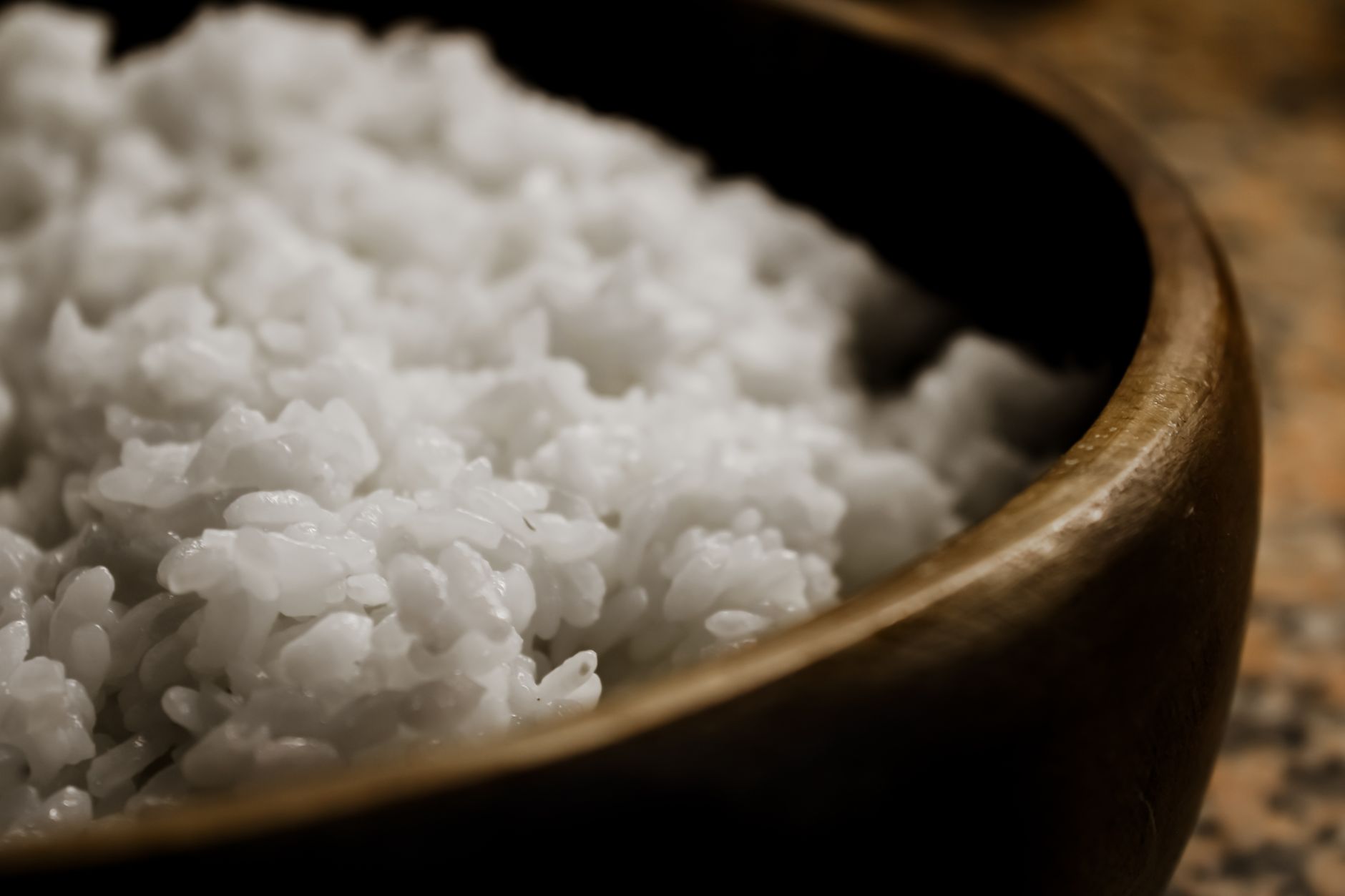
Slight variations in water absorption, the choice between steaming and boiling, and how long the rice rests can change the final weight of a cooked cup by a few grams. That alone nudges the calorie count by a handful, but the bigger swing comes from what you cook the rice in. Water, broth, coconut milk, and oil each add a different calorie layer on top of the base.
Add-Ins That Quietly Add Up
Adding oil, butter, coconut milk, or broth during cooking tacks on 50 to 200 calories per cup, depending on the quantity. A tablespoon of olive oil alone adds about 120 calories. A cup of full-fat coconut milk adds roughly 400, and even a splash of butter or ghee pushes the number higher than plain water-steamed rice.
Restaurant Portions Versus Home Portions
Plates at most Thai and takeout spots typically arrive with closer to 1.5 to 2 cups of jasmine rice piled beside the main, doubling or tripling a home serving.5 to 2 cups, pushing a single side dish past 300 to 400 calories. Takeout containers and buffet spoons tend to mound the rice rather than level it, so the cooked volume is often larger than it looks. A 1.5-cup side at a Thai restaurant can quietly out-calorie the curry it accompanies.
Measuring for Accuracy
Weighing cooked rice on a kitchen scale is the most reliable way to hit an exact calorie target. One hundred grams of cooked white jasmine lands near 130 calories, and scaling from there keeps your log honest. Volume cups work fine for casual meals, but precision tracking calls for grams.
Those per-gram figures only earn their keep once you decide how the rice sits alongside everything else on the plate.
Fitting Jasmine Rice Into a Balanced Diet
Clocking in near 205 calories per cooked cup, jasmine rice slides easily into Mediterranean, balanced high-protein, and other moderate-carb eating patterns. The flexibility comes from how easily you can scale the portion and pair it with vegetables, lean protein, or healthy fats. For most people, a single cooked cup as a side is a reasonable default.
Glycemic Index and Pairing Strategies
Jasmine rice has a glycemic index typically between 68 and 80, which puts it in the high-GI category and means it can spike blood sugar quickly. Pairing it with protein, fat, or vegetables helps slow the response and keeps energy steadier through the meal. A chicken-and-broccoli bowl with jasmine behaves very differently from a plain bowl of rice on its own.
Low-Carb and Keto Context
Most keto and strict low-carb plans cap a serving at a quarter to a half cup, since even one full cooked cup overshoots their daily carb ceiling. That smaller scoop drops the carbs to roughly 11 to 22 grams, which fits inside tighter daily ceilings. For people in maintenance or balanced-intake phases, the full cup is rarely a problem.
A Practical Portion Rule
Measure out one cooked cup when rice plays the side, or drop to a half cup when it joins a bowl crowded with proteins, fats, and other add-ins. The half-cup adjustment keeps the total plate reasonable when avocado, nuts, or fatty proteins already carry significant calories. Match the portion to the rest of the plate, and the rice becomes a supporting player rather than the main event.
- Default side portion: 1 cooked cup, about 205 calories, fits most balanced plates.
- Bowl or mixed dish: 1/2 cooked cup, near 100 calories, leaves room for richer add-ins.
- Low-carb framework: 1/4 to 1/2 cup, depending on the rest of the day.
- Restaurant or takeout: Plate a measured 1/2 cup and round up for the visible mound.
- High-activity day: 1.5 to 2 cups is fine when your energy output matches the intake.
Final Takeaways
One cooked cup of white jasmine rice lands near 205 calories, with brown jasmine sitting just slightly higher at around 216. The number that throws most trackers off is the raw-versus-cooked gap, which can swing a single cup by 400 calories or more. Weigh your cooked portion in grams, decide your cup size based on the rest of the plate, and the calorie count becomes predictable rather than a guess.
For the cleanest log, anchor your number to 158 grams per cooked cup of white jasmine, then add separately whatever oil, butter, coconut milk, or broth went into the pot. That habit keeps jasmine rice a flexible, dependable component of your meals instead of a hidden variable.
FAQ
How many calories are in one cup of cooked jasmine rice?
A standard US measuring cup filled with cooked white jasmine rice, weighing about 158 grams, delivers roughly 205 calories to the plate. Brown jasmine runs slightly higher at about 216 calories per cooked cup because the bran and germ layers add a small amount of extra density and fiber.
How many calories are in one cup of uncooked jasmine rice?
Dry white jasmine rice packs around 680 calories into a single US cup, more than tripling once water and heat transform it into the fluffy cooked form. The grains absorb water and expand during cooking, which is why the same measuring cup holds far fewer calories once the rice is boiled.
Is jasmine rice higher in calories than white or brown rice?
Across the long-grain white family, white jasmine, white basmati, and standard long-grain white all cluster between 200 and 210 calories per cooked cup, leaving little daylight between them. Brown jasmine edges up to about 216 per cooked cup, a modest bump over white driven by the bran and germ layers.
What is the carbohydrate and protein content of one cup of jasmine rice?
A cooked cup of white jasmine rice delivers about 45 grams of carbohydrates and around 4 grams of protein. Brown jasmine sits at roughly 45 grams of carbohydrates and 5 grams of protein per cooked cup, with the extra gram of protein coming from the retained bran and germ.
How do serving sizes of jasmine rice affect total calorie intake?
Serving size scales the total almost linearly because jasmine rice is a uniform food. Half a cooked cup lands near 100 calories, a full cup near 205, and a 1.5-cup restaurant portion clears 300, so even small visual bumps in the scoop shift your daily total fast.
Does the cooking method change the calorie content of jasmine rice?
Steaming, boiling, or rice-cooker absorption barely changes the calorie count on their own. The real swing comes from what you cook the rice in, since a tablespoon of oil adds about 120 calories and a cup of full-fat coconut milk adds roughly 400 to the finished dish.
