

Do you ever feel sluggish or struggle to focus? Proper hydration holds immense power for your overall health and energy. Hydration is more than just drinking water; it is a true cornerstone of wellness. Many people struggle to stay adequately hydrated. This often leads to common issues like headaches, poor concentration, and dry skin. It also puts a strain on kidneys and can impair circulation. In fact, dehydration accounts for a 5% increase in preventable emergency room visits. These hydration tips offer a practical guide. They will help you transform your daily hydration habits and improve your well-being.
Why Hydration Matters
I have learned that proper hydration is fundamental for your overall health and wellness. It impacts almost every system in your body. Let me explain why it is so important.
Boost Energy and Brain Function
I find that when I am well-hydrated, my energy levels are higher. My brain also works better. Studies show that good hydration helps with cognitive functions like working memory and attention. For example, research on children found that those with higher water intake showed improvements in cognitive flexibility and working memory. Even mild dehydration can make tasks feel harder and affect your mood. It can also impair vigilance and working memory.
Support Digestion and Nutrient Absorption
Water is essential for a healthy digestive system. It helps break down food and absorb nutrients. Proper hydration supports the enzymes in saliva. These enzymes are crucial for starting the breakdown of carbohydrates right in your mouth. This shows how important water is from the very beginning of digestion.
Maintain Skin Health and Elasticity
I have noticed that my skin looks healthier when I drink enough water. Hydration directly affects your skin’s elasticity and firmness. Well-hydrated skin keeps collagen and elastin working properly. This allows your skin to stretch and bounce back. Research indicates that good hydration improves skin turgor and reduces fine lines. Dehydration, on the other hand, can lead to decreased elasticity and more fragile skin.
Regulate Body Temperature
Your body uses water to maintain a stable temperature. Water has a high capacity to absorb heat from your body tissues. This prevents rapid temperature increases. When you get hot, your body produces sweat, which is mostly water. As sweat evaporates from your skin, it cools you down. Water also helps regulate blood flow to your skin. This allows heat to escape your body.
Aid in Weight Management
I have found that drinking water can also help with weight management. Some studies suggest that increased water intake can boost metabolism. This happens by increasing a process called lipolysis, which is the breakdown of fats. While more research is needed, it seems that better hydration can improve how your body uses energy.
Recognize Dehydration Signs
I have learned to recognize the signs of dehydration. My body gives me clear clues when I need more water. Knowing these signs helps me stay on top of my hydration. It allows me to address my fluid needs quickly.
Common Physical Indicators
I notice several physical signs when I am not drinking enough. My mouth often feels dry. My lips can also feel parched. I might experience a headache. Sometimes, I feel dizzy or lightheaded. I also feel tired or sluggish. My tongue might even feel swollen. I have also noticed bad breath. I might crave sweets more often. These are all common physical indicators. My body also produces less urine than usual. This urine often appears dark yellow. These are clear signs of dehydration.
Subtle Mental Cues
Dehydration also affects my mind. I have found that even mild dehydration can impair my mental performance. It is a reliable predictor of impaired cognitive status. I might have trouble focusing. My thinking can feel foggy. Sometimes, I struggle with memory processing. I might even feel confused. This shows how important water is for my brain. It affects how my neurons function. Changes in certain brain activities can interfere with my cognitive function.
Urine Color as a Guide
I use my urine color as a simple guide. If my urine is pale yellow, I know I am well-hydrated. If it is dark yellow or amber, I need to drink more water. This visual cue helps me prevent dehydration. It is an easy way to check my fluid levels throughout the day. I aim for a light straw color.
How Much Water Do You Need?
I often wonder how much water I really need each day. It is a common question. The amount can vary for everyone.
General Daily Fluid Intake
Major health organizations give us some general guidelines for daily fluid intake. They recommend about 125 to 130 ounces of fluids per day for men. For women, they suggest around 91 to 95 ounces daily. These amounts include all fluids. This means the water in your food and other beverages. About 20% of your daily fluids usually come from foods. The other 80% comes from drinks. This includes even caffeinated drinks. I find it helpful to know these numbers. It gives me a good starting point for my hydration goals.
Factors Affecting Water Needs
I know my daily water needs can change. Several factors influence how much water I should drink. My activity level is a big one. When I exercise, I sweat more. This means I lose more water. I might need an extra 1.5 to 2.5 cups of water for every hour of physical activity. My environment also plays a role. Hot and humid weather makes me sweat more. I need to drink more water to stay hydrated in these conditions. Even if I do not feel thirsty, I make sure to drink more fluids when it is hot. Colder climates can also affect my fluid needs. My body works harder to stay warm. This can increase my urine output. So, I always consider these things when I plan my drinking water for the day.
Best Ways to Stay Hydrated Daily
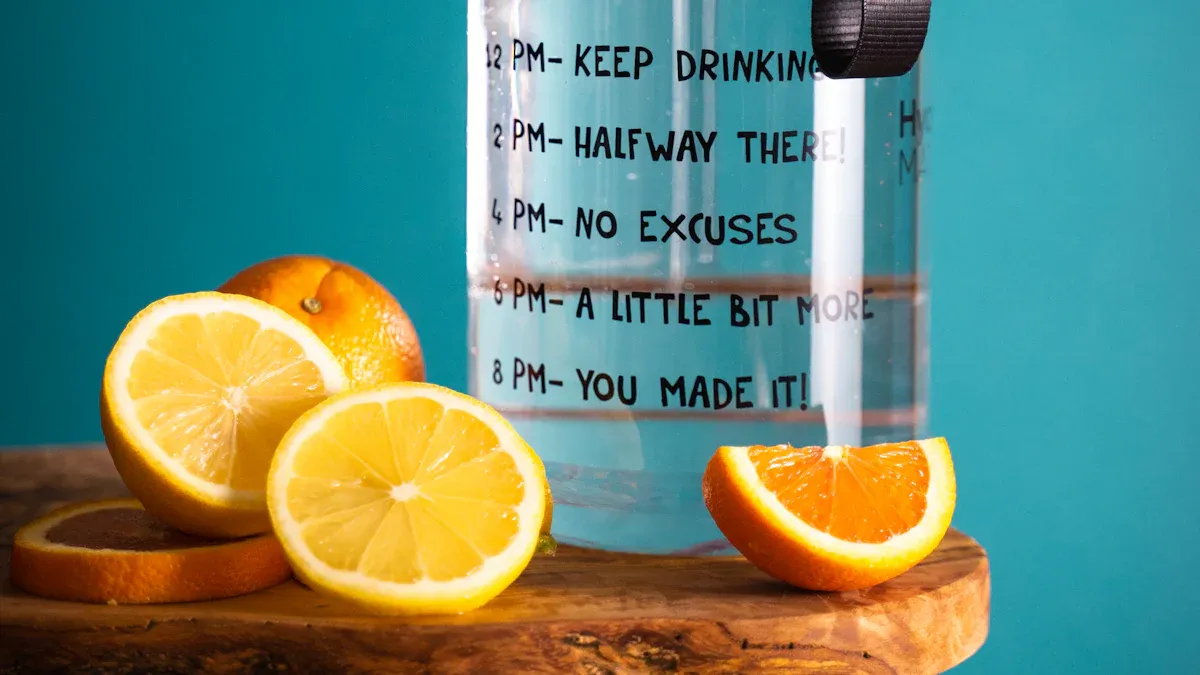
I have found that making hydration a daily habit is key. These practical hydration tips help me stay on track throughout the day. They are simple changes that make a big difference.
Start Your Day with Water
I always try to start my day with water. It is one of the best ways to stay hydrated. I place a glass of water on my nightstand before bed. Then, I drink 8 to 16 ounces right after I wake up, even before getting out of bed. This ensures I begin hydrating before my day gets busy. I also link drinking water with another morning habit. For example, I drink a glass of water with my morning supplements. Many pills need a full glass for proper absorption. I also sip herbal tea while I read the news. This helps me get more fluids.
Keep Water Accessible
I make sure to keep water accessible at all times. This is a simple yet powerful strategy. If a water bottle is always within reach, I am more likely to drink from it. I keep a bottle on my desk, in my car, and by my favorite chair. This constant availability reminds me to take sips throughout the day. It makes staying hydrated much easier.
Drink Before Meals
I have learned that drinking water before meals is very beneficial. It helps with digestion and can even aid in weight management. Studies show that consuming water before a meal can reduce how much food I eat. I feel fuller, which leads to fewer calories consumed. For example, a study found that young women who drank 16.9 ounces of water three times daily before meals for 8 weeks saw significant reductions in body weight. Drinking water half an hour before meals is most effective. It helps my body differentiate between thirst and hunger. This prevents overeating.
Carry a Reusable Bottle
I always carry a reusable bottle. It is one of my favorite tips for staying hydrated. There are many great options available. I like insulated stainless steel bottles because they keep my water cold for hours. Some smart water bottles even offer custom reminders to track water consumption. They can calculate my individual water needs. I find bottles with features like carrying loops and flip caps very convenient. They make it easy to drink water on the go. My Hydro Flask, for example, has a great lid that makes it easy to fill and drink from.
Essential Hydration Tips
I have found some specific strategies to enhance my water intake. These hydration tips make staying hydrated more enjoyable. They are simple changes that can make a big difference in your daily routine.
Flavor Your Water Naturally
I sometimes find plain water boring. I like to flavor my water naturally. This makes it more appealing. I add slices of lemon, lime, or cucumber. Fresh mint leaves also work well. Berries like strawberries or raspberries add a nice sweetness. These natural additions make it easier to drink more water throughout the day.
Consume Water-Rich Foods
I also focus on eating hydrating foods. Many fruits and vegetables have high water content. They contribute to my overall hydration.
Cucumber (96%)
Iceberg Lettuce (96%)
Celery (95%)
Radishes (95%)
Romaine Lettuce (95%)
Tomatoes (94%)
Zucchini & Summer Squash (94%)
Asparagus (92%)
Bell peppers (92%)
Cabbage (92%, or 94% cooked; some Chinese cabbages like bok choy are 96%)
Cauliflower (92%, or 93% cooked)
Mushrooms (92%)
Spinach (92%)
Strawberries (92%)
Watermelon (92%)
Eating these foods helps me stay hydrated. They also provide essential nutrients.
Set Hydration Reminders
I use technology to help me remember to drink water. Hydration reminders are very helpful. Smart water bottles like HidrateSpark auto-sync with an app. They provide daily reminders. Users like ‘Frank’ appreciate how it adjusts goals based on activity. Apps like Waterllama and WaterMinder also offer great features. Waterllama has cute animal characters and fun challenges. ‘trazelosaurus07’ says the app helps them meet their water consumption goal every day. WaterMinder offers widgets and Apple Watch support. ‘Octobers Own ’83’ finds the watch app gives needed reminders. These hydration hacks make it easy to track and remember to drink water.
Reduce Alcohol Intake
I know alcohol can affect hydration. Alcohol acts as a diuretic. It increases urine production. This happens because it inhibits vasopressin. Vasopressin is a hormone that regulates fluid balance. This leads to more frequent urination and fluid loss. Excessive alcohol consumption can also disrupt electrolyte balance. This contributes to dehydration symptoms. Alcohol can also impair your natural thirst mechanism. This makes it harder to recognize when you need to stay hydrated.
Tips for Staying Hydrated During Activity
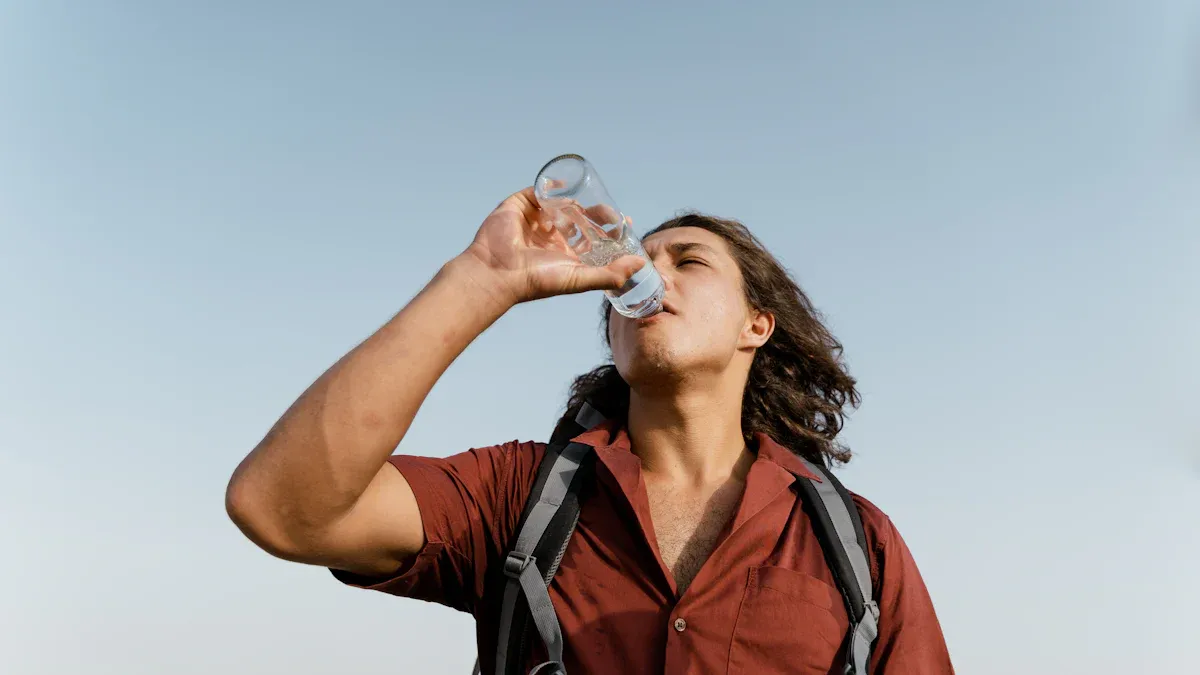
I know that physical activity increases my body’s need for water. These hydration tips help me maintain optimal performance and recovery. I focus on specific strategies before, during, and after my workouts. This ensures proper hydration for athletes.
Hydrate Before Exercise
I always prepare my body for exercise by hydrating beforehand. Before intense physical activity, I make sure to consume 500ml of electrolyte fluids per hour during the 2-3 hours leading up to my event. Electrolytes are crucial minerals in my bodily fluids. They direct water to where it is most needed. This maintains fluid levels and ensures proper cell hydration. Consuming water without electrolytes can hinder my body’s ability to retain the correct water balance in cells. In severe cases, it may even lead to hyponatremia.
Drink During Workouts
I understand the importance of drinking water during my workouts. I aim to prevent excessive dehydration, which means losing more than 2% of my body weight from water. I also try to avoid excessive changes in my electrolyte balance. For exercise lasting longer than 60 to 90 minutes, I drink between 3 and 8 ounces (90 to 240 ml) of a 6% to 8% carbohydrate–electrolyte beverage. I consume this every 10 to 20 minutes. For intense, prolonged exercise, I also aim for 600 to 1200 mL/h of a solution containing carbohydrates and sodium. This helps replace sweat loss and provides energy.
Replenish Fluids Post-Activity
After my activity, I focus on replenishing lost fluids and electrolytes. I often reach for water-rich foods. Fruits, veggies, and coconut water are great choices. I also like to snack on foods that contain salt. Salted nuts, crackers, cheese, and even canned beans help restore my electrolyte balance. I save sports drinks for longer, more intense exercise sessions or races. They are ideal for electrolyte absorption during activities lasting more than 60 minutes, especially in hot and humid conditions. I always check labels for electrolyte content to choose the best one for my needs. This comprehensive approach to hydration helps me recover well.
Hydration for Specific Needs
I know that my hydration needs change in different situations. I adjust my fluid intake when the weather is hot, when I am sick, or when I travel.
Staying Hydrated in Hot Weather
When I am in hot weather, I know I need to drink more. My body loses fluids faster through sweat. For example, ultra-endurance runners in warm conditions plan to drink about 663 mL of fluid every hour. Many of them also add sodium to their food or drinks. I make sure to keep a bottle of cold water with me. I also consider electrolyte products if I am doing sweat-inducing tasks. I take breaks when I work in the heat. I do not push through thirst cues.
For younger children, caregivers should offer fluids often. They should watch for signs of thirst. Personalized cups or frozen fruit treats can help. Older adults should talk to their doctor for a personalized hydration plan. Their thirst signals can decline. Their kidney function and medications can also affect their needs. Caregivers for older adults can offer six ounces of water each waking hour. I always monitor my urine color. I aim for a pale lemonade color. I also watch for confusion or dizziness. These are early signs of dehydration. I aim for consistent hydration throughout the day. I drink one 16.9-ounce bottle by breakfast, two by lunch, and three by dinner. In humid climates, I aim for 80–100 ounces of fluid on a typical summer day. I increase my intake when I sweat. I drink plenty of fluids with carbohydrates and electrolytes. This is especially true when I exercise in heat and humidity for more than one hour. I drink 15 to 20 minutes before a workout. I drink every 15 minutes during exercise. I avoid alcohol because it can make me lose more fluid. I drink cold liquids. They absorb better and help cool my body. Sports drinks with sodium, chloride, potassium, and calcium are good for long exercise in heat and humidity. Fruit drinks or smoothies are also good choices. They have a lot of water. Skim milk or low-fat milk can help restore protein after hard exercise. These steps help me stay hydrated in the heat.
Boosting Hydration When Sick
When I have a fever or feel sick, I try to drink more fluids. This is a common recommendation for all ages. I drink more than usual. I might choose fruit juice, soup, lemonade, or tea. This helps replace fluid lost from fever and fast breathing. It also helps correct dehydration. It can reduce mucus and moisten my respiratory tract. This makes me more comfortable. However, I know that there is not much strong evidence from studies to prove this. Some studies even suggest that too much fluid might be harmful for lower respiratory infections. It can cause low blood sodium. This is because my body might produce more of a hormone that holds onto water. So, while I drink more, I also listen to my body. I consult my doctor if I have concerns. This helps me prevent dehydration safely.
Hydration While Traveling
Traveling, especially flying, can make me dehydrated. The cabin pressure in airplanes is lower. This makes me lose water faster. The humidity is also very low. It pulls moisture from my skin and breathing passages. The recycled air can dry out my mucous membranes. Travel stress can also affect my fluid retention. My sleep patterns can change. This impacts hormones that regulate water. Moving between climates also makes my body work harder. This leads to more fluid loss. Caffeine and alcohol can also make dehydration worse.
I always carry a large refillable water bottle. I drink water often. I do not wait until I feel thirsty. I avoid diuretic drinks like tea, coffee, and alcohol. I also use eye drops for dry eyes. I apply skin moisturizer. I might even spray my face with water. I use a nasal spray to prevent a dry nose. I might also put a wet handkerchief on my face. This helps me breathe in moister air. I also consider hydration supplements like O.R.S. tablets. They help keep my pH levels balanced. They make me feel energized. These steps help me maintain good hydration during my travels.
Debunking Hydration Myths
I often hear many ideas about hydration. Some of these ideas are not entirely true. Let me clear up some common myths.
The Eight Glasses Rule
Many people believe they must drink eight glasses of water every day. This idea, often called the ‘8×8 rule,’ came from a 1945 report. It suggested about 2.5 liters of water daily. This equals roughly 64 to 80 ounces. However, a key detail was often missed. The original report said “most of this quantity is contained in prepared foods.” This context was lost over time. In 2002, Professor Heinz Valtin reviewed the literature. He found no data to support the ‘8×8 rule’ for healthy adults. He noted that our bodies are very good at keeping water balanced. Thirst is usually a reliable sign. Modern science shows that hydration needs are different for everyone. Factors like age, activity, and climate change how much water you need. I listen to my body’s cues, like thirst and urine color, instead of a fixed rule.
All Liquids Hydrate Equally
I used to think all liquids hydrated me the same way. This is not true. Beverages with a lot of sugar, like fruit juices or colas, are not as hydrating as water. Their high sugar content pulls water from your body into your small intestine. This dilutes the sugars. It makes them less hydrating. When I choose between soda and water, water is always the better option. It helps my kidneys and liver. It also keeps my skin healthy.
Here is how different beverages compare in hydration:
Beverage Type | Hydration Relative to Water |
|---|---|
Orange Juice | Statistically more hydrating |
Sodas | Similar hydration |
Black Coffee | Very mildly dehydrating |
Teas | Similar hydration |
Sports Beverages | Similar hydration |
Oral Rehydration Solution (ORS) | Statistically more hydrating |
Milk | Statistically more hydrating |
Lager | Very mildly dehydrating |
Other things also affect hydration. Sipping fluids often helps more than drinking large amounts quickly. Electrolytes, carbohydrates, and fats in drinks can also improve hydration. They slow stomach emptying. Caffeine and alcohol can increase urine output. This reduces fluid retention. However, studies show that drinks like coffee and lager do not always cause more urine output than water. This depends on the amount consumed.
Only Drink When Thirsty
I have learned that thirst is a good guide for drinking water. My body has a natural way to tell me when I need fluids. A study looked at the brain’s role in regulating water intake. Participants drank a lot of water after exercise when they were thirsty. They also drank when they were not thirsty. They found it three times harder to drink water when they were not thirsty. Brain scans showed higher activity in a specific brain area when they forced themselves to swallow. This suggests my brain “overrides” natural swallowing to allow excess water.
Michael Farrell, a study co-author, said, “If we just do what our body demands us to we’ll probably get it right – just drink according to thirst rather than an elaborate schedule.”
He also warned about the dangers of drinking too much. This can lead to hyponatremia. I trust my body’s signals. I drink when I feel thirsty.
I see consistent hydration profoundly impacts every aspect of my wellness. It boosts my physical health and mental clarity. Small, consistent changes in my hydration habits lead to significant improvements. I encourage you to choose a few hydration tips that resonate most. Gradually incorporate them into your daily life. You can take control of your health through these simple, yet powerful, practices.