

Is chia pudding healthy depends on the recipe in the bowl. Chia seeds bring fiber, protein, omega-3 fatty acids, and minerals, but added sugar, sweetened milk, and oversized toppings can turn a smart breakfast into a calorie-heavy dessert fast.
This guide covers what makes chia pudding a smart breakfast or a sneaky dessert, then shows how to build a balanced bowl that supports fullness, steady energy, and weight goals.
Key Takeaways
- Plain seeds matter. Chia seeds bring fiber, omega-3 fatty acids, protein, antioxidants, and minerals in a small serving.
- Add-ins change everything. Added sugar, sweetened milk, granola, and nut butter can turn a light bowl into a dessert.
- Protein improves staying power. Chia alone can feel filling without enough staying power for the morning.
- Blood sugar stays steadier. Chia pudding can fit blood sugar goals better than many sweet breakfast foods, but the recipe drives the effect.
- Portion size counts. Portion size matters as much as the seeds themselves, especially for weight loss or sensitive digestion.
What Chia Pudding Brings To The Table
The value starts with the seed itself, not the toppings. Chia gives you fiber, plant protein, omega-3 fatty acids, antioxidants, calcium, magnesium, and phosphorus in a small serving.
That mix explains why is chia pudding healthy is usually a recipe question, not a seed question. A base made with chia seeds can deliver several useful nutrients at once, which is why it earns a spot in many breakfast routines.
Seed Nutrition That Does More Than Fill Space
Chia seeds are small, but they carry a broad nutrient mix that does real work in a meal. Their fiber and modest protein content make them more useful than a plain sweet pudding cup, especially when you want a breakfast that does more than taste good.
That profile is the reason a basic chia base can feel like more than a trendy snack. You get a spoonable food that brings texture, minerals, and a modest protein lift without needing much volume.
The Gel Effect Changes Satiety
Chia absorbs liquid and forms a gel because its soluble fiber swells in water. That physical change slows eating, thickens the bowl, and may help you feel satisfied longer than a thin breakfast drink.
A plain example makes the point: chia mixed with unsweetened soy milk and berries acts very differently from chia mixed with vanilla pudding cups and syrup. The seed stays the same, but the meal shifts from nutrient-dense to dessert-like.
That texture difference sets up the biggest nutrition trade-off, because the liquid and toppings can either support the seed’s benefits or bury them under extra sugar.
Because simplicity usually wins, the next question is how to build a bowl that actually keeps you satisfied.
Why The Healthiest Versions Keep Sugar Low
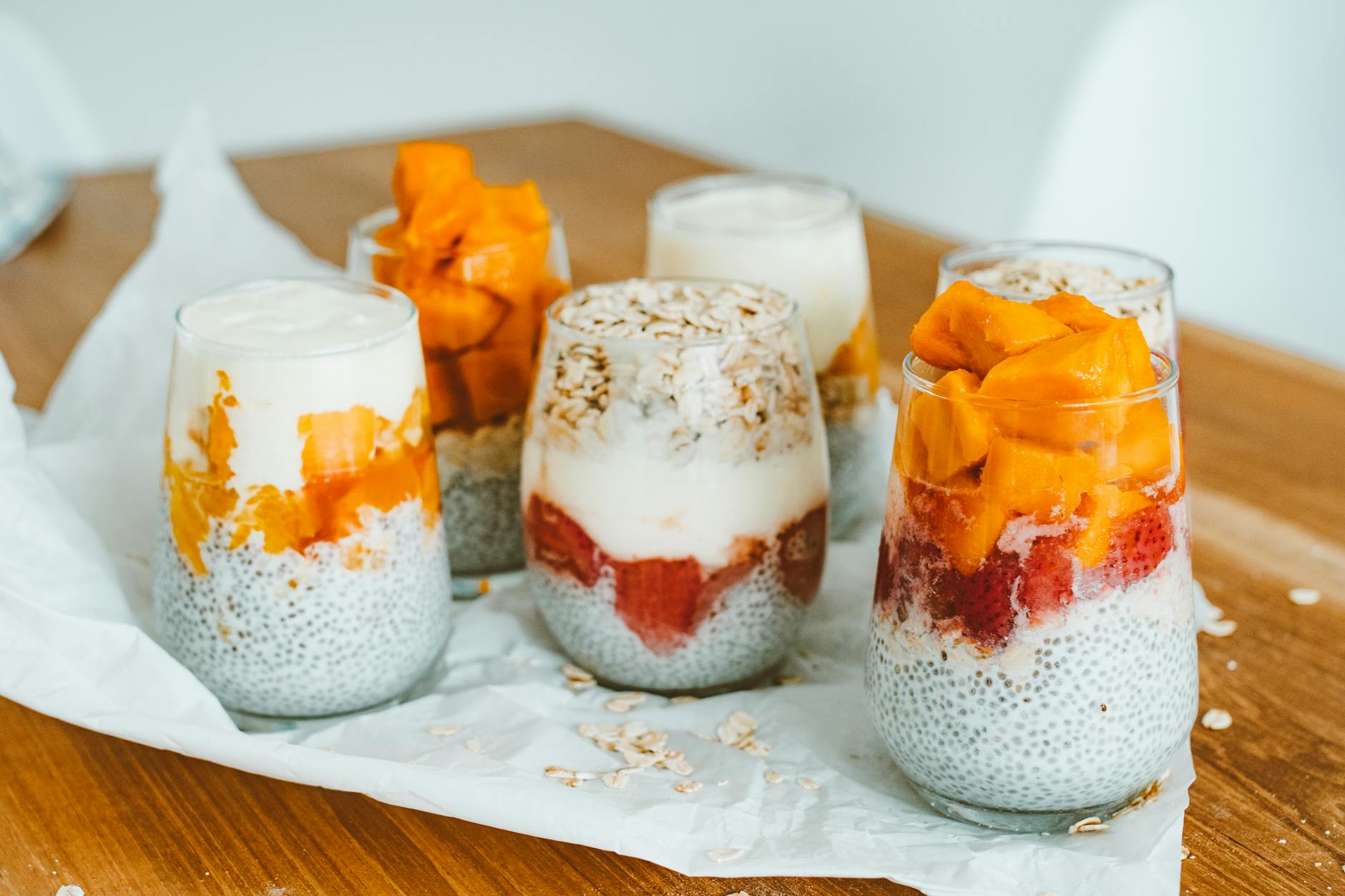
The trouble starts when a wholesome base gets buried under sweet add-ins. Sweetened milk, maple syrup, honey, jam, granola, chocolate chips, and thick nut butter can raise calories fast, and the bowl can drift from breakfast into a snack that eats like cake.
That is why is chia pudding healthy depends on added sugar as much as the seed itself. A bowl that looks simple can still pack a lot of calories if the toppings are doing most of the work.
Tip: scan the recipe the way you would scan a cereal label. The first two add-ins often tell you whether the bowl is built for nutrition or sweetness.
Why Liquid Choice Changes The Math
Unsweetened dairy milk, soy milk, and plain yogurt keep the bowl more balanced than flavored versions with added sugar. The same goes for fruit, where a handful of berries changes the flavor far less than a full layer of banana slices plus syrup.
Nut butter deserves special attention. A tablespoon can improve texture and add healthy fats, but a generous scoop can push the bowl from snack territory into a heavy meal before you notice.
A Dessert-Like Bowl Can Look Healthy
Granola clusters and glossy toppings can make the dish look virtuous even after the calories climb. That visual mismatch is part of the problem, because your eyes may read clean food while the spoon delivers a much richer load.
For that reason, is chia pudding healthy is the wrong question unless you also ask what the bowl contains. A plain base with controlled toppings can fit a healthy pattern; a sugary cup with a few seeds sprinkled in is a different story.
That distinction matters when you start comparing breakfast styles, because the healthiest bowl is usually the one that stays simple enough to do the job.
When a meal is repeated regularly, small ingredient choices can tip the scale for appetite, energy, and glucose control.
The Best Recipe Formula For Fullness And Balance
The most satisfying bowls start with protein, then use chia for texture and fiber. Greek yogurt, soy milk, kefir, or cottage cheese each changes the nutritional profile in a useful way, because chia alone does not supply enough protein for every breakfast situation.
When you want a bowl that actually keeps you full, protein has to anchor the recipe. Chia seeds add fiber and texture, but the base needs enough protein to support satiety through the morning.
Use Protein As The Anchor
Protein-rich dairy or soy ingredients help the bowl hold your appetite longer. That matters in plain terms: a breakfast that gives you a calm midmorning stretch is more useful than one that tastes good for ten minutes and leaves you searching for a snack at 10:30.
One practical example is a chia bowl mixed with plain Greek yogurt, unsweetened soy milk, cinnamon, and blueberries. Another is chia stirred into cottage cheese with sliced strawberries and chopped walnuts. Both keep the flavor simple while improving satiety.
Keep The Finish Small And Specific
Fruit, nuts, and cinnamon work best as finishing touches, not as the main event. A few berries add freshness, a small sprinkle of walnuts adds crunch, and cinnamon gives warmth without loading the bowl with sugar.
That kind of restraint is what separates a breakfast from a dessert cup. Your goal is steady fullness, not a large, spoonable sugar rush.
Heads up: a daily serving works best as part of a total eating pattern, not as a stand-alone fix. Fiber is helpful only when the rest of your day still makes sense.
That balance matters even more when you use chia often, because the recipe you repeat is the one that shapes your results.
Against that backdrop, serving size becomes the practical detail that keeps those benefits from turning into excess.
Weight Loss And Blood Sugar In Plain Terms
Chia pudding can fit weight loss goals because fiber and the gel-like texture may help with satiety. That does not make it a magic food, but it can make a calorie-controlled meal feel more satisfying than a pastry or sweet cereal.
For is chia pudding healthy for weight loss, the answer depends on whether the bowl stays modest or turns into a high-calorie dessert. A small serving with protein is very different from a large bowl stacked with syrup, granola, and nut butter.
Satiety Works Through Texture And Volume
Satiety is not only about calories. The way chia thickens liquid can slow the pace of eating, and slower eating gives your gut more time to send fullness signals.
The same bowl can work against weight management, though, if toppings turn it into a calorie-dense snack. A large serving with syrup, banana, nut butter, and granola can rival a rich dessert more than a breakfast.
Blood Sugar Depends On The Whole Bowl
Chia seeds do not automatically spike insulin. The glycemic impact comes from the total recipe, especially the sweeteners and starches around the seeds, not from chia alone.
That distinction matters for people tracking blood sugar. A pudding made with unsweetened milk, chia, and berries will behave differently from one made with sweetened yogurt, honey, and a crunchy topping blend.
Healthline and Harvard Health both frame chia as a high-fiber food, and that fiber is the main reason it gets attention in blood sugar discussions. Fiber slows gastric emptying, so the meal moves through the stomach more gradually and produces a gentler rise than a sugary breakfast would.
Plain Language On Insulin Response
Insulin is the hormone that helps move glucose from the blood into cells. A food that is rich in sugar and low in fiber tends to push that response harder than a food built around fiber, fat, and protein.
That means chia pudding can fit better into a blood sugar-conscious meal plan than many sweet breakfast bowls, as long as you keep added sugar low and portion size sensible. The recipe decides the direction, not the seeds by themselves.
That same logic is why people comparing breakfast choices often end up asking how chia stacks up against oats and yogurt.
That predictability also makes it easier to compare chia with other common breakfasts on texture, satiety, and nutrition.
Daily Portions That Stay Reasonable
For many people, one serving works well for breakfast, a snack, or a post-workout bowl. The problem starts when the serving grows, because even healthy ingredients carry calories and fiber that add up fast.
A predictable portion gives you a better read on how the food fits your day. That matters if you plan to eat chia pudding every day, since repeated oversized servings can quietly push calories higher than expected.
Keep The Portion Predictable
- Start with one bowl. A single serving gives you a clear sense of fullness before seconds enter the picture.
- Watch the toppings. A few berries, not a full fruit salad, keeps the bowl lighter.
- Favor unsweetened liquids. Plain milk or soy milk keeps hidden sugar lower.
- Limit rich add-ins. Nut butter and granola belong in measured amounts.
- Notice your digestion. High fiber can feel heavy too fast for some stomachs.
Eating chia pudding every day can be reasonable for many people if total calories and fiber stay in range. A breakfast habit that fits your schedule and appetite is easier to keep than a complicated plan you abandon after three mornings.
Digestive comfort deserves attention here. A sudden jump in fiber can cause bloating or cramping, especially for someone who rarely eats seeds, legumes, or high-fiber grains.
That makes portion control less about restriction and more about keeping the bowl predictable enough that your body tolerates it well.
Once those differences are clear, it becomes easier to see who may need to be more careful with it.
Where Chia Pudding Fits Against Oatmeal And Yogurt
Oatmeal, overnight oats, and yogurt bowls each bring a different strength, so the better choice depends on what you need from the meal. Chia pudding is cold, make-ahead friendly, and rich in soluble fiber, while oatmeal leans on whole grains and yogurt often wins on protein.
For chia pudding vs oatmeal, the real difference is the goal of the meal. Oatmeal is easier to build into a larger breakfast, while chia pudding can feel more filling in a smaller serving when you want something cold and spoonable.
| Breakfast | Main Strength | Trade-Off |
|---|---|---|
| Chia pudding | Fiber, omega-3 fats, and a thick, filling texture | Needs protein support and careful toppings |
| Oatmeal | Warm comfort and familiar whole-grain structure | Usually lower in omega-3 fats |
| Overnight oats | Convenient prep with more grain-based heft | Can turn sugary fast with mix-ins |
| Yogurt bowl | Higher protein from the start | May need seeds or oats for more fiber |
Chia pudding vs overnight oats is a tighter comparison. Overnight oats usually deliver more grain texture and a familiar breakfast feel, while chia pudding can shine on satiety and omega-3 fatty acids. For a high-protein start, yogurt still has the edge unless you add protein to the chia bowl.
That comparison helps you choose the texture and nutrient profile that fit your morning instead of defaulting to the same bowl every day.
That broader view brings the practical takeaway into focus, beyond any single ingredient.
People Who Should Be More Cautious With Chia
Dry chia expands in liquid, and that physical trait is the reason swallowing needs extra care. Chia that has not fully hydrated can be hard to manage for someone with swallowing problems, especially in a dry spoonful or a hurried bite.
Some people also need to watch how much fiber they add at once. A sudden jump in high-fiber foods can feel rough, even when the recipe looks healthy on paper.
Warning: dry seeds mixed into a very thick bowl can cling together. Let the mixture hydrate fully before serving, and avoid dry spoonfuls altogether.
Digestion Can Be Sensitive To Sudden Fiber Jumps
A fast rise in fiber can trigger bloating, gas, or discomfort in people whose usual meals are low in fiber. A smaller portion gives your gut time to adapt without the same strain.
Fluid matters too, because fiber works best alongside enough liquid. A thick bowl eaten without enough fluid can feel dense and uncomfortable rather than filling in a good way.
Rich Recipes Can Lose Their Health Edge
A very large bowl with sweetened yogurt, syrup, chocolate, and a heavy nut butter swirl no longer acts like a light health food. At that point, the seed base is doing little to offset the added calories.
It stays health-focused only when the ingredients, portion, and purpose line up with your goals, and that is the part worth checking before the bowl reaches the table.
That caution also explains why people asking is chia pudding good for you need to look past the seed and inspect the whole recipe.
What To Remember
Chia pudding earns its healthy reputation only when the recipe stays simple enough to let the seeds do their job. Fiber, omega-3 fatty acids, protein, and minerals can make the bowl a useful breakfast or snack, but sugar-heavy toppings can erase much of that advantage.
For your routine, the smart version is the one that leaves you satisfied without turning into dessert. That balance is what makes is chia pudding healthy a useful question in practice, not just in theory.
FAQ
Is it okay to eat chia seed pudding daily?
Yes, daily use can fit a balanced eating pattern for many people, as long as the serving stays moderate and the rest of your day includes enough fluid and varied foods. A large jump in fiber can bother sensitive digestion, so a smaller bowl is a better starting point.
Is chia pudding healthy to lose weight?
It can fit weight loss plans because fiber and texture may help you feel full, but the recipe still matters. A bowl loaded with syrup, granola, and nut butter can erase that advantage fast, while a plain base with protein is easier to fit into a calorie-aware plan.
Do chia seeds spike insulin?
Their high fiber and fat content make chia seeds unlikely to cause a sharp insulin rise. The rest of the bowl matters more, especially added sugar, sweetened milk, and high-starch toppings that shape the glycemic impact.
What is healthier, oatmeal or chia pudding?
Neither wins in every case. Oatmeal usually gives you whole-grain comfort and easy customization, while chia pudding brings more omega-3 fatty acids and a thicker, often more filling texture; yogurt bowls may beat both on protein unless you add more protein to the chia bowl.
Is chia pudding good for diabetics?
It can fit a blood sugar-conscious eating pattern when it is unsweetened, portioned well, and paired with protein. The full recipe matters more than the seed itself, so a dessert-style bowl is a poor match even though the base ingredient has fiber.
Can I eat chia pudding every day for weight loss?
Yes, daily use can fit weight loss goals when the serving is modest and the toppings stay restrained. A protein-rich base with berries or cinnamon is a better fit than a large, sweet bowl that adds more calories than you planned.
