

Yes, in ingredient terms, palm oil is plant-derived and fits the vegan definition. The harder question is ethical, because deforestation, habitat loss, and supply-chain practices can still affect whether you want it in your cart.
This article covers the vegan status of palm oil, why many shoppers still question it, and how labels, sourcing claims, and everyday products can influence your next grocery run.
Key Takeaways
- Plant-derived origin means palm oil and palm kernel oil are vegan by ingredient source.
- Other animal ingredients can still make a product nonvegan, even when palm oil is present.
- Ethical veganism often goes beyond ingredients and includes deforestation, habitat pressure, and labor concerns.
- RSPO sourcing addresses production standards, not whether an ingredient is animal-based.
- Label reading matters because palm oil shows up in food, soap, cosmetics, candles, and cleaning products.
The Ingredient Answer And The Real Debate
Palm oil comes from the fruit of the oil palm tree, so it is plant-based and counts as vegan in the narrow ingredient sense. A jar of spread, a boxed cookie, or a shampoo bottle can all contain it without containing animal matter.
The debate starts when you move from ingredients to ethics. Deforestation, wildlife habitat loss, and plantation expansion are the reasons many vegans avoid it, even though the oil itself is not an animal ingredient.
Ingredient status and ethical stance are not the same
Vegan food labeling focuses on animal-derived ingredients, so plain palm oil passes that test. Ethical veganism often goes wider and asks how a product affects land, animals, and supply chains.
That split explains why two vegans can read the same label and reach different conclusions. One may accept palm oil as vegan; another may treat it as a boycott item tied to forest pressure and biodiversity loss.
Why the question keeps coming up
Processed foods lean on palm oil because it stays stable at room temperature and helps texture hold together. That makes it common in shelf-stable snacks, frostings, and many packaged foods, which is why the question keeps coming back at the store shelf.
So the answer to is palm oil vegan depends on the line you draw. The ingredient answer is yes, but your personal ethics may still push you toward a different buying choice.
That broader sweep helps explain why some shoppers still steer clear, even when the ingredient itself checks a vegan box.
Where Palm Oil Shows Up In Everyday Products
That store-shelf reality shows up fast in the breakfast aisle. Palm oil appears in margarine, cookies, crackers, instant noodles, cereal bars, and chocolate spreads because it helps products stay smooth and firm.
Nutella is the familiar example most shoppers recognize. It contains palm oil, which is why it comes up so often in vegan label checks and why the question is palm oil vegan in food keeps surfacing online and in stores.
Food uses that matter most
Packaged food makers rely on palm oil for mouthfeel, shelf life, and heat stability. The oil helps a spread resist separation and helps baked goods keep a soft crumb after weeks on a shelf.
That chemistry matters. Palm oil is high in saturated fat, which gives it a semi-solid texture, while its fatty-acid profile also makes it less prone to oxidation than some liquid oils.
Nonfood products add more label clutter
Soap, shampoo, lotion, lipstick, laundry detergent, and candles can all contain palm-derived ingredients. A bar that looks plant-based on the outside may still rely on palm chemistry inside the formula.
Because of this, how to avoid palm oil in products starts with more than food labels. You need a habit of scanning toiletries and home goods as closely as snack boxes.
Ethical certainty rarely comes from a single label, which is why the sustainability claim deserves a closer look.
Why Many Vegans Still Avoid It
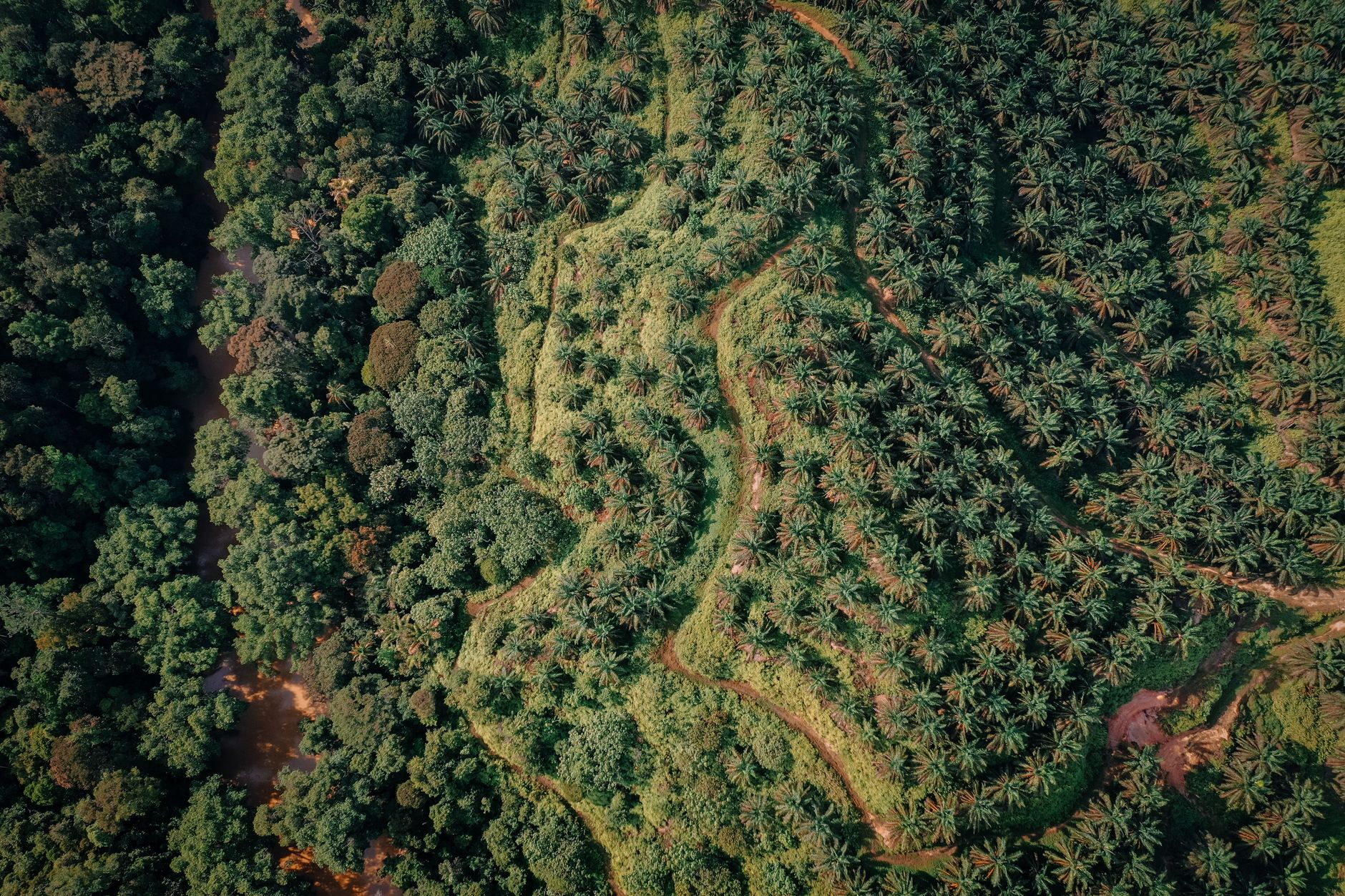
That ingredient-versus-ethics split becomes most visible in the forest itself. Palm plantations have been linked with deforestation in parts of Southeast Asia, and that loss can pressure orangutans, tigers, and other wildlife that depend on dense habitat.
The climate link matters too. Clearing forest releases stored carbon, and drained peat soils can keep emitting greenhouse gases long after the original cutback is done.
Animal harm is indirect, not built into the oil
Palm oil itself is not an animal ingredient, yet plantation expansion can displace wildlife and reduce habitat. That is why the moral argument is indirect: the oil is vegan by origin, but its production footprint can still trouble an ethical vegan.
Some vegans also object to labor conditions and land rights issues tied to the broader supply chain. That is a values judgment, not a claim that palm oil becomes nonvegan in the ingredient sense.
Boycott logic varies across vegan communities
A boycott is a personal standard, not a universal rule of vegan labeling. You may choose to avoid palm oil entirely, accept it only in certified supply chains, or treat it like any other plant oil.
That range is normal in ethical consumerism. The shared point is consistency, since your own line matters more than winning an argument over terminology.
Those questions become easier once you can spot the ingredient names that signal palm oil in plain sight.
What Sustainable Palm Oil Claims Really Mean
RSPO, the Roundtable on Sustainable Palm Oil, is a sourcing standard, not a vegan label. It speaks to how the oil was produced and traced, not whether the ingredient came from an animal or a plant.
That distinction matters because sustainable palm oil can still be palm oil. Certification may improve traceability, set land-use rules, or limit some harmful practices, yet it does not erase every ethical concern.
| Label or Claim | What It Tells You | What It Does Not Tell You |
|---|---|---|
| RSPO | The oil follows a sourcing standard with traceability and land-use rules. | Whether the ingredient is animal-based, because palm oil already comes from a plant. |
| Segregated sourcing | The supply chain keeps certified oil separate from uncertified oil. | That every ethical concern disappears, since land pressure can still exist. |
| Mass balance | A blend of certified and regular oil enters the system. | That the finished item contains only fully traceable oil. |
| No certification claim | Nothing about sourcing standards is stated on the pack. | That the oil is worse by default, since the supplier may still follow a standard. |
Certification can narrow the field, but it cannot answer every ethical question on its own. For your own standards, use it as one clue, not the final verdict.
A practical way to read these claims is to separate three questions. First, ask whether the ingredient is vegan. Second, ask whether the sourcing matches your ethics. Third, decide how much certainty you need before you buy.
A label check only goes so far, though, when the real decision is about how much compromise you can live with.
Reading Labels For Palm Oil And Its Derivatives
Ingredient decks hide palm origin under several names, and that is where label reading saves time. You may spot obvious terms like palm oil, palm fruit oil, or palm kernel oil, but the shorter derivative names are easier to miss.
Palm kernel oil comes from the seed inside the fruit, not the fruit flesh. It is still plant-based, and it is still separate from coconut oil, canola oil, sunflower oil, and olive oil, which have different fatty-acid profiles and texture behavior.
Ingredient names that point to palm origin
- Palm oil appears directly on many food and personal-care labels.
- Palm kernel oil comes from the seed and often shows up in soaps and confections.
- Palmate and palm kernelate usually signal palm-derived soap ingredients.
- Glyceryl stearate or stearic acid can come from palm, though the source may vary.
- Palmitate names a palm-linked fatty-acid family used in several formulas.
- Sodium lauryl sulfate and similar surfactants may be palm-based in some products.
A quick shopping checklist
- Scan the ingredient panel instead of the front label, because front claims can miss palm derivatives.
- Check four categories by looking at food, cosmetics, soap, and candles on the same shopping trip.
- Separate kernel oil from coconut, canola, or sunflower oil, since palm kernel oil is its own ingredient.
- Read brand statements for hidden derivatives, especially in shampoo and lotion formulas.
- Watch vague terms like vegetable oil, then confirm the source on the full ingredient list.
The label problem gets easier once you know the names. A cookie with a short ingredient list may still hide palm in the frosting, while a body wash can use several palm-derived surfactants without saying so plainly.
That tension is the heart of the choice, and the clearest answer is the one you can apply consistently.
A Practical Way To Decide What Fits Your Ethics
Most people land in one of three camps: accept palm oil as vegan, avoid it entirely, or choose certified sourcing where possible. The right answer depends on your budget, your time, and how much supply-chain harm you want to avoid.
That decision is easier when you match it to the product type. A snack you buy once a month may feel different from a soap or lotion you replace every week.
Three workable positions
Accepting palm oil as vegan is the cleanest ingredient-based rule. It keeps your shopping simple and matches standard vegan label logic.
A full boycott fits a stricter ethical line. That choice can feel more consistent for you, but it takes more label work and can reduce product options.
Choosing lower-impact certified sources sits between those two poles. It may not solve every concern, yet it gives you a middle path that still reflects ingredient ethics and supply-chain concern.
Consistency beats argument
Small habits matter more than perfect slogans. One person may skip a chocolate spread and keep a shampoo; another may do the reverse, and both can be acting from the same ethical impulse.
This debate surfaces most sharply around pantry staples, because the ingredient is so common that your daily routine can feel at odds with your values. A steady standard, even an imperfect one, keeps your choices clear.
Bottom Line
In ingredient terms, it qualifies as vegan, but your ethical view may still land somewhere else. Once you separate the plant-based answer from deforestation, wildlife harm, and sourcing concerns, your shopping decisions get much clearer.
FAQ
Is palm oil vegan?
Yes. Palm oil is plant-derived, so it fits the vegan ingredient definition. The debate starts with ethics, not with the oil itself, because some vegans avoid it for environmental and supply-chain reasons.
What is the difference between palm oil and palm kernel oil?
One oil is pressed from the fruit, and the other comes from the seed inside the fruit. Both are plant-based, but they behave differently in food and soap because their fat profiles are not the same.
What ingredients are derived from palm oil?
Common names include palmate, palm kernelate, palmitate, stearic acid, and some glyceryl ingredients. The source can vary, so the full ingredient list matters more than the front label.
Is sustainable palm oil okay for vegans?
It can be, because certification speaks to sourcing and land-use standards rather than animal origin. Your own ethics decide whether certified palm oil feels like a reasonable middle ground or still feels too harmful.
How can I tell if a product contains palm oil?
Read the ingredient panel for palm oil, palm kernel oil, palmate, palm kernelate, and palmitate names. Food, cosmetics, soap, and candles all use palm-derived ingredients, so a quick front-label scan is not enough.
