

Pure vanilla extract is usually vegan because it refers to vanilla beans, ethanol or alcohol, and water, with no animal-derived ingredients in the standard formula. The label still matters, since added glycerin, natural flavors, colorings, or specialty carriers can change the answer fast.
This guide explains what vegan shoppers should look for on vanilla extract bottles, from ingredient lists to labeling quirks, and how to tell whether a baking staple fits plant-based standards.
Key Takeaways
- Pure extract fits many diets. Vanilla beans and plant-based alcohol make the standard formula a common vegan choice.
- Alcohol is rarely the problem. Glycerin, natural flavors, and coloring agents deserve closer label reading.
- Imitation formulas vary. Artificial vanilla extract and vanilla flavoring can use different carriers and additives.
- Certification gives clarity. A vegan mark is the clearest signal when you want a stricter standard.
- Paste needs scrutiny too. Vanilla bean paste can be plant-based, yet some brands add honey or other non-vegan ingredients.
The Short Answer On Vanilla Extract
Pure vanilla extract is a plant-based flavoring made from vanilla beans steeped in alcohol and water. The bean comes from an orchid, and the alcohol base is usually made from grain or cane, so the standard formula fits many vegan diets.
That said, label details still matter because flavored versions, specialty blends, and bakery products can bring in glycerin, color, or other additives. A quick scan can save you from guessing at the grocery shelf.
Behind that simple label, the ingredient list can quietly shift the answer in either direction.
How Vanilla Extract Is Made
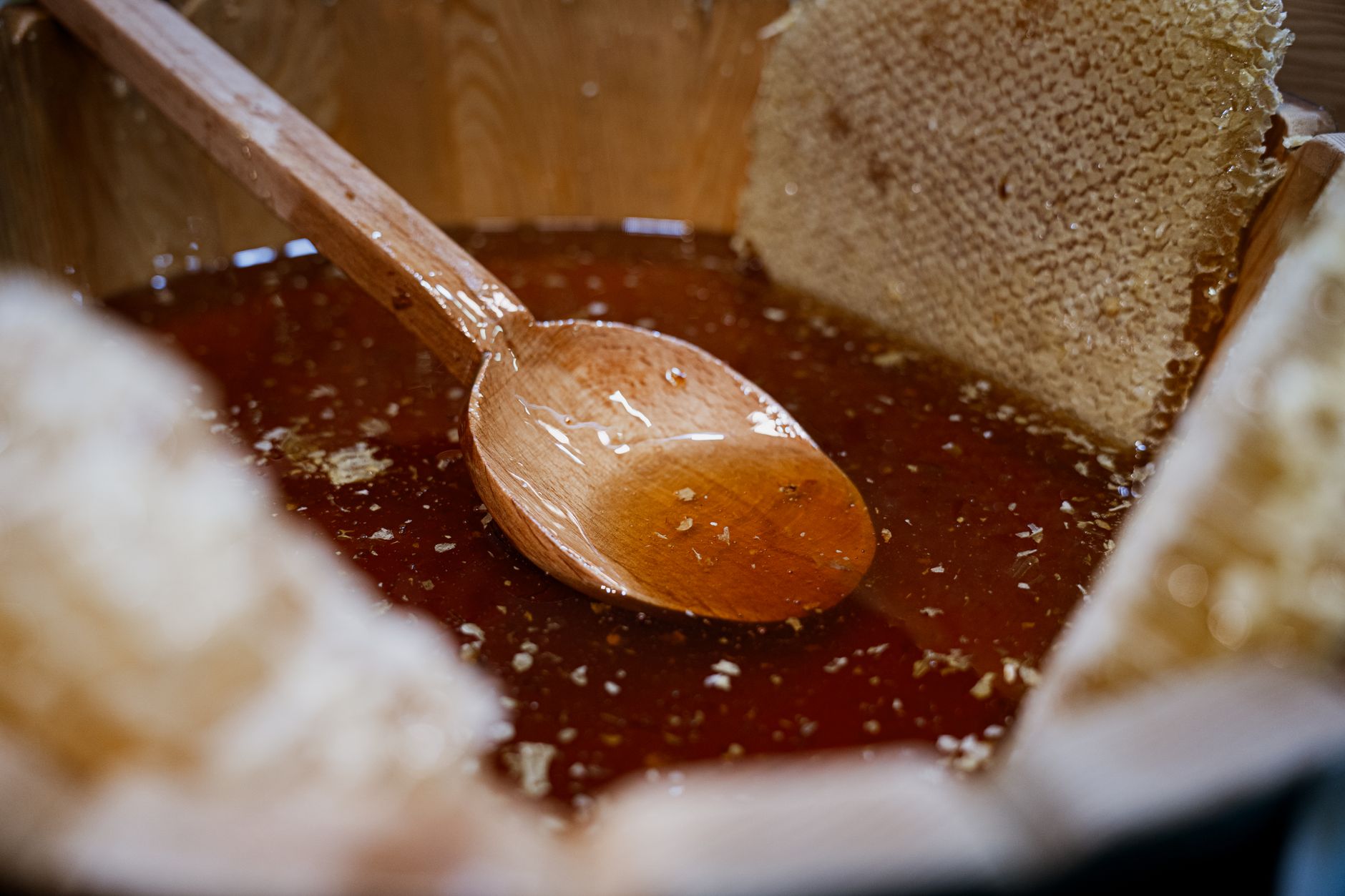
The extraction process uses simple ingredients
Vanilla beans are split, soaked, and left in alcohol so flavor compounds move out of the pod and into the liquid. Water helps set the strength, while ethanol carries vanillin and related aromatics that give vanilla its familiar scent.
That process is compatible with vegan eating because it relies on plant material and a plant-derived solvent. The chemistry is straightforward: ethanol dissolves flavor compounds well, which is why the extract tastes so concentrated even in small amounts.
The castoreum myth does not fit standard extract
Castoreum is a beaver gland secretion that has a long history in flavoring discussions, but it is not a standard ingredient in vanilla extract.
That rumor survives because it sounds shocking, not because it matches common manufacturing. In routine grocery-store vanilla extract, your concern is the label in front of you, not a secret animal ingredient hiding in the base recipe.
Cook’s Vanilla and similar brands have addressed this confusion directly, which matters because a clear ingredient list beats kitchen folklore every time. Once you know how the extract is made, the next issue is the small print that can change the answer.
Different formats carry different clues, and those clues reveal where vegan concerns usually begin.
The Ingredients That Change The Vegan Answer
Watch for unclear add-ins
Glycerin can be plant-derived or animal-derived, so it deserves a closer look in any flavored vanilla product. Natural flavors can also come from many sources, which makes them less transparent than vanilla beans, alcohol, and water alone.
- Glycerin: Check whether the source is stated, since the label may not spell out origin.
- Natural flavors: These can come from plant, animal, or mixed sources.
- Color additives: Caramel color and similar ingredients may vary by brand and process.
- Non-alcohol carriers: Syrups, propylene glycol, or other bases need extra review.
- Honey or dairy: Some specialty products add sweeteners or cream-based ingredients.
That same label logic helps when you judge pure vanilla extract vegan claims against products that look similar on the shelf. A bottle can still fit a vegan diet, but only after the ingredient list rules out animal-derived ingredients and ambiguous carriers.
Specialty formulas need closer reading
Mexican vanilla is a good example because the label can point to a place rather than a single recipe. Some bottles are pure extract, while others are blended with flavor systems that shift the vegan answer.
Processed foods raise the same issue. Vanilla wafers, ice cream, and bakery fillings may use vanilla extract, vanilla flavoring, or both, and the rest of the formula can carry egg, milk, or other animal-derived ingredients. That means the vanilla itself is only part of the check.
Once you move past specialty bottles, the next step is comparing the common formats side by side so you can spot where the risk usually sits.
Labels can still mislead, which is why ingredient details matter more than the bottle’s promise.
Pure, Artificial, And Bean Paste Compared
Labels look similar on the shelf, but the ingredient lists can tell very different stories. A side-by-side view helps you sort out pure extract, imitation versions, and paste before you bake.
| Product | What It Is | Vegan Check Point |
|---|---|---|
| Pure vanilla extract | Vanilla beans steeped in alcohol and water | Usually vegan, but still read for added glycerin or flavors |
| Imitation vanilla | Synthetic vanilla flavor built around vanillin | Can be vegan, yet carriers and colorings vary by brand |
| Artificial vanilla extract | A lab-made flavor product that mimics vanilla | Check the base ingredients, not just the front label |
| Vanilla flavoring | A broad label for liquid vanilla-type flavor | May use non-alcoholic carriers that need closer review |
| Vanilla bean paste | Thick vanilla product with bean specks | Can be vegan, but some brands use honey or syrup blends |
Vanillin is the main aroma compound in many vanilla products, and it can come from the bean or from synthetic production. That single molecule explains why imitation versions can taste close to pure extract, while the ingredient list still decides vegan status.
For baking, paste gives you visible flecks and stronger visual impact, while extract blends smoothly into cake batter or custard. Vanilla flavoring can also work in recipes, but you still need to read beyond the front of the bottle. That is where the label routine pays off, and it answers is vanilla extract vegan without guesswork.
Those extra additives are the last hurdle before a confident choice, and they deserve careful checking.
Choosing A Vegan-Safe Vanilla Product
A careful label check gives you the fastest way to separate a standard bottle from a borderline one. That matters because the same front label can hide very different ingredient lists, especially in store brands and flavored blends.
Read the label in a fixed order
Start with the ingredient list, then move to allergen notes, then look for a vegan mark or a clear brand statement. This order catches the hidden details that matter before the marketing language pulls your eye away.
- Check the base: Vanilla beans, alcohol, and water point to the cleanest starting place.
- Scan additives: Look for glycerin, natural flavors, caramel color, and sweeteners.
- Read allergen notes: Milk, egg, or shared equipment warnings can matter in baked goods.
- Look for certification: A certified vegan mark gives the clearest signal for strict shopping.
- Confirm the brand statement: Brand sites and product pages can explain sourcing in plain language.
That routine is useful for how to check vanilla extract ingredients because it moves from the most concrete detail to the most ambiguous one. A brand can say “natural,” yet the panel still decides whether the product fits your standard.
Brand claims need context
McCormick, Fig App, and other label-screening tools or brand notes can help you compare products, but the ingredient panel still has the final say. A product may fit vegetarian eating and still miss a stricter vegan standard because of one add-in.
Halal and vegetarian rules overlap with vegan rules in some places and split in others. Alcohol source, animal-derived flavor carriers, and processing aids can affect all three differently, so your label check should match the standard you care about most. That same habit also helps when you ask is vanilla extract halal or compare products that need certified vegan status.
For practical baking, a verified pure extract is the safest everyday pick, while imitation or bean paste can work once the source and additives are clear. That matters whether you are making cookies, custard, or a pan of vanilla wafers from scratch, and it also helps when you compare pure vanilla extract vegan options with natural vanilla extract vegan claims at the store.
You may also run into artificial vanilla extract vegan labels, and those can be fine when the carrier stays plant-based. The front panel alone is not enough, because glycerin, natural flavors, and colorings can still change the final answer.
What To Remember
Pure vanilla extract is usually vegan, but the bottle in your hand still deserves a careful read. Once glycerin, natural flavors, and specialty carriers enter the picture, the answer can change fast, and the cleanest confirmation comes from a clear ingredient list or a vegan certification mark. That is why is vanilla extract vegan is best answered from the label, not the front panel alone.
When you want the safest choice, look for certified vegan vanilla or a product that names only vanilla beans, alcohol, and water. That simple rule also helps with vanilla bean paste, imitation vanilla, and other products where the base formula can shift from brand to brand.
FAQ
Can vegans eat vanilla extract?
Yes, pure vanilla extract is usually suitable for a vegan diet because it is made from vanilla beans, alcohol, and water. The label still matters because flavored blends and specialty products may include additives that change the answer.
Is pure vanilla extract always vegan?
Most bottles of pure vanilla extract are close to a standard vegan choice, but not every one is identical. Added glycerin, natural flavors, or sweeteners can shift the formula, so your ingredient scan should stay with the actual product in front of you.
What ingredients should I check on the label?
Look for glycerin, natural flavors, color additives, sweeteners, and any non-alcohol carrier. Vanilla beans, alcohol, and water are the usual base, so the extras are what change the vegan answer.
Is artificial vanilla extract vegan?
It can be, but the answer depends on the carrier ingredients and any added flavors or colors. Artificial formulas may use synthetic vanillin, yet the rest of the ingredient list still decides whether the product fits your needs.
What can I use instead of vanilla extract in baking?
Vanilla bean paste, imitation vanilla, and some non-alcoholic vanilla flavorings can work in recipes, as long as the ingredient list fits your diet. Maple, almond, or citrus can also change the flavor profile in a clean way, depending on the recipe.
What ingredients in vanilla extract could make it non-vegan?
Glycerin, natural flavors, honey, dairy, and some color additives are the main ingredients that can change the answer. Alcohol itself is usually not the problem, but a flavored blend can still include an animal-derived ingredient or carrier.
