

A package-by-package label check usually matters more than a simple yes or no for this brand. Some loaves avoid animal ingredients, while others include milk, whey, eggs, or honey, so the label in your hand decides the answer.
You need the current package, not an old ingredient photo, if you want a reliable check in the aisle. This matters for sliced bread, buns, and specialty varieties that share the Wonder name.
Key Takeaways
- Wonder Bread’s vegan status depends on the exact variety and the current packaging label.
- Milk, whey, eggs, and honey are clear non-vegan ingredients whenever they appear.
- Monoglycerides, diglycerides, and some emulsifiers need source checks because plant or animal sources are both used.
- The package label gives you the fastest answer, and the manufacturer can settle anything unclear.
- Wonder Classic White can look simple on the surface, yet formula details still matter for a vegan diet.
The Short Answer On Wonder Bread’s Vegan Status
Wonder Bread is a packaged bread line, not a single formula. A few products can fit a vegan diet, but others include dairy or egg ingredients, so the exact SKU and current package decide the answer.
That label-first approach keeps you from relying on old ingredient lists or a familiar logo. It also gives you a clean way to compare the loaf, buns, and specialty breads that share the Wonder name.
A closer look at the formula reveals the ingredients that settle the question fastest.
What The Flagship White Loaf Reveals First
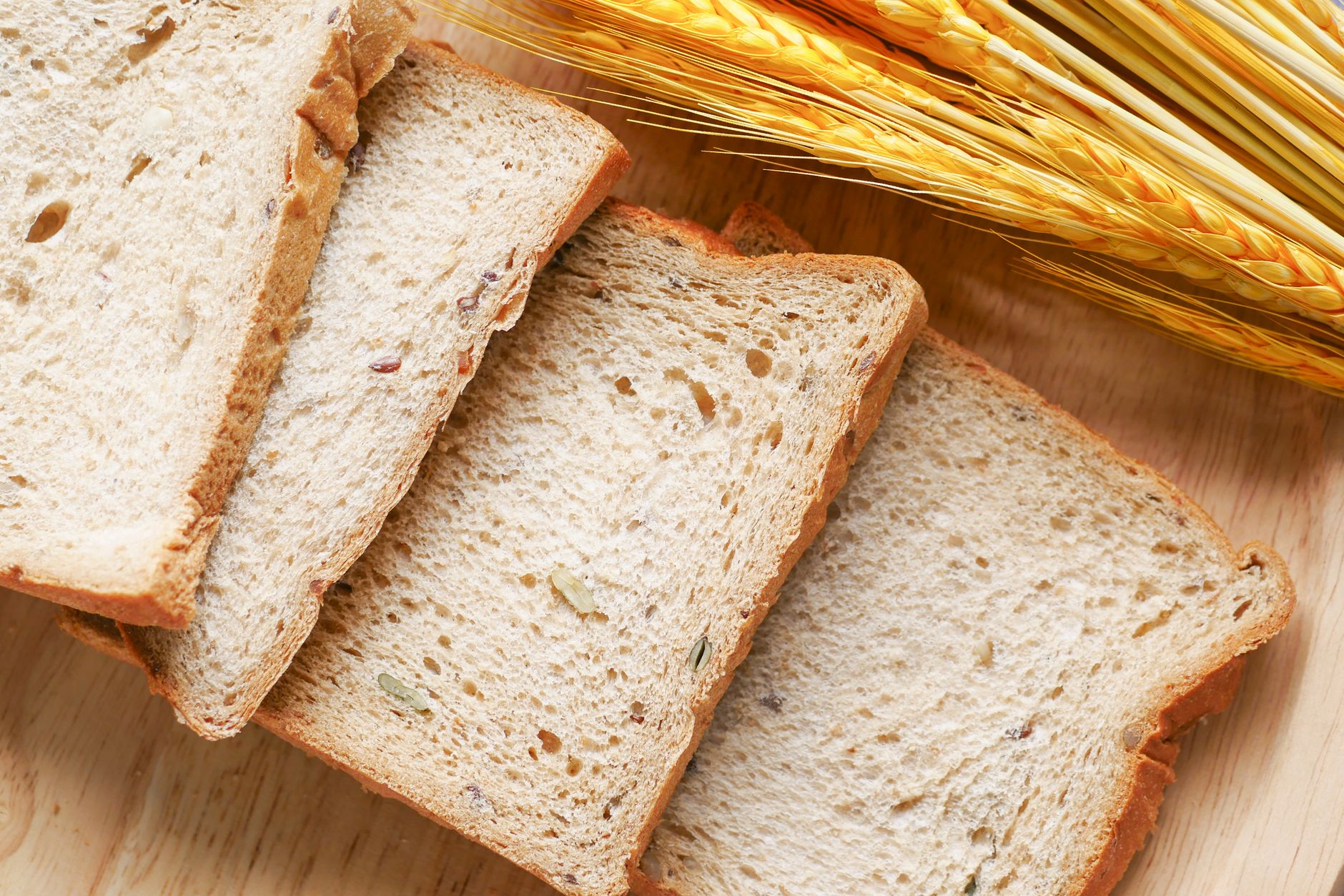
Wonder Classic White as the baseline
On grocery shelves, Wonder Classic White is the loaf most people reach for first, making it a useful baseline. Its ingredient list often looks like standard supermarket sandwich bread, with enriched flour, water, sugar, yeast, salt, oil, and preservatives doing the main job.
Yeast sits on the vegan-compatible side of the line. It is a fungus, not an animal ingredient, and bread formulas depend on it to produce carbon dioxide during fermentation, which gives the loaf its rise and soft crumb.
What each ingredient group does
- Flour base: Enriched wheat flour or bread flour provides structure and starch for the loaf.
- Sweeteners: Sugar and similar ingredients feed browning, flavor, and yeast activity.
- Leavening: Yeast creates gas that expands the dough and softens the final texture.
- Fats: Vegetable oils help tenderness and slow staling in sliced bread.
- Conditioners: Emulsifiers and dough improvers shape softness, slice quality, and shelf life.
- Preservatives: Calcium propionate and related preservatives slow mold growth in packaged loaves.
That structure matters because the bread can look plain while still hiding a few high-value clues. Once you know which categories matter, the ingredients that decide the verdict become much easier to spot, and the next section shows exactly which ones end the search.
Different formulas can hide under the same brand name, which is why each variety needs its own check.
Ingredients That Decide The Verdict
Clear non-vegan ingredients
Milk, whey, eggs, and honey are the easiest markers to spot. Any one of them makes a loaf non-vegan, and whey is especially common in enriched baked goods because it adds dairy solids and flavor.
These ingredients also appear in buns, rolls, and specialty sandwich breads, so the question is not limited to sliced loaves. Your fastest screen is the bold allergen line, because milk and eggs usually show up there even before you read the full list.
Check the bold allergen statement before scanning the full ingredient panel. It can save time at the shelf, especially on a crowded package with small print.
Ambiguous additives that need source verification
Monoglycerides and diglycerides can come from plant oils or animal fats. That source split is the reason ingredient names alone do not always answer the vegan question cleanly, even when the bread looks simple.
Dough conditioners and processing aids create the same gray zone. A product may stay technically bread-like and still rely on an additive whose source is not visible on the package, so a manufacturer inquiry can settle the point.
That gray area is why a brand-level shortcut fails. Once you compare varieties side by side, the differences become much easier to see, especially when the same label name covers several formulas.
Once the formulas diverge, the package itself becomes the quickest clue to what you’re actually buying.
Why Different Wonder Bread Varieties Do Not Match
One brand, separate formulas
Classic sliced bread, buns, and dinner rolls can share the Wonder name while using different formulas. A loaf may look vegan-friendly, while a bun version adds dairy-based softeners or another additive that changes the answer.
Wonder Bread ingredients can shift by product type, so the name on the front does not tell the whole story. That is why the exact package matters more than the variety family.
| Wonder Bread variety | Label pattern to watch | Vegan check |
|---|---|---|
| Classic white sliced bread | Wheat flour, yeast, oil, preservatives | May fit a vegan diet, label still decides |
| Buns and rolls | Milk, whey, eggs, honey, emulsifiers | Often needs closer review |
| Specialty sandwich bread | Conditioners, dairy solids, sweeteners | Can shift either way |
| Regional or limited formula | Ingredient changes by market | Verify the exact package you see |
That matrix is the most reliable shopping habit because it keeps you tied to the exact SKU, not the family name. The next issue is how the label itself can confirm or complicate the answer, and that is where most quick checks either succeed or fall apart.
Those packaging clues matter because mainstream loaves follow the same broad playbook.
Label Details That Confirm Or Complicate The Answer
Allergen statements move fast
The fastest clue is the contains statement near the ingredient panel. A line such as “contains milk” or “contains egg” ends the search immediately, while a missing allergen line does not prove vegan status on its own.
Bolded allergens in the ingredient list work the same way. They are a quick filter, not a full vegan audit, because they do not reveal the source of every emulsifier or dough conditioner.
Older ingredient lists can mislead
Archived web listings and old package photos can lag behind a reformulation. Bread formulas change for shelf life, softness, or supply reasons, and that can shift a loaf from plant-based to dairy-containing without much fanfare.
A package in your hand beats a blog screenshot from last year. That current-label habit matters even more for Wonder Bread because some varieties have quiet formula differences from one market to another.
Once you start checking the package itself, the brand sits in a wider supermarket pattern, not an isolated case. That broader view helps you judge packaged bread more quickly, and it also helps when you compare Wonder Bread with other mainstream loaves.
When the choice comes down to seconds, a quick aisle checklist keeps the answer clear.
How Wonder Bread Fits Into Mainstream Packaged Bread
Commercial bread uses more helpers than homemade bread
Homemade bread can be as simple as flour, water, yeast, and salt. Packaged bread often adds conditioners, oils, preservatives, and emulsifiers so the loaf stays soft for several days on a shelf.
That does not make commercial bread non-vegan by default. It does mean the ingredient list deserves more attention, because a single dairy additive can change the status of an otherwise ordinary sandwich loaf.
A practical buying benchmark
Look for a short ingredient list with no milk, whey, eggs, or honey, then confirm any emulsifier source that feels unclear. A loaf that passes those checks is far easier to trust than one with a long additive list and no current manufacturer information.
Sara Lee and other mainstream sandwich-bread brands follow the same logic. The brand matters less than the formula, and the formula matters less than the label sitting in front of you.
Vegetable oils, yeast, flour, water, and salt give you the cleanest starting point. Once the list grows long, the odds of an unclear additive rise.
That brings the answer back to the shelf, where the decision has to happen in seconds. A simple decision path keeps you from overthinking it, and the steps below make that process fast.
A Fast Store-Aisle Decision Framework
Start with the current package
- Read the package label: Use the bread bag in front of you, not a saved photo or stale web listing.
- Scan the contains line: Milk, egg, or whey in that statement ends the vegan check right away.
- Check the full list: Honey, whey, casein, and egg ingredients settle the answer without guessing.
- Watch the additives: Monoglycerides, diglycerides, and some emulsifiers may need source confirmation.
- Verify formula changes: Recheck the product page or contact the manufacturer before you buy.
A loaf that passes those five steps is far easier to judge than one built on assumptions. That same habit also helps you spot the rare Wonder Bread product that fits your vegan diet while another from the same brand does not, and the FAQ below clears up the most common label checks.
FAQ
Is Wonder Bread vegan?
Not across every product. Some Wonder Bread formulas may avoid obvious animal ingredients, while others include milk, whey, eggs, or honey, so the exact package label decides the answer.
Is Wonder Bread dairy free?
Some varieties may be dairy free, but that status is product-specific. Look for milk, whey, casein, or other dairy ingredients on the contains line and the full ingredient panel.
Does Wonder Bread contain eggs?
Buns, rolls, and specialty formulas from Wonder Bread can sometimes list eggs among their ingredients. The current package label gives the clearest answer, and bolded allergen text is the fastest place to check.
Which Wonder Bread varieties are vegan?
Classic-style sliced bread is the most likely place to find a vegan-friendly formula, but no variety gets a blanket pass. Each SKU needs its own label check because formulas can differ by product and market.
How do I check if Wonder Bread is vegan on the package label?
Start with the contains statement, then read the ingredient list for milk, whey, eggs, honey, monoglycerides, and diglycerides. A manufacturer contact can settle source questions for emulsifiers and conditioners.
Has the Wonder Bread formula changed over time?
Yes, bread formulas can change without much notice. Older ingredient photos and archived listings may not match the loaf on the shelf, so the current package always matters more than past versions.
