

Ready to start keto for beginners? Begin by checking food labels for carbs, fats, and fiber. Keep your daily carb intake between 20 and 30 grams. Choose healthy fats and eat moderate protein. Plan your meals to add variety and avoid boredom.
Tip: Gradually lower your carbs, drink plenty of water, and learn about the keto flu so you can manage side effects.
Common myths say keto is only for weight loss or that all low carb foods fit the diet. You need the right balance. Ask your doctor before making big changes. Start small and stay motivated!
Key Takeaways
Start your keto journey by checking food labels for carbs, fats, and fiber. Keep daily carb intake between 20 and 30 grams to enter ketosis.
Focus on healthy fats and moderate protein. Foods like salmon, eggs, and avocados are great choices to keep meals interesting.
Be aware of the keto flu. Stay hydrated, eat enough healthy fats, and gradually lower carbs to manage symptoms effectively.
Plan meals ahead to avoid unhealthy choices. Create a shopping list based on your meal plans to stay on track.
Track your progress with apps to monitor your food intake and stay motivated. Celebrate small wins to keep your spirits high.
Keto for Beginners: Basics
What is Keto?
You might wonder what keto for beginners really means. Keto is a way of eating that focuses on high fat, moderate protein, and very low carb foods. The main goal is to get your body into a state called ketosis. In ketosis, your liver turns fat into energy, which your brain and body use instead of carbs. This process happens when you eat very few carbs each day.
Here’s what makes the keto diet unique:
The keto diet is high in fat, moderate in protein, and very low in carbs.
Doctors first used keto to help children with epilepsy who did not respond to other treatments.
When you eat fewer carbs, your liver makes ketones from fat. These ketones give your brain and body energy.
Most people on keto for beginners keep their carbs between 20 and 30 grams per day.
Many people ask questions about keto for beginners. Here are some common ones:
Question | Answer |
|---|---|
What is a keto diet? | A high-fat, low-carbohydrate diet that promotes ketosis. |
Is a keto diet safe? | Generally safe, but individual assessment is recommended. |
What foods can you eat? | Foods high in fat and low in carbs. |
Is ketosis safe for diabetics? | Requires careful monitoring and physician guidance. |
How many carbs can you eat? | Typically 5% to 10% of total caloric intake. |
Benefits of Keto
You may want to know what benefits you can expect from keto for beginners. Many people try keto for weight loss, but there are other health benefits too. Keto can help with diabetes and type 2 diabetes by lowering blood sugar and improving insulin sensitivity. Some studies show that keto can help lower blood pressure, reduce waist size, and improve cholesterol.
Check out these results from clinical studies:
Metric | Before Diet | After Diet |
|---|---|---|
Participants with Metabolic Syndrome | 29% | 0% |
Average Weight Loss | N/A | 10% |
Waist Circumference Reduction | N/A | 11% |
Blood Pressure | N/A | Lowered |
Body Mass Index | N/A | Lowered |
Triglycerides | N/A | Lowered |
Blood Sugar Levels | N/A | Lowered |
Insulin Resistance | N/A | Lowered |
Improvement in Mental Illness | N/A | 31% |
You might notice that keto for beginners can help with weight loss and lower the risk of type 2 diabetes. Many people see their blood sugar and insulin resistance improve. Keto can also help lower triglycerides and blood pressure. Some people even report better mental health.
Here are more things you should know about the benefits of keto for beginners:
Keto can help control your appetite, making it easier to eat less and lose weight.
People with type 2 diabetes often see better blood sugar control on keto.
Keto may help lower triglycerides and raise HDL (the “good” cholesterol).
Some people with type 2 diabetes need less medication after starting keto.
Keto for beginners is not just about weight loss. It can help with metabolic health and may lower the risk of heart disease.
Some people with mental health issues, like depression, see improvement on keto.
Keto for beginners is not a cure for diabetes or type 2 diabetes, but it can help manage these conditions.
The long-term effects of keto for beginners are still being studied, especially for people with diabetes and type 2 diabetes.
Note: Keto for beginners is not better than every other diet for weight loss. Some people lose weight faster, but others do not. Keto may help you feel full and eat less, but it is not a magic fix. Always talk to your doctor, especially if you have diabetes or type 2 diabetes.
Keto Macros
Carbs, Fats, Proteins
When you start keto, you need to know what macros are. Macros, short for macronutrients, are the main nutrients your body uses for energy: carbohydrates, fats, and proteins. On a keto diet, you eat very few carbs, lots of fat, and a moderate amount of protein. This balance helps your body switch from burning carbs to burning fat for fuel.
Here’s a quick look at the typical macronutrient breakdown for keto:
Macronutrient | Percentage of Calories |
|---|---|
Fat | 75-80% |
Protein | 15-20% |
Carbohydrates | 5-10% |
So, what happens in your body when you follow a keto or low carb plan?
Carbohydrates drop, so your body stops using them for energy.
Your blood sugar and insulin levels go down.
Your body releases stored fat, which travels to your liver.
The liver turns this fat into ketones, a new energy source for your muscles, heart, and brain.
You need to watch out for hidden carbs in foods. Some common sources include:
Processed meats with added flour or breadcrumbs
Creamy soups thickened with flour
Sugar-free snacks that use sweeteners like maltitol
Sauces with added sugar or flour
Milk and some milk alternatives, which can be high in carbs
Tip: Always check food labels for total carbs, fiber, and sugar alcohols. Subtract fiber and certain sugar alcohols to find net carbs.
How to Calculate Macros
You might wonder what your exact macro needs are for keto. The best way is to use a keto macro calculator. These tools ask for your age, gender, weight, height, activity level, and goals. They use formulas like the Mifflin-St Jeor equation to figure out how many calories you need each day and how to split them into fat, protein, and carbs.
To keep your carbs between 20-30 grams per day:
Read every label, even on foods that seem low carb.
Track your meals with an app or a notebook.
Plan your meals ahead to avoid surprises.
Sticking to your macros helps you stay in ketosis and get the most out of your keto journey.
Keto Diet for Beginners: Food Guide
Foods to Eat
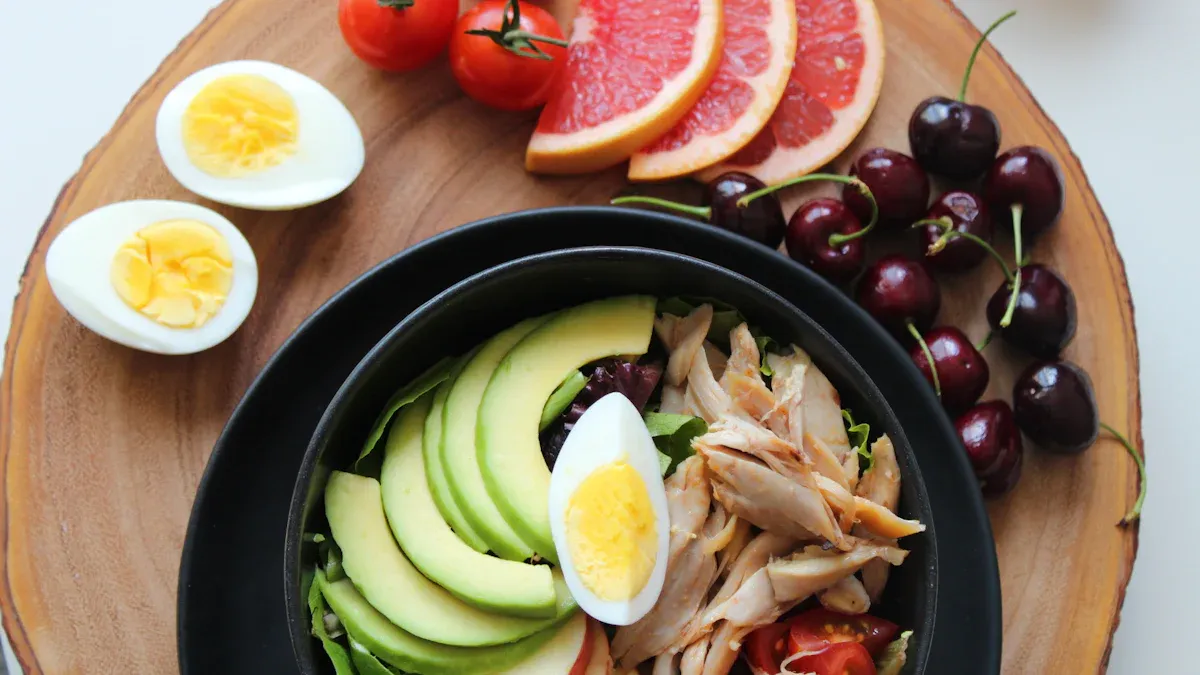
When you start the keto diet for beginners, you want to fill your plate with foods that keep you in ketosis. These foods are high in healthy fats, moderate in protein, and very low in carbs. You can enjoy a wide range of tasty options every day.
Here are the top ten keto-friendly foods that dietitians recommend:
Salmon: Packed with healthy fats and protein, salmon makes a great main dish.
Eggs: You can scramble, boil, or fry them for any meal.
Chicken: Lean and versatile, chicken fits into many keto recipes.
Coconut oil: Use it for cooking or add it to smoothies for extra fat.
Olive oil: Drizzle on salads or use for sautéing vegetables.
Nuts & seeds: Almonds, walnuts, chia seeds, and flax seeds add crunch and nutrients.
You can also enjoy these keto staples:
Avocado: Creamy and full of good fats.
Cheese: Many types work well in recipes or as snacks.
Leafy greens: Spinach, kale, and lettuce are low in carbs and high in fiber.
Non-starchy vegetables: Broccoli, cauliflower, zucchini, and bell peppers add color and crunch.
Tip: Mix and match these foods to keep your meals interesting. Try new keto recipes to discover what you like best.
Easy Keto Breakfast Ideas
You have lots of choices for breakfast on the keto diet. Here are some popular options:
Keto cereal: Combine shredded coconut, sliced almonds, crushed pecans, chia seeds, and flax seeds. Top with unsweetened almond milk and a splash of heavy cream.
Mountain Man breakfast: Little smokies, cheese, peanuts, and coffee with heavy cream.
Mexican breakfast: Chorizo, eggs, a low carb tortilla, cheese, and salsa.
Elegant breakfast: Creamed spinach with eggs and prosciutto.
Cream cheese pancakes: Made with cream cheese and eggs, served with sugar-free syrup.
Eggs: Scrambled, fried, or boiled.
Bacon: A classic side that adds flavor and fat.
Avocado: Slice it or mash it for a quick meal.
Cheese: Roll up with cold cuts or melt into eggs.
Cold cuts: Quick protein with no cooking needed.
Olives: Add to eggs or salads for healthy fats.
Butter: Use to cook eggs or melt on veggies.
Coffee: Enjoy with cream or butter for extra fat.
Simple Keto Lunch and Dinner Ideas
You can keep lunch and dinner easy with these ideas:
Grilled salmon or chicken with a side of leafy greens and olive oil dressing.
Zucchini noodles tossed with pesto and grilled shrimp.
Cauliflower rice stir-fried with chicken, eggs, and broccoli.
Bunless burgers topped with cheese, avocado, and bacon.
Chicken Caesar salad with grilled chicken, romaine, parmesan, and a creamy dressing.
Stir-fried beef and bell peppers cooked in coconut oil.
Egg salad or tuna salad wrapped in lettuce leaves.
Roasted vegetables with olive oil and herbs.
You can find many keto recipes online that use these foods. Try different recipes to see what you enjoy most.
Foods to Avoid
Some foods can kick you out of ketosis quickly. You want to skip anything high in carbs or sugar, even if it looks healthy. Many foods that seem harmless can break your progress on the keto diet for beginners.
Here are the most common foods that break ketosis:
Bread
Cereal
Pasta
Rice
Pancakes
Biscuits
Cakes
Puddings
Starchy vegetables (like sweet potatoes, beets, corn)
Most fruits (except berries in moderation)
Fruit juices
Energy drinks
Sugary coffees
Cocktails
Wine
Beer
Diet sodas and other sugar-free drinks (because of artificial sweeteners)
Added sugars (like honey, syrups)
Sugar substitutes (such as maltodextrin, dextrose, polydextrose)
Note: Always check food labels for hidden sugars and carbs. Even foods labeled “sugar-free” or “low carb” can have ingredients that affect ketosis.
What to Watch Out for When Eating Out
You might wonder what to do when you eat at restaurants. Many dishes contain hidden carbs. Here are some strategies to help you stick to your keto diet:
Bring a low carb dish if you get invited to a gathering.
Choose salads with grilled chicken, cheese, and avocado.
Skip fries and soda. Order a burger with a lettuce wrap instead of a bun.
At Mexican places, order burrito bowls without rice or beans. Add meat, cheese, and guacamole.
Ask about sauces. Many have sugar or flour.
Pick low-carb drinks like water, tea, or dry wine.
For dessert, choose coffee or tea instead of sweets.
You can always ask the server about ingredients. Most places will help you find something that fits your keto diet.
Remember: The more you plan, the easier it gets. Try new recipes and keep your meals simple. You will find what works best for you on the keto diet for beginners.
Meal Planning and Prep
Kitchen Setup
Setting up your kitchen for keto makes meal plans much easier. You want to remove non-keto foods from your shelves so you avoid temptation. Stock your fridge with butter, cheese, and heavy cream. Keep low carb vegetables and healthy fats in your pantry. Use helpful appliances to save time and make cooking fun.
Here’s a table of kitchen tools that help you prepare keto meals efficiently:
Appliance | Description |
|---|---|
CUISINART DLC-10S PRO FOOD PROCESSOR | Slices, dices, and shreds to speed up meal prep |
CUISINART ICE-21 ICE CREAM MAKER | Makes keto-friendly soft-serve ice cream |
NINJA MEGA KITCHEN SYSTEM | Blends shakes and drinks, great for smoothies |
KEURIG K55 EDITION | Brews coffee quickly for your morning routine |
You might also want these tools:
Measuring spoons
Food scale
Mixing bowls
Spiralizer for veggie noodles
Meat thermometer
Air fryer
Tip: Organize your kitchen so you can find everything fast. Keep proteins, veggies, and fats easy to reach.
Sample Meal Plan
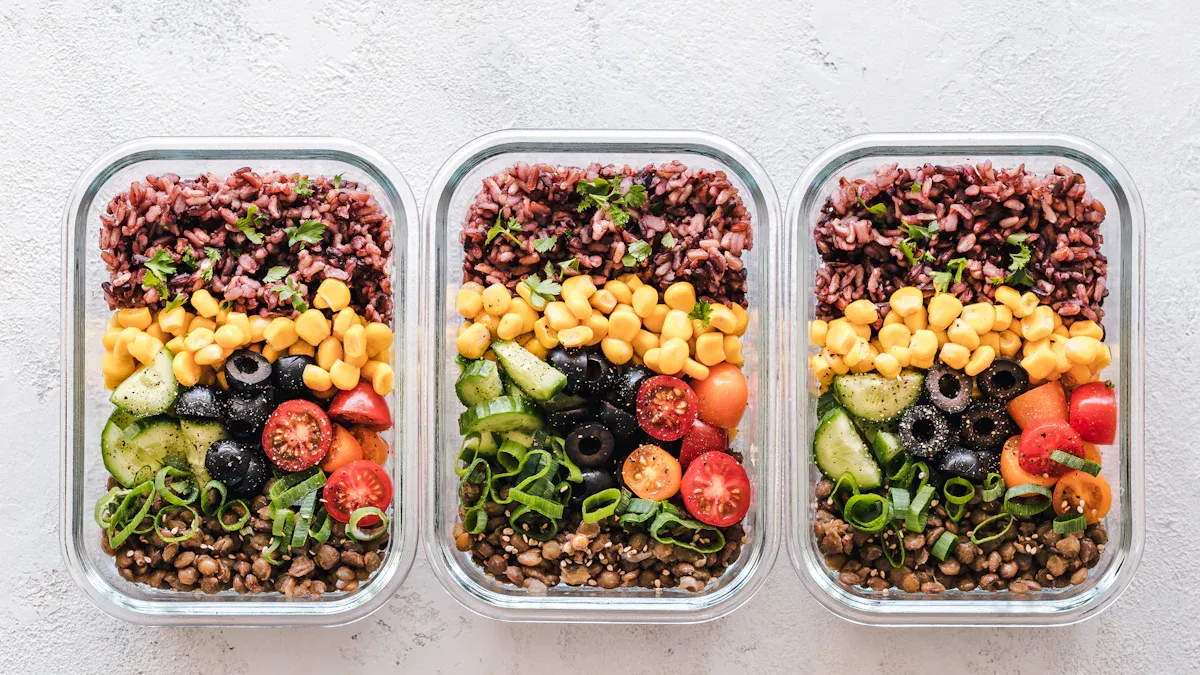
A good keto meal plan helps you stay on track. You can create meal plans for the week to avoid unhealthy choices. Make a shopping list based on your meal plans and shop the store’s perimeter for fresh foods.
Here’s a sample keto diet plan for one week:
Day | Breakfast | Lunch | Dinner |
|---|---|---|---|
Monday | Bacon and eggs with avocado | Cobb salad (no croutons, no corn) | Grilled chicken with cauliflower mash |
Tuesday | Chia seed pudding with berries | Spinach and feta stuffed chicken | Beef and broccoli stir-fry |
Wednesday | Spinach, avocado, coconut milk smoothie | Taco salad with ground beef | Salmon with roasted asparagus |
Thursday | Almond flour pancakes | Turkey & cheese lettuce roll-ups | Pork tenderloin with cauliflower rice |
Friday | Mini crustless quiches | Chicken Caesar salad | Cauliflower crust pizza |
Saturday | Omelette with mushrooms and cheese | Avocado tuna salad lettuce wraps | Steak with roasted zucchini |
Sunday | Keto French toast | Egg salad stuffed avocado | Leftovers or your favorite keto dish |
Keep quick keto snacks ready to avoid hunger between meals. Mix up proteins, veggies, and fats to keep your meal plans interesting.
Common Pitfalls and Progress
Keto Flu and Cravings
When you start the keto diet, you may notice some uncomfortable symptoms. This is called the keto flu. What are the signs? You might feel tired, have stomach aches, or get headaches. Some people feel dizzy or crave sugar. These symptoms usually show up in the first few days and can last up to a month.
Here’s a table to help you spot the most common symptoms and how long they might last:
Symptoms of Keto Flu | Duration |
|---|---|
Stomach aches | 1-2 days to 1 month |
Nausea | 1-2 days to 1 month |
Dizziness | 1-2 days to 1 month |
Sugar cravings | 1-2 days to 1 month |
Cramping | 1-2 days to 1 month |
Muscle soreness | 1-2 days to 1 month |
Irritability | 1-2 days to 1 month |
Diarrhea/Constipation | 1-2 days to 1 month |
Trouble sleeping | 1-2 days to 1 month |
Poor focus | 1-2 days to 1 month |
Brain fog | 1-2 days to 1 month |
What can you do to feel better? Drink plenty of water and eat foods with salt and potassium. Make sure you eat enough calories, especially healthy fats. Rest when you feel tired. Try to lower your carbs slowly if you want to avoid strong symptoms.
Cravings can also be tough. What helps? Eat enough fat and protein to feel full. Stick to regular meal times. Get enough sleep. Try keto-friendly snacks if you want something sweet. Check if you need more vitamins or minerals. Manage stress with deep breaths or a walk.
Social Situations
Social events can make the keto diet tricky. What can you do when you go out? Plan ahead. Eat before you leave home. Bring your own keto dish to share. Keep keto snacks in your bag. Look up the menu before you go to a restaurant. Ask for extra veggies instead of bread or fries.
You may feel pressure to eat foods that do not fit your plan. What works best? Politely say no. Focus on talking with friends instead of eating. If someone asks, you can say you are working on your health or managing diabetes or type 2 diabetes. Many people will understand.
You can also join a keto group online or in your town. Sharing tips and recipes helps you stay on track. You can learn from others who manage diabetes or type 2 diabetes and want weight loss too.
Tracking Results
What is the best way to see your progress on the keto diet? Track your food with an app like MyFitnessPal or Keto Diet Tracker. These apps help you count carbs, fat, and protein. You can also use a tape measure to check your waist and hips. Sometimes, you lose inches even if the scale does not move.
Some people test their ketone levels with blood, breath, or urine tests. This shows if you are in ketosis. You can also use apps like Cronometer, Lifesum, or KetoDiet to track your meals and weight loss. These tools help you stay focused, especially if you have diabetes or type 2 diabetes.
Tip: Celebrate small wins. Every healthy meal and every step toward your goal counts!
What steps help you start keto? You read labels, plan meals, and keep carbs low. You focus on healthy fats and moderate protein. You watch for changes in diabetes and type 2 diabetes. What can you expect? Many people see weight loss, better blood sugar, and more energy. Some manage diabetes and type 2 diabetes with fewer meds. What about long-term health? Check this table:
Health Risk | Description |
|---|---|
Heart Disease | LDL cholesterol may rise, so watch your food choices. |
Kidney Failure | High protein can stress kidneys, especially with diabetes or type 2 diabetes. |
Diabetes | Diet changes may affect diabetes and type 2 diabetes. |
Cancer | Some foods may raise cancer risk. |
What real results do people see?
Losing 120 pounds with keto and the right mindset
At age 55, better shape than at 30
After one year of low carb: “I am 70 years old today and have never felt better”
Antonietta lost 150 pounds on the keto diet
You can take action today. You can manage diabetes and type 2 diabetes, feel better, and enjoy new foods. You can start your keto journey now!
FAQ
What is the fastest way to get into ketosis?
You can get into ketosis quickly by lowering your carbs to 20 grams per day, eating more healthy fats, and staying active. Drink water and avoid sugar. Test your ketones to check your progress.
What foods can you eat on keto?
You can eat meat, fish, eggs, cheese, leafy greens, avocados, nuts, and healthy oils. Stick to non-starchy vegetables. Avoid bread, pasta, rice, and sugary snacks.
What should you do if you feel tired on keto?
You might feel tired at first. Drink more water, add a pinch of salt, and eat enough fat. Rest when you need to. Your energy will return as your body adjusts.
What snacks are keto-friendly?
Try cheese sticks, hard-boiled eggs, nuts, olives, or sliced avocado. You can also snack on pepperoni, cucumber slices, or a small handful of berries.
What happens if you eat too many carbs?
If you eat too many carbs, your body leaves ketosis. You may feel tired or crave sugar. Get back on track by lowering your carbs at your next meal.