

The ketogenic diet lets your body burn fat for fuel by changing how you get energy. Imagine your body as a hybrid car. Normally, you run on gasoline, or carbs. When you start the keto diet, you switch to electricity, or fat. Your body uses less glucose, so it starts breaking down fat. The liver turns this fat into ketones, which power your brain and muscles. Many people notice steady energy and improved focus with keto. This metabolic switch helps you lose weight and feel clear-headed.
Key Takeaways
The ketogenic diet shifts your body from using carbs to burning fat for energy, leading to weight loss and improved focus.
Entering ketosis requires reducing carbohydrate intake to 20-50 grams per day, allowing your liver to produce ketones from fat.
Signs of fat adaptation include steady energy levels, reduced hunger, and improved mental clarity, typically taking 2-3 weeks to achieve.
To maintain ketosis, prioritize high-fat, low-carb foods like meats, fish, eggs, and non-starchy vegetables.
Consult a healthcare professional before starting the keto diet to assess its suitability for your health and goals.
Ketogenic Diet and Energy Shift

Carbs vs. Fat as Fuel
You usually rely on carbohydrates as your main source of energy. When you eat bread, pasta, or sugar, your body breaks these foods down into glucose. Glucose travels in your blood and fuels your muscles and brain. On a ketogenic diet, you reduce carbohydrate intake to a very low level. Your body then needs to find a new way to get energy.
Let’s compare how your body uses carbs and fat for fuel:
Fuel Source | Energy Density (calories/gram) | Efficiency in High-Intensity Exercise | Role During Exercise |
|---|---|---|---|
Carbohydrates | 4 | High | Primary fuel during high-intensity activities |
Fats | 9 | Lower | Main fuel during low- to moderate-intensity activities |
Carbohydrates give quick energy, especially during intense exercise. Fat provides more energy per gram, but your body uses it more during slower or longer activities. When you follow a keto diet, your body learns to use fat as its primary source of energy.
Metabolic Switch in Keto
When you start the ketogenic diet, your body enters a new metabolic state called ketosis. In this state, your liver breaks down fat into molecules called ketones. These ketones act as an alternative energy source for your brain and muscles. This process begins when your glucose stores run low, usually after two to four days of eating very few carbs.
Note: The switch from using glucose to using ketones is a major change for your body. Your brain, which usually depends on glucose, adapts to use ketones instead.
The macronutrient breakdown for the ketogenic diet looks like this:
Diet Type | Carbohydrates | Protein | Fat |
|---|---|---|---|
Ketogenic Diet | 20–50 grams | Moderate | 70–80% |
Standard Western Diet | High | Moderate | Low |
You eat mostly fat, a moderate amount of protein, and very few carbs. This shift causes your body to release ketones into your bloodstream. As you continue, your body relies on fat and ketones as the primary source of energy. This metabolic state helps you burn stored fat and provides a steady supply of energy throughout the day.
Science Behind Keto: The Process
Glycogen Depletion
When you start the ketogenic diet, your body first uses up its stored glycogen. Glycogen is a form of glucose that your liver and muscles keep for quick energy. Think of glycogen as your body’s emergency battery pack. Here’s what happens step by step:
Your body stores glycogen in the liver and muscles.
When you stop eating many carbs, your body breaks down glycogen into glucose.
Enzymes help release this glucose into your bloodstream to keep your energy steady.
As glycogen runs low, your body starts making glucose from other sources, like amino acids and parts of fat.
Note: Most people use up their glycogen stores within 24 to 48 hours after starting a keto diet. If you exercise or fast, you may use it up even faster.
The body naturally depletes glycogen during hard exercise or fasting.
As glycogen drops, your body begins to make more ketone bodies.
Older adults may take longer to use up glycogen because their bodies change how they store and use it.
Fat Breakdown and S-acetyl CoA
Once your glycogen stores are low, your body needs a new way to make energy. This is where fat oxidation comes in. Your body starts breaking down fat from your food and from your own fat stores. Here’s how the process works:
Your fat cells release free fatty acids into your blood.
These fatty acids travel to your liver.
Inside your liver cells, the fatty acids go through a process called beta-oxidation. This process chops the fatty acids into smaller pieces called acetyl-CoA.
When you have more acetyl-CoA than your body can use in its normal energy cycle, your liver starts turning it into ketone bodies.
Tip: Fat oxidation is the main way your body creates fuel during ketosis. This process helps you burn stored fat and lose weight.
Ketogenesis happens in the mitochondria of your liver cells.
The key steps include:
Free fatty acids break down to acetyl-CoA.
Acetyl-CoA changes into HMG-CoA, a special molecule.
HMG-CoA splits to form acetoacetate, the first ketone body.
Acetoacetate can turn into beta-hydroxybutyrate or acetone, which are also ketone bodies.
Ketone Production in Ketosis
Now your body enters ketosis. This is the state where your liver makes ketone bodies from fat. These ketones become your main source of energy, especially for your brain and muscles. Here’s what happens:
Your liver makes ketone bodies from fatty acids.
The three main ketone bodies are acetoacetate, beta-hydroxybutyrate, and acetone.
Low insulin and high glucagon levels signal your fat cells to release more fatty acids.
Your liver turns these fatty acids into ketones through fat oxidation.
Callout: Ketone bodies are a clean-burning fuel for your body. They help power your brain when glucose is low.
Here’s a simple breakdown of how your body makes ketones:
Your body releases fatty acids from fat stores.
Fatty acids travel to the liver and break down into acetyl-CoA.
Acetyl-CoA molecules join together to form acetoacetate.
Acetoacetate can change into beta-hydroxybutyrate or acetone.
Ketone Level Category | Blood Ketone Range (mmol/L) |
|---|---|
Light Nutritional Ketosis | 0.5 – 1.5 |
Nutritional Ketosis | 0.5 – 3.0 |
Optimal Ketosis | 1.0 – 3.0 |
Therapeutic Ketosis | 3.0 – 5.0 |
Higher Ketosis (Fasting) | 3.0 – 8.0 |
You usually reach light nutritional ketosis at 0.5 mmol/L. For weight loss, you want to stay between 1.5 and 3.0 mmol/L. Some people aim for higher levels for medical reasons.
The science behind keto shows how your body switches from using carbs to using fat and ketones in energy production. This process helps you burn fat, lose weight, and keep your energy steady.
Ketosis and Fat Adaptation
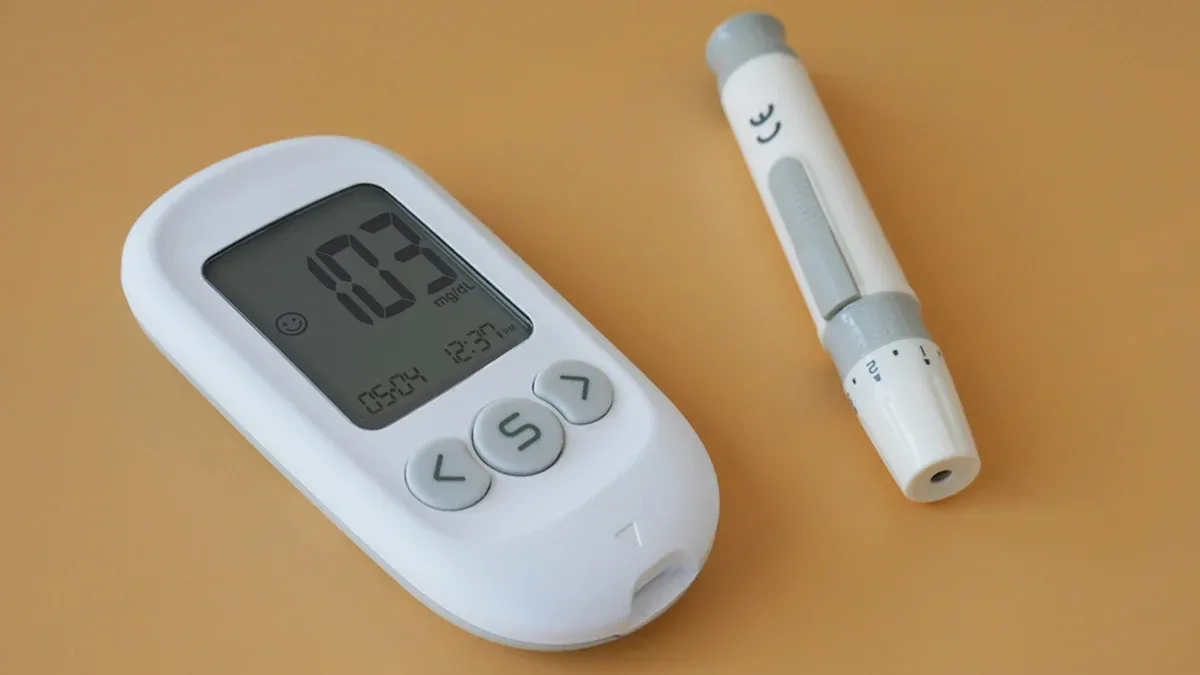
Using Ketones for Energy
When you enter a ketogenic state, your body burns fat instead of carbohydrates for energy. This process is called fat adaptation. Your body shifts from using glucose to using fat as its main fuel. As you continue the keto diet, your liver produces ketone bodies from fat. These ketones supply energy to your brain, heart, and muscles.
The ketogenic diet causes a major metabolic shift. Your body relies on fat and ketones for energy.
Increased fat burning, also known as lipolysis, helps you use stored fat for fuel. This supports weight loss and boosts endurance.
Ketones act as an efficient energy source for your brain and other tissues. This promotes better metabolic efficiency.
Athletes who follow a ketogenic diet often notice improved fat-burning efficiency. For example, runners who become keto-adapted burn twice as much fat during exercise compared to those on a mixed diet. Even after just five days on a high-fat diet, athletes show higher fat oxidation rates during aerobic activity.
Signs of Fat Adaptation
You may wonder what signs show that your body has adapted to a ketogenic state. Fat adaptation usually takes at least two to three weeks. Some people need more time to reach full adaptation. Your body may take weeks or even months to use ketone bodies efficiently.
Here are some common signs that you have reached fat adaptation:
You feel less hungry between meals. Your cravings decrease as your body uses fat for energy.
Your energy levels stay steady throughout the day. You avoid blood sugar crashes.
You feel full with less food. High-fat meals help you feel satisfied.
You notice sharper focus and better mood. Ketones support brain health.
You lose fat more easily. At first, you may lose water weight, then ongoing fat loss follows.
You sleep better. The ketogenic state may calm your nervous system.
You have more endurance during physical activity. Your body relies on fat for fuel, which helps you last longer.
Tip: Everyone adapts at a different pace. Listen to your body as you move through the stages of ketosis and fat adaptation.
Benefits and Weight Loss
Weight Loss Mechanisms
When you follow a keto diet, your body uses fat as its main fuel. This shift in energy source can promote fat loss and help you reach your weight loss goals. Clinical studies show that several mechanisms work together to support weight loss on the ketogenic diet.
Mechanism | Description |
|---|---|
Hormonal Changes | Your body increases cholecystokinin, which helps control appetite and lowers ghrelin, the hunger hormone. |
Appetite Suppression | You feel less hungry because of changes in hormones and brain signals. |
Increased Energy Expenditure | You may eat less without feeling deprived, which helps reduce calorie intake. |
Metabolic Shifts | Your body changes how it uses fatty acids and produces ketone bodies for energy. |
You will likely notice that your appetite drops, making it easier to stick to your eating plan. Research shows that people in ketosis do not feel hungrier, even as they lose weight. The keto diet helps you manage your appetite and energy levels, which supports long-term weight loss.
Mental Clarity and Other Benefits
Many people report better mental clarity and steady energy levels on the ketogenic diet. Studies show that the ketogenic diet can improve working memory, attention, and overall brain function. Over 80% of human studies found positive effects on cognitive function, with no negative results. Some case studies even show that people with memory problems see big improvements after starting keto.
You may also notice other health benefits:
Improved blood sugar control
Reduced inflammation in the body and brain
Better sleep quality
Enhanced mental health and mood
Improved gut and kidney function
These benefits can help you feel your best and improve metabolic health.
Research Gaps
Scientists continue to study the long-term effects of the ketogenic diet. Some research suggests that staying on keto for a long time may affect heart and kidney function. Other studies show that taking breaks from keto, or using an intermittent approach, may lower these risks. Experts also debate the impact of keto on bone health and nutrient levels, especially in children. More research is needed to understand how the ketogenic diet affects people with diabetes over many years.
Practical Keto Tips
Staying in Ketosis
To stay in ketosis, you need to focus on what you eat each day. Choose foods that are high in fat and low in carbohydrates. You can use different types of ketogenic diets to fit your lifestyle. Here is a table showing what these diets look like:
Diet Type | Characteristics |
|---|---|
Standard Ketogenic Diet | High fat, low carbohydrate, low protein (4:1 ratio) |
Cyclical Ketogenic Diet | Includes days with higher carbohydrate intake to improve adherence |
Targeted Ketogenic Diet | Carbohydrates consumed before exercise |
High Protein Ketogenic Diet | Lower fat ratio with increased protein content to enhance adherence |
Very-Low-Carbohydrate Ketogenic Diet | Similar to standard ketogenic diet, typically very low in carbohydrates |
Modified Atkins Diet | Carbohydrate intake restricted to 10–20 g/day, fat to protein plus carbohydrate ratio of 1:1 to 1.5:1 |
Medium-Chain Triglyceride Diet | Uses medium-chain triglycerides instead of long-chain, more ketogenic |
Low Glycemic Index Diet | Allows more carbohydrates with low glycemic index (< 50) for stable glucose levels |
You should include these foods in your meals:
Fish, seafood, meat, poultry, eggs
Avocados, nuts, seeds, olive oil, high-fat dairy products
Bell peppers, broccoli, zucchini
Berries (in moderation)
Olive oil, coconut oil, butter
Keep your carbohydrate intake between 20 and 50 grams per day. Add healthy fats to every meal. Eat non-starchy vegetables for fiber and vitamins. These habits help you with achieving ketosis and provide sustained energy.
Managing Side Effects
When you start the keto diet, you may notice some side effects. The most common is the “keto flu.” You might feel tired, dizzy, or have trouble sleeping. Here is a table with common side effects and how to manage them:
Side Effect | Description | Management Strategy |
|---|---|---|
Keto flu | Insomnia, fatigue, nausea | Drink fluids and electrolytes |
Fatigue | Low energy at first | Ensure adequate hydration |
Dizziness | Feeling lightheaded | Rest and stay hydrated |
To feel better, try these tips:
Drink 2-3 liters of water daily.
Add sodium, potassium, and magnesium to your diet.
Get enough sleep each night.
Start with light exercise.
Eat a variety of nutrient-rich, low-carb foods.
Long-Term Success
For long-term success, focus on what works for your health and lifestyle. You can make the ketogenic diet part of a healthy routine by:
Choosing a diet plan you can follow for a long time.
Eating more fruits, vegetables, nuts, and seeds as your needs change.
Watching for signs of nutrient deficiencies, such as low calcium or vitamin D.
Talking to your doctor if you have health concerns.
Tip: Sustainable changes help you keep weight loss and health benefits over time. Listen to your body and adjust your plan as needed.
You see what happens when you follow the ketogenic diet. Your body stops using glucose and starts burning fat for fuel. The liver makes ketone bodies, which give energy to your brain and muscles. You may notice weight loss, better focus, and steady blood sugar. Before you begin the keto diet, talk to your doctor and check your health. Think about what your goals are and decide if ketogenic eating fits your needs.
Carbohydrate restriction leads your body to burn fat.
Ketone bodies serve as an alternative energy source.
Consult healthcare professionals before starting.
Assess benefits and risks for your health.
FAQ
What is ketosis?
Ketosis is a state where your body uses fat for energy instead of carbs. Your liver makes ketones from fat. These ketones fuel your brain and muscles when you eat very few carbs.
What foods can you eat on a ketogenic diet?
You can eat meats, fish, eggs, nuts, seeds, healthy oils, and low-carb vegetables. Avoid bread, pasta, rice, and sugary foods. Choose foods high in fat and low in carbs.
What are common signs that you are in ketosis?
You may notice less hunger, steady energy, and clearer thinking. Some people have a dry mouth or fruity breath. You might see weight loss in the first week.
What is the keto flu?
The keto flu is a group of symptoms you may feel when starting keto. You might feel tired, dizzy, or have headaches. These symptoms usually last a few days.
What happens if you eat too many carbs on keto?
If you eat too many carbs, your body stops making ketones. You switch back to using glucose for energy. This can slow weight loss and take you out of ketosis.