


Lotus root is a unique and versatile aquatic vegetable. Its intriguing appearance makes it stand out. This crunchy ingredient is growing in popularity, with many Asian cuisines featuring it, and traditional medicine also utilizing it. What makes this lotus root so special nutritionally? Lotus Root Nutrition offers a good range of vitamin compounds. Each lotus root provides essential vitamin content. This vitamin supports various bodily functions, and another vitamin contributes to overall health. The vitamin profile of lotus root is notable. This vitamin-rich food adds value to any meal. Every lotus root delivers a vital vitamin. This specific vitamin is important for well-being and helps maintain good health. Its vitamin benefits are clear. Why should this lotus root be a part of your diet?
Key Takeaways
Lotus root is a healthy vegetable. It has fiber, vitamins, and minerals. It is low in fat and calories.
Eating lotus root helps your body. It aids digestion, supports your heart, and boosts your immune system. It also makes your skin healthier.
Lotus root gives you steady energy. It has a low glycemic index. This means it helps keep your blood sugar stable.
You can easily add lotus root to your meals. You can cook it in many ways. It tastes good in soups, stir-fries, or as crispy chips.
Be careful when eating lotus root. Some people can have allergies. It can also affect some medicines. Always get it from a good source to avoid bad stuff.
Understanding Lotus Root Nutrition
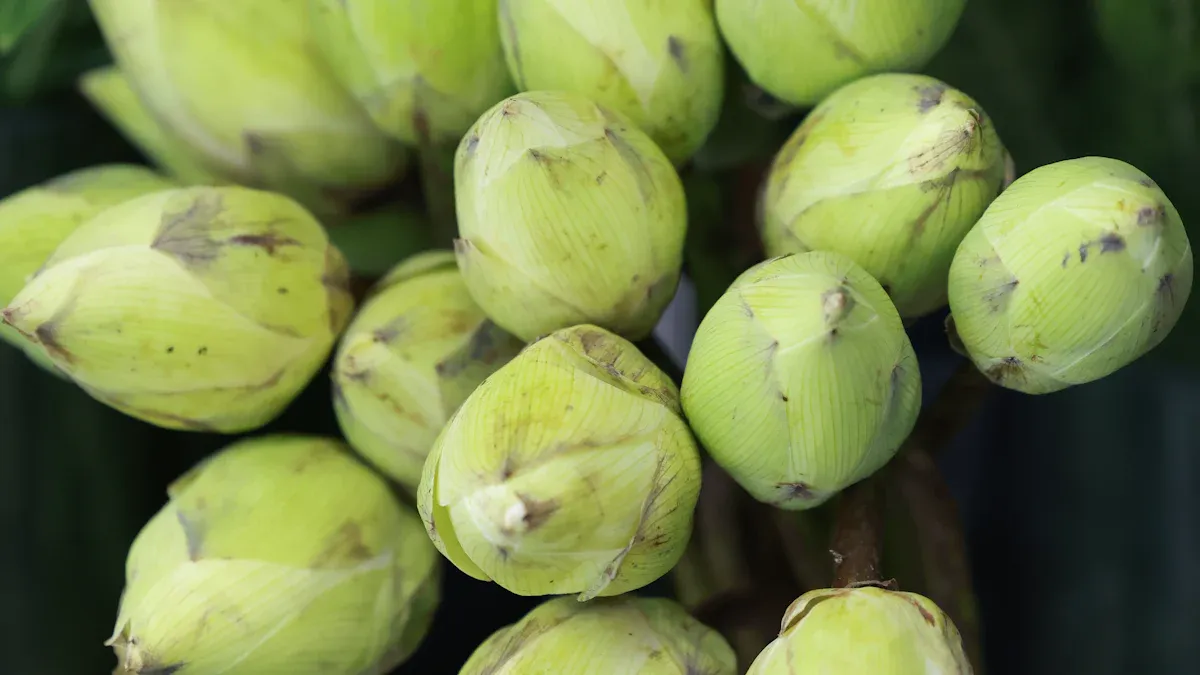
Lotus root is a nutrient-dense vegetable. It is naturally low in fat and cholesterol. This makes it a healthy addition to many diets. Understanding the specific components of lotus root nutrition helps people appreciate its health benefits.
Raw Lotus Root Composition
Raw lotus root offers a rich array of nutrients. A 100-gram serving provides a significant nutritional value of lotus root. It contains essential vitamins and minerals. The table below shows a detailed breakdown of its composition:
Nutrient | Value |
|---|---|
Calories | 74 kcal |
Glycemic index | 33 (low) |
Glycemic load | 3 (low) |
Net Carbs | 12 grams |
Acidity (PRAL) | -7.9 (alkaline) |
Oxalates | 23 mg |
Total Fat | 0.1g |
Saturated Fat | 0.03g |
Trans fat | 0g |
Cholesterol | 0mg |
Sodium | 40mg |
Total Carbohydrate | 17g |
Dietary Fiber | 4.9g |
Total Sugars | 0g |
Protein | 2.6g |
Vitamin D | 0mcg |
Calcium | 45mg |
Iron | 1.2mg |
Potassium | 556mg |
Vitamin A | 0µg |
Vitamin C | 44mg |
Folate | 13µg |
Vitamin B12 | 0µg |
This table shows that raw lotus root is a good source of various nutrients. It has a low glycemic index, which means it does not cause rapid spikes in blood sugar.
Cooked Lotus Root Changes
Cooking can change the nutritional values of lotus root. Some water-soluble vitamins, like Vitamin C, may decrease with heat. However, minerals and fiber generally remain stable. The overall nutrition profile of lotus root stays beneficial even after cooking. People often cook lotus root in soups or stir-fries. These methods help retain many of its important components.
Lotus Root Calories and Energy
Lotus root provides a moderate amount of energy. A 100-gram serving of lotus root contains about 74 lotus root calories. This makes it a good food choice for sustained energy without excessive caloric intake. The energy comes mainly from its carbohydrate content.
Key Vitamins and Minerals
Lotus root is rich in several important vitamins and minerals. It contains a notable amount of Vitamin C. This vitamin supports the immune system. It also has Vitamin B6, which helps with metabolism.
Vitamin | Amount |
|---|---|
Vitamin C | 24mg |
Vitamin B6 | 0.2mg |
Lotus root also provides essential minerals. It contains significant amounts of phosphorus and potassium.
Mineral | Quantity (mg) |
|---|---|
Phosphorus, P | 69.42 |
Potassium, K | 323.07 |
Other minerals like calcium and iron are also present. Each vitamin and mineral contributes to overall health.
Macronutrient Overview
Lotus root offers a balanced macronutrient profile. It is low in fat and high in carbohydrates, including dietary fiber. This makes lotus root a valuable part of a healthy diet. The following table summarizes the primary macronutrients in 100g of raw lotus root:
Nutrient Type | Nutrient | Amount (per 100g raw lotus root) |
|---|---|---|
Macronutrients | Protein | 1.9 g |
Lipid | 0.1 g | |
Carbohydrate, total | 15.5 g | |
Dietary fiber, total | 2 g | |
Micronutrients | Minerals | Present |
This chart visually represents the macronutrient distribution:
The high carbohydrate content provides energy. The dietary fiber aids digestion. This shows that lotus root is rich in nutrients. Its overall nutrition supports various bodily functions.
Health Benefits of Lotus Root
Lotus root offers many specific health advantages. These benefits come from its rich nutritional components. People can gain significant health benefits from including lotus root in their diet.
Digestive Health and Fiber
Lotus root is an excellent source of dietary fiber. A 100-gram serving of lotus root contains 5 grams of fiber. This amount contributes approximately 25% of the daily recommended intake for fiber. This high fiber content is crucial for digestive health. Lotus root contains significant amounts of dietary fiber, with soluble dietary fiber making up 9.20%. Dietary fiber regulates microbial growth and intestinal peristalsis. This helps maintain regular bowel movements.
Lotus root also contains resistant starch. This type of prebiotic fiber passes undigested to the colon. It nourishes beneficial gut bacteria like Bifidobacteria and Lactobacillus. Prebiotic compounds in lotus root, such as resistant starch and inulin-like polysaccharides, ferment in the colon. Beneficial bacteria produce short-chain fatty acids (SCFAs) like butyrate, acetate, and propionate. These SCFAs strengthen the gut barrier and reduce inflammation. They also improve mood and brain function, which can help with depression. Antioxidants like polyphenols and flavonoids protect the intestinal lining from oxidative stress. This prevents damage. Lotus root helps in digestion by promoting a healthy gut microbiome. A high fiber diet supports overall gut health. This aids digestion effectively.
Heart Health Support
Lotus root contains compounds that support cardiovascular health. Catechin and caffeic acid are crucial substances in fresh lotus root. They promote cholesterol metabolism. Theaflavin and forsythoside A are important in browned lotus root for cholesterol metabolism. Flavonoids and phenolic compounds in lotus root offer health benefits. They reduce obesity risk and act as antioxidants. Catechin improves fatness, blood pressure, and cholesterol levels. Caffeic acid prevents hyperlipidemia and obesity by regulating liver adipogenic genes. Epicatechin regulates blood lipids and reduces hepatic steatosis. Theaflavin, an oxidation product of catechins, reduces hypercholesterolemia and alleviates hepatic lipid accumulation. Forsythoside A, a derivative of caffeic acid, enhances antioxidant status and influences fatty acid deposition.
Lotus root is rich in potassium. Potassium is a vasodilator. It helps maintain fluid balance and counteracts sodium’s effects. Potassium contributes to relaxed blood vessels. It increases blood flow and reduces rigidity and contraction of blood vessels. This lowers pressure on the cardiovascular system. Studies indicate that lotus root possesses a hypocholesterolemic effect. This suggests its potential to lower cholesterol levels. These properties show how lotus root improves cardiovascular health and supports healthy blood circulation.
Immunity and Antioxidants
Lotus root strengthens the body’s immunity. It helps degrade pathogens that could inhibit the body’s defense system. Lotus root contains antioxidants, such as phenolic compounds. These protect cells from free radicals. A study published in the Journal of Food Science (2011) indicates that lotus extracts possess anti-inflammatory properties. These properties help calm inflammatory responses in the body. These actions indirectly support immune function by reducing cellular damage and inflammation.
The primary flavonoid and other phenolic compounds in lotus root act as antioxidants. These include gallocatechin, catechin, gallic acid, epicatechin, catechol, and chlorogenic acid. Lotus root is rich in antioxidants, including quercetin, a flavonoid. These antioxidants neutralize free radicals. Free radicals can damage cell membranes, DNA, and lead to cell death. By scavenging these harmful particles, antioxidants help prevent cellular damage. This supports overall cellular health and indirectly bolsters immune function. Lotus root has a stimulating effect on the immune system. This helps prevent respiratory infections. This vitamin-rich vegetable provides significant immunity benefits. Lotus root strengthens body immunity and helps protect the body.
Skin Health
Lotus root offers several benefits for skin health. It is a rich source of vitamin C, a vital vitamin for healthy skin. Lotus root is rich in polyphenols. Polyphenols have antioxidant activities and can exert photoprotective effects. Polyphenols from lotus root help maintain skin health. They decrease MMP-1 activity through their anti-inflammatory properties. This can prevent collagen degradation and wrinkle formation.
Research indicates that lotus germ extract can benefit aging skin cells. A study on Nature.com found that lotus germ extract increased autophagy in human skin fibroblasts. This helps clear unnecessary proteins. It also appeared to restore mitochondrial function and stimulate collagen production. This led to a reduction in the expression of a senescence marker. This suggests potential benefits for slowing cellular aging and improving skin health. Lotus has anti-inflammatory properties. These properties reduce redness and irritation. They enhance blood circulation and help heal inflammation and wounds. Its oil-balancing, antibacterial, and antifungal properties help prevent breakouts. They also treat other skin disorders. Lotus root has anti-aging benefits. It is rich in vitamins B, C, and antioxidants. It protects against free radicals, supports elastin and collagen, and improves skin elasticity. This reduces fine lines and wrinkles. Vitamins A, B, C, and other minerals help improve skin complexion. They reduce pigmentation, dark spots, blemishes, and acne scars. It controls excess oil by regulating sebum production without stripping natural moisture. It minimizes the appearance of pores. Lotus root acts as a natural astringent for skin. It refines pores, making them less visible. It helps fight acne and blemishes. It promotes even skin tone. It contains vitamins B, C, iron, protein, and alpha hydroxy acid (AHA). These maintain healthy, purified skin, exfoliate, and prevent further damage.
Energy and Metabolism
Lotus root provides sustained energy and supports metabolism. The glycemic index of raw lotus root is estimated to be low. A low glycemic index means lotus root is slowly digested and absorbed. This leads to a slower and smaller rise in blood sugar levels. This can result in fewer cravings and prolonged feelings of fullness. It provides sustained energy and better control of blood sugar. This helps prevent and delay health complications associated with diabetes, heart disease, and stroke. It also supports healthier nerve and kidney function. Raw lotus root contains 17.2g of carbohydrates and 4.9g of fiber per 100g. This balanced lotus root nutrition helps maintain stable blood sugar. It supports efficient energy use throughout the day. The various vitamin compounds also play a role in metabolic processes.
Incorporating Lotus Root into Your Diet
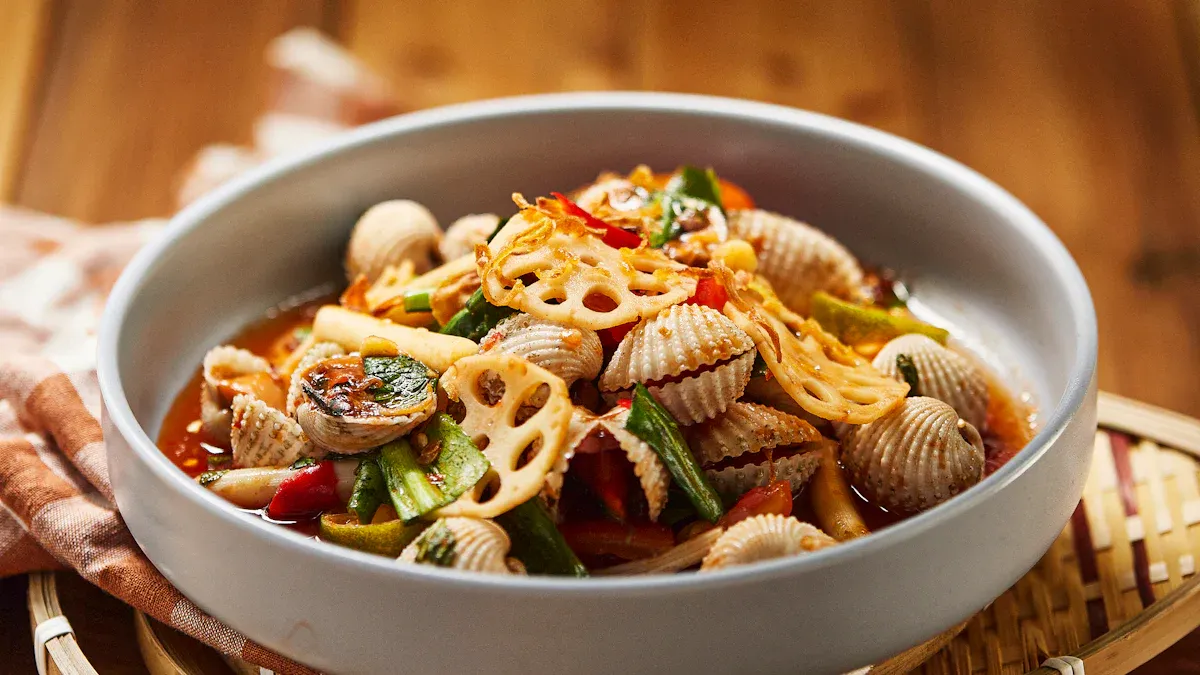
People can easily add lotus root to their meals. This versatile vegetable offers many health benefits. Its unique texture and mild flavor make it a great addition to various dishes.
Selecting Fresh Lotus Root
When choosing lotus root, look for firm, unblemished pieces. The skin should be smooth and light brown. Avoid any lotus root with soft spots or discoloration. A fresh lotus root will feel heavy for its size. This indicates good moisture content.
Storage Techniques
Proper storage helps maintain the freshness of lotus root. Store uncut lotus root in a cool, dark place. The refrigerator’s vegetable drawer works well. Once people cut or prepare lotus root, they should eat it quickly. If leftovers remain, wrap them tightly in plastic wrap. Alternatively, place them in an airtight container before refrigerating. To stop browning after cutting, soak the lotus root in water with a little vinegar or lemon juice. Make sure lotus root does not touch moisture. This prevents mold growth. Discard lotus root if it stays in the fridge for more than a week. This avoids health risks. Lower temperatures keep the lotus root fresh. They help maintain its texture and taste. These conditions stop enzymes from breaking down starch. This delays spoilage. Lower temperatures also prevent water loss in the lotus root. This helps preserve its vitamin content.
Preparation Tips
Knowing how to prepare lotus root makes cooking easier. First, wash the fresh lotus root thoroughly. You can leave the skin on if it looks very clean. Otherwise, peel it. After cleaning, you can steam or boil the lotus root until it cooks. Then, slice it. To prevent darkening, immediately put peeled or sliced lotus root into water mixed with a little vinegar. For salads, boil the slices in vinegared water for a few minutes. This keeps them crunchy and removes bitter qualities. If using canned lotus root, people can use it directly. However, raw lotus root often tastes better. This is because canned versions might use bleaching. This preparation ensures the lotus root retains its beneficial vitamin compounds.
Culinary Uses and Recipes
Lotus root is very versatile in the kitchen. People use it in many traditional recipes. You can serve thinly sliced lotus root as a cold side dish. Mix it with chili crisp sauce, garlic, ginger, and cilantro. Fresh, thinly sliced lotus root makes crispy chips when air-fried or baked. Season them or serve with a dipping sauce. An elegant method involves steaming lotus root stuffed with sticky rice. This is common in Buddhist temples. People add ½-inch thick slices to soups and hotpots. Taiwanese hotpot often features lotus root. Stir-fry thinly sliced or julienned lotus root alone or with other vegetables. Carrots, celery, and aromatics work well. You can pickle lotus root for a crisp, tangy, spicy, and sweet side dish. A popular traditional recipe is Lotus Root Soup with Pork Ribs. This soup features tender pork ribs and nourishing ingredients. It creates a flavorful clear broth. This vitamin-rich vegetable adds a unique touch to any diet.
Potential Risks and Side Effects
While lotus root offers many health benefits, people should know about potential risks. These risks include allergic reactions, medication interactions, and contamination concerns.
Allergic Reactions
Some individuals may experience allergic reactions to lotus root. Lotus root has links to Pollen Food Allergy Syndrome (PFAS). This syndrome causes oral allergy symptoms. These symptoms affect the lips, nose, mouth, throat, and tongue. Specific proteins in lotus, like Pru ar 1-like (Bet v 1 protein) and gibberellin regulated proteins, cause these reactions. Scientists have identified a novel food allergen in lotus root. There is also a documented case of anaphylaxis triggered by lotus root consumption. This severe reaction requires immediate medical attention. Even though lotus root contains beneficial vitamins, some people must exercise caution.
Medication Interactions
Lotus root can interact with certain medications. Its ability to lower blood sugar means it may cause issues with diabetes medications. Combining lotus root with antidiabetes drugs can cause blood sugar levels to go too low. This creates an overly strong hypoglycemic effect. Practitioners advise patients to discuss all herbal supplements with their doctor. This helps prevent strong effects when herbs and drugs target the same physiological function. Lotus root may also cause excessive drowsiness when combined with pentobarbital (Nembutal). This interaction can be moderate. The various vitamin compounds in lotus root do not typically cause these interactions, but other active components do.
Medication Category | Interaction Rating | Potential Effect |
|---|---|---|
Medications for diabetes (Antidiabetes drugs) | Moderate | May cause blood sugar to go too low when combined with lotus, which also lowers blood sugar. |
Pentobarbital (Nembutal) | Moderate | May cause excessive drowsiness when combined with lotus. |
Contamination Concerns
Lotus root grows in aquatic environments. This means it can absorb contaminants from the water and soil. These contaminants include heavy metals. Cadmium (Cd), lead (Pb), nickel (Ni), mercury (Hg), and arsenic (As) are examples. Lotus root can also absorb ammonium (NH4+). These substances can be harmful if consumed in large amounts. Consumers should source lotus root from reputable suppliers. This helps ensure the product is safe. Proper washing and preparation can also reduce some risks. The vitamin content of lotus root remains beneficial, but contamination is a separate concern.
Lotus root offers significant lotus root nutrition, providing rich fiber and essential vitamin compounds. Each lotus root delivers vital vitamin content, supporting bodily functions. The vitamin profile of lotus root is notable; this vitamin-rich food adds value. This versatile lotus root supports various health benefits, aiding digestion, promoting heart health, and boosting immunity. People can easily add lotus root to their diet. Its unique texture and low glycemic index (33) make it a great choice. This nutritious lotus root enhances overall well-being. Incorporate this vitamin-rich lotus root for its many vitamin benefits.
FAQ
What makes lotus root a healthy food choice?
Lotus root is a healthy choice because it offers many nutrients. It contains a good amount of fiber, which helps digestion. This vegetable also provides essential vitamins, like vitamin C, and important minerals. It is low in fat and calories, making it a beneficial addition to any diet.
What specific vitamins does lotus root contain?
Lotus root contains several important vitamins. It is a good source of vitamin C, which supports the immune system. It also provides B vitamins, such as vitamin B6, which helps with metabolism. These vitamins contribute to overall health and well-being.
Does cooking affect the vitamin content of lotus root?
Cooking can slightly reduce some water-soluble vitamins, like vitamin C, in lotus root. However, most minerals and fiber remain stable. The overall nutritional value, including many beneficial vitamins, stays high even after cooking. People still gain many health benefits.
What are the main health benefits of eating lotus root?
Eating lotus root offers several health benefits. Its high fiber content aids digestion and promotes gut health. The vitamins and antioxidants support immunity and protect cells. It also contributes to heart health and can improve skin appearance. This vegetable provides many essential vitamins.
Can lotus root help with weight management?
Yes, lotus root can help with weight management. It has a low glycemic index, which means it releases sugar slowly. This helps maintain stable blood sugar levels. Its high fiber content also promotes fullness, reducing overeating. It provides essential vitamins without many calories.