


We all experience stress in our modern lives. It can really take a toll on us, causing things like muscle tension, digestive problems, and even high blood pressure. But I believe effective stress management is achievable. This blog will show you practical, simple stress management techniques. These techniques help reduce stress levels and reduce stress from everyday stress. You can learn to manage stress effectively and reduce anxiety, taking control of your well-being.
Identify Your Stress Triggers
To effectively manage stress, I believe we first need to understand what causes it. Think of it like solving a puzzle; you need all the pieces to see the full picture. Identifying your personal stress triggers is a powerful first step.
Common Stressors
Many things can cause stress in our daily lives. For me, work often brings a lot of pressure. I know that a heavy workload is a highly cited stressor, especially with increased demands and understaffing in many fields today. It’s not just about having too much to do, though. I’ve learned that other work-related factors can also contribute to my stress levels. These include:
Too much or even too little work
Not having a say or control in my workplace
Doing tasks that feel boring or unpleasant
Unclear job roles or conflicts
Not getting recognition for my efforts
Feeling treated unfairly
Poor relationships with colleagues
Bad working conditions
Weak leadership or communication
When my home life and work demands clash
Experiences like harassment or bullying
Sometimes, stress and burnout come from bigger issues, like systemic problems, not just individual weaknesses. Big events, like a pandemic, can also bring unique stressors, such as job instability.
Body’s Stress Signals
Our bodies are amazing at telling us when we’re under stress, if we just listen. When I feel acute stress, my body immediately activates its “fight or flight” system. This system gets my body ready to respond to threats. I notice my heart rate goes up, which is my body preparing for action. My heart rate variability also decreases, which is a natural response. My body also adjusts things like my blood sugar levels, body temperature, and even how my immune system works. Recognizing these physical signs can help me catch stress early.
Quick Stress Management Techniques
Sometimes, I need to manage stress right away. These techniques offer immediate relief, and I can do them in just a few minutes. They are perfect for those moments when stress feels overwhelming.
Deep Breathing Exercises
When I feel stress building, my breathing often becomes shallow and fast. That’s why I turn to deep breathing exercises. They are powerful stress management techniques. When I consciously slow my breathing, it immediately impacts my nervous system. My body switches from “fight or flight” to “rest and digest.” This happens because deep breathing activates my parasympathetic nervous system. It stimulates the vagus nerve, which helps calm me down. My heart rate slows, and blood vessels relax. This also helps reduce cortisol levels, which is a stress hormone.
I find several breathing techniques really help me. One simple way is belly breathing. I lie down or sit comfortably. I place one hand on my belly and the other on my chest. Then, I breathe in slowly through my nose, letting my belly rise. I breathe out through my nose, feeling my belly lower. The hand on my belly should move more than the one on my chest. I do this for about three to five breaths.
Another technique I use is equal time breathing. I sit comfortably and inhale through my nose, counting to five. Then, I exhale through my nose, counting to five. I repeat this several times, gradually increasing the count if I feel comfortable. This helps me focus and calm my mind. I also like breath focus. I close my eyes and take a few deep breaths. As I inhale, I imagine peace and calm filling my body. As I exhale, I imagine stress and tension leaving me. I might even mentally say, “I breathe in peace and calm” and “I breathe out stress and tension.” These deep breathing exercises are quick ways to manage stress effectively.
Mindfulness Practices
Mindfulness is about being fully present in the moment. It helps me step away from worrying about the past or future. Even a short mindfulness practice can make a big difference. I learned that just five minutes of mindfulness can significantly reduce stress levels. It helps me interrupt stress spirals by drawing my attention to my physical body and away from my thoughts.
I often use guided meditation for relaxation. A calm voice guides me, which is great when my mind is busy. It takes the pressure off trying to “do it right.” I also find body scan meditation very helpful. I gently focus my attention on different parts of my body, noticing any tension and then letting it go. This helps me release physical stress. Sometimes, I do micro-meditations. These are super short, like one to five minutes. I might just take a few deep breaths or simply notice my feet on the ground. These small mindfulness techniques offer instant relief.
Instant Relaxation Methods
Beyond breathing and mindfulness, I have other instant relaxation techniques I use.
One of my favorites is listening to music. I’ve found that certain types of music can quickly reduce my stress. Classical music, for example, helps lower my heart rate and anxiety. I also enjoy self-selected relaxing music. Turkish classical music and binaural beat music can also be very effective. Pleasant music generally helps me recover from stress faster than silence.
I also use Progressive Muscle Relaxation (PMR). This is a relaxation technique where I tense and then relax different muscle groups in my body. I start by lying comfortably. I take a few deep breaths. Then, I inhale and tense the muscles in my feet, hold for a few seconds, and then exhale and release the tension. I work my way up my body, tensing and releasing muscles in my calves, thighs, belly, chest, arms, and even my face. This helps me relax both physically and mentally. Studies show PMR can significantly reduce stress, anxiety, and depression.
Sometimes, a quick walk outside helps clear my head. Even a few minutes of fresh air can change my perspective. A hand massage can also be surprisingly effective for quick relaxation. These techniques are simple, but they help me manage stress effectively in the moment.
Mind-Body Practices for Effective Stress Management

Sometimes, I need more than just a quick fix for stress. I look for ways to help my mind and body work together for lasting calm. These practices integrate my mental and physical well-being. They offer sustained relief when I make them a regular part of my life.
Physical Activity and Regular Exercise
I know that moving my body is one of the best ways to fight stress. It’s not just about looking good; it’s about feeling good inside too. When I engage in physical activity and regular exercise, my mind and body work together to manage stress effectively.
When I get my heart rate up, amazing things happen in my brain. My brain starts making more “anti-anxiety molecules” called GABA. These molecules help calm down my neurons, so I don’t overreact to things. Also, right after I exercise, I feel a boost in dopamine, serotonin, and noradrenaline. These make me feel more focused and improve my mood. It’s like my brain gets a happy chemical bath!
Regular exercise also helps lower those pesky stress hormones, like cortisol and epinephrine, after I finish my workout. My brain also uses something called norepinephrine more effectively in areas that handle stress. This helps my brain learn to deal with stress better over time. So, when I exercise every day, I’m actually training my brain to be more resilient. It’s a powerful tool for effective stress management.
I try to make regular exercise a consistent part of my week. It doesn’t have to be intense. Even a brisk walk can make a big difference. The key is consistency. This type of regular exercise is one of the most effective techniques I use. It really helps me handle daily stress.
Journaling and Gratitude
I find that writing things down can be incredibly therapeutic. Journaling is one of my favorite techniques for understanding my feelings and reducing stress. It’s like having a conversation with myself on paper.
When I journal, I get to see my thoughts and feelings clearly. It allows me to process emotions, even the ones I might try to avoid. This practice gives me space from negative thinking. I can look at my thoughts as just experiences, not who I am. This helps me manage anxiety and stressful situations. I can reflect on what I’ve written and realize that tough emotions are temporary. My perception really changes how stress affects me.
Journaling offers many benefits:
Self-Reflection: I can explore why I feel a certain way. This enhances my self-understanding.
Emotional Release: It’s a safe place to let out difficult emotions without judgment.
Awareness: I notice patterns in my triggers and responses.
Problem-Solving: Writing helps me see challenges from new angles. This builds my resilience.
I also combine journaling with gratitude. I make it a point to write down things I’m thankful for. This simple act can really boost my mood and outlook. It helps me focus on the positive, which reduces stress. Studies show that practicing gratitude daily can lower my stress hormone levels, like cortisol. It also makes me more resilient when things go wrong. Gratitude actually calms my nervous system, lowering my heart rate and blood pressure. It helps me shift my focus away from negative thoughts and towards what’s good. This is a powerful technique for managing stress.
Connecting with Nature
I’ve noticed that spending time outdoors always makes me feel better. Connecting with nature is a fantastic way to reduce tension and improve my overall well-being. It’s like nature has a calming effect on my body and mind.
When I’m in a natural environment, my body responds positively. Studies show that just being in nature can lower my cortisol levels, which is a key hormone related to tension. My body recovers faster from difficult situations when I’m surrounded by natural landscapes. My skin conductance, muscle tension, and pulse all show improvement. Natural settings are much better for reducing tension than urban ones. For example, visitors to very natural places showed big drops in cortisol.
Physiological Marker | Site A (Most Natural) | Site B (Semi-Nature) | Site C (Built) |
|---|---|---|---|
Cortisol Levels | Decreased | Not specified | Not specified |
α-amylase Levels | Not specified | Not specified | Significantly Increased |
Tension Reduction Indicators | Higher levels (including decreased cortisol) | Three indicators (decreased demands & worries, increased joys) | Two indicators (decreased demands & worries) |
I try to get my “nature pill” regularly. For the best reduction in tension, I aim for 20 to 30 minutes. I can just sit or walk in a natural spot. Research shows that a 20-minute nature experience is enough to significantly lower cortisol. The biggest drop happens between 20 and 30 minutes. Even if I can’t do a full 30 minutes, any time in nature helps. It’s a simple yet powerful way to manage tension. I often combine this with some mindful breathing. Taking deep breaths while surrounded by trees or by water really enhances the calming effect. This regular exercise of being in nature is very beneficial. Outdoor exercise is also more restorative than indoor exercise. It helps me feel more revitalized.
Lifestyle Habits for Lasting Resilience
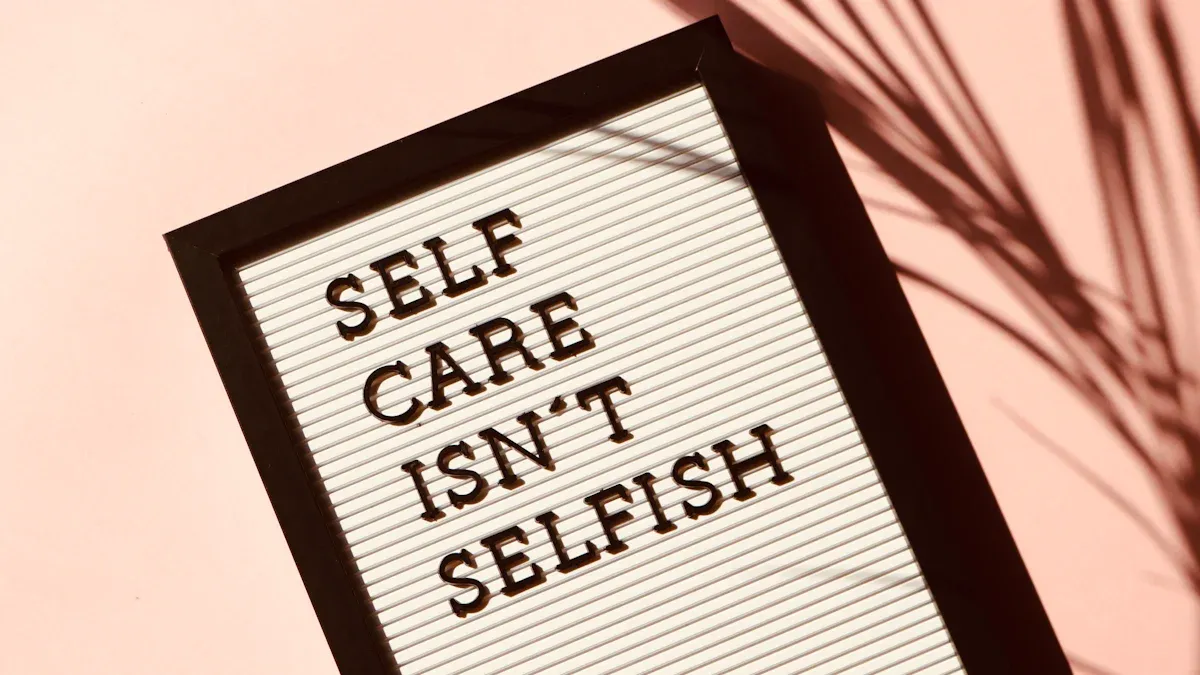
Sometimes, I need more than just quick fixes. I’ve found that building strong lifestyle habits helps me create lasting resilience against stress. These practices become a part of who I am, helping me manage stress effectively over the long term.
Prioritize Sleep and Nutrition
I’ve learned that how I fuel my body and how much rest I get really impacts my ability to handle stress. To manage stress, I know I need to prioritize sleep and nutrition. My food choices play a big role in my mood. I try to include things like:
Polyphenols and polyunsaturated fats
Omega-3 fatty acids
Foods that support my gut microbiome, like yogurt and bananas. These anti-inflammatory components can relieve or prevent depressive symptoms. On the flip side, high-calorie meals rich in saturated fat and refined carbohydrates can increase inflammation and make me feel worse. I also make sure to get enough sleep. Insufficient sleep and poor nutrition can make me more vulnerable to stress. These healthy habits are crucial.
Healthy Boundaries and Social Connections
Setting healthy boundaries is another key habit for me to lower everyday stress. It’s like building a fence around my personal space. As psychologist Dr. Henry Cloud says, “clarity is kindness” when I express my boundaries. I’ve learned to state my needs clearly without apology. This helps me avoid burnout. For example, I set digital boundaries by having tech-free times. I also know that strong social connections are vital for my mental health. When I ask for help from friends and family, it acts as a protective factor. A study even showed that high social support linked to a 63% lower risk of depression. These connections give me healthy coping mechanisms and help me deal with everyday stress.
Time Management and Letting Go
Finally, I’ve found that good time management and learning to let go are powerful techniques to manage stress. I try to avoid multitasking because it doesn’t save time and makes me lose focus. Instead, I prioritize tasks and break them into smaller steps. This helps me avoid feeling overwhelmed. I also schedule regular breaks. But sometimes, the biggest stress reliever is learning to delegate. I used to think I had to do everything myself, but that just led to burnout. When I ask for help and trust others, it reduces my stress levels. Managers who delegate effectively experience 23% less stress. This helps me find more balance and provides healthy coping mechanisms for everyday stress. These habits are essential for my coping.
I know managing stress is an ongoing journey. It takes consistent effort and self-compassion. Even small, simple techniques, when I integrate them daily, can lead to profound improvements in my stress levels and overall quality of life. I encourage you to experiment with these stress management techniques. Discover what resonates most with you. You can cultivate a calmer, more resilient, and fulfilling life. These practices will help you manage stress effectively and reduce stress. This is effective stress management.