


Many people still believe all dietary fats are bad. This is a common misconception. You need healthy fats for good health. Monounsaturated fats are a key part of these healthy fats. They come primarily from plants. These monounsaturated fats offer significant benefits. Understanding monounsaturated is crucial for your well-being. Diets like the Mediterranean diet highlight their importance for heart health. You will learn what monounsaturated fat is and its many benefits. We will also cover how to easily include more monounsaturated in your daily meals. These mufas are essential for a healthier you.
Key Takeaways
Monounsaturated fats are healthy fats. They come from plants. They have one special bond in their structure.
These fats are good for your heart. They lower bad cholesterol. They also help control blood sugar.
You can find these fats in olive oil, avocados, and nuts. They are also in seeds like flax and sesame.
Add these fats to your meals. Use olive oil for cooking. Snack on nuts. This helps you stay healthy.
What is Monounsaturated Fat
Defining Monounsaturated Fat
Monounsaturated fat is a type of dietary fat. It plays a vital role in your body’s health. These fat molecules have a unique feature: a single double bond within their carbon chain. This means they possess only one point of unsaturation in their structure. You can think of it as a solitary double bond. These fatty acids are straight-chain molecules. They have a unique carbon-carbon double bond. This bond is also known as an unsaturation. This single double bond also means they have two fewer hydrogen atoms compared to a saturated fatty acid. This characteristic defines monounsaturated fat.
MUFAs vs. Other Fats
You might wonder how monounsaturated fats (MUFAs) differ from other fats. The key difference lies in their chemical structure, specifically the number of double bonds.
Fat Type | Number of Double Bonds | Chain Structure | Room Temperature State |
|---|---|---|---|
Monounsaturated | One | L-shaped bend | Liquid |
Polyunsaturated | More than one | Bent | Liquid |
Saturated | None | Straight | Solid |
As you can see, monounsaturated fats have one double bond. Polyunsaturated fats have more than one double bond. Saturated fats have no double bonds at all. This structural difference affects how they behave. For example, monounsaturated fats are typically liquid at room temperature. Saturated fats are usually solid.
Chemical Structure
The chemical structure of monounsaturated fat is quite specific. A monounsaturated fatty acid has one carbon-carbon double bond. This bond is found within its carbon chain. This single double bond gives the molecule a slight bend. This bend prevents the fat molecules from packing together tightly. Oleic acid is a common example of a monounsaturated fatty acid. It has a single carbon-carbon double bond in its chain. This unique structure is what makes monounsaturated fats so beneficial for your health.
Health Benefits of Monounsaturated Intake
Monounsaturated fats offer many health benefits. They play a big role in keeping your body healthy. You can improve your overall well-being by including these fats in your diet.
Monounsaturated Fats and Heart Health
Monounsaturated fats are excellent for your heart. They help improve heart health in several ways. When you choose monounsaturated fats over less healthy options, you actively protect your heart. These fats help reduce your risk of heart disease and stroke. They do this by positively affecting your cholesterol levels and blood pressure. Studies show that a diet rich in monounsaturated fats can increase your “good” HDL cholesterol and decrease harmful triacylglycerols. This helps your heart stay strong.
Cholesterol Improvement
You can significantly improve your cholesterol levels with monounsaturated fats. They work to lower your “bad” LDL cholesterol. This is important because high LDL levels can lead to heart problems. When you replace saturated fats with monounsaturated fats, your LDL and total cholesterol levels can drop by 6% to 10%. This is a big benefit for your heart. Unlike some other fats, monounsaturated fats do not lower your “good” HDL cholesterol. In fact, high-monounsaturated diets do not lower HDL cholesterol concentrations. This is a key advantage. Low-fat diets, for example, can sometimes decrease HDL cholesterol, which might increase your risk of heart disease.
Blood Sugar Regulation
Monounsaturated fats can help you manage your blood sugar. This is especially helpful if you are insulin-resistant or have type 2 diabetes. These fats improve how your body uses insulin. This helps keep your blood glucose levels stable. Research shows that a diet rich in monounsaturated fats can improve your blood sugar responses after meals. It can also reduce fasting glucose levels if you have type 2 diabetes. Replacing some carbohydrates with monounsaturated fats can improve your glycemic control. This helps prevent high blood sugar.
Reducing Inflammation
You can also reduce inflammation in your body with monounsaturated fats. Chronic inflammation can lead to many health issues. Monounsaturated fats contain compounds that fight inflammation. For example, olive oil, rich in monounsaturated fat, has compounds like oleocanthal. Oleocanthal helps reduce the activity of inflammatory markers. Oleic acid, another monounsaturated fatty acid, can also improve inflammation. Foods like almonds, which contain monounsaturated fats, can lower inflammatory markers such as E-selectin and C-reactive protein. These fats can inhibit pro-inflammatory cytokines, which are substances that cause inflammation.
Weight Management Support
Monounsaturated fats can support your weight management goals. They help you feel full and satisfied. This can reduce how much you eat overall. Diets rich in oleic acid, a type of monounsaturated fat, can help reduce abdominal fat. They can also influence your body weight and how much energy you burn.
💡 Tip: Replacing saturated fats with monounsaturated fats can lead to increased fat burning and a reduction in body fat, especially around your abdomen. This can happen even if you don’t change your total calorie intake.
Monounsaturated fats boost fat burning after meals. They also help control hunger by stimulating a compound called oleoylethanolamide (OEA). This compound is linked to reduced appetite. Consuming monounsaturated fats can lead to better fat loss compared to diets high in saturated fats. You might see reductions in body weight, waist size, and BMI.
Antioxidant Properties
Many foods rich in monounsaturated fat also provide important antioxidants. Antioxidants protect your cells from damage caused by free radicals. Vitamin E is a powerful antioxidant found in many sources of monounsaturated fat, like avocados and certain plant oils. Vitamin E, specifically alpha-tocopherol, scavenges free radicals. This protects your cells. Walnuts, another source of monounsaturated, contain beneficial antioxidants like phenolics and tocopherols. These health benefits contribute to your overall well-being.
Sources of Monounsaturated Fats
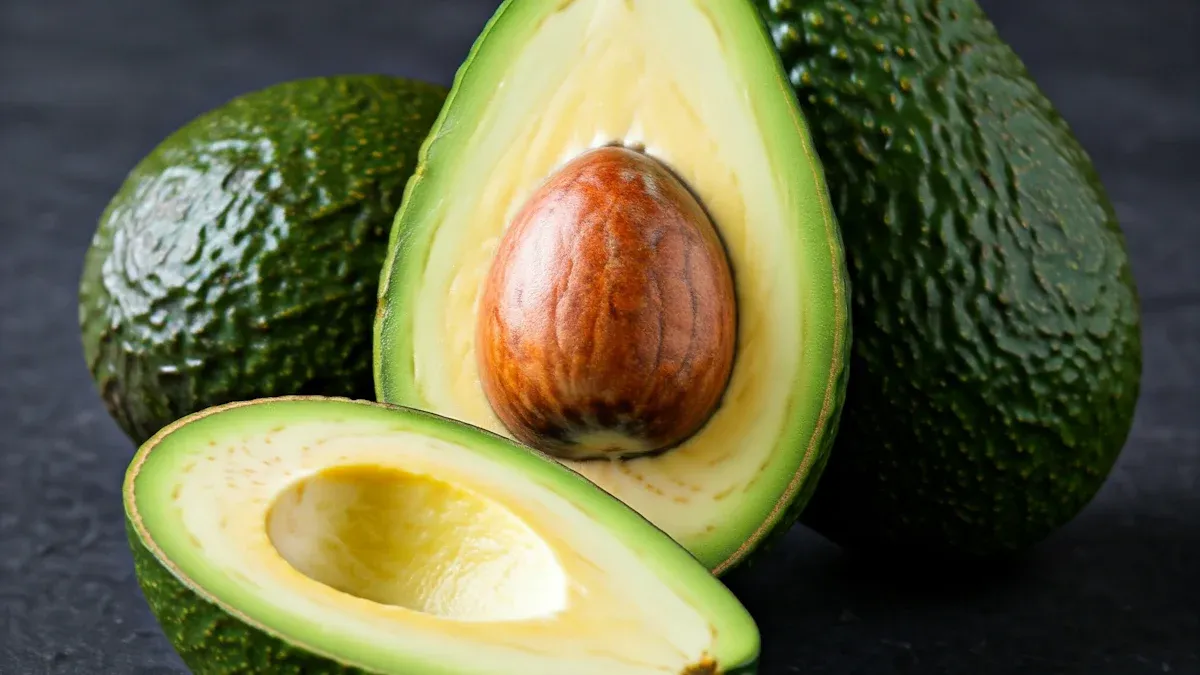
You can find monounsaturated fats in many delicious foods. Knowing these sources helps you make healthier choices. These healthy fats are easy to add to your daily meals.
Healthy Oils
Many cooking oils are excellent sources of monounsaturated. You can use them for various cooking methods.
Olive Oil: This is a very popular choice. Extra virgin olive oil and regular olive oil are both rich in monounsaturated. You can use olive oil for sautéing at 350°F (177°C). It also works well for higher-heat cooking like roasting vegetables, as extra virgin olive oil has a smoke point of 376°F (191°C). You can drizzle it on hummus, Caprese salads, or leafy greens for a fruity flavor. It’s also great for mixing with acid to make salad dressings or sprinkling on steamed vegetables.
Avocado Oil: This oil has a very high smoke point, around 482°F (250°C), or even up to 520°F. This makes it perfect for high-temperature cooking. You can use it for stir-frying, sautéing, or searing meat in a wok. Avocado oil has a mild flavor.
Canola Oil: This oil also contains a good amount of monounsaturated.
Sunflower Oil: Some varieties of sunflower oil are high in monounsaturated.
Both olive and avocado oils offer healthier alternatives to saturated fats like butter. You can use them for sautéing, pan-frying, and baking. They help reduce your risk of heart disease. Olive oil is good for lower-temperature cooking, like slower oven roasting. Remember, the smoke point of extra virgin olive oil can vary from 325°F to 375°F.
Fruits and Vegetables
Some fruits and vegetables provide significant amounts of monounsaturated.
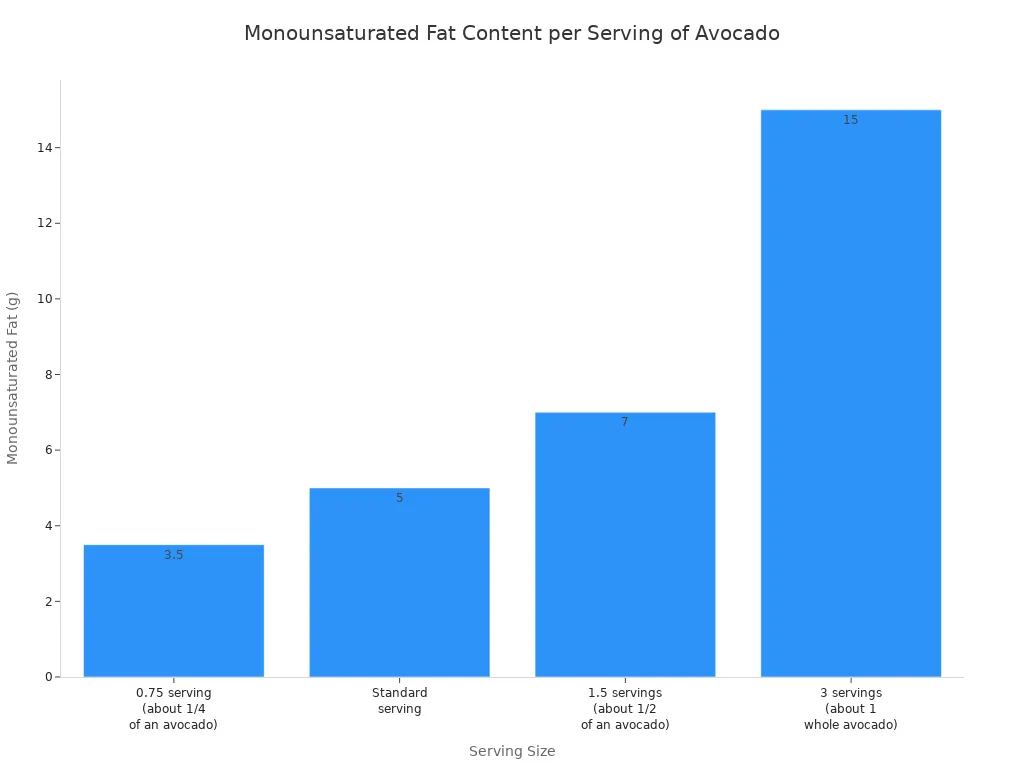
Avocados: These creamy fruits are a top source of monounsaturated. A standard serving of avocado gives you 5 grams of monounsaturated fat. If you eat about half an avocado (68g), you get 6.7 grams of these healthy fats.
Serving Size | Monounsaturated Fat |
|---|---|
Standard serving | 5g |
0.75 serving (about 1/4 of an avocado) | 3.5g |
1.5 servings (about 1/2 of an avocado) | 7g |
3 servings (about 1 whole avocado) | 15g |
Olives: Olives are another excellent fruit source. They contain many beneficial unsaturated fats, including monounsaturated.
Nuts and Seeds
Nuts and seeds are convenient and tasty food sources of monounsaturated fats.
Almonds: These nuts offer a good amount of monounsaturated.
Cashews: Most of the fats in cashews are monounsaturated fats.
Pecans: You will find healthy monounsaturated in pecans.
Walnuts: Walnuts also contribute to your intake of these beneficial fats.
Flax Seeds: Flaxseeds contain monounsaturated. A 3-tablespoon serving of Bob’s Red Mill Golden Flaxseed provides 2.5 grams of monounsaturated fat. A 100-gram serving of whole flaxseeds contains 2.1 grams of monounsaturated.
Sesame Seeds: These small seeds are another good source.
Pumpkin Seeds: You can also get monounsaturated from pumpkin seeds.
Sunflower Seeds: These seeds provide a high content of monounsaturated. They also offer protein, vitamin E, and various B vitamins.
Other Food Sources
You can also find monounsaturated in some animal-based food sources.
Meats: Unprocessed red meats and poultry contain mufas. Processed red meats also have some.
Dairy Products: Certain dairy products contribute monounsaturated to your diet.
Eggs: Eggs contain some monounsaturated.
Fish: Many types of fish provide these healthy fats.
Animal Fats: Animal fats used for cooking also contain monounsaturated fatty acids.
Incorporating Monounsaturated Fats Daily
You can easily add more monounsaturated to your diet. Making small changes helps you enjoy their health benefits.
Recommended MUFA Intake
There is no specific daily recommended intake for monounsaturated fat. Instead, experts suggest you replace unhealthy saturated and trans fats with unsaturated fats. These include both monounsaturated and polyunsaturated fats. Aim for about 20-35% of your daily calories from total fat. A good portion of this should come from beneficial monounsaturated fat. You will improve your heart health and overall well-being.
Easy Dietary Swaps
You can make simple swaps to boost your intake of monounsaturated.
Choose olive oil: Use olive oil instead of butter or margarine for cooking and baking.
Add avocado: Slice avocado into your salads, sandwiches, or wraps. You can also mash it for a healthy spread.
Snack on nuts: Grab a handful of almonds, cashews, or pecans for a quick, satisfying snack.
Use seeds: Sprinkle flax seeds or sesame seeds over your yogurt or oatmeal.
Dress salads: Make your own salad dressings with olive oil and vinegar.
Cooking with MUFAs
You can cook with monounsaturated oils. Olive oil works well for sautéing vegetables or making sauces. For higher heat cooking, like roasting or stir-frying, choose avocado oil. It has a higher smoke point. These healthy fats add flavor and nutrition to your meals.
Balancing Healthy Fats
Remember, monounsaturated are just one type of healthy fats. You also need polyunsaturated fats, like omega-3s, for a balanced diet. Focus on incorporating a variety of sources. This ensures you get all the essential nutrients your body needs. You will support your health with smart fat choices.
You now understand the great benefits of monounsaturated fats. They are crucial for your heart health and help manage blood sugar. These monounsaturated fats protect your heart. You can easily add monounsaturated foods to your daily meals. Choose olive oil, avocados, or nuts.
Make informed choices for your heart health. Your heart will thrive. Embrace smart monounsaturated fat choices for better well-being.
FAQ
What makes monounsaturated fats different from other fats?
Monounsaturated fats have one double bond in their chemical structure. This single bond gives them a slight bend. This bend keeps them liquid at room temperature. Saturated fats have no double bonds and are solid. Polyunsaturated fats have more than one double bond.
How do monounsaturated fats help your heart?
Monounsaturated fats improve your heart health. They lower your “bad” LDL cholesterol levels. They also help maintain your “good” HDL cholesterol. This reduces your risk of heart disease and stroke. You protect your heart by choosing these fats.
What foods are rich in monounsaturated fats?
You can find monounsaturated fats in many foods. Good sources include olive oil, avocado oil, and canola oil. Avocados, olives, and nuts like almonds and pecans are also excellent. Seeds such as flax, sesame, and pumpkin seeds provide these healthy fats.
Can monounsaturated fats help you manage your weight?
Yes, monounsaturated fats can support weight management. They help you feel full and satisfied after eating. This can reduce your overall food intake. They also boost fat burning. You can reduce abdominal fat by including them in your diet.