

On American plates, potatoes usually come first, followed by tomatoes, onions, and lettuce among the crops people eat most often. The ranking changes when you count fresh produce, processed forms, or farm output, so the measure matters.
This article covers the vegetables that show up most often on American tables, how the rankings are judged, and why staples like potatoes, tomatoes, onions, and lettuce keep rising to the top.
Key Takeaways
- Potatoes lead because fries, chips, mashed sides, and frozen products drive heavy intake.
- Tomatoes rank high because sauces, soups, salsa, and canned forms count in real-world consumption.
- Onions stay near the top since they appear in home cooking, restaurant meals, and packaged foods.
- Lettuce and carrots remain common because they fit salads, sandwiches, snacks, and quick sides.
- Broccoli and sweet corn round out the core mix for many U.S. households.
- A top 20 view adds celery, cabbage, cauliflower, sweet potatoes, and green beans for a fuller market picture.
- Classification matters because tomatoes, corn, and legumes can shift position depending on the data source.
What Popularity Means In U.S. Vegetable Rankings
Popularity can mean three different things: what grows most, what sells most, or what gets eaten most. USDA consumption data tracks intake more closely than farm production, so it gives you a better answer for the most commonly eaten vegetables in the US.
That distinction matters because a crop can look large in harvest reports and still play a smaller role at the table. You get a clearer ranking when per capita consumption, retail sales, and processed forms are separated instead of blended together.
Per Capita Intake Tells You What Actually Gets Eaten
Per capita intake divides total use by population size, which keeps one large harvest from skewing the picture. That is why potatoes stay on top even after you account for restaurant waste and home kitchen scraps.
Retail sales tell a different story because a vegetable can move through stores in fresh, frozen, canned, or prepared forms. Tomatoes rise in that view because sauce, paste, and salsa carry a lot of volume, and corn gets a lift from frozen and canned packs.
| Measure | What It Tracks | Why It Changes the Rank |
|---|---|---|
| Per capita intake | Amount eaten per person | Best for daily eating habits |
| Retail sales | What stores move through checkout | Processed forms can push items higher |
| Farm production | What growers harvest | Commodity crops can outrank table use |
The USDA Economic Research Service is the main source for this intake view, and the Fresh Produce Association tracks market movement and category trends. That split matters because a shopper, a cook, and a farm analyst are not asking the same question.
Those buying patterns make the dominance of three staples easier to understand.
The Top Vegetables Americans Eat Most Often
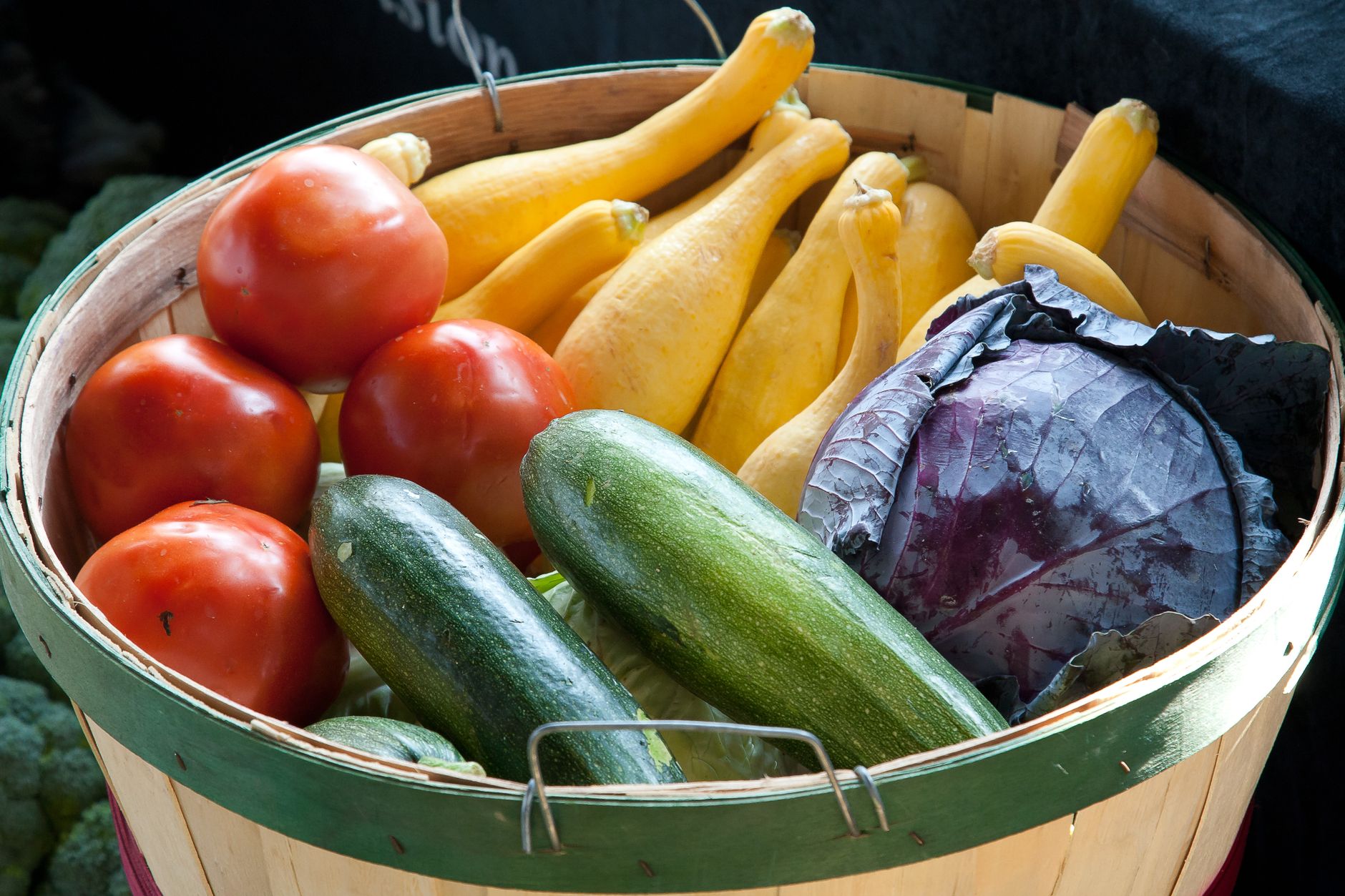
Potatoes lead the list, and tomatoes sit right behind them in most U.S. consumption summaries. From there, onions, lettuce, carrots, broccoli, and sweet corn fill the everyday middle, with peppers, cucumbers, peas, celery, and beans extending the top 20 most popular vegetables in the United States.
You can read that ranking as a kitchen pattern rather than a simple produce chart. The same crops keep showing up because they solve different jobs, from bulk and flavor to crunch and convenience.
The Top 10 In Plain Order
- Potatoes lead because fries, chips, hash browns, and mashed dishes appear across meals.
- Tomatoes stay near the top through sauce, soup, salsa, ketchup, and canned forms.
- Onions show up in soups, stir-fries, burgers, sauces, and packaged entrées.
- Lettuce moves in salads, burgers, sandwiches, and deli plates.
- Carrots sell well fresh and also appear in soups, snacks, and side dishes.
- Broccoli holds a strong spot among green vegetables served fresh or frozen.
- Sweet corn stays popular in fresh ears, frozen kernels, and canned packs.
- Cucumbers appear in salads, dips, sandwiches, and quick snack trays.
- Bell peppers show up in stir-fries, fajitas, salads, and sheet-pan meals.
- Peas and beans round out many household menus through frozen and canned use.
That order gives you the clearest top 10 most popular vegetables in america, but a broader list changes the edges more than the core. The extra slots matter because they show the broader produce mix, not just the staples that dominate lunch plates.
Fresh forms and prepared forms also change the order in quiet ways. A bag of baby carrots or a jar of pasta sauce can move a crop into everyday use even when it does not dominate the raw produce aisle.
Top 20 Adds The Broader Produce Mix
Celery is a strong example because it appears in soups, snack trays, and cooking bases, even though it rarely gets the spotlight. Sweet potatoes also matter, since they can climb in side dishes and packaged foods without replacing white potatoes at the top.
That wider list is useful for shopping plans and meal prep because it shows what households cycle through in a normal month. From there, the next step is seeing why three vegetables keep pulling ahead of everything else.
Their quiet ubiquity leaves room for a wider cast that still anchors everyday eating.
Why Potatoes, Tomatoes, And Onions Lead The Pack
Potatoes win on volume because they fit breakfast, lunch, dinner, and snack foods without much effort from the kitchen. A single crop can appear as fries, mashed potatoes, chips, roasted sides, frozen rounds, and dehydrated mixes, so its use stretches across the whole food system.
That broad use is why potatoes remain the anchor in most consumed vegetables in america rankings. When one crop crosses breakfast plates and freezer aisles, per capita consumption climbs fast.
Potatoes Move Through More Meal Types
The starch inside potatoes, mostly amylose and amylopectin, gives them a texture that changes fast with heat. That physical behavior matters because it lets the same crop become crisp, creamy, or fluffy, which keeps it in constant rotation.
Tomatoes rank high for a different reason. They are botanically fruits, yet in the kitchen they function as vegetables, and processing amplifies that role through sauce, paste, soup, ketchup, and salsa.
Tomatoes Travel Well In Processed Form
Lycopene, the red carotenoid in tomatoes, holds up well in cooked products and can become easier to absorb after heating. That is one reason canned and cooked tomato items stay central in U.S. eating patterns.
Onions sit just behind those two because they are a flavor base more than a side dish. They may not stand out on the plate, but they show up in restaurant chains, frozen entrées, soup mixes, and home-cooked meals in nearly every region.
That mix changes once geography, household size, and season start shaping the plate.
Check your own shopping basket and you will probably see the pattern fast: potatoes for bulk, tomatoes for processed forms, onions for flavor. Those three behave like the engine room of U.S. vegetable intake.
Leafy Greens, Root Vegetables, And The Rest Of The Core Mix
Lettuce, carrots, broccoli, sweet corn, cucumbers, bell peppers, peas, and beans fill out the daily core because they fit different meals without much prep. The category mix matters: leafy greens dominate salads, roots bring crunch, tubers carry starch, and nightshades cover a wide set of cooked dishes.
You also get a clearer picture of the most popular vegetables in the united states when you separate staple vegetables from trendy produce. That split shows why a salad crop, a freezer staple, and a soup base can all rank well for different reasons.
Leafy Greens Stay Close To Sandwiches And Salads
Lettuce is the clearest leafy green in the U.S. mix, and iceberg lettuce still has a large share because it fits burgers and sandwiches. Spinach and romaine matter too, though they spread across salads, sautés, and prepared bowls rather than simple sandwich use.
Bagged greens, prewashed mixes, and ready-to-eat snack packs keep leafy vegetables near the top as home cooking time gets tighter. That convenience is one reason your grocery cart may favor them even when the plate includes only a small serving.
Roots, Pods, And Nightshades Fill The Gaps
Carrots stand out among root vegetables because they work raw, steamed, glazed, or shredded into ready meals. Broccoli adds a green crucifer with a mild taste, while peas and beans fill frozen and canned shelves that many households rely on during busy weeks.
Bell peppers and cucumbers help bridge fresh produce and prepared foods. Bell peppers belong to the nightshade family, so they sit in the same botanical group as tomatoes, while cucumbers bring a cooling crunch that shows up in side dishes and lunch boxes.
That mix explains why the most commonly eaten vegetables in the US are not all the same type of plant. The list blends flavor bases, starches, salads, and convenience items, which is why household habits shape it as much as farm output does.
Taken together, the patterns turn a simple tally into a snapshot of everyday American eating.
How The Ranking Shifts By Region, Household, And Time
A single national list hides a lot of local variation. Southern cooking, Midwest casseroles, coastal salad habits, and immigrant food traditions all push vegetable intake in different directions, so your local cart can look nothing like a national average.
Frozen and canned vegetables soften the swing between summer harvests and winter shelves. That is why sweet corn and peas stay visible long after peak field season, and it also helps explain the ranked list of vegetables in the us across the year.
Households Do Not Shop The Same Way
Income, age, and household size change what ends up on the table. A busy family may lean on frozen broccoli and canned tomatoes, while an older household may buy more fresh lettuce, cucumbers, and carrots for quick meals.
Food culture matters as well. A household that cooks chili, pasta, or stir-fries will move through onions and tomatoes faster than one that relies on cold sandwiches and bagged salads.
Food Classification Can Shift The Count
Tomatoes are the classic example because botany and kitchen use do not line up neatly. Legumes can also confuse the count, since peas and beans may appear in vegetable lists even though their plant family and nutritional profile place them in a broader category.
That is why a source-backed list stays easier to read than a casual survey of favorite produce. The it are not just a taste ranking, they are a record of how Americans cook, buy, and eat across the year.
Wrap Up
Potatoes, tomatoes, and onions anchor U.S. vegetable intake because each one fits a different job in the kitchen: bulk, sauce, and flavor. Once you know that, the rest of the list makes sense: lettuce, carrots, broccoli, sweet corn, cucumbers, peppers, peas, and beans fill the everyday gap between fresh meals and processed staples.
That is also why the top 20 it gives a better household picture than a short list alone. It shows the steady mix you buy, cook, and eat week after week, not just the crops that look impressive on a field report.
FAQ
What are the 10 most popular vegetables in America?
The usual top 10 centers on potatoes, tomatoes, onions, lettuce, carrots, broccoli, sweet corn, cucumbers, bell peppers, and peas or beans. The exact order shifts a little across data sources, but those names stay near the front because they show up in meals, snacks, and prepared foods.
What is the most commonly eaten vegetable in the US?
Potatoes are generally the most consumed vegetable in the United States. They appear in fresh, frozen, and prepared forms, so fries, chips, mashed dishes, and breakfast sides all count toward their heavy use.
What are the top 20 most popular vegetables in the United States?
A broader top 20 adds celery, cabbage, cauliflower, sweet potatoes, green beans, and similar staples after the main group of potatoes, tomatoes, onions, lettuce, carrots, broccoli, sweet corn, cucumbers, bell peppers, peas, and beans. The wider list gives you a fuller picture of what households buy and eat.
How is vegetable popularity measured?
A grocery scan, a farm tally, or a nutrition survey can each produce a different ranking for vegetable popularity. Intake is the clearest measure for eating habits, while sales and harvest totals can move some crops higher because processed and bulk forms add volume.
Do Americans eat more fresh vegetables or processed vegetables?
In supermarkets and kitchens, processed forms can boost a crop’s rank because they show up in sauces, soups, frozen packs, and canned goods. That is why tomatoes, potatoes, and corn often look stronger in consumption rankings than a fresh-only aisle view would suggest.
Which vegetables are considered staple vegetables in America?
Repeated weeknight meals and flexible cooking methods make potatoes, onions, lettuce, carrots, tomatoes, and sweet corn common staples in America. Broccoli, cucumbers, peas, bell peppers, and beans also show up often enough to stay part of the core mix.
