

Nduja is a unique, spicy spreadable salami from Calabria, Italy. This distinctive pork product offers a fiery flavor and a remarkably soft texture. Its unique characteristics set it apart from other cured meats you might know. Nduja’s popularity is growing globally. You can see this growth in key markets:
Region | Projected CAGR (through 2033) |
|---|---|
Europe | 5.8% |
North America | 8.1% |
Asia Pacific | Highest among all regions |
You will discover more about this intriguing salami.
Key Takeaways
Nduja is a spicy, spreadable salami from Calabria, Italy. It has a soft texture.
Calabrian chili peppers give Nduja its fiery taste. Fermentation and curing add rich, savory flavors.
Nduja is made from fatty pork cuts. It is finely ground and mixed with chili peppers and salt.
Nduja is calorie-dense and high in fat. It also provides protein and some vitamins.
You can enjoy Nduja in many ways. Spread it on toast or mix it into pasta sauces.
What is Nduja: A Spicy Salami Spread
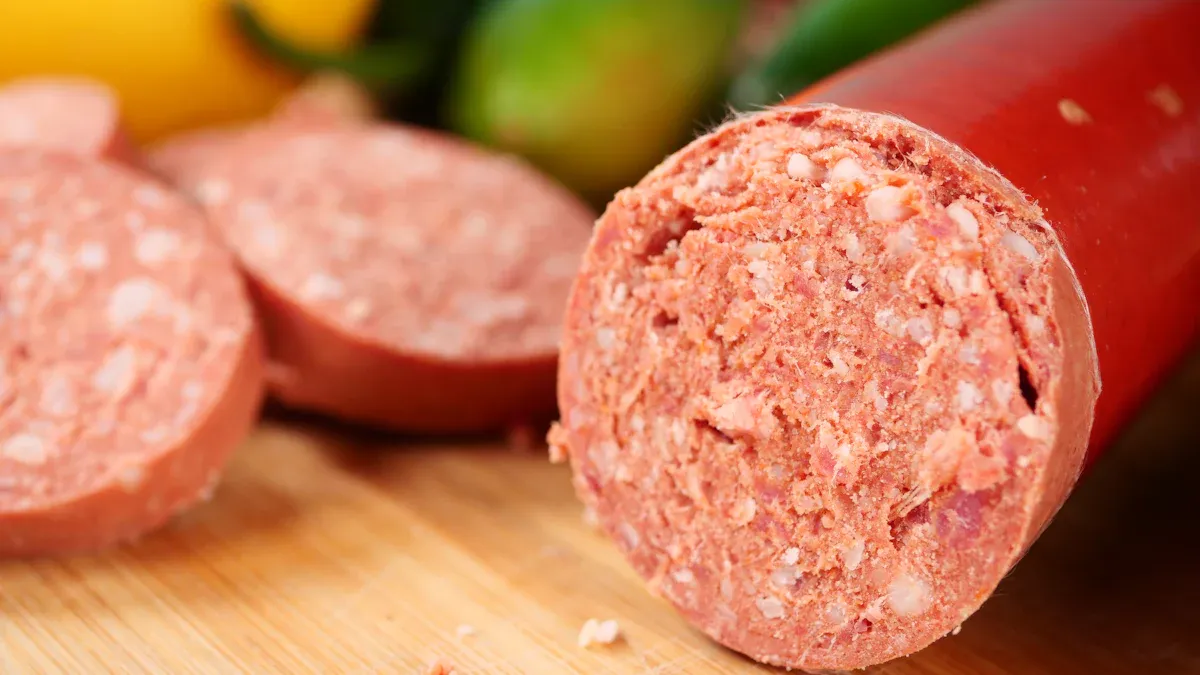
Nduja is a unique spicy salami spread. It has a soft texture. You will find it different from other cured meats.
Calabrian Roots and Tradition
Nduja comes from Spilinga. This village is in Calabria, Italy. Its history is rich. Many believe its origins trace back to the Napoleonic period. Joachim Murat was Napoleon Bonaparte’s brother-in-law. He ruled the Kingdom of Naples. He ordered the distribution of a French salami called andouille. Calabrians took this idea. They changed the recipe. They used local fat, pork rinds, offal, and hot peppers. This created a unique spicy cured italian sausage.
Nduja was once a food for the poor. People used inexpensive pig parts. These included stomach, intestines, and other scraps. Its recipe has changed. Today, it includes meat, fat, and hot peppers. Nduja holds a central place in Calabrian traditions. Festivals celebrate this delicacy. The Sagra della ‘Nduja in Spilinga is one example. It shows Nduja’s importance. It is more than just a spreadable salami. It represents Calabria’s rich heritage. This spicy delicacy adds a distinctive Calabrian flair to dishes.
Key Ingredients and Color
You might wonder what goes into nduja. Makers use specific pork cuts. These include leftover trimmings from various pig parts. They also use fat, skin, and meat from the head. Sometimes they use fatback and clear skin. Other fatty cuts are also common.
Nduja has a distinctive orange-red color. This comes from the even distribution of salt, spices, and chili pepper. Some varieties may even use American red pepper. The ratio of fat to lean meat is important. It is usually very high. For example, some recipes use 750 grams of pork fat for every 250 grams of pork meat. This means the fat content can be 60-80%. This high fat content is key to its texture.
Unique Spreadable Texture
Nduja’s texture is truly unique. It is soft and spreadable. This is not like typical salami. Several processes create this texture. Fermentation is one key process. It gives nduja its unique acidic and funky flavor. Emulsification is another technique. This blends the fat and lean meat. It creates a smooth, creamy consistency. Think of it like a “meat butter.”
The high fat-to-lean meat ratio is also crucial. Nduja often has three parts fat to one part lean meat. This ratio is much higher than in other salamis. This high fat content helps it remain soft. It allows you to easily spread it.
The Spicy Flavor of Nduja
You will find Nduja’s flavor profile truly unforgettable. It offers a powerful combination of tastes. These tastes come from its unique ingredients and preparation.
The Fiery Kick
Nduja delivers a significant spicy kick. Calabrian chili peppers are responsible for this heat. These peppers typically have a Scoville Heat Unit (SHU) range of 25,000 to 40,000. Nduja itself averages around 30,000 SHU. This comes from the large amount of chili pepper used. Capsaicin is the chemical compound that causes this fiery sensation. You will find approximately 17 mg of capsaicin per gram of Nduja. This makes it a truly spicy experience.
Rich Umami Flavor
Nduja also has a deep, savory umami flavor. Fermentation plays a big role in this. Nduja ferments in a warm, climate-controlled room for 12 to 48 hours. This process builds acid and develops its flavor. After fermentation, Nduja moves to a cooler drying room for 45 to 180 days. Longer drying times create deeper and spicier flavors. Drying and processing meats break down proteins. This releases free glutamic acid. It increases glutamates, which are responsible for umami. The fermentation process also gives Nduja a sour and acidic taste. Aging further deepens and complexifies its flavor.
Smoky Undertones
You might also notice smoky undertones in Nduja. Traditional production methods include cold smoking. This infuses the salami with a subtle smokiness. Cold smoking exposes the fermented sausage to smoke. Temperatures stay below 85°F (29°C). This process can last from several hours to multiple days. The duration depends on how intense you want the flavor. Makers commonly use hardwoods like hickory or fruitwoods such as applewood to create the smoke.
Complex Flavor Profile
Nduja’s complex flavor profile results from several factors. Spices, fermentation, and curing all work together. Makers grind fresh pork muscle and fat. They mix it with a puree of chilies for heat. They also season it with salt. This mixture then goes into casings to ferment. The curing process involves slow drying over weeks or months. This draws out moisture and intensifies the flavor. The high fat content, combined with the softening effect of Calabrian chilies, keeps the nduja soft. This happens even after much moisture removal. This contributes to its unique texture and deep flavors developed during curing.
How Nduja Is Made
Making nduja involves several careful steps. You start with selecting the right pork. Then, you grind it, season it, and cure it. Each stage is important for creating this unique spreadable salami.
Meat Selection and Grinding
You begin making nduja by choosing specific pork cuts. Makers often use fatty parts like pork belly, shoulder, and jowl. They also include some lean meat. You then grind these meats very finely. This creates a smooth base for the spreadable salami. The fine grind helps achieve its signature soft texture.
Seasoning and Mixing
Next, you season the ground pork. The most important ingredient is Calabrian chili pepper. You add a generous amount of this pepper. Salt is also crucial for flavor and preservation. Other spices might be included, but chili is the star. You mix all these ingredients thoroughly. Mechanical mixers can complete this step within minutes. This ensures an even distribution of flavor and heat throughout the meat mixture.
Casing and Curing
After mixing, you stuff the seasoned meat into natural casings. Traditional casings include the ‘Orba’ casing, which is a hog middle cap. Other options are ‘CRESPO’ natural casings, sheep bung, or beef bung. Once stuffed, the nduja begins its curing journey.
First, it undergoes fermentation. This stage lasts about 36-48 hours. You keep the temperature around 25°C (77-90°F). The humidity needs to be very high, often above 90-95%. You can maintain this by spraying water.
After fermentation, some nduja might be cold smoked. This happens at temperatures less than 80°F. Then, the main curing process begins. This stage requires a cooler environment. You keep the temperature no more than 15°C (59°F). The humidity should be around 80%. The curing time varies. Small intestine casings might mature in about 20 days. Larger caecum casings can take up to 2 months. The entire smoking and drying period can last 5-7 days, with about an hour of smoke daily. Overall, the aging process can extend for several weeks to months.
Nduja Nutrition Facts
You might wonder about the nutritional value of nduja. This spicy spreadable salami offers a unique set of nutrition facts. You should understand its components.
Calorie Content
Nduja is a calorie-dense food. It provides a good amount of energy. For example, one hundred grams of ‘Nduja Paste contains 579 calories. Another type, ‘Nduja piccante, has 564 calories per 100 grams. Unearthed Calabrian ‘Nduja provides 532 calories. These numbers show nduja gives you substantial energy in a small serving.
Fat Profile and Benefits
Nduja contains a significant amount of fat. This fat gives it its unique soft texture and rich flavor. Here is a breakdown of the fat content per 100 grams:
Fat Type | Amount (per 100g) |
|---|---|
Total Fat | 20g |
Saturated Fat | 4g |
Monounsaturated Fat | 11g |
Polyunsaturated Fat | 2g |
You can see the fat distribution in this chart: Nduja contains heart-healthy fats. These include monounsaturated and polyunsaturated fats. These fats offer benefits for your body. They include omega-3 and omega-6 fatty acids. These are important for your overall nutrition.
Protein Content
Nduja also provides protein. Protein is essential for building and repairing your body’s tissues. Nduja di Spilinga (Fiery) contains 21.3 grams of protein per 100 grams. Another variety, Nduja & Honey, has 10 grams of protein per 100 grams. Nduja Spicy Prosciutto Spread offers 17.9 grams of protein per 100 grams. One cup (240 grams) of Nduja contains approximately 36 grams of protein. This means you get about 15 grams of protein per 100 grams. This protein content helps you feel full. It also gives you sustained energy. These are important nutrition facts to consider.
Sodium Levels
Nduja contains sodium. Makers use salt to cure the meat. Salt helps preserve the nduja. It also enhances its flavor. You should be mindful of your daily sodium intake. Enjoy nduja in moderation as part of a balanced diet.
Vitamins and Minerals
Nduja contains some important vitamins and minerals. These micronutrients contribute to your overall nutrition. Here are some you can find in a typical serving:
Nutrient | Quantity (per 28g serving) |
|---|---|
Vitamin C | 1.2 mg |
Iron | 0.36 mg |
The capsaicin from the chili peppers also offers benefits. Capsaicin is the compound that makes nduja spicy.
Moderation and Considerations
Nduja offers unique flavors and some beneficial nutrition facts. You should enjoy it in moderation. Its richness means a small amount goes a long way. Consider its overall nutrition profile when adding it to your diet.
How to Enjoy Nduja
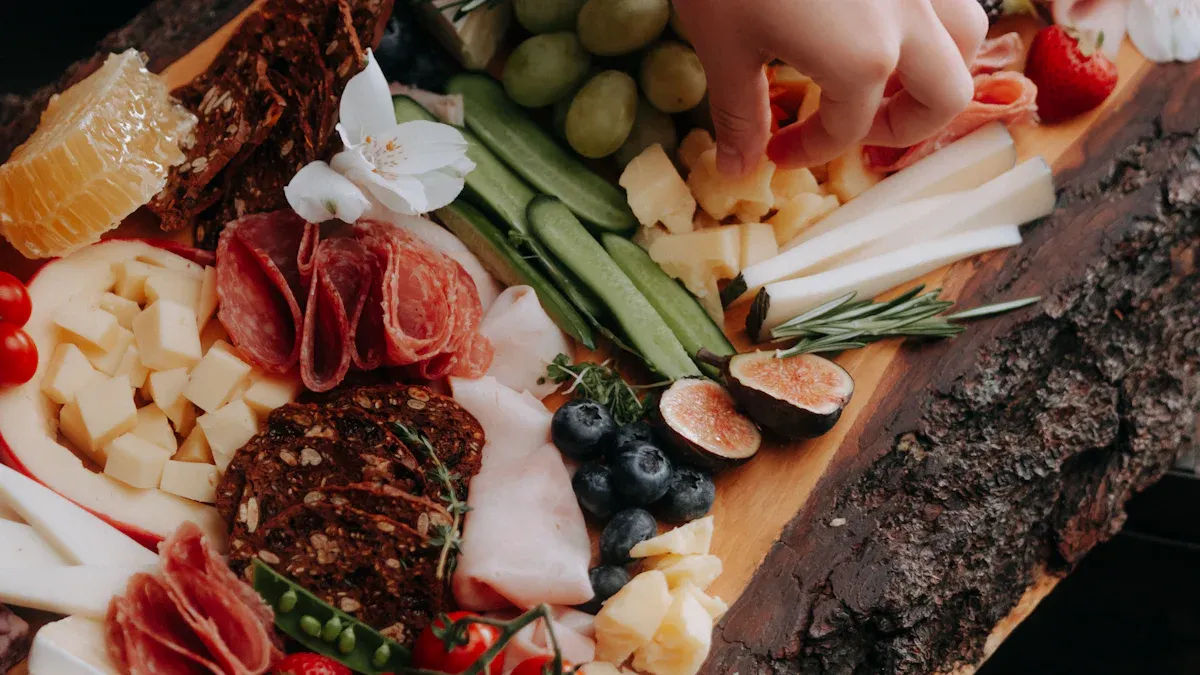
You can enjoy nduja in many ways. Its spicy and rich flavor makes it versatile. You can use it in traditional dishes or modern recipes.
Traditional Uses
Nduja is a staple in Calabrian cooking. You will find it in many classic dishes. Pasta con Nduja, also known as Pasta con Nduja, is a popular choice. This dish combines the spicy spread with pasta. It creates a rich and fiery sauce. Other traditional uses include Nduja and Caciocavallo Silano timbale. You can also find baked zucchinis stuffed with Nduja. Bean soup with Nduja is another hearty option. Eggplant and Nduja meatballs are also common.
Modern Applications
Nduja also shines in modern cuisine. You can add it to many different meals. For breakfast, try incorporating it into omelets or scrambled eggs. This gives your morning meal a spicy twist. As an appetizer, you can serve thin slices on crostini with herbs. This makes a bold crostini appetizer. You can also spread it on toast. Top it with avocado or roasted vegetables for a quick snack.
Nduja works well in sauces. Stir it into tomato sauce for pasta or pizza. This adds a smoky, spicy flavor. You can blend it with mayonnaise for a spiced mayo. This makes a creative condiment or dip. Heat it with olive oil to make a chili-infused oil. You can drizzle this oil on dishes or use it in dressings. You can also mix it with cream for a rich, spicy sauce. This sauce pairs well with meats and hearty pasta.
Pairing Suggestions
You can pair nduja with various drinks. These drinks complement its spicy and rich flavor. For red wine, try Crete del Falco red wine (Termine Grosso). This Calabrian red has deep structure and rich fruit. It echoes nduja’s smoky heat. A juicy red wine like Barbera also works well. It is fruit-forward and low in tannins. Southern Italian reds such as Aglianico or Primitivo are good choices too.
If you prefer rosé, Luna Piena rosé (Termine Grosso) is a vibrant option. Its refreshing acidity and lively berry notes balance the spice. Lambrusco, a sparkling red wine, also pairs nicely. Choose drier styles for fresh fruit notes. For white wine, a crisp Italian white like Vermentino or Greco di Tufo can balance the richness. Classic Italian aperitifs like a Negroni or Aperol Spritz offer a refreshing bitterness. This contrasts creamy, indulgent dishes.
Nduja is a truly versatile and intensely flavorful spreadable salami. You have learned about its unique taste profile. This spicy salami spread offers great culinary adaptability. As a Calabrian delicacy, it stands out.
Remember its nutrition facts; enjoy this rich spread in moderation.
Understanding its nutrition helps you make informed choices. We encourage you to explore this distinctive Italian salami.
FAQ
What is Nduja?
Nduja is a spicy, spreadable pork salami from Calabria, Italy. Makers create it from fatty cuts of pork, seasoned with a lot of Calabrian chili peppers. It has a unique soft texture. You can easily spread it.
What gives Nduja its spicy flavor?
Calabrian chili peppers give Nduja its fiery kick. These peppers contain capsaicin. This compound causes the heat. Makers use a generous amount of these chilies. This makes Nduja very spicy.
What makes Nduja spreadable?
Nduja’s high fat content makes it spreadable. It has a high ratio of fat to lean meat. Fine grinding and a long curing process also contribute. This creates a smooth, soft texture. You can easily spread it on bread.
What are some common ways to eat Nduja?
You can spread Nduja on toast or crostini. You can also stir it into pasta sauces or use it on pizza. It adds a spicy, rich flavor to many dishes. Try it with eggs for a morning kick.